
The seemingly simple question, “how many seats at Barclays Center,” belies a deeper narrative that is critical to understanding the venue’s brand identity, market positioning, and the immersive experiences it delivers. Far from being a mere statistical figure, the capacity of Barclays Center – and the thoughtful design behind it – is a foundational pillar upon which its brand as a premier multi-purpose indoor arena in Brooklyn, New York City, is built. In an era where entertainment venues compete not just for events but for the very loyalty and imagination of their audiences, understanding how seating capacity is strategically leveraged becomes paramount to a successful brand strategy.

Barclays Center isn’t just a building; it’s a destination, a cultural hub, and a symbol of Brooklyn’s resurgence. Its ability to host a dizzying array of events, from NBA basketball games and major concerts to family shows and boxing matches, is directly tied to its flexible seating arrangements and the strategic intent behind its design. This article will delve into how the concept of “how many seats” translates into powerful branding, shaping perceptions, dictating market reach, and ultimately defining the iconic status of Barclays Center.
The Strategic Role of Seating Capacity in Brand Positioning
The number of seats a venue possesses is not just a logistical detail; it’s a strategic branding decision that dictates everything from event selection to the competitive landscape. For Barclays Center, its capacity is a deliberate choice that positions it uniquely in the crowded New York metropolitan area entertainment market.
Defining Market Niche and Event Diversity
Barclays Center’s capacity is carefully calibrated to strike a balance: large enough to attract and accommodate major, high-demand events, yet designed to maintain an intimate feel that enhances the spectator experience. This strategic capacity allows it to host the NBA’s Brooklyn Nets, numerous chart-topping musical artists, and a variety of other large-scale events that require a significant audience size for viability.
The typical seating capacity for a Brooklyn Nets game hovers around 17,732. For concerts, this can expand, often utilizing floor space, to accommodate nearly 19,000 attendees. This flexibility is a core brand strength, enabling the venue to diversify its offerings and appeal to a broad spectrum of entertainment preferences. Unlike colossal stadiums that might prioritize sheer volume, Barclays Center’s capacity ensures that while it can handle blockbusters, it also focuses on delivering a premium, up-close experience. This positions it distinctively against both larger arenas and smaller, more niche venues, establishing its brand as the go-to destination for diverse, high-quality entertainment that feels both grand and personal.
Competitive Advantage and Brand Appeal
In the highly competitive market of major metropolitan areas, venue capacity is a significant determinant of competitive advantage. A capacity that consistently allows for sell-outs generates immense buzz, creates a perception of exclusivity, and enhances the venue’s brand appeal. Barclays Center leverages this. When tickets for a major concert or a pivotal sports game are scarce, it elevates the perceived value of the event and, by extension, the venue itself.
This optimized capacity enables Barclays Center to attract top-tier talent and premier sports franchises. Artists and promoters seek venues that can not only accommodate their audience but also provide an electric atmosphere, often synonymous with a packed house. The brand promise of a vibrant, full arena—a “hot ticket” destination—is a powerful magnet for both performers and audiences. Furthermore, the ability to consistently fill its seats reinforces the Barclays Center brand as a successful, in-demand enterprise, instilling confidence in potential partners, advertisers, and, crucially, the general public.
Designing for the Fan Experience: Capacity as a Brand Touchpoint
The physical arrangement and flexibility of Barclays Center’s seating capacity are not merely about fitting bodies into a space; they are about meticulously crafting a brand touchpoint that defines the spectator journey and creates lasting memories. Every seat, from the highest tier to the courtside, contributes to the overall brand experience.
From Numbers to Narrative: The Immersive Spectator Journey
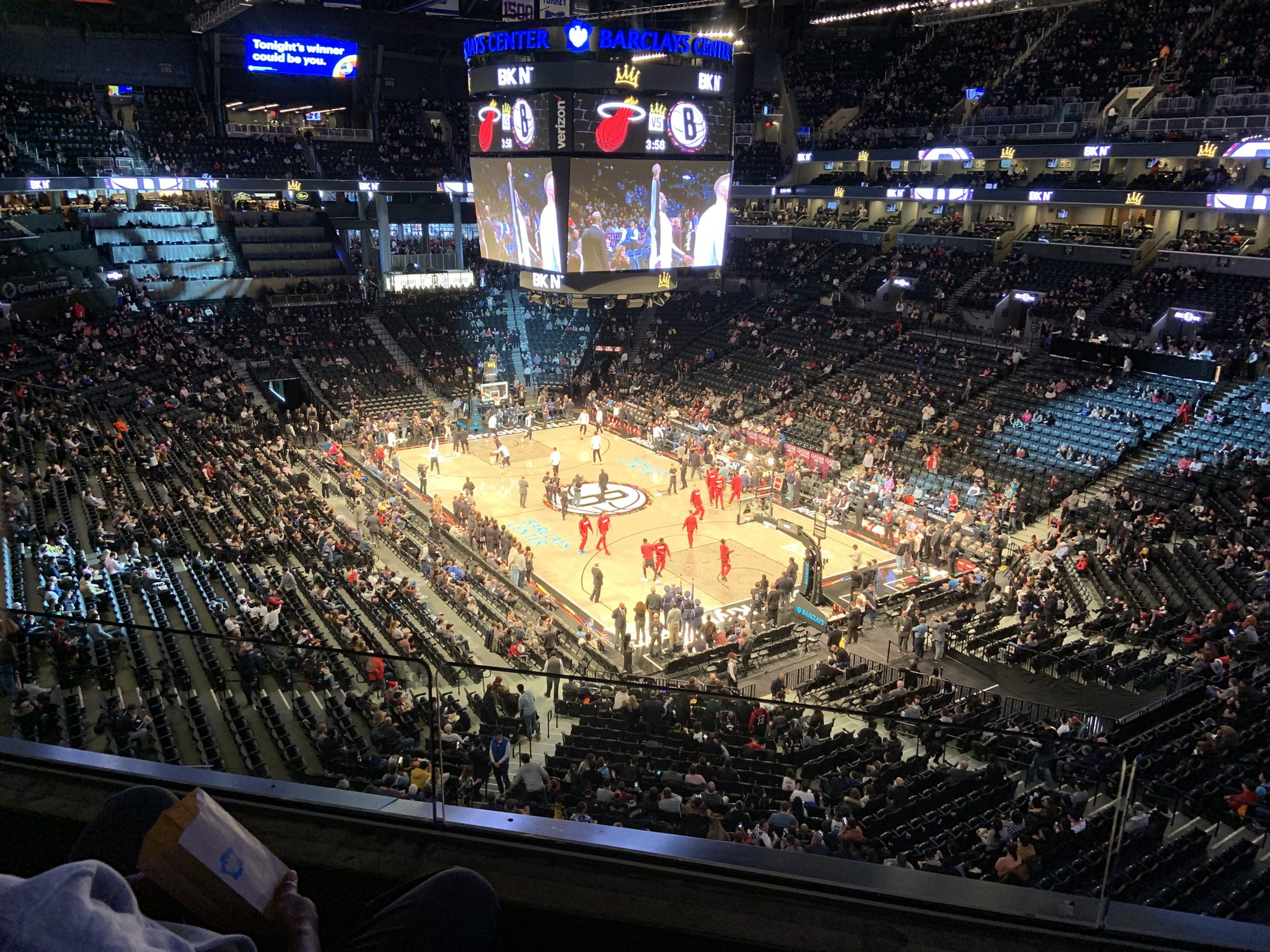
The true genius of Barclays Center’s design lies in its ability to translate a raw number of seats into an immersive narrative. World-class venues understand that fan experience is paramount, and seating design plays a critical role in this. Barclays Center was engineered with excellent sightlines and acoustics from virtually every angle, ensuring that whether you’re in the upper bowl or closer to the action, the view and sound quality are exceptional. This meticulous attention to detail transforms the capacity from a static number into a dynamic factor that influences the atmosphere, the engagement level, and ultimately, the emotional connection fans develop with the venue and its events.
Creating memorable moments—whether it’s the roar of a basketball crowd, the collective sing-along at a concert, or the tension of a boxing match—is directly supported by how effectively the seating capacity fosters a sense of community and shared experience. This deliberate design enriches the event and reinforces the Barclays Center brand as a provider of unparalleled live entertainment.
Premium Seating and Experiential Branding
An integral part of Barclays Center’s brand strategy, tied directly to its capacity, is the differentiation of its seating offerings. Beyond general admission, the venue boasts a comprehensive array of premium seating options, including luxury suites, club seats, and VIP areas. These tiers of seating are not just about comfort; they are about delivering differentiated brand experiences that cater to specific market segments.
Luxury suites, for instance, offer an exclusive, high-end experience that combines privacy, bespoke amenities, and exceptional views. This aspect of the seating capacity is crucial for corporate clients, high-net-worth individuals, and those seeking a more elevated event experience. By offering these premium options, Barclays Center effectively monetizes its capacity beyond standard ticket sales, reinforcing its brand as a sophisticated destination that caters to diverse needs and desires. This stratification of seating underlines a brand promise of exclusivity and superior service, strengthening its appeal to a crucial segment of its market.
Flexibility and Adaptability: The Multi-Purpose Brand Promise
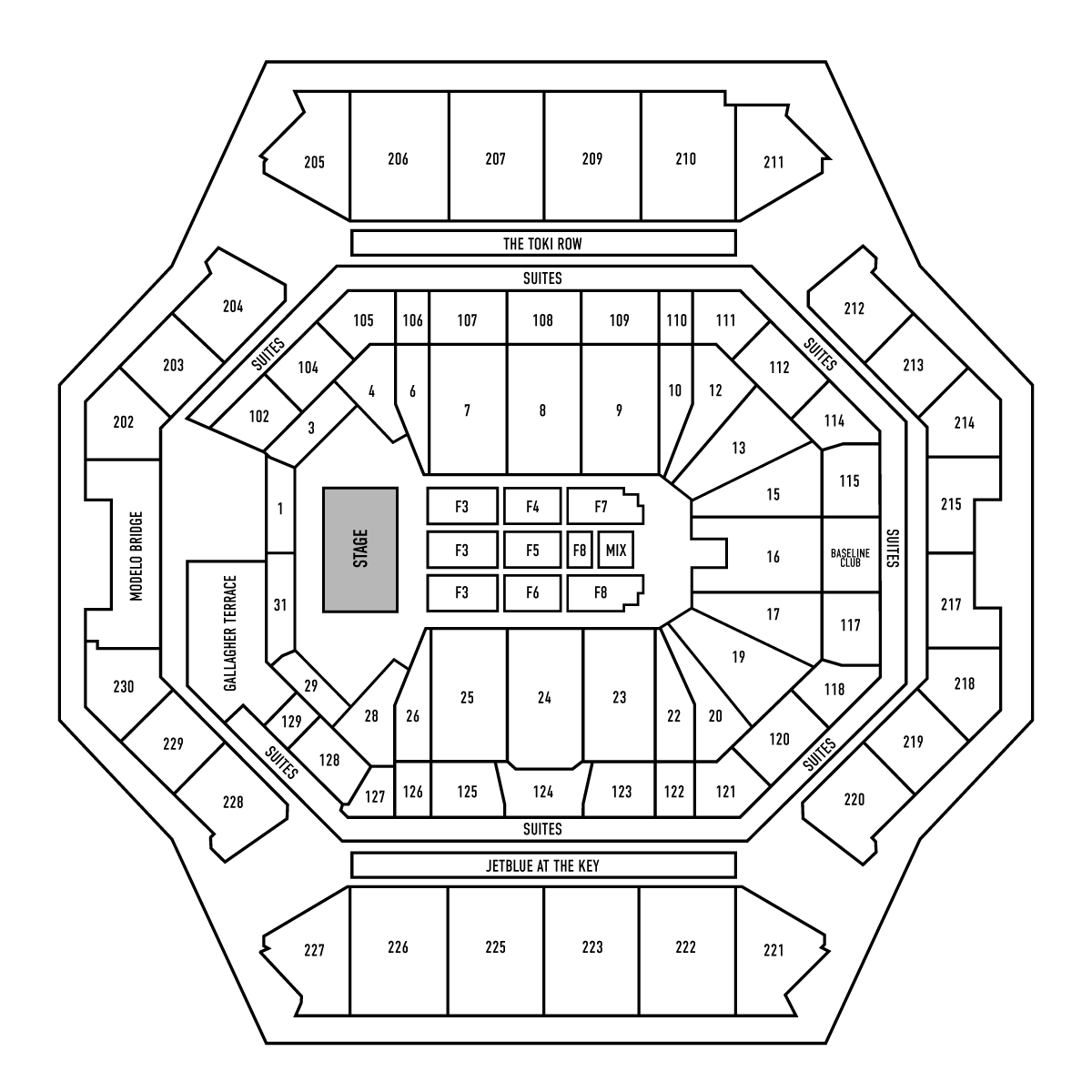
Perhaps one of the most compelling aspects of Barclays Center’s seating design is its remarkable flexibility. The venue is engineered to transform seamlessly between different event types, from the intimate setup required for certain concerts to the specific configurations for basketball or ice hockey. For instance, the capacity for basketball games (around 17,732) differs significantly from what might be configured for a concert, which can vary widely depending on the stage setup, sometimes reaching up to 19,000 with floor seating, or adapting to a smaller, more theater-like capacity for specific performances.
This adaptability isn’t just an operational convenience; it’s a core component of the Barclays Center brand promise. It signals versatility, state-of-the-art engineering, and a commitment to operational excellence. This multi-purpose capability enhances its appeal to a broader range of promoters, artists, and sports leagues, positioning Barclays Center as a highly desirable and reliable partner. This flexibility is a testament to the brand’s innovation and its capacity to consistently deliver a world-class experience, no matter the event.
Marketing the Numbers: Capacity in Brand Communication
The narrative surrounding “how many seats” extends directly into Barclays Center’s marketing and communication strategies. The numbers themselves, and the stories they tell, are powerful tools used to engage audiences, build prestige, and reinforce the venue’s brand identity.
Leveraging Capacity in Promotional Strategies
“Sold out” is arguably one of the most potent phrases in event marketing. When Barclays Center consistently announces sold-out events, it leverages its capacity as a direct promotional tool. This creates a sense of urgency, exclusivity, and validates the venue as a premier destination for popular entertainment. Highlighting record attendances or consecutive sell-outs becomes a key marketing message, fostering a brand image of high demand and success.
Furthermore, capacity data allows Barclays Center to segment its audience and tailor marketing messages effectively. Whether it’s targeting season ticket holders with exclusive perks or promoting single-event tickets to broader demographics, understanding and communicating the availability and desirability of its seats is central to driving engagement and sales. The capacity isn’t just a number; it’s a dynamic metric for measuring and communicating success.
Brand Storytelling Through Seating Metrics
Beyond raw numbers, the capacity of Barclays Center facilitates powerful brand storytelling. Each filled seat contributes to the narrative of a thriving, in-demand venue that serves as a vibrant community hub. The sheer volume of people gathering for a shared experience tells a compelling story of collective excitement and cultural significance.
This allows Barclays Center to position itself not just as a location for events, but as a central pillar of Brooklyn’s identity and a destination that draws visitors from across the globe. By highlighting the energy generated by a full house, the brand conveys a sense of belonging, excitement, and community involvement that extends far beyond the duration of any single event. It transforms the utilitarian aspect of “seats” into a symbol of a dynamic and inclusive brand experience.
The Digital Transformation of Seat Sales and Fan Engagement
While the core focus is on brand, it’s impossible to ignore how digital technologies amplify the brand impact of seating capacity. Online ticketing platforms, virtual seat viewers, and augmented reality tours of specific seating sections have revolutionized how fans interact with the venue before they even arrive. These tools, while technological, serve a crucial branding function: they build anticipation, foster trust, and enhance the overall brand experience.
Barclays Center uses these digital tools to personalize the seat selection process, allowing fans to visualize their view and choose the experience that best suits their preferences and budget. This digital transparency and engagement reinforce the brand’s commitment to fan satisfaction and modern convenience, ensuring that even the act of purchasing a ticket contributes positively to the overall brand perception.
The Future of Venue Branding: Beyond Raw Capacity
As the entertainment industry continues to evolve, so too will the role of seating capacity in venue branding. The future will see an even deeper integration of technology and experience, moving beyond mere numbers to create truly smart, sustainable, and socially responsible venues.
Smart Venues and Enhanced Brand Experience
Future innovations will build upon the foundation of physical capacity, integrating advanced technologies to further refine the brand experience. Enhanced connectivity, personalized in-seat services (like ordering food and merchandise), and real-time data analytics will allow Barclays Center to tailor experiences to individual attendees, leveraging its existing capacity more intelligently. These advancements won’t just be about convenience; they will be about creating hyper-personalized, memorable moments that reinforce the Barclays Center brand as forward-thinking, responsive, and dedicated to its patrons. The number of seats will then be understood not just as a physical limit but as a platform for countless individualized engagements.
Sustainability and Social Responsibility in Venue Branding
In an increasingly conscious world, the brand of any large-scale venue like Barclays Center is also tied to its commitment to sustainability and social responsibility. Managing the environmental impact of large crowds, optimizing energy consumption, and engaging in community outreach are becoming critical components of a positive brand image. The efficient management of its vast capacity, from waste reduction to sustainable operational practices, contributes significantly to its reputation as a responsible corporate citizen. This commitment strengthens the brand, appealing to a generation of consumers who value ethical practices as much as entertainment quality.
Conclusion
The question “how many seats at Barclays Center” is far from a simple query about a numerical value. It unlocks a sophisticated understanding of how capacity serves as a cornerstone of the venue’s brand identity. It dictates its strategic market positioning, informs the design of unparalleled fan experiences, and provides rich narratives for compelling brand communication. From the flexibility that allows it to host a diverse array of events to the meticulous design that ensures every seat offers a premium view, Barclays Center consistently leverages its capacity to forge a powerful and enduring brand. In the highly competitive world of sports and entertainment, the thoughtful management and innovative branding of its seating capacity are not just advantageous—they are fundamental to Barclays Center’s continued success and its iconic status as a cultural beacon in Brooklyn and beyond.
aViewFromTheCave is a participant in the Amazon Services LLC Associates Program, an affiliate advertising program designed to provide a means for sites to earn advertising fees by advertising and linking to Amazon.com. Amazon, the Amazon logo, AmazonSupply, and the AmazonSupply logo are trademarks of Amazon.com, Inc. or its affiliates. As an Amazon Associate we earn affiliate commissions from qualifying purchases.