
The question “how much does a share of Apple stock cost?” is deceptively simple, yet it unlocks a deeper understanding of market dynamics, investment principles, and the ever-evolving nature of corporate valuation. While it’s tempting to seek a single, definitive number, the reality is far more fluid. The price of a single share of Apple Inc. (AAPL) stock fluctuates continuously throughout trading hours, influenced by a myriad of economic indicators, company-specific news, and broader market sentiment. For a prospective investor, understanding this dynamism, along with the underlying factors that drive it, is far more crucial than knowing a momentary snapshot of its price. This article will delve into how Apple’s stock price is determined, where to find real-time information, and what considerations are paramount when evaluating an investment in one of the world’s most iconic technology companies.
Understanding Stock Prices: More Than Just a Number
To truly grasp the “cost” of an Apple share, one must first appreciate the complex interplay of forces that dictate stock prices in a global financial market. It’s not a price set by Apple itself, but rather a reflection of collective buyer and seller activity.
The Dynamic Nature of Market Value
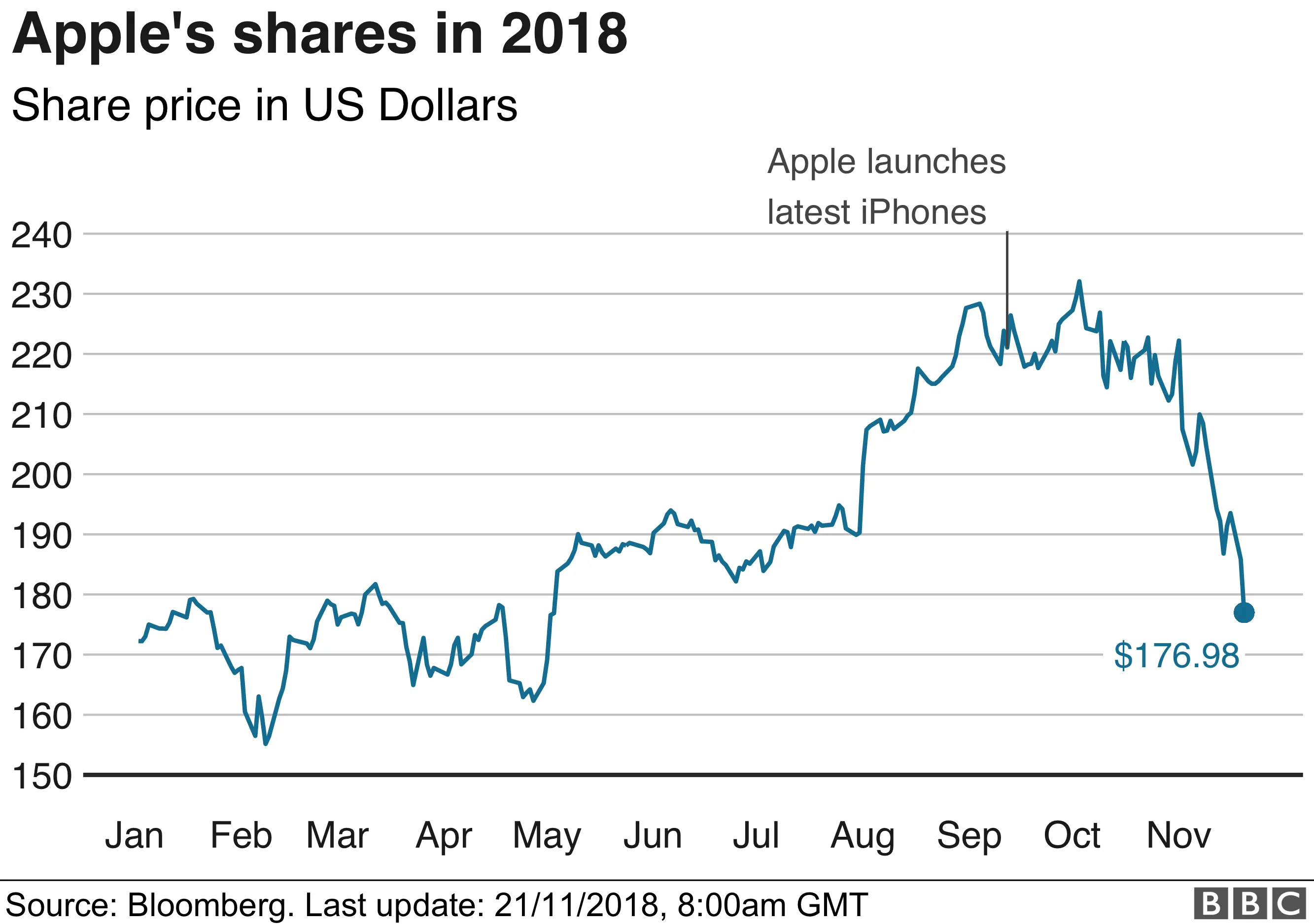
Stock prices are in constant motion, reacting to new information and investor sentiment. Imagine a bustling marketplace where buyers and sellers are continuously negotiating. If more people want to buy Apple stock than sell it, the price tends to rise. Conversely, if more investors are looking to sell, the price typically falls. This supply-and-demand mechanism is the fundamental driver of price fluctuations. These changes can occur by the second, minute, hour, or day, making any single stated price accurate only for a fleeting moment. Factors like breaking news, analyst upgrades or downgrades, and even social media chatter can cause rapid shifts in price. This volatility is a core characteristic of equity markets, offering both opportunities and risks to investors.
Factors Influencing Apple’s Stock Price
While supply and demand are the direct mechanisms, several underlying factors fundamentally influence these forces, especially for a giant like Apple:
-
Company Earnings and Financial Performance: Apple’s quarterly earnings reports are perhaps the most significant drivers. Strong revenue growth, high-profit margins, and positive future guidance typically boost investor confidence and drive the stock price up. Conversely, missed expectations or a gloomy outlook can send it downwards.
-
Product Launches and Innovation: Apple’s reputation for groundbreaking innovation (e.g., iPhone, Mac, Apple Watch, Vision Pro) means new product announcements, or even rumors of them, can significantly impact its stock. Successful product cycles attract new customers and cement market leadership, positively affecting valuation.
-
Economic Conditions: Broader economic health plays a crucial role. A robust economy generally leads to higher consumer spending on premium products like Apple’s, benefiting the company. Recessions or economic slowdowns can suppress demand and impact the stock. Interest rate changes by central banks also affect borrowing costs and investor appetite for risk.
-
Competitive Landscape: While Apple holds strong market positions, competition from other tech giants (e.g., Samsung, Google, Microsoft) can put pressure on its market share and pricing power, which in turn can influence investor perception and stock price.
-
Market Sentiment and Investor Psychology: Sometimes, the market moves based on general optimism or pessimism, known as “sentiment.” Broad market trends (bull vs. bear markets), geopolitical events, and even widespread fear or greed can impact even a stable stock like Apple.
-
Analyst Ratings and Media Coverage: Financial analysts issue ratings (buy, hold, sell) and price targets. Positive coverage from influential financial media and analysts can generate interest and push the stock higher, while negative reports can have the opposite effect.
Why a Single “Cost” is Misleading
Given these dynamics, referring to a single, fixed “cost” for an Apple share is misleading. An investor buys a share at the prevailing market price at the exact moment their order is executed. This price could be different minutes later. Furthermore, the “cost” also implies the investment amount. While one share has a specific price, many investors purchase multiple shares, or even fractional shares, allowing for more flexible entry points into the market. It’s more accurate to think of it as the “market price per share at the time of purchase.”
Decoding Apple (AAPL) Stock: A Deep Dive for Investors
For those considering an investment, it’s essential to know how to access real-time information and understand what other metrics provide context to the share price.
Where to Find Real-Time Apple Stock Prices
Accessing current Apple stock prices is straightforward in the digital age. Most major financial news websites, such as Google Finance, Yahoo Finance, Bloomberg, Reuters, and CNBC, provide delayed or real-time stock quotes. Brokerage platforms (e.g., Fidelity, Charles Schwab, E*TRADE, Robinhood) offer real-time streaming data once you have an account. Simply search for Apple’s ticker symbol, AAPL, to find its current trading price, daily high/low, trading volume, and other pertinent data. Remember to check the time stamp on the quote to ensure it’s as current as possible, as some free services might have a 15-minute delay.
Key Metrics Beyond Share Price
While the share price tells you how much one unit costs, it doesn’t tell the whole story of the company’s value or its investment potential. Savvy investors look at several other metrics:
-
Market Capitalization (Market Cap): This is the total value of all of Apple’s outstanding shares. It’s calculated by multiplying the current share price by the total number of shares outstanding. Apple is one of the largest companies by market cap, often exceeding $2 trillion, indicating its massive scale and influence.
-
Price-to-Earnings (P/E) Ratio: This ratio compares the company’s current share price to its earnings per share (EPS). It helps investors determine if a stock is overvalued, undervalued, or fairly valued relative to its earnings. A higher P/E ratio might suggest investors expect higher future growth, while a lower one might indicate a mature company or one facing headwinds.
-
Dividend Yield: Apple has historically paid dividends to its shareholders. The dividend yield is the annual dividend payment per share divided by the current share price, expressed as a percentage. It represents the return on investment from dividends alone, separate from capital appreciation.
-
Earnings Per Share (EPS): This is a company’s profit divided by the number of outstanding shares. It indicates how much profit the company makes for each share of stock. Growth in EPS is often a positive signal for investors.
-
Revenue Growth: Sustained growth in revenue indicates that Apple is successfully selling more products and services, a key sign of a healthy and expanding business.
These metrics, when analyzed together, provide a more comprehensive picture of Apple’s financial health and valuation, helping investors make informed decisions beyond just the immediate share price.
The Impact of Stock Splits on Share Cost

Apple has historically executed several stock splits, which directly affect the per-share cost but do not change the total value of an investor’s holding. A stock split is when a company increases the number of its outstanding shares by dividing existing shares into multiple new shares. For example, in August 2020, Apple performed a 4-for-1 stock split. This meant that for every one share an investor owned, they received three additional shares, totaling four. Concurrently, the price per share was divided by four. So, if a share was trading at $400 before the split, it would trade at approximately $100 after.
The key takeaway is that while the “cost” per share decreased, the total value of the investment remained the same. An investor holding one share at $400 now held four shares at $100 each, still totaling $400. Stock splits make shares more accessible to a broader range of investors by lowering the entry price, potentially increasing liquidity and attracting more retail investors. Apple’s history of splits demonstrates its long-term growth and management’s strategy to keep its stock more attainable.
Investing in Apple: Strategies and Considerations
Once you understand how stock prices work and where to find information, the next step is to consider how you might approach investing in Apple, should you choose to do so.
Direct Share Purchase vs. ETFs/Mutual Funds
There are primary ways to gain exposure to Apple’s stock:
-
Direct Share Purchase: This involves buying individual shares of AAPL through a brokerage account. This option gives you direct ownership and full control over your Apple investment. It requires you to set up an account with a broker, fund it, and place buy orders. Many brokers now offer commission-free trading, making direct ownership more accessible.
-
ETFs (Exchange-Traded Funds) and Mutual Funds: These are investment vehicles that pool money from many investors to buy a diversified portfolio of stocks, bonds, or other assets. Many tech-focused ETFs or large-cap growth mutual funds will have Apple as a significant holding due to its market capitalization. Investing in an ETF or mutual fund that includes Apple offers diversification and professional management, but you don’t directly own Apple shares; you own units of the fund. This can be a less volatile option for those who prefer not to put all their eggs in one basket.
Dollar-Cost Averaging with Apple Stock
Dollar-cost averaging (DCA) is a disciplined investment strategy where you invest a fixed amount of money at regular intervals (e.g., $100 every month) regardless of the share price. This strategy helps mitigate the risk of market timing. When Apple’s stock price is high, your fixed investment buys fewer shares; when the price is low, it buys more shares. Over time, this averages out your purchase price, potentially leading to a lower average cost per share than if you tried to time the market by making a single, large lump-sum investment. DCA is particularly effective for long-term investors looking to build a position in a company like Apple steadily.
Long-Term vs. Short-Term Investment Perspectives
Your investment horizon significantly impacts your strategy:
-
Long-Term Investing: Most investors in Apple adopt a long-term approach, aiming to hold shares for several years or even decades. The philosophy here is that Apple’s robust business model, consistent innovation, and global brand strength will lead to sustained growth and capital appreciation over time. Long-term investors are less concerned with daily price fluctuations and more focused on the company’s fundamental performance and future prospects. This approach aligns well with Apple’s history of delivering significant returns over extended periods.
-
Short-Term Trading: Some traders attempt to profit from short-term price movements, buying and selling shares within days, hours, or even minutes. This strategy is highly speculative, extremely risky, and typically not recommended for most individual investors. It requires sophisticated analysis, quick decision-making, and a high tolerance for risk. The “cost” of Apple stock in short-term trading becomes purely a matter of entry and exit points, with little emphasis on fundamental valuation.
Beyond the Sticker Price: The True Cost and Value of Ownership
Understanding the monetary “cost” of an Apple share goes beyond its market price and encompasses the broader financial implications of ownership.
Brokerage Fees and Other Transaction Costs
While many brokerage firms now offer commission-free trading for stocks, it’s still essential to be aware of potential hidden costs. For example, some brokers might charge small regulatory fees, or there could be a spread (the difference between the buy and sell price) that slightly impacts your transaction. If you’re investing in an ETF or mutual fund that holds Apple, you might encounter expense ratios, which are annual fees charged by the fund for management and operational costs. While these individual fees might seem small, they can accumulate over time and erode returns, especially for frequent traders or small investment amounts. Always review your broker’s fee schedule.
Understanding Market Capitalization
As mentioned earlier, market capitalization (market cap) provides a much more holistic view of a company’s overall value than a single share price. Apple’s status as one of the world’s largest companies by market cap (often surpassing $2 trillion or even $3 trillion) means it’s a “mega-cap” stock. This indicates incredible financial power, global reach, and significant influence on market indices. For investors, a high market cap suggests stability and maturity, but it can also imply slower growth potential compared to smaller, nascent companies. However, Apple continues to defy conventional wisdom, demonstrating impressive growth even at its colossal size through new product categories and expanding service revenues.
Dividends and Shareholder Returns
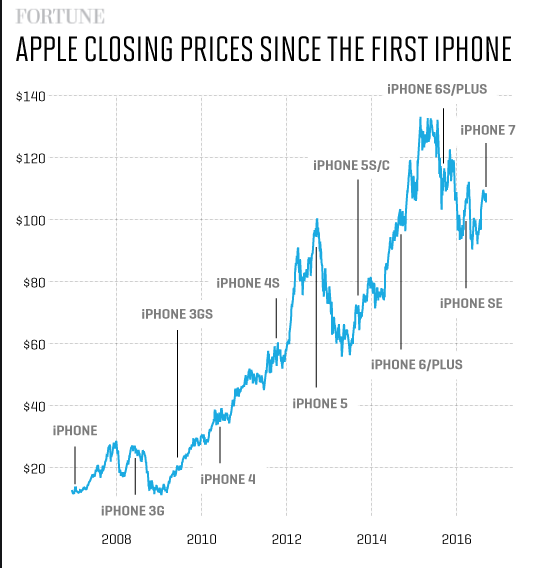
Apple has been a consistent payer of dividends to its shareholders. While not a massive dividend stock compared to some mature industries, the quarterly payments provide a tangible return on investment, particularly for long-term holders. These dividends can be taken as cash or reinvested to buy more shares, further compounding returns. Beyond dividends, the primary “return” or “value” from owning Apple stock comes from capital appreciation—the increase in the share price over time. An investor who bought Apple shares years ago would have seen their investment multiply many times over, demonstrating the power of holding a fundamentally strong company for the long haul. The true “cost” then, is not just the initial monetary outlay, but the opportunity cost of what else that money could have been used for, weighed against the potential for significant long-term wealth creation.
In conclusion, “how much does a share of Apple stock cost” is a starting point for a fascinating journey into the world of investing. The answer is never static, always dynamic, and deeply intertwined with global economics, corporate performance, and investor psychology. For those looking to invest, the focus should shift from a momentary price to understanding Apple’s robust business, its valuation metrics, and how its stock fits into a well-thought-out, long-term financial strategy.
aViewFromTheCave is a participant in the Amazon Services LLC Associates Program, an affiliate advertising program designed to provide a means for sites to earn advertising fees by advertising and linking to Amazon.com. Amazon, the Amazon logo, AmazonSupply, and the AmazonSupply logo are trademarks of Amazon.com, Inc. or its affiliates. As an Amazon Associate we earn affiliate commissions from qualifying purchases.