
For anyone navigating the complex world of personal finance and investing, knowing the stock ticker for a particular company is fundamental. It’s the unique identifier, a sort of financial shorthand, that allows investors, traders, and financial news outlets to quickly pinpoint and track a company’s shares on a stock exchange. When it comes to one of the world’s most valuable and influential companies, Apple Inc., this identifier is highly sought after. So, to answer directly: the ticker for Apple Inc. is AAPL.
Understanding what AAPL signifies, beyond just a sequence of letters, opens the door to comprehending how Apple operates within the broader financial ecosystem. It’s the gateway to accessing real-time stock prices, historical data, financial reports, and a wealth of information crucial for informed investment decisions. This article will delve into the significance of AAPL, explore the journey of investing in Apple, and discuss its broader impact on financial markets, all from the perspective of an investor.
Decoding the Apple Ticker: AAPL
The four letters, AAPL, represent more than just Apple’s stock code; they are a symbol of innovation, market dominance, and a pivotal player in the global economy. For millions of investors worldwide, AAPL is a familiar sight on brokerage screens and financial news feeds, signifying a potential investment opportunity or a key market mover.
The Significance of a Stock Ticker
A stock ticker, or ticker symbol, is a short, alphanumeric code used to uniquely identify publicly traded shares of a particular stock on a stock market. Its primary purpose is to simplify the tracking and trading of securities, making it quick and unambiguous to refer to a specific company’s shares amidst the thousands listed on exchanges globally.
Tickers are essential for several reasons:
-
Unique Identification: Each ticker is unique to a company’s common stock (or other securities) on a given exchange, preventing confusion between similarly named companies.
-
Brevity and Efficiency: In the fast-paced world of trading, brevity is key. Tickers allow for rapid data transmission and display on financial news tickers (hence the name), trading platforms, and charts.
-
Market Transparency: They serve as the direct link to a company’s performance, allowing investors to pull up real-time quotes, track price movements, and analyze trading volumes instantly.
-
Historical Tracking: Tickers are used in financial databases to organize and retrieve historical stock data, enabling long-term analysis of a company’s performance.
While some tickers are intuitive (like F for Ford or GM for General Motors), others might seem less obvious. AAPL is relatively straightforward, closely matching the company’s name, making it highly recognizable.
Apple’s Journey to the NASDAQ: Choosing AAPL
Apple Inc. went public on December 12, 1980, with shares trading on the NASDAQ stock market. At the time, the offering was a monumental success, creating instant millionaires among its early employees and investors. The choice of AAPL as its ticker symbol was likely a pragmatic one, directly abbreviating its corporate name. Many companies opt for tickers that are either direct abbreviations, initials, or playful takes on their brand name. In Apple’s case, the simplicity and directness of AAPL have served it well, becoming synonymous with the tech giant’s financial identity.
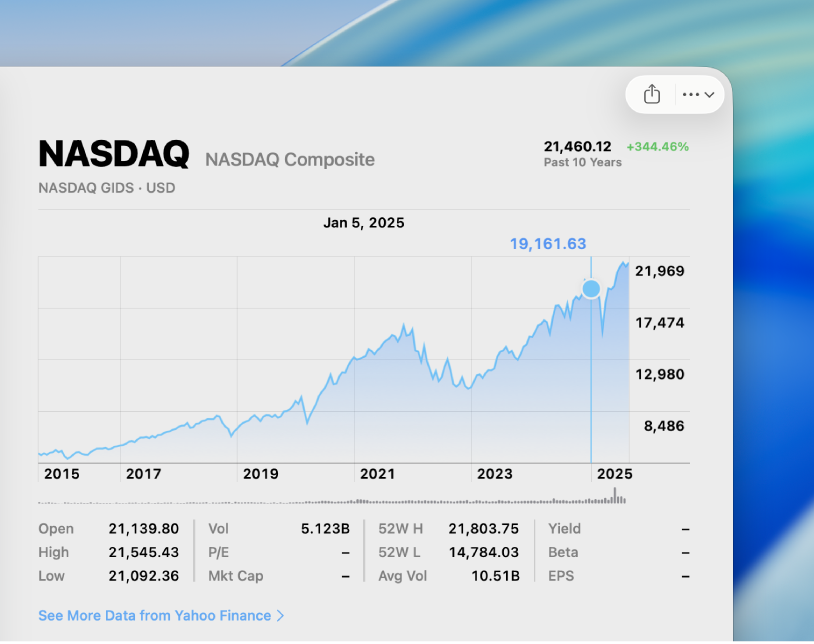
The NASDAQ exchange, known for listing many technology and growth companies, has been Apple’s home throughout its public life. The continuous presence and growth of Apple under the AAPL ticker have contributed significantly to NASDAQ’s reputation as a hub for innovative companies, and Apple’s performance often heavily influences the overall sentiment and direction of the tech-heavy index.
Investing in Apple: More Than Just a Ticker
Understanding the ticker is merely the first step. For investors, AAPL represents a stake in a company that has redefined multiple industries and continues to be a global economic powerhouse. A deeper dive into Apple’s business model and financial health is crucial for any potential investment.
Understanding Apple’s Market Dominance and Financial Health
Apple’s consistent ability to innovate, coupled with its robust ecosystem and strong brand loyalty, has cemented its position as one of the most valuable companies in the world. Its business model is multifaceted, encompassing:
-
Products: Iconic hardware like the iPhone, Mac, iPad, Apple Watch, and AirPods continue to drive significant revenue. These products are known for their premium design, user-friendly interface, and integration within the Apple ecosystem.
-
Services: A rapidly growing segment, including the App Store, Apple Music, iCloud, Apple TV+, Apple Pay, and Apple Arcade, provides recurring revenue streams and deepens customer engagement. This segment has been a key focus for growth and margin expansion.
-
Accessories & Wearables: Beyond its core devices, Apple’s accessories and wearables division (e.g., AirPods, Apple Watch) has become a substantial business in its own right, further expanding its market reach.
From a financial health perspective, Apple is often regarded as a “blue-chip” stock – a stock of a large, well-established, and financially sound company with a long history of stable earnings and dividends. Key financial indicators that investors closely monitor for AAPL include:
-
Revenue Growth: Apple consistently generates massive revenues, often setting new records.
-
Profitability: The company boasts strong profit margins, reflecting its premium pricing strategy and efficient operations.
-
Cash Flow: Apple generates substantial free cash flow, providing flexibility for investments, share buybacks, and dividends.
-
Balance Sheet: It typically maintains a robust balance sheet with significant cash reserves.
-
Market Capitalization: Apple frequently holds the top spot as the world’s most valuable public company by market cap, reflecting investor confidence and its vast enterprise value.
These factors combine to make AAPL an attractive proposition for both growth and value investors, though past performance is never an indicator of future results.
Factors Influencing AAPL Stock Performance
Like any publicly traded stock, AAPL’s price is subject to a multitude of internal and external factors. Understanding these influences is vital for anticipating market movements and making informed decisions.
-
Product Launches and Innovation Cycles: Apple’s new product announcements, particularly for the iPhone, often lead to significant short-term stock volatility. Investor sentiment is heavily influenced by anticipated sales, design innovations, and competitive positioning.
-
Global Economic Conditions: As a global company, Apple’s sales are sensitive to global economic health, consumer spending power, and currency fluctuations. Economic slowdowns or recessions can impact demand for its premium products.
-
Competition: While dominant, Apple faces fierce competition from tech giants like Samsung, Google, and Microsoft across its product and service categories. Competitive pressures can impact market share and pricing power.
-
Regulatory Environment: Government regulations related to antitrust, data privacy, and app store policies can significantly impact Apple’s business model, particularly its services segment.
-
Supply Chain Resilience: Apple’s vast global supply chain, heavily reliant on manufacturing in Asia, can be vulnerable to disruptions (e.g., pandemics, geopolitical tensions), affecting production and product availability.
-
Analyst Ratings and Investor Sentiment: Financial analysts’ upgrades or downgrades, along with broader market sentiment towards the tech sector, can influence AAPL’s short-term price movements.
A comprehensive understanding of these drivers allows investors to develop a more nuanced perspective on AAPL beyond just its daily price fluctuations.

Navigating the Investment Landscape Around AAPL
For those considering adding Apple to their investment portfolio, knowing where to find reliable information and the various avenues for investment is paramount.
Where to Find AAPL Information
Access to accurate and timely information is the cornerstone of intelligent investing. Investors can find detailed information about AAPL through several reputable sources:
-
Brokerage Platforms: Most online brokerage accounts provide real-time stock quotes, historical data, charting tools, and often integrated news feeds and analyst reports for AAPL.
-
Financial News Websites: Major financial news outlets (e.g., Bloomberg, Wall Street Journal, Reuters, CNBC, Yahoo Finance) offer extensive coverage of Apple, including breaking news, earnings reports, market analysis, and expert opinions.
-
Apple Investor Relations Website: Apple Inc. itself maintains a dedicated investor relations section on its corporate website. This is the official source for all regulatory filings (10-K, 10-Q), earnings call transcripts, press releases, and corporate governance information.
-
SEC Filings: The U.S. Securities and Exchange Commission (SEC) EDGAR database provides public access to all financial reports and disclosures filed by Apple, offering a deep dive into the company’s financials and operations.
Relying on a diverse range of credible sources helps in forming a well-rounded view of the company.
Different Ways to Invest in AAPL
There are several pathways for investors to gain exposure to Apple’s stock, catering to different investment goals and risk appetites:
-
Direct Stock Purchase: The most straightforward method is to buy individual shares of AAPL through a brokerage account. This gives direct ownership of Apple stock.
-
Exchange-Traded Funds (ETFs) and Mutual Funds: Many ETFs and mutual funds hold AAPL as part of their portfolio, particularly those focused on large-cap growth, technology, or S&P 500 index funds. Investing in these funds offers diversification while still gaining exposure to Apple.
-
Options Trading: For more experienced investors, options contracts (calls and puts) on AAPL offer leverage and can be used for speculation or hedging. However, options trading carries higher risks and is not recommended for beginners.
-
Fractional Shares: Many brokers now offer fractional shares, allowing investors to buy a portion of an AAPL share with a smaller amount of capital, making it more accessible to those with limited funds.
The choice of investment method should align with an individual’s financial strategy, risk tolerance, and investment horizon.
Considerations Before Investing
Before committing capital to AAPL or any stock, diligent research and a clear understanding of personal financial goals are essential:
-
Due Diligence and Research: Never invest based solely on hype or a company’s popularity. Thoroughly research Apple’s financials, competitive landscape, future prospects, and management team.
-
Risk Tolerance: Assess your comfort level with potential losses. While Apple is considered a relatively stable company, all stock market investments carry inherent risks.
-
Investment Goals: Define what you hope to achieve (e.g., long-term growth, income from dividends, short-term gains). Apple pays a modest dividend, which can be attractive to income-focused investors.
-
Diversification: Avoid putting all your investment capital into a single stock, no matter how strong the company. Diversifying across different companies, industries, and asset classes helps mitigate risk.
-
Long-term vs. Short-term Perspective: Decide if you’re looking to hold AAPL for years (long-term investing) or attempt to profit from short-term price fluctuations (trading). Different strategies apply to each.
Investing in Apple should be part of a broader, well-thought-out financial plan.
The Broader Impact of Apple on the Financial Markets
Apple’s immense size and influence extend far beyond its individual stock price; it acts as a significant force shaping broader market trends and economic indicators.
Apple’s Weight in Major Indices
As one of the largest companies by market capitalization globally, Apple holds a substantial weighting in several key stock market indices:
-
S&P 500 Index: AAPL is a major component of the S&P 500, a broad market index that tracks the performance of 500 large U.S. companies. Its movements significantly impact the overall performance of the S&P 500, which is often used as a benchmark for the health of the U.S. economy.
-
NASDAQ 100 Index: Comprising the 100 largest non-financial companies listed on the NASDAQ exchange, the NASDAQ 100 is heavily weighted towards technology stocks. Apple’s performance is a critical driver for this index, influencing the perception of the tech sector’s health.
-
Impact on the Dow Jones Industrial Average (DJIA): While Apple is not directly part of the DJIA (which is price-weighted), its sheer size and influence on other index components indirectly affect broader market sentiment that can reflect on the DJIA’s movements.
Given its considerable weight, a significant rise or fall in AAPL can move entire indices, affecting the portfolios of millions of investors worldwide, even those who do not directly own Apple stock but are invested in index funds.
Apple as an Economic Barometer
Due to its global reach and diverse product portfolio, Apple can also serve as an informal barometer for various economic trends:
-
Consumer Spending Trends: Apple’s sales figures, particularly for iPhones and Macs, can provide insights into global consumer spending confidence and discretionary income levels. Strong sales might indicate a healthy consumer environment, while weaker sales could signal caution.
-
Global Supply Chain Health: As a company with a complex and extensive global supply chain, Apple’s operational reports and comments on manufacturing can offer clues about the health and resilience of international production networks, raw material costs, and logistical challenges.
-
Innovation and Tech Sector Performance: Apple’s ongoing investment in research and development, its ability to bring innovative products to market, and its performance against competitors are often seen as indicators of the broader health and direction of the technology sector as a whole. Its performance can set trends for other tech companies.
Thus, tracking AAPL is not just about a single company’s stock; it’s about observing a critical pulse point in the global economy.
In conclusion, “AAPL” is the simple yet powerful ticker symbol that identifies Apple Inc. on stock exchanges. For anyone interested in the financial markets, whether as a seasoned investor or a curious beginner, understanding this ticker is the key to unlocking a wealth of information about one of the world’s most iconic and impactful companies. Investing in Apple, or any company, requires diligence, a clear strategy, and an appreciation for the myriad factors that influence its financial performance and market standing. By focusing on fundamental analysis, understanding market dynamics, and aligning investments with personal financial goals, individuals can navigate the opportunities and challenges presented by investing in a company like Apple.
aViewFromTheCave is a participant in the Amazon Services LLC Associates Program, an affiliate advertising program designed to provide a means for sites to earn advertising fees by advertising and linking to Amazon.com. Amazon, the Amazon logo, AmazonSupply, and the AmazonSupply logo are trademarks of Amazon.com, Inc. or its affiliates. As an Amazon Associate we earn affiliate commissions from qualifying purchases.