
Choosing the “best” credit card is a highly personal decision, heavily influenced by individual financial habits, goals, and credit standing. When it comes to Navy Federal Credit Union, a financial institution renowned for serving military members, veterans, and their families, the array of credit card offerings is designed to cater to a diverse membership base. Unlike traditional banks, Navy Federal operates as a not-for-profit credit union, often translating to more competitive rates, lower fees, and a member-centric approach. However, with multiple options ranging from robust rewards programs to low APR cards and tools for building credit, discerning which card truly stands out requires a thorough understanding of what each offers and how it aligns with your personal financial strategy.
This comprehensive guide aims to demystify Navy Federal’s credit card portfolio, providing a framework for identifying the optimal card for your specific circumstances. We will delve into the various types of cards available, dissect their key features, and offer insights into how different financial profiles can best leverage these products. By the end, you should be equipped to make an informed decision that not only meets your immediate needs but also supports your long-term financial well-being.
Understanding Your Financial Profile: The Foundation of Card Selection
Before diving into the specifics of Navy Federal’s offerings, the most crucial step is to objectively assess your own financial situation and spending habits. Without this foundational understanding, even the most feature-rich card might prove to be a poor fit. Your definition of “best” must be rooted in how a card interacts with your finances.
Analyzing Your Spending Habits
The way you spend money directly impacts which credit card will provide the most value. Are you a frequent traveler, or do you primarily use your card for everyday expenses like groceries and gas? Do you often make large purchases, or is your spending more consistent and moderate?
-
Everyday Spenders: If your primary use is for daily necessities, a card offering strong cash back rewards on common categories like groceries, gas, or dining might be ideal. These rewards accumulate steadily over time without requiring significant lifestyle changes.
-
Travel Enthusiasts: For those who frequently fly, stay in hotels, or rent cars, a travel rewards card with bonus points on travel-related spending, travel insurance benefits, or even airport lounge access could be far more beneficial. Points transferable to airline or hotel partners can significantly reduce travel costs.
-
Large Purchase Planners: If you anticipate a major expense and need time to pay it off, a card with a lengthy 0% introductory APR offer on purchases could save you hundreds in interest, provided you can pay off the balance before the promotional period ends.
Defining Your Financial Goals
Beyond spending, your broader financial goals play a significant role. Are you focused on minimizing interest payments, maximizing rewards, or actively working to improve your credit score?
-
Debt Reduction/Consolidation: If you carry a balance on existing credit cards, a low APR card or one offering a competitive balance transfer promotion could be your priority. Transferring high-interest debt to a card with a lower rate can accelerate your repayment process and save substantial money on interest charges.
-
Maximizing Rewards: For those who pay off their balance in full each month and want to be rewarded for their spending, a robust rewards program – whether cash back, points, or miles – will be key. The goal here is to get tangible value back from every dollar spent.
-
Building or Rebuilding Credit: If you’re new to credit or have faced past financial challenges, your primary goal will be to establish a positive credit history. Secured credit cards or entry-level unsecured cards are specifically designed for this purpose, emphasizing responsible usage over lavish rewards.
Considering Your Credit Score
Your credit score is a critical determinant of which cards you qualify for. Navy Federal, like other lenders, assesses your creditworthiness to mitigate risk.
-
Excellent/Good Credit: With a strong credit score (typically FICO 700+), you’ll have access to the full spectrum of Navy Federal’s premium rewards cards, low APR options, and cards with attractive sign-up bonuses.
-
Fair/Average Credit: For those with a moderate credit score (typically FICO 600-699), options might be more limited to cards designed for building credit or those with less generous rewards but still competitive terms.
-
Limited/Poor Credit: If you have little to no credit history or a poor credit score, a secured credit card is often the best starting point. These cards require a security deposit, which typically becomes your credit limit, effectively guaranteeing the credit line for the issuer while allowing you to demonstrate responsible financial behavior.
A Deep Dive into Navy Federal’s Top Credit Card Categories
Navy Federal offers a well-rounded suite of credit cards, each tailored to different financial needs and preferences. Let’s explore some of their prominent offerings across key categories.
Rewards Cards: Maximizing Your Spending
Navy Federal’s rewards cards are designed for members who pay their balances in full each month and want to earn something back from their purchases.
-
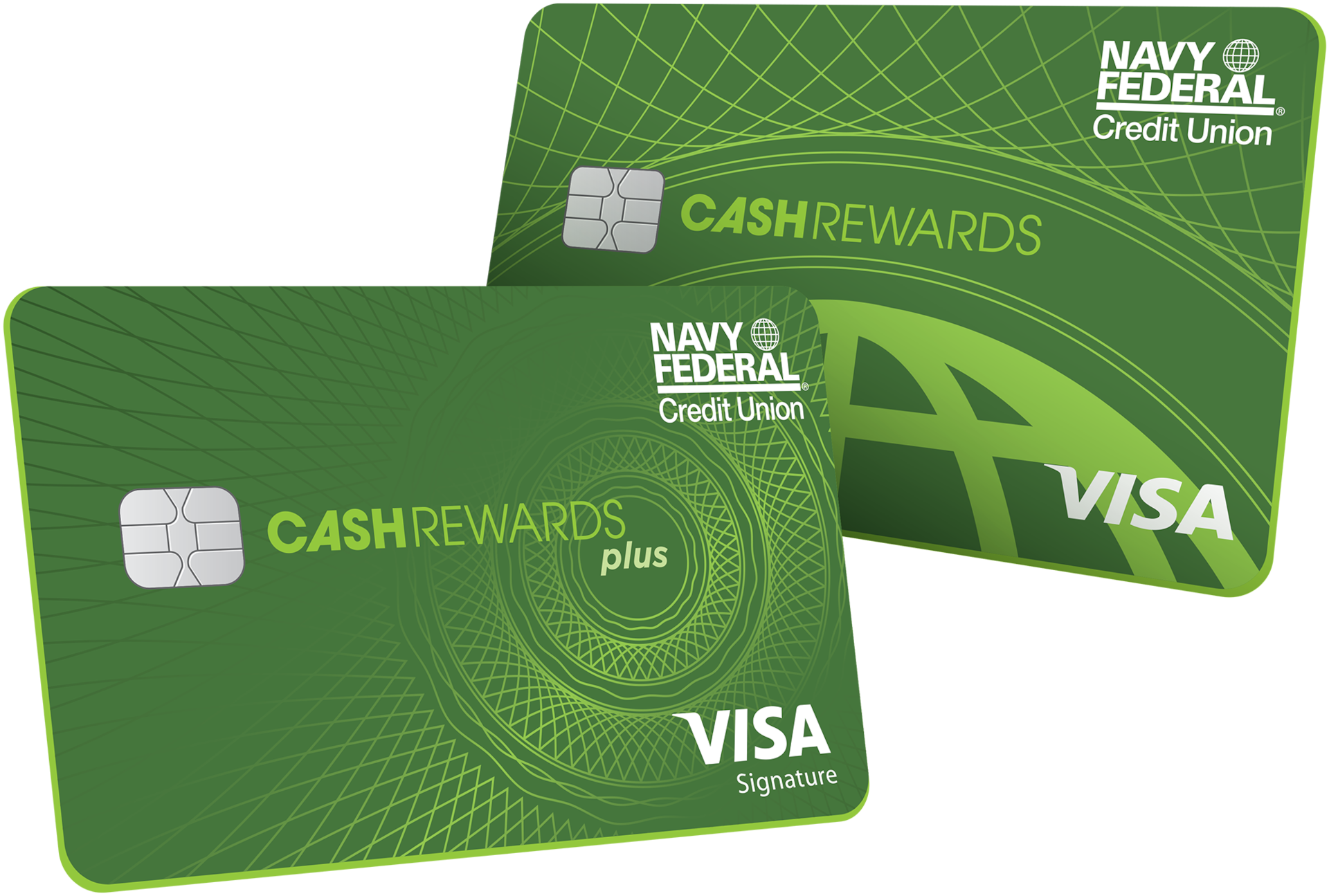
Navy Federal Cash Rewards Credit Card: This card is a popular choice for everyday spending, offering a straightforward cash back rate on all purchases. It’s ideal for those who prefer simplicity and tangible rewards they can apply directly to their balance or deposit into a savings account. The consistent earning rate makes it a reliable option without complex rotating categories or redemption schemes.
-
Navy Federal More Rewards American Express® Card: For those who spend significantly on specific categories, the More Rewards card can be highly lucrative. It often provides accelerated earning rates on common expenditures like gas, groceries, and dining. If your spending aligns with these bonus categories, this card can generate substantial rewards more quickly than a flat-rate card. The American Express network also offers various cardholder benefits and protections.
-
Navy Federal Flagship Rewards Credit Card: Positioned as Navy Federal’s premium travel card, the Flagship Rewards card is geared towards frequent travelers and those seeking elevated benefits. It typically offers bonus points on all purchases, with even higher multipliers on travel-related spending. Beyond points, it often comes with perks such as an annual statement credit for travel purchases, TSA PreCheck/Global Entry application fee reimbursement, and comprehensive travel insurance. This card is best for members who travel regularly and can justify a potential annual fee with the value of its rewards and benefits.
Low APR & Balance Transfer Cards: Minimizing Interest Costs
For members focused on debt management or planning a large purchase, cards designed to keep interest costs low are paramount.
- Navy Federal Platinum Credit Card: The Platinum card is Navy Federal’s flagship low APR offering. It’s specifically designed for members who anticipate carrying a balance, whether occasionally or for an extended period. It typically boasts a very competitive standard APR and often features an introductory 0% APR period on balance transfers. This makes it an excellent tool for consolidating high-interest debt from other cards or financing a significant purchase without incurring immediate interest charges. The absence of an annual fee further enhances its appeal for cost-conscious users. However, it’s important to note that rewards are not typically a feature of this card, as its primary purpose is interest savings.
Secured & Building Credit Cards: Your Path to Financial Freedom
For those new to credit or looking to rebuild their credit history, Navy Federal provides a secure pathway.
- Navy Federal nRewards® Secured Credit Card: This card is an invaluable tool for credit building. It requires a security deposit, which typically determines your credit limit. By using the card responsibly – making on-time payments and keeping utilization low – members can demonstrate creditworthiness. Navy Federal is known for periodically reviewing nRewards accounts for eligibility to “graduate” to an unsecured card, returning the deposit and offering greater flexibility. This card provides a structured way to establish a positive payment history, a critical component of a strong credit score.
Key Features to Compare Across Navy Federal Cards
Once you’ve identified your financial profile and understood the general categories, a side-by-side comparison of specific features becomes crucial.
Annual Percentage Rate (APR)
The APR is the interest rate you’ll pay on balances carried over from month to month.
-
Purchase APR: The rate applied to new purchases if you don’t pay your statement balance in full by the due date.
-
Balance Transfer APR: The rate applied to balances transferred from other credit cards. Look for introductory 0% APR offers here.
-
Cash Advance APR: Generally the highest APR, applied to cash advances. Avoid cash advances unless absolutely necessary due to high fees and immediate interest accrual.
Navy Federal is known for offering competitive APRs, often lower than many commercial banks, particularly on their Platinum card.
Annual Fees
Some credit cards charge an annual fee, typically for cards with premium benefits or higher rewards rates.

-
Many Navy Federal cards, especially their everyday rewards and low APR options, come with no annual fee.
-
Premium cards like the Flagship Rewards might have an annual fee, but the value of their rewards and benefits (e.g., travel credits, TSA PreCheck reimbursement) can often offset this cost if utilized effectively. Always calculate if the value you receive outweighs the fee.
Rewards Programs and Redemption Value
Understanding how rewards are earned and redeemed is vital for maximizing their value.
-
Cash Back: Simple and flexible, often a flat percentage on all purchases or higher percentages on specific categories. Redemption is usually a statement credit or direct deposit.
-
Points: Can be more complex. Evaluate the value of points when redeemed for different options (e.g., travel, merchandise, gift cards, statement credit). Travel redemption often provides the highest value.
-
Miles: Often tied to specific airline programs or general travel credits. Ensure the redemption process is straightforward and the value per mile is competitive.
Pay attention to any caps on earning rewards, expiration policies, or minimum redemption thresholds.
Sign-Up Bonuses
Many cards offer a one-time bonus for new cardholders who meet a specific spending threshold within an initial period (e.g., “Spend $1,500 in the first 90 days and get 20,000 bonus points”).
- These bonuses can significantly boost your initial rewards earnings but should not be the sole factor in your decision. Ensure you can comfortably meet the spending requirement without overspending, and that the card’s long-term features align with your needs.
Balance Transfer Offers
If you plan to consolidate debt, a card’s balance transfer offer is critical.
-
Look for a 0% introductory APR on balance transfers for a substantial period (e.g., 12-18 months).
-
Be aware of balance transfer fees (typically 3-5% of the transferred amount). Factor this fee into your cost savings analysis.
-
Ensure you have a solid plan to pay off the transferred balance before the promotional period ends to avoid high interest rates.
Foreign Transaction Fees
For international travelers, foreign transaction fees can add up quickly.
- Many Navy Federal credit cards, especially their rewards and travel-focused options, come with no foreign transaction fees. This is a significant perk for military members and their families who often travel or are stationed abroad, saving them 2-3% on every international purchase.
Real-World Scenarios: Matching Cards to Lifestyles
Let’s illustrate how different Navy Federal cards might be the “best” choice for various member profiles.
The Everyday Spender and Cash Back Enthusiast
Scenario: A member who uses their card for most daily purchases – groceries, gas, utilities – and pays off their balance in full monthly. They value simplicity and direct cash returns.
Best Choice: The Navy Federal Cash Rewards Credit Card or the Navy Federal More Rewards American Express® Card.
-
Cash Rewards offers a solid flat rate back on all purchases, making it easy to earn.
-
More Rewards could be superior if a significant portion of their spending falls into the bonus categories (e.g., a large family with high grocery bills).
The Frequent Traveler
Scenario: A member who travels multiple times a year, both domestically and internationally, values travel perks, and wants to maximize rewards for future trips.
Best Choice: The Navy Federal Flagship Rewards Credit Card.
- Its accelerated earning rate on travel and all purchases, coupled with valuable benefits like travel credits, TSA PreCheck/Global Entry reimbursement, and no foreign transaction fees, makes it ideal for reducing travel costs and enhancing the travel experience.
The Debt Consolidator or Big Purchase Planner
Scenario: A member with existing high-interest credit card debt they want to consolidate and pay off, or someone planning a large expense that they will need several months to pay down without interest.
Best Choice: The Navy Federal Platinum Credit Card.
- Its typically low ongoing APR and competitive introductory 0% APR offer on balance transfers (often for purchases too) provide a powerful tool for interest savings. The lack of an annual fee further reduces costs.
The Credit Builder
Scenario: A service member or family member new to credit, or someone looking to rebuild their credit score after past difficulties. Their primary goal is to establish a positive credit history.
Best Choice: The Navy Federal nRewards® Secured Credit Card.
- By requiring a security deposit, it allows individuals to demonstrate responsible credit usage without significant risk to the credit union. Consistent on-time payments and low utilization pave the way for graduating to an unsecured card and improving their credit score.
The Prudent Spender Avoiding Interest
Scenario: A member who occasionally carries a small balance or makes an unexpected larger purchase but primarily aims to keep borrowing costs as low as possible, even if it means foregoing rewards.
Best Choice: The Navy Federal Platinum Credit Card.
- Even without a balance transfer, its consistently low standard APR makes it a cost-effective choice for those times when a balance might accrue, minimizing the financial impact of interest charges.
Maximizing Your Navy Federal Credit Card Benefits
Once you’ve selected your “best” card, understanding how to use it responsibly and effectively is key to long-term financial success.
Utilizing Member Perks
Navy Federal often extends additional benefits to its members beyond standard credit card features. These can include:
-
Financial Counseling: Access to resources for budgeting, debt management, and financial planning.
-
Exclusive Discounts: Member-only discounts on various products and services.
-
Excellent Customer Service: Often rated highly for its personalized support, which can be invaluable when you need assistance with your card or account.
Make sure to explore the full range of benefits associated with your membership, not just your specific card.
Responsible Credit Management
Regardless of which card you choose, the principles of responsible credit management remain universal:
-
Pay On Time, Every Time: Payment history is the most significant factor in your credit score. Set up automatic payments to avoid missing due dates.
-
Keep Utilization Low: Aim to keep your credit utilization ratio (the amount of credit you’re using compared to your total available credit) below 30%, and ideally even lower (under 10%). This shows lenders you’re not overly reliant on credit.
-
Review Statements Regularly: Check your monthly statements for accuracy and to track your spending. Report any suspicious activity immediately.
-
Understand Your Card’s Terms: Be aware of your APR, fees, and how your rewards program works to avoid surprises.

Conclusion
The question “Which Navy Federal credit card is best?” ultimately has no single answer because “best” is a reflection of your unique financial landscape. For the everyday spender, a cash back card might be paramount. For the globe-trotter, a travel rewards card with premium benefits will likely win out. For someone tackling debt, a low APR or balance transfer card is an invaluable ally, while a credit builder will find their best option in a secured card.
By diligently assessing your spending habits, clarifying your financial goals, and understanding your credit profile, you can navigate Navy Federal’s robust offerings with confidence. Compare the APRs, annual fees, rewards structures, and additional benefits of each card against your personal criteria. With careful consideration and responsible usage, your chosen Navy Federal credit card will not just be a payment tool but a powerful instrument for achieving your financial aspirations.
aViewFromTheCave is a participant in the Amazon Services LLC Associates Program, an affiliate advertising program designed to provide a means for sites to earn advertising fees by advertising and linking to Amazon.com. Amazon, the Amazon logo, AmazonSupply, and the AmazonSupply logo are trademarks of Amazon.com, Inc. or its affiliates. As an Amazon Associate we earn affiliate commissions from qualifying purchases.