
In an increasingly digital and interconnected world, managing personal finances effectively is more crucial than ever. For many, a prepaid card offers a powerful tool for budgeting, controlling spending, and participating in the digital economy without the commitments of traditional bank accounts or credit lines. Whether you’re seeking to rein in your budget, protect your primary bank account from online threats, or simply need a convenient way to pay, understanding where and how to obtain a prepaid card is the first step towards unlocking its financial benefits.
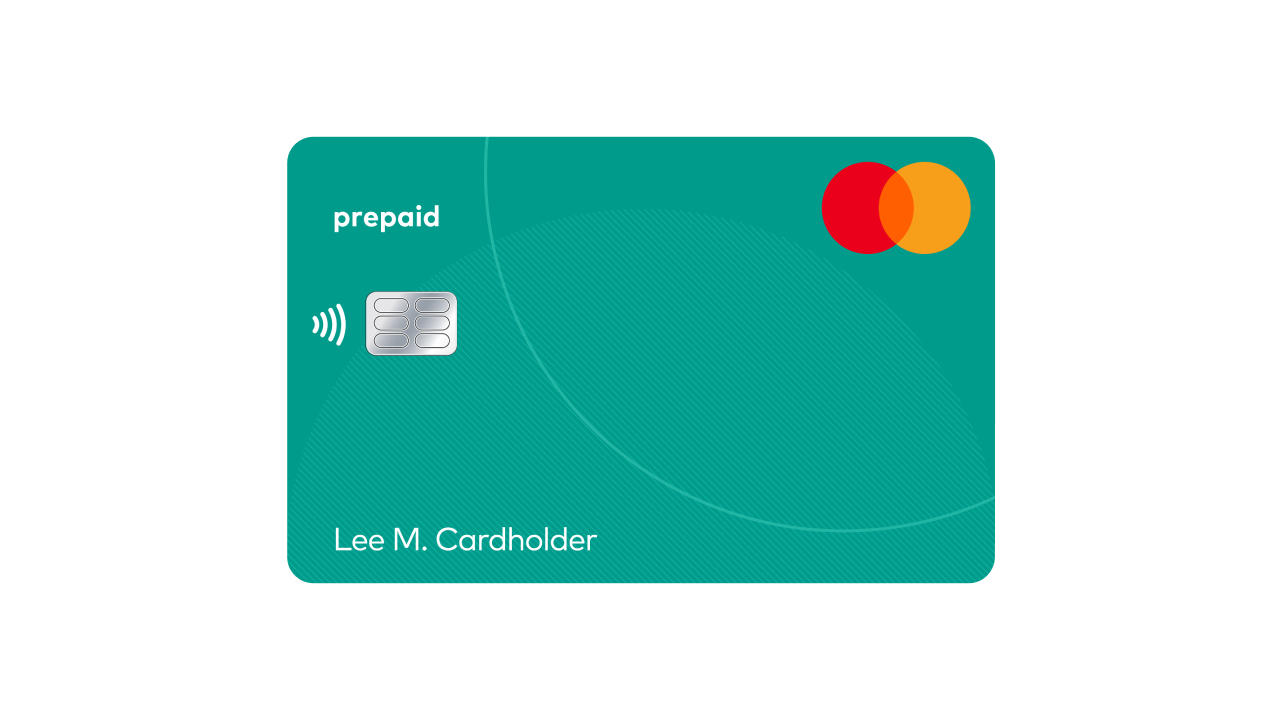
This guide will demystify the process, exploring the different types of prepaid cards, their ideal use cases, and, most importantly, the various avenues available for acquiring one. We’ll delve into the advantages, potential pitfalls, and key considerations to ensure you make an informed choice that aligns perfectly with your financial goals within the vast landscape of personal finance tools.
Understanding the Landscape of Prepaid Cards
Before embarking on your search for a prepaid card, it’s essential to grasp what they are, who they serve best, and the different forms they take. This foundational knowledge will empower you to select the right card for your specific financial needs.
What Exactly is a Prepaid Card?
At its core, a prepaid card is a payment card that allows you to spend only the money you have pre-loaded onto it. Unlike a credit card, it doesn’t offer a line of credit, meaning you can’t go into debt. Unlike a traditional debit card, it’s not directly linked to a bank account, providing a layer of separation and often requiring no credit check for approval. You “prepay” funds onto the card, and then use it like any standard debit or credit card wherever its network (Visa, Mastercard, Discover, American Express) is accepted—both online and in physical stores. The balance decreases with each purchase, and once the funds are depleted, you can typically reload it with more money or discard it.
The primary appeal lies in its simplicity and control. There are no interest charges, no overdraft fees (as you can’t overspend), and it offers a clear, finite budget for your expenditures. For those looking to manage spending aggressively or avoid the complexities of traditional banking, a prepaid card represents a straightforward and accessible financial instrument.
Who Benefits Most from Prepaid Cards?
Prepaid cards cater to a diverse range of individuals and scenarios, offering tailored financial solutions.
-
Budget-Conscious Individuals: Those committed to strict budgeting find prepaid cards invaluable. By loading only a specific amount for categories like groceries or entertainment, users can prevent overspending and stick to their financial plans.
-
The Unbanked and Underbanked: For individuals without traditional bank accounts, prepaid cards provide a vital entry point into the mainstream financial system. They enable electronic payments, online shopping, and direct deposit of paychecks, offering a safer and more convenient alternative to cash.
-
Teens and Students: Parents can use prepaid cards to give their children an allowance or spending money, teaching financial responsibility in a controlled environment. Students can manage their daily expenses without the risk of accumulating debt.
-
Travelers: Prepaid travel cards allow users to load foreign currency or lock in exchange rates, making international spending safer and often more cost-effective than carrying large amounts of cash or using traditional debit/credit cards with high foreign transaction fees.
-
Online Shoppers Concerned About Security: Using a prepaid card for online purchases isolates funds, minimizing the risk to your primary bank account should the card details be compromised. You only lose what’s on the prepaid card, not your entire savings.
-
Gift Givers: Prepaid gift cards offer a flexible alternative to specific store gift cards, allowing recipients to choose what they want from a wider range of merchants.
Types of Prepaid Cards Available
While the fundamental mechanism remains the same, prepaid cards come in several forms, each designed for a specific purpose:
-
General Purpose Reloadable (GPR) Cards: These are the most common type, branded by major payment networks like Visa or Mastercard. They function much like a debit card, can be reloaded multiple times, and often come with features like online account management and mobile apps. Examples include Green Dot, Netspend, and countless others.
-
Prepaid Gift Cards: These are typically non-reloadable and designed for one-time use until the balance is exhausted. They’re popular for gifts as they offer flexibility to the recipient.
-
Prepaid Travel Cards: Specifically designed for international use, these cards often allow loading in various currencies, offer competitive exchange rates, and may come with enhanced fraud protection for travelers.
-
Payroll Cards: Employers may issue these cards to employees as an alternative to direct deposit or paper checks, especially for those without bank accounts. Wages are loaded directly onto the card.
Navigating the Options: Where to Purchase Your Prepaid Card
The accessibility of prepaid cards is one of their greatest strengths. They are widely available through various channels, catering to different preferences and needs. Knowing where to look will simplify your acquisition process.
Online Platforms and Websites
For convenience and often a broader selection, online channels are a prime destination for prepaid cards.
-
Direct from Card Issuers: Many prominent prepaid card brands, such as Green Dot, Netspend, PayPal Prepaid Mastercard, and Bluebird by American Express, allow you to apply for and order their cards directly from their official websites. This often provides the most comprehensive information about fees, features, and terms. You’ll typically receive the card in the mail within 7-10 business days after providing personal identification information (KYC requirements).
-
Financial Service Providers’ Websites: Websites dedicated to financial services or comparison sites might offer links or information on various prepaid card options. While you won’t purchase directly from them, they can guide you to the right issuer.
-
Mobile-First Solutions (Fintechs): While not strictly “prepaid” in the traditional sense, many modern fintech companies (like Chime, Cash App, or Revolut) offer debit cards linked to digital accounts that require you to pre-fund them. These provide similar spending control and often come with advanced budgeting tools and seamless mobile experiences, making them a popular choice for those comfortable with digital banking.
Brick-and-Mortar Retailers and Financial Stores
For those who prefer in-person transactions or immediate access to a card, physical locations offer a convenient solution.
-
Grocery Stores: Major grocery chains such as Walmart, Kroger, Safeway, Publix, and many regional supermarkets dedicate entire sections to prepaid cards. You can typically find a wide array of GPR cards, gift cards, and sometimes travel cards right off the shelf. Purchase usually involves loading an initial amount at the checkout counter.
-
Drugstores: Pharmacies like CVS, Walgreens, and Rite Aid are another common place to find a selection of prepaid cards. Their widespread locations make them easily accessible for many.
-
Convenience Stores: Stores like 7-Eleven, Circle K, and other local convenience shops often stock various prepaid cards, providing a quick option for immediate needs.
-
General Merchandise Stores: Beyond groceries, stores like Target and Dollar General also carry prepaid cards, often alongside other financial products.
-
Check Cashing and Money Transfer Services: Establishments like Western Union and MoneyGram locations frequently sell prepaid cards and offer services to load funds onto existing cards. These are particularly popular among the unbanked due to their extensive networks.
Banks and Credit Unions
While less common for generic “prepaid cards” in the GPR sense, traditional financial institutions do offer related products.
-
Secure Credit Cards: Some banks offer secured credit cards, which require an upfront deposit that acts as your credit limit. While they build credit (unlike prepaid cards), their mechanism of only allowing spending up to a pre-funded amount is similar.
-
Travel Cards: A few larger banks may issue their own branded prepaid travel cards, offering specific benefits for international spending.
-
Debit Cards: While not prepaid cards, traditional bank debit cards are linked to checking accounts and operate on a “spend what you have” principle. For those who can open a bank account, this is often the most cost-effective and feature-rich option.
Other Niche Providers
Depending on your specific needs, other avenues might emerge:
-
Employers: If your employer offers payroll cards, they will provide the necessary information and card upon hiring or request.
-
Travel Agencies: Some specialized travel agencies might offer branded prepaid travel cards as part of their travel packages.
Key Considerations Before Getting a Prepaid Card
While prepaid cards offer significant advantages, they are not without their complexities. A thorough understanding of their fee structures, reloading options, and features is paramount to choosing the right card and avoiding unexpected costs.
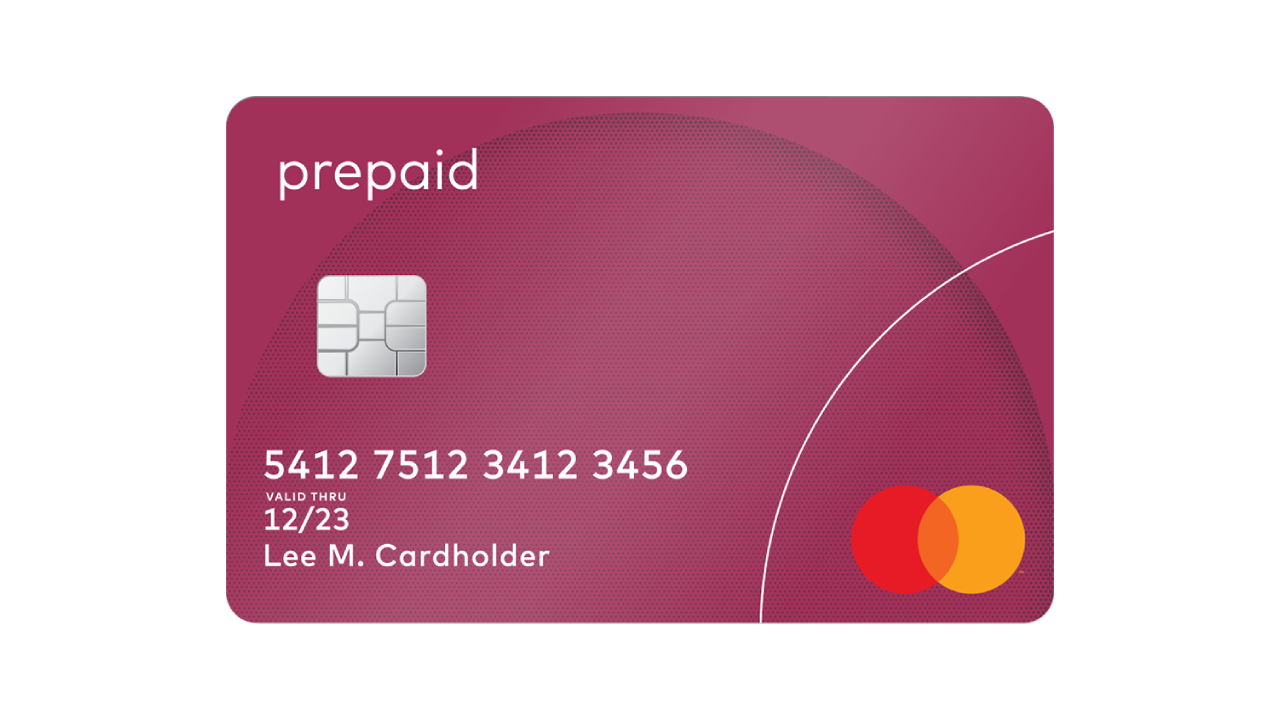
Fees and Charges: The Hidden Costs
One of the most critical aspects of prepaid cards is their fee structure, which can vary wildly between providers. Without careful attention, fees can quickly erode the value of your loaded funds.
-
Activation Fees: A one-time fee charged when you first purchase and activate the card, often ranging from $1 to $10.
-
Monthly Maintenance Fees: Many GPR cards charge a recurring monthly fee, typically between $3 and $10. Some waive this fee if you meet certain criteria, such as direct deposit minimums or a high number of transactions.
-
Transaction Fees:
-
ATM Withdrawal Fees: Expect charges from both the card issuer and the ATM owner, which can add up significantly. Some cards offer free withdrawals at specific ATM networks.
-
PIN Transaction Fees: Less common but some cards charge for transactions requiring a PIN.
-
Foreign Transaction Fees: If using the card internationally, a percentage of the transaction amount may be charged.
-
-
Reload Fees: Fees incurred each time you add money to the card, especially when reloading with cash through retail networks. Direct deposit is often free.
-
Inactivity Fees: Some cards impose a fee if the card is not used for a certain period (e.g., 90 days).
-
Balance Inquiry Fees: Fees for checking your balance at an ATM. Online or mobile app balance checks are typically free.
Always review the card’s terms and conditions document, often called the “cardholder agreement,” before purchasing. Look for transparent fee disclosures and compare different cards to find one with a fee structure that aligns with your usage patterns.
Reloading Options and Convenience
The ease and cost of adding funds to your prepaid card are vital for its practical utility.
-
Direct Deposit: This is often the most convenient and cost-effective method. You can typically set up direct deposit of your paycheck or government benefits directly onto the card, bypassing reload fees.
-
Cash Reload Networks: Services like Green Dot MoneyPak, VanillaDirect, and Visa ReadyLink allow you to add cash to your card at thousands of retail locations (grocery stores, drugstores, convenience stores). These usually involve a service fee.
-
Bank Transfers: Some prepaid cards allow you to link an external bank account for electronic transfers, though this may take a few business days to process.
-
Mobile Check Deposit: A few prepaid card providers offer the ability to deposit checks by taking a photo with your smartphone, similar to traditional banking apps.
-
Money Order/Wire Transfer: Less common, but some providers accept funds via money orders or wire transfers, often with associated fees.
Consider which reloading options are most accessible and affordable for you. If direct deposit isn’t an option, factor in cash reload fees when evaluating overall costs.
Features and Protections
Beyond basic spending, modern prepaid cards can offer a range of features and protections that enhance their value.
-
FDIC Insurance: While not always direct, many reputable prepaid cards are issued by partner banks that are FDIC-insured. This means your funds are protected up to $250,000 in the unlikely event the issuing bank fails. Always verify this protection.
-
Fraud Protection: Most major network (Visa, Mastercard) prepaid cards come with zero liability policies, protecting you from unauthorized purchases if your card is lost or stolen. Prompt reporting is usually required.
-
Online Account Management and Mobile Apps: These tools allow you to check your balance, review transactions, set up alerts, and sometimes even freeze your card, offering excellent control over your finances.
-
Bill Pay Services: Some prepaid cards offer a bill pay feature, allowing you to pay recurring bills directly from your card’s balance.
-
Credit Building (Rare): It’s important to note that standard prepaid cards generally do not help build your credit history, as they are not lines of credit. If credit building is a goal, a secured credit card is a better alternative.
KYC (Know Your Customer) Requirements
For reloadable prepaid cards, you will typically need to register the card with your personal information. This isn’t just for the issuer’s records; it’s a federal requirement under the USA Patriot Act to combat money laundering and terrorist financing.
-
Information Required: Expect to provide your full name, address, date of birth, and Social Security Number (or other government identification number).
-
Benefits of Registration: Registering your card usually provides enhanced fraud protection, the ability to recover funds if your card is lost or stolen, and access to more advanced features. Non-reloadable gift cards usually don’t require registration.
Maximizing the Benefits of Your Prepaid Card
Once you’ve acquired your prepaid card, understanding how to leverage its features effectively can significantly enhance your financial management and security.
Budgeting and Spending Control
This is arguably the most powerful advantage of a prepaid card. By loading a specific amount for a particular budget category, you create a hard spending limit.
-
Allocate Funds for Specific Needs: Dedicate one card for groceries, another for entertainment, or simply load your weekly allowance onto a single card. This physical separation of funds makes it harder to overspend.
-
Prevent Overdrafts: Since you can only spend what’s on the card, there’s no risk of overdraft fees or accumulating debt. This provides peace of mind and encourages disciplined spending.
-
Track Expenses Easily: Most prepaid card apps and online portals offer detailed transaction histories, making it simple to monitor where your money is going and adjust your budget as needed.
Online Shopping Security
In an era of frequent data breaches and online fraud, using a prepaid card for internet purchases adds a crucial layer of security.
-
Isolate Risk: Instead of using your primary debit or credit card, which is linked to your main bank account or credit line, use a prepaid card with a limited balance. If the prepaid card details are compromised, the potential damage is restricted to the funds loaded on that card.
-
Protect Your Primary Accounts: This separation prevents fraudsters from gaining access to your entire bank balance or maxing out your credit line.
-
Temporary Cards: Some digital prepaid card services offer virtual, single-use card numbers for enhanced online security, which expire after one transaction.
Financial Inclusion and Building Habits
For many, a prepaid card serves as an essential stepping stone towards greater financial stability and literacy.
-
Gateway for the Unbanked: Prepaid cards provide a vital alternative for individuals who cannot or choose not to open traditional bank accounts, offering access to electronic payments, direct deposit, and online transactions.
-
Learning Responsible Money Management: For young adults or those new to managing their own finances, a prepaid card offers a low-risk environment to learn about budgeting, tracking expenses, and making payments without the immediate threat of debt or high fees associated with credit cards.
-
Transition to Banking: Successful management of a prepaid card can build confidence and familiarity with financial tools, potentially leading users to explore traditional banking services when they are ready.
Travel and International Use
Prepaid travel cards offer specific benefits that can make international trips smoother and more secure.
-
Avoid High Foreign Transaction Fees: Many traditional debit and credit cards charge 1-3% for foreign transactions. Specialized prepaid travel cards often have lower or no foreign transaction fees, making them more economical for spending abroad.
-
Lock in Exchange Rates: Some travel cards allow you to load funds in a specific foreign currency, locking in the exchange rate at the time of loading and protecting you from currency fluctuations.
-
Enhanced Security: Carrying less cash while traveling is always safer. A prepaid card provides a secure electronic payment method, and if lost or stolen, its limited balance minimizes financial risk compared to a primary bank card.
-
Emergency Funds: You can keep a separate prepaid card specifically for emergencies while traveling, providing an additional layer of financial safety.
Conclusion
The question “where can I get a prepaid card?” opens the door to a versatile financial tool that can significantly enhance personal money management, budgeting, and security. From the bustling aisles of your local grocery store and the convenience of online platforms to specialized financial service centers, prepaid cards are remarkably accessible.
By understanding the distinct types available, diligently comparing fee structures, and considering reloading options and added features, you can make an informed decision tailored to your unique financial landscape. Whether you’re aiming for stricter budget control, seeking a secure method for online transactions, providing financial independence to a family member, or navigating international travel with ease, a prepaid card offers a practical and empowering solution. Embrace the flexibility and control these cards provide, and take a proactive step towards more insightful financial management.
aViewFromTheCave is a participant in the Amazon Services LLC Associates Program, an affiliate advertising program designed to provide a means for sites to earn advertising fees by advertising and linking to Amazon.com. Amazon, the Amazon logo, AmazonSupply, and the AmazonSupply logo are trademarks of Amazon.com, Inc. or its affiliates. As an Amazon Associate we earn affiliate commissions from qualifying purchases.