
In a world increasingly driven by digital transactions and diverse financial solutions, the simple question “where can I buy a card?” opens a gateway to a complex ecosystem of financial instruments. From the everyday convenience of debit cards to the strategic advantages of credit cards, the controlled spending of prepaid options, and the thoughtful gesture of gift cards, understanding your options and acquisition pathways is crucial for effective personal and business finance. This article delves into the multifaceted answer to this question, offering insights into how to identify the right card for your needs, where to acquire it, and how to wield it responsibly.

Understanding Your Needs: What Kind of Card Are You Seeking?
Before embarking on the quest to acquire a card, the fundamental first step is to clarify its purpose. The term “card” is a broad umbrella, encompassing a variety of financial tools designed for distinct functions. Identifying your primary objective will streamline your search and ensure you select the most appropriate instrument.
The Ubiquitous Debit Card: Everyday Transactions
For most individuals, a debit card is the cornerstone of their daily financial life. Linked directly to your checking account, it allows you to spend only the money you possess, acting as a digital extension of your cash. Debit cards are primarily used for purchases, ATM withdrawals, and online transactions, offering unparalleled convenience without the risk of accumulating debt. They are fundamental for managing your primary funds and are typically issued automatically when you open a checking account.
The Power of Credit: Building, Borrowing, and Rewards
Credit cards represent a line of credit extended by a financial institution, allowing you to borrow money up to a pre-approved limit. Their primary uses include facilitating larger purchases, managing cash flow, and crucially, building a credit history essential for future loans, mortgages, and even apartment rentals. Beyond basic spending, many credit cards offer enticing rewards programs (cashback, travel points, discounts), introductory APRs, and various benefits like purchase protection or extended warranties. However, they come with the responsibility of timely repayments to avoid high-interest charges and potential damage to your credit score.
Prepaid and Gift Cards: Controlled Spending and Gifting
Prepaid cards are loaded with a specific amount of money beforehand and function similarly to debit cards, but without being linked to a bank account. They are excellent tools for budgeting, managing spending, or for individuals who prefer not to use traditional banking services. Gift cards, a specific type of prepaid card, are issued by retailers or card networks and are redeemable for goods or services at designated locations. They serve as popular presents, offering recipients the flexibility to choose their desired items. Both offer a degree of financial control and are valuable in specific scenarios.
Specialized Cards: Travel, Secured, and Business Options
Beyond the common categories, a range of specialized cards caters to niche financial needs.
-
Travel Cards: Often credit cards, these offer enhanced rewards on travel spending, no foreign transaction fees, travel insurance, and lounge access, making them ideal for frequent flyers and international travelers.
-
Secured Credit Cards: Designed for individuals with limited or poor credit history, these cards require a cash deposit that acts as collateral. This deposit typically becomes your credit limit, and responsible use helps rebuild credit over time.
-
Business Credit Cards: Tailored for entrepreneurs and small business owners, these cards help separate personal and business expenses, often offering higher credit limits, business-specific rewards, and detailed spending reports.
Understanding these distinctions is the first step towards effectively answering “where can I buy a card?” as your chosen card type will dictate the most appropriate acquisition channels.
Traditional Avenues: Physical and Digital Acquisition Points
Once you’ve identified the type of card you need, the next step is to explore the various channels through which you can acquire it. The landscape for card acquisition is diverse, blending long-standing physical institutions with modern digital platforms.
Branch Banking and Financial Institutions
For decades, brick-and-mortar bank branches have been the primary point of contact for acquiring financial cards. When opening a checking or savings account, a debit card is typically issued on the spot or mailed shortly thereafter. For credit cards, individuals often apply in person, allowing them to speak directly with a banking representative, discuss options, and receive assistance with documentation. This traditional route offers a personalized experience, which can be reassuring for those new to banking or seeking detailed advice. Major national and regional banks, as well as credit unions, continue to be significant issuers of all types of financial cards.
Online Lenders and Fintech Platforms
The digital revolution has profoundly reshaped card acquisition, with online lenders and fintech companies emerging as powerful players. For credit cards, nearly all major banks now offer comprehensive online application processes that can be completed entirely from your computer or smartphone. Beyond traditional banks, dedicated online credit card companies and fintech startups specialize in specific niches, such as cards for students, those rebuilding credit, or individuals seeking specific reward categories. These platforms often boast streamlined applications, quick approval processes, and robust online account management tools. For prepaid cards, dedicated websites offer a wide selection, allowing you to load funds and have the card mailed to you.
Retailers and Supermarkets (for Gift/Prepaid)
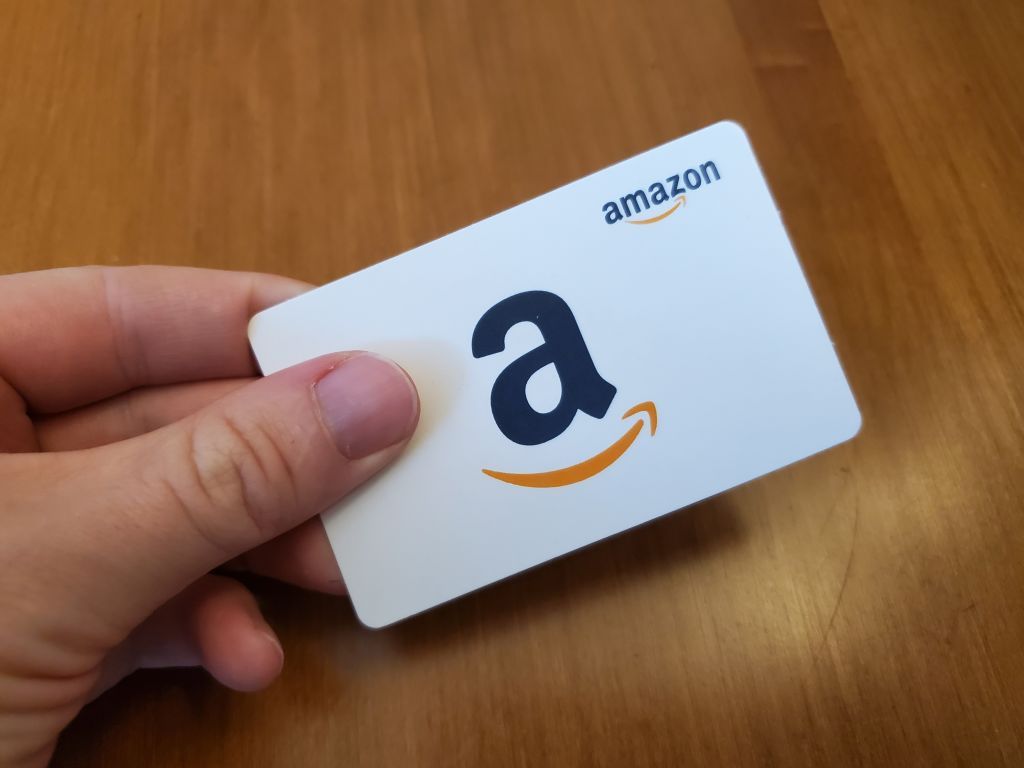
When it comes to prepaid debit cards and especially gift cards, the “where can I buy” question frequently leads to physical retail locations. Supermarkets, drugstores, convenience stores, and general merchandise retailers often feature dedicated racks displaying a vast array of third-party gift cards (Visa, Mastercard, American Express) and merchant-specific gift cards (Amazon, Starbucks, Apple, etc.). These stores also commonly sell various types of prepaid debit cards, which can be activated and loaded with funds at the point of purchase. This channel offers immediate gratification for gifting or for those who prefer to manage their funds in a non-bank account.
The Role of Comparison Websites
In the vast sea of card options, comparison websites have become indispensable tools. Platforms like NerdWallet, Credit Karma, Bankrate, and The Points Guy aggregate information on hundreds of credit cards, prepaid cards, and even some debit accounts. They allow users to filter by card type, rewards category, credit score requirement, annual fees, and other critical criteria. These sites provide detailed reviews, pros and cons, and often link directly to the issuer’s application page. While you don’t “buy” a card directly from them, they are crucial in identifying where to apply and which card to choose, acting as powerful navigators in the complex financial landscape.
The Application Process: Key Steps and Considerations
Acquiring a financial card, especially a credit card, involves more than just finding a vendor. It’s a structured process that requires understanding eligibility, providing documentation, and carefully reviewing terms to ensure a responsible financial decision.
Eligibility Criteria and Documentation
Each card issuer sets specific eligibility criteria. For debit cards, opening a bank account is typically the only requirement. For credit cards, these criteria become more stringent, commonly including:
-
Age: You must be at least 18 years old.
-
Income: Proof of stable income is often required to ensure you can make repayments.
-
Residency: Proof of U.S. residency (or residency in the country where you’re applying) is standard.
-
Credit History: For most unsecured credit cards, a positive credit history is crucial.
Required documentation typically includes government-issued ID (driver’s license, passport), Social Security Number (or Tax Identification Number), and proof of income (pay stubs, tax returns). Providing accurate and complete information is paramount for a smooth application process.
Understanding Your Credit Score
Your credit score is a three-digit number that summarizes your creditworthiness and is a critical factor in credit card applications. Lenders use it to assess the risk of lending to you. A higher score (typically 670 and above) indicates a lower risk and increases your chances of approval for premium cards with better rates and rewards. If your score is lower, you might be directed towards secured cards or cards designed for rebuilding credit. It’s advisable to check your credit score regularly (many banks and services offer this for free) and understand the factors that influence it before applying for a credit card.
Reviewing Terms and Conditions (APRs, Fees, Rewards)
Before finalizing any card acquisition, meticulously reviewing the terms and conditions (T&Cs) is non-negotiable. This document outlines:
-
Annual Percentage Rate (APR): The interest rate you’ll pay on balances carried over month-to-month. Understand the difference between purchase APR, balance transfer APR, and cash advance APR.
-
Annual Fees: Some cards, especially those with premium rewards, charge an annual fee. Evaluate if the benefits outweigh this cost.
-
Other Fees: Be aware of late payment fees, foreign transaction fees, cash advance fees, and balance transfer fees.
-
Rewards Program Details: If it’s a rewards card, understand how points/cashback are earned, redeemed, and any limitations or expiration dates.
Ignorance of T&Cs can lead to unexpected costs and diminish the value of your chosen card.
Protecting Your Information: Security Best Practices
Applying for any financial card involves sharing sensitive personal information. It’s vital to ensure you’re doing so securely:
-
Use Secure Websites: Only apply through websites with “https://” in the URL and a padlock icon.
-
Beware of Phishing: Do not respond to unsolicited emails or calls asking for personal financial information.
-
Public Wi-Fi: Avoid submitting applications or accessing sensitive accounts on unsecured public Wi-Fi networks.
-
Shred Documents: Properly dispose of any paper documents containing personal information.
Vigilance in protecting your data is key to preventing identity theft and financial fraud.
Strategic Card Selection: Maximizing Value and Minimizing Risk
Acquiring a card is just the beginning; the real value lies in selecting the right card that aligns with your financial strategy and using it judiciously. Strategic selection can enhance your financial health, while poor choices can lead to unnecessary costs.
Comparing Rewards Programs and Benefits
For credit cards, rewards programs are a major differentiator.
-
Cashback: Simple and direct, offering a percentage back on all or specific categories of spending.
-
Travel Points/Miles: Ideal for those who travel frequently, these can be redeemed for flights, hotels, or other travel expenses.
-
Store-Specific Rewards: Loyalty programs tied to particular retailers, offering discounts or exclusive perks.
Beyond rewards, consider other benefits like extended warranties, purchase protection, rental car insurance, roadside assistance, or concierge services. Evaluate your spending habits to determine which reward structure offers the most value. A card with a high annual fee might be worth it if its benefits and rewards significantly outweigh the cost, but for others, a no-annual-fee cashback card might be superior.
Managing Debt and Interest Rates
One of the most critical aspects of credit card use is debt management. While a credit card provides borrowing power, carrying a balance incurs interest charges, which can quickly erode any rewards earned.
-
Pay in Full: The ideal strategy is to pay your statement balance in full every month to avoid interest entirely.
-
Understand APRs: Be aware of your card’s APR and how it impacts your debt if you carry a balance. High APRs make debt repayment more challenging.
-
Balance Transfers: If you have high-interest debt on one card, consider a balance transfer card with a promotional 0% APR period to consolidate and pay down debt faster.
Responsible debt management is crucial to leveraging credit cards as a financial asset rather than a liability.
Utilizing Cards for Budgeting and Financial Planning
Cards can be powerful tools for budgeting and financial planning.
-
Debit Cards: Excellent for managing immediate funds and sticking to a budget, as you can only spend what you have.
-
Prepaid Cards: Ideal for setting spending limits on specific categories (e.g., groceries, entertainment) or for giving an allowance.
-
Credit Cards: Can simplify tracking expenses, especially if you use different cards for different categories (e.g., one for groceries, one for travel). Many card apps offer detailed spending analytics. By paying off the full balance each month, you get a clear picture of your monthly expenditures.
Integrating card usage with a personal finance app or spreadsheet can provide valuable insights into your spending patterns and help you achieve your financial goals.
Avoiding Scams and Misleading Offers
The demand for financial cards unfortunately attracts unscrupulous actors. Be wary of:
-
“Guaranteed Approval” Offers: Especially for credit cards, these are often scams or come with exorbitant fees and predatory rates.
-
Phishing Attempts: Emails or texts impersonating legitimate banks or card issuers asking for personal details.
-
Hidden Fees: Always read the fine print. Legitimate offers will clearly disclose all fees and rates.
-
Unsolicited Card Mailings: While some pre-approved offers are legitimate, exercise caution and verify any offer before responding.
If an offer seems too good to be true, it likely is. Always verify the legitimacy of the issuer and the terms before committing.
Beyond Acquisition: Responsible Card Ownership
Acquiring a card is merely the first step. The long-term benefits and security of your financial life depend heavily on responsible card ownership and proactive management.
Monitoring Accounts and Fraud Prevention
Regularly reviewing your card statements and online account activity is paramount.
-
Check Statements: Look for unauthorized transactions, double charges, or unfamiliar merchants.
-
Set Up Alerts: Many card issuers offer email or text alerts for large purchases, international transactions, or low balances.
-
Report Suspicious Activity Immediately: If you spot anything amiss, contact your card issuer’s fraud department without delay. Swift action can limit your liability and protect your funds.
Building a Positive Credit History
For credit cards, responsible use directly translates to a strong credit history, which is invaluable for future financial endeavors.
-
Pay On Time, Every Time: Payment history is the most significant factor in your credit score.
-
Keep Utilization Low: Aim to use less than 30% of your available credit limit. High utilization can negatively impact your score.
-
Maintain Accounts: A longer credit history generally looks better to lenders, so avoid closing old accounts unless absolutely necessary.
-
Diversify Credit (Responsibly): A mix of credit types (e.g., credit card, car loan, mortgage) can contribute positively to your score, but only if managed well.
Adapting Your Card Portfolio to Life Changes
Your financial needs evolve with life stages.
-
Student: Might start with a secured card or student credit card.
-
Young Professional: May seek rewards cards for travel or cashback.
-
Family Planner: Might prioritize cards with benefits for household spending or large purchases.
-
Retiree: Could focus on cards with lower fees or simpler reward structures.
Periodically review your card portfolio to ensure it continues to align with your current financial goals and spending patterns. It might be wise to close cards with high annual fees that no longer offer sufficient value or to apply for new cards that better suit your evolving lifestyle.
The question “where can I buy a card?” is a deceptively simple one that, when fully explored, reveals the intricate landscape of modern finance. By understanding your specific needs, navigating the diverse acquisition channels, diligently completing the application process, making strategic selections, and committing to responsible ownership, you can effectively leverage these powerful financial instruments to achieve your personal and business financial objectives.
aViewFromTheCave is a participant in the Amazon Services LLC Associates Program, an affiliate advertising program designed to provide a means for sites to earn advertising fees by advertising and linking to Amazon.com. Amazon, the Amazon logo, AmazonSupply, and the AmazonSupply logo are trademarks of Amazon.com, Inc. or its affiliates. As an Amazon Associate we earn affiliate commissions from qualifying purchases.