
In an increasingly digitized economy, managing personal finances effectively is paramount. While credit cards offer convenience and build credit, and traditional debit cards link directly to a bank account, prepaid debit cards occupy a unique and valuable niche. They offer the transactional ease of a card without the risk of debt or the necessity of a traditional banking relationship, making them an indispensable financial tool for a diverse array of individuals. The question of “what is the best prepaid debit card” isn’t about finding a single universal answer, but rather identifying the card that best aligns with one’s specific financial habits, goals, and circumstances. This comprehensive guide will delve into the world of prepaid debit cards, exploring their functionality, benefits, drawbacks, and the critical factors to consider in your selection process, ultimately empowering you to make an informed choice that enhances your financial well-being.
Understanding Prepaid Debit Cards: A Foundation for Financial Control
Prepaid debit cards are a gateway to modern financial transactions for many, providing a flexible alternative to cash and traditional banking products. To truly grasp their utility and choose the best option, it’s essential to understand their fundamental mechanics and target demographic.
What Exactly is a Prepaid Debit Card?
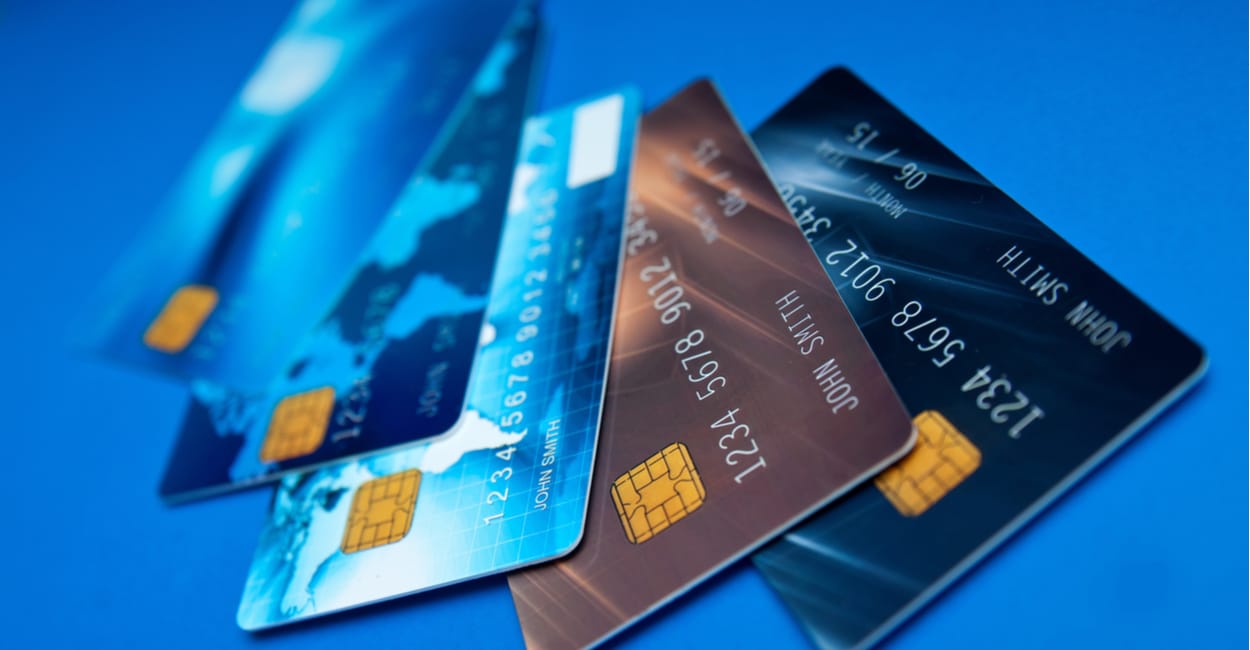
At its core, a prepaid debit card is a payment card loaded with funds in advance. Unlike a credit card, you cannot spend more money than you have loaded onto the card, eliminating the possibility of accumulating debt. It differs from a traditional debit card because it is not directly linked to a checking or savings account at a bank or credit union. Instead, the funds are held by the card issuer, typically a financial institution or a program manager partnered with a bank. These cards carry a major payment network logo (Visa, MasterCard, American Express, Discover), making them widely accepted at points of sale, online, and for ATM withdrawals, just like their traditional counterparts. They essentially function as a digital wallet for the amount you’ve pre-funded.
Who Benefits Most from Prepaid Debit Cards?
Prepaid debit cards cater to a broad spectrum of individuals, each finding unique value in their features:
-
The Unbanked or Underbanked: For those without traditional bank accounts, prepaid cards offer a vital link to the digital economy, enabling them to receive direct deposits, pay bills online, and make purchases without needing cash.
-
Budgeters and Spenders: Individuals looking to control their spending and stick to a budget can find prepaid cards invaluable. By loading only a set amount for specific categories (e.g., groceries, entertainment), they can prevent overspending.
-
Teenagers and Students: Parents can provide teens with a safe and controlled way to manage their allowance or earnings without opening a full bank account, teaching financial responsibility in a low-risk environment.
-
Travelers: Prepaid cards can be a safer alternative to carrying large amounts of cash while traveling, and some cards offer competitive exchange rates or lower foreign transaction fees.
-
Online Shoppers: For enhanced security, some users load a specific amount onto a prepaid card for online purchases, isolating their main bank accounts from potential fraud.
How Prepaid Cards Work: Loading and Spending
The operational flow of a prepaid debit card is straightforward. Funds are loaded onto the card through various methods, such as direct deposit of paychecks or government benefits, cash reloads at participating retail locations (e.g., Walmart, CVS), bank transfers, or even mobile check deposits. Once loaded, the cardholder can use the funds to make purchases wherever the card’s network is accepted. Each transaction debits the balance on the card. When the funds are depleted, the card can be reloaded, or a new card can be obtained, depending on the card’s terms. Most cards also offer online portals or mobile apps where users can track their balance, view transaction history, and manage alerts, providing real-time oversight of their finances.
Key Advantages and Disadvantages of Prepaid Debit Cards
While prepaid debit cards offer compelling benefits, they also come with certain limitations and potential costs. Understanding both sides is crucial for determining if they are the right financial tool for you.
Advantages: Financial Empowerment and Security
The benefits of using a prepaid debit card extend beyond mere transaction facilitation, offering significant advantages in personal finance management and security.
-
No Debt Risk: The most prominent advantage is the inability to overspend. You can only use the funds you’ve pre-loaded, eliminating overdraft fees and the accumulation of high-interest debt associated with credit cards.
-
Budgeting Tool: Prepaid cards are excellent for budgeting. You can allocate specific amounts for different spending categories, making it easier to track and control expenses. For instance, a “grocery card” or “entertainment card” can prevent funds from other categories from being unintentionally depleted.
-
Wider Acceptance Than Cash: Unlike cash, which is increasingly being replaced by digital payments, prepaid cards are accepted virtually everywhere major credit and debit cards are, including online merchants, ride-sharing apps, and subscription services.
-
Enhanced Security: If your card is lost or stolen, reporting it can help recover remaining funds, and many cards offer fraud protection, similar to traditional debit cards, safeguarding your balance from unauthorized transactions. This is often more secure than carrying large amounts of cash.
-
Access to Digital Services: Prepaid cards enable access to online banking features, bill payment, and direct deposit, providing convenience that cash alone cannot offer.
-
No Credit Check Required: Since they are not credit products, there’s no credit check involved in obtaining a prepaid debit card, making them accessible to anyone regardless of their credit history.
Disadvantages: Navigating Fees and Limitations
Despite their advantages, prepaid debit cards often come with a distinct set of fees and limitations that users must be aware of to avoid unexpected costs.
-
Diverse Fee Structures: This is perhaps the biggest drawback. Prepaid cards can be notorious for various fees, including activation fees, monthly maintenance fees (unless waived), transaction fees (for PIN or signature purchases), ATM withdrawal fees (both from the card issuer and the ATM owner), reload fees (for cash loads), and even inactivity fees if the card isn’t used for a certain period.
-
No Credit Building: Unlike secured credit cards, prepaid debit cards do not report activity to credit bureaus, meaning they do not help build or improve your credit score.
-
Limited Consumer Protections: While many prepaid cards offer some fraud protection, the full breadth of consumer protections under federal law (like Regulation E for traditional debit cards) might not always apply in the same way, though protections have improved.
-
No Interest Earning: Funds loaded onto a prepaid card typically do not earn interest, unlike money held in a savings account.
-
Reload Hassles: Cash reloads often involve a trip to a retail location and may incur additional fees. While direct deposit is convenient, not all users have access to it.
-
Balance Limits: Many prepaid cards have limits on how much money can be loaded or held on the card at any given time.
Essential Factors to Consider When Choosing a Prepaid Debit Card
Selecting the “best” prepaid debit card requires a meticulous comparison of various features, with a keen eye on their potential impact on your personal finances. What works for one person may not be ideal for another, emphasizing the importance of aligning the card’s features with your specific needs.
Fee Structures: Transparency is Paramount
The most critical factor in choosing a prepaid debit card is its fee structure. Fees can quickly erode your balance if not carefully managed. Look for cards that are transparent about all potential charges and consider how your usage habits might trigger them.
-
Monthly Maintenance Fees: Many cards charge a recurring monthly fee. Some offer ways to waive this fee, such as setting up direct deposit or maintaining a minimum balance.
-
Activation Fees: A one-time fee sometimes charged when you first obtain the card.
-
ATM Fees: Expect fees for ATM withdrawals, both from the card issuer and the ATM operator. Look for cards that offer a network of fee-free ATMs.
-
Reload Fees: Fees incurred when adding cash to your card at retail locations. Direct deposit is usually free.
-
Transaction Fees: While less common now, some cards may still charge a small fee for each PIN or signature transaction.
-
Inactivity Fees: Some cards charge a fee if the card remains unused for an extended period.
-
Foreign Transaction Fees: If you plan to use the card internationally, check for these fees, which can add a percentage to every overseas purchase.
Prioritize cards with low or easily waivable monthly fees and a clear, simple fee schedule that matches your expected usage.
Accessibility and Reload Options
How easily you can load money onto your card and access your funds is a significant convenience factor.
-
Direct Deposit: Essential for many users, allowing paychecks or government benefits to be loaded directly onto the card.
-
Cash Reload Locations: Check the network of participating retailers where you can add cash. Ensure these locations are convenient for you.
-
Bank Transfers: The ability to transfer funds from an external bank account.
-
Mobile Check Deposit: Some cards offer the convenience of depositing checks using a smartphone app.
-
Online Account Management: A robust mobile app and online portal for balance checks, transaction history, and managing settings are crucial for modern users.
Features and Functionality
Beyond basic transactions, many prepaid cards now offer additional features that can enhance your financial management.
-
FDIC Insurance: Ensure your funds are FDIC-insured, protecting your money up to the legal limit in case the issuing bank fails.
-
Online Bill Pay: The ability to pay bills directly from your card’s balance.
-
Alerts and Notifications: Text or email alerts for transactions, low balances, or direct deposits can help you stay on top of your spending.
-
Budgeting Tools: Some cards integrate spending trackers or budgeting features within their apps.
-
Secondary Cards: Options for additional cards for family members or specific spending categories.
-
Rewards Programs: While rare, a few prepaid cards might offer cashback or other rewards, though usually not as robust as credit card programs.
Customer Service and Support
Reliable customer service is crucial when you encounter issues like a lost card, fraudulent transactions, or questions about fees. Look for cards that offer multiple channels of support (phone, email, chat) and have a reputation for responsiveness and helpfulness.
Top Picks for Prepaid Debit Cards: A Comparative Overview
While naming a single “best” card is subjective and product offerings change frequently, we can highlight the types of cards and features that consistently rank high for different user needs. When evaluating specific cards, apply the criteria discussed above to identify your personal best fit.
Best for Low Fees: Minimal Cost Options
For users who prioritize minimizing costs, look for cards that offer:
-
No monthly fee or a monthly fee that is easily waived with direct deposit.
-
Free direct deposit.
-
Access to a wide network of fee-free ATMs.
-
Low or no reload fees if cash reloads are essential for you.
-
No inactivity fees.
Examples often include cards from major financial service providers or those specifically marketed as “low-fee” options. Researching current offerings from well-known brands like Netspend, Green Dot, or specific bank-backed prepaid options is a good starting point.
Best for Budgeting and Financial Management: Cards with Strong Tools
If your primary goal is to control spending and manage money effectively, prioritize cards that come with:
-
Robust mobile apps with features like spending trackers, category budgeting, and real-time transaction alerts.
-
Goal-setting tools or “envelope” budgeting capabilities.
-
Sub-accounts or the ability to issue secondary cards for specific spending categories or family members.
-
Integrated savings features, even if they don’t earn significant interest, can help separate funds.
Many fintech-focused prepaid solutions and challenger banks now offer these advanced budgeting features, appealing to a generation keen on digital financial control.
Best for Unbanked and Direct Deposit: Accessibility-Focused Cards
For those leveraging prepaid cards as their primary financial tool, especially without a traditional bank account, key features include:
-
Easy and fast direct deposit setup, often allowing access to funds sooner than traditional banks.
-
Widespread cash reload network with convenient locations.
-
Free online bill pay to manage expenses.
-
FDIC insurance to protect deposited funds.
-
Customer service that is easy to reach and understands the needs of the unbanked.
Cards from providers like Green Dot and Netspend have historically served this market well, evolving their offerings to meet these core needs.
Best for Travel or Specific Use Cases: Niche Solutions
For specialized needs, consider cards that offer:
-
Low or no foreign transaction fees for international travel.
-
Currency conversion at favorable rates.
-
Parental control features and spending limits for cards given to minors.
-
Virtual card numbers for enhanced online shopping security.
Some card programs cater specifically to these niche markets, providing tailored features that outweigh standard offerings for their intended purpose.
Integrating Prepaid Debit Cards into Your Financial Strategy
The “best” prepaid debit card isn’t just a standalone product; it’s a tool that can be strategically integrated into a broader financial plan. Used wisely, it can enhance security, foster better budgeting habits, and act as a vital bridge to financial inclusion.
Using Prepaid Cards for Budgeting and Spending Control
One of the most powerful applications of a prepaid debit card is its role in budgeting. By design, it enforces spending limits, making it an excellent mechanism for adhering to a financial plan.
-
Allocate Specific Budgets: Load distinct amounts onto separate prepaid cards (or virtual cards if offered) for different spending categories like groceries, entertainment, or transportation. Once the funds on a specific card are depleted, you’re done spending in that category for the period.
-
“Allowance” for Discretionary Spending: For those who struggle with impulse buys, a prepaid card loaded with a fixed amount of “fun money” can prevent overspending on non-essential items, safeguarding the rest of your budget.
-
Family Budgeting: Provide family members with their own cards for specific allowances or household expenses, maintaining transparency and control over shared funds.
This approach creates tangible spending boundaries, making it easier to track and stick to financial goals.
Enhancing Digital Security and Online Shopping
In an era of increasing cyber threats, prepaid debit cards offer an additional layer of security, particularly for online transactions.
-
Isolate Funds for Online Purchases: Instead of using a card linked directly to your main bank account for online shopping, load a prepaid card with only the amount needed for a specific purchase. If the merchant’s data is compromised, your exposure is limited to the funds on that prepaid card, rather than your entire checking account balance.
-
Prevent Overdrafts from Fraud: If a prepaid card number falls into the wrong hands, the worst-case scenario is the loss of the pre-loaded amount, without the risk of an overdraft on your bank account or maxing out a credit line.
-
Subscription Management: Use a prepaid card for recurring subscriptions. If you ever need to cancel a service or simply want to review expenditures, you can control the funds available, ensuring you’re not charged unexpectedly.
This strategic use helps protect your core financial assets from potential digital vulnerabilities.
A Stepping Stone to Financial Inclusion
For millions globally, traditional banking services remain inaccessible. Prepaid debit cards serve as a critical bridge, offering a path towards greater financial integration and empowerment.
-
Entry Point to Digital Payments: They introduce users to the convenience and necessity of digital transactions, preparing them for a future where cash is less prevalent.
-
Receiving Direct Deposits: Enable unbanked individuals to receive paychecks, government benefits, or other income efficiently and securely, bypassing check-cashing fees.
-
Establishing Financial History (Limited): While not building credit, consistent use and responsible management of a prepaid card can provide a foundational understanding of managing card-based transactions, which can be a stepping stone towards opening a traditional bank account or obtaining a secured credit card later.
-
Online Bill Payment: Allows access to services that require card payments or direct debits, such as utilities, rent, or online subscriptions, which might otherwise be difficult for the unbanked.
Responsible Use and Avoiding Pitfalls
To maximize the benefits and minimize the drawbacks of prepaid debit cards, responsible usage is key:
-
Regularly Review Fee Schedules: Card issuers can change their fee structures. Periodically review the terms and conditions to ensure you’re aware of any new or altered charges.
-
Utilize Fee-Free Options: Always opt for direct deposit for reloads and use ATMs within the card’s fee-free network whenever possible.
-
Monitor Your Balance: Keep track of your spending through the card’s app or online portal to avoid declined transactions or unexpected charges.
-
Understand Consumer Protections: Familiarize yourself with the specific fraud protection policies offered by your card issuer.
-
Don’t Treat it as a Savings Account: While useful for spending, prepaid cards are generally not ideal for long-term savings due to lack of interest and potential fees.
By integrating prepaid debit cards thoughtfully into your financial ecosystem and practicing diligent oversight, you can harness their potential as a powerful tool for budgeting, security, and financial accessibility.
Ultimately, the “best” prepaid debit card is a personal decision, shaped by your unique financial landscape and priorities. By carefully evaluating fee structures, accessibility, features, and how a card aligns with your financial goals, you can select a tool that truly empowers your financial journey.
aViewFromTheCave is a participant in the Amazon Services LLC Associates Program, an affiliate advertising program designed to provide a means for sites to earn advertising fees by advertising and linking to Amazon.com. Amazon, the Amazon logo, AmazonSupply, and the AmazonSupply logo are trademarks of Amazon.com, Inc. or its affiliates. As an Amazon Associate we earn affiliate commissions from qualifying purchases.