
Navy Federal Credit Union (NFCU) holds a legendary status in the world of personal finance. As the largest credit union in the world, it is renowned for offering high credit limits, competitive interest rates, and a member-centric approach that often surpasses the offerings of major commercial banks. However, because it is a credit union and not a public bank, there are specific hurdles to clear before you can carry one of their distinctive cards in your wallet. Obtaining a Navy Federal credit card is a two-step process: first, you must establish eligibility and become a member; second, you must navigate their unique underwriting criteria to secure an approval.
Understanding Eligibility: The Gateway to Navy Federal Membership
The most significant barrier to getting a Navy Federal credit card is the membership requirement. Unlike a standard bank where anyone can walk in and open an account, Navy Federal is a member-owned institution with a restricted field of membership. To apply for a credit card, you must first be a member of the credit union.
Who Qualifies for Membership?
Eligibility is primarily centered around the United States Armed Forces, the Department of Defense, and their families. Specifically, you qualify if you fall into one of the following categories:
-
Active Duty Service Members: This includes members of the Army, Marine Corps, Navy, Air Force, Coast Guard, Space Force, and National Guard.
-
Military Retirees and Veterans: Those who have completed their service and received an honorable discharge are eligible for life.
-
DoD Personnel: This includes Department of Defense civilians, contractors assigned to DoD installations, and retirees of the DoD.
-
Delayed Entry Program (DEP): Individuals currently enrolled in a delayed entry program for the military can join.
The Power of Family Ties
One of the most generous aspects of Navy Federal’s policy is how they define “family.” If you do not serve in the military yourself, you can still join if an immediate family member is a member or is eligible for membership. Navy Federal defines immediate family as parents, grandparents, spouses, siblings, children, and grandchildren. Interestingly, this also includes household members—people who live under the same roof and share financial responsibilities, even if they aren’t related by blood.
The “Membership Chain” Strategy
For many civilians, the path to a Navy Federal credit card involves the “membership chain.” If your grandfather served in the Navy, he is eligible to join. Once he joins, your parent becomes eligible. Once your parent joins, you become eligible. Navy Federal is unique in that they encourage this legacy of membership, viewing it as a way to support the broader military community.
Navigating the Membership Application Process
Once you have identified your path to eligibility, the next step is the formal application for membership. You cannot apply for a credit card until your member profile is active and funded.
Opening Your Primary Savings Account
Membership begins with a Share Savings Account. This account represents your “share” of ownership in the credit union. You are required to deposit a minimum of $5 to keep the account active. During this application, you will need to provide:
-
Your Social Security Number.
-
A government-issued ID (Driver’s license, Passport, or Military ID).
-
Proof of eligibility (such as a DD-214 for veterans or the member number of the family member who is sponsoring you).
-
A physical address (though you can use an APO/FPO address if stationed overseas).
Establishing a Financial Relationship
While you can technically apply for a credit card the same day you join, many financial experts suggest a “warm-up” period. Navy Federal uses an internal scoring system to evaluate members. By opening a checking account, setting up direct deposit, or even moving a small amount of savings into the institution, you signal to their underwriting team that you are looking for a long-term relationship rather than just a quick line of credit. This “relationship banking” model is a core pillar of how credit unions operate differently from big-box banks.
Choosing the Right Navy Federal Credit Card for Your Goals
Navy Federal offers a curated selection of credit cards, each designed for a specific type of consumer. Before applying, it is essential to align your choice with your current credit profile and financial needs.

For Cash Back Enthusiasts: The cashRewards Card
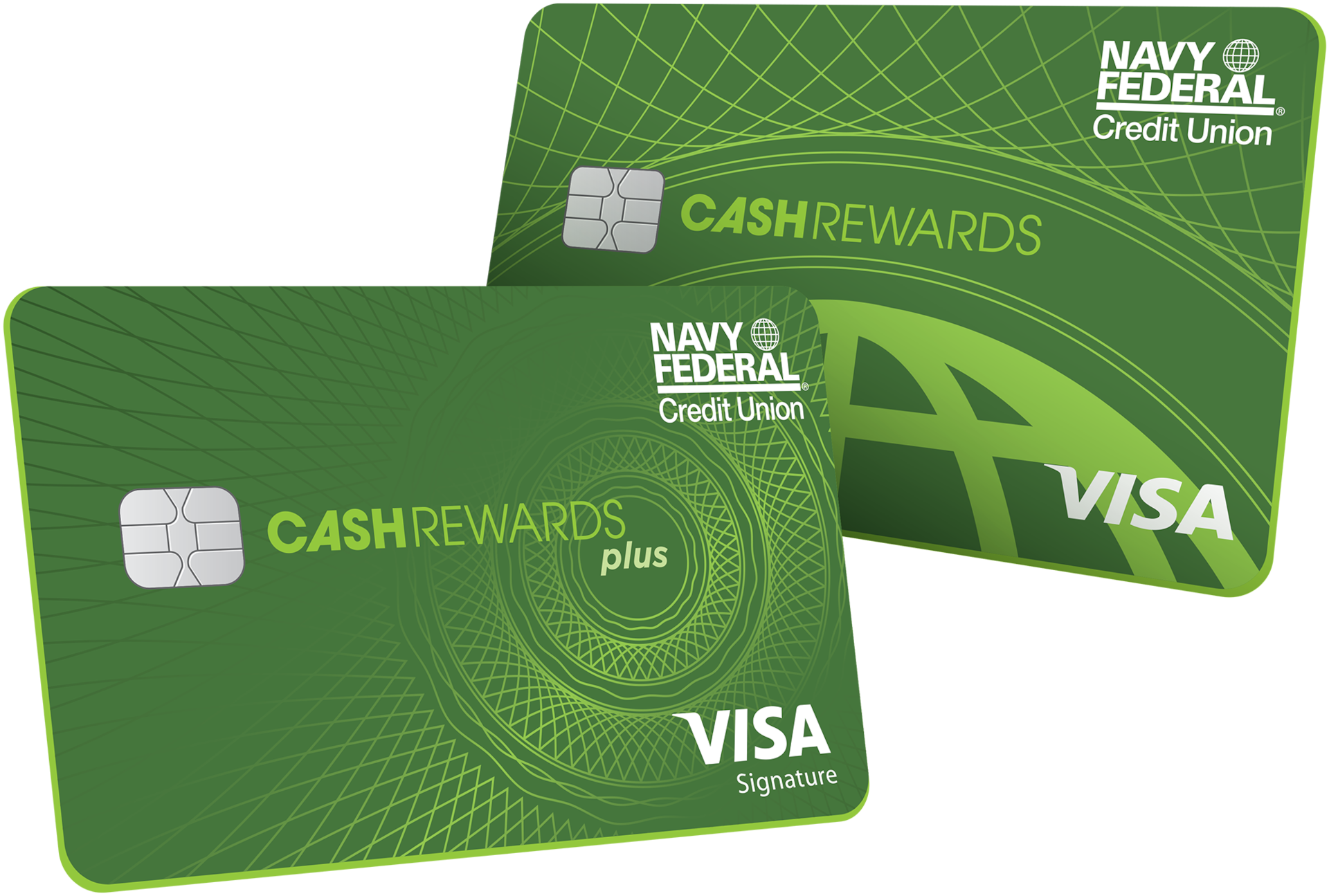
The cashRewards card is often the entry point for many members. It offers a straightforward cash-back structure, typically 1.5% on all purchases. However, if you have direct deposit set up with a Navy Federal checking account, that rate often bumps up to 1.75%. There is no annual fee, making it an excellent “keeper” card for building long-term credit history.
For the Strategic Spender: The More Rewards American Express® Card
This card is designed for everyday household spending. It offers 3 points per dollar spent at supermarkets, gas stations, and restaurants, and 1 point per dollar on everything else. For families who spend heavily on transit and groceries, this card provides significant value without an annual fee.
For the Traveler: The Flagship Rewards Card
The Flagship Rewards card is Navy Federal’s premium offering. While it carries a modest annual fee (usually $49), it offers 3x points on travel and 2x points on everything else. It also includes a statement credit for Global Entry or TSA PreCheck, which effectively offsets the annual fee for several years. This card typically requires a higher credit score and offers higher starting limits, often starting at $5,000.
For Credit Rebuilding: The nRewards® Secured Card
If your credit score is currently in the “fair” or “poor” range, Navy Federal provides a path to recovery through the nRewards Secured card. You provide a security deposit (starting at $200), which becomes your credit limit. Navy Federal reviews these accounts starting at the six-month mark. If you have managed the card responsibly, they often “graduate” the card to an unsecured cashRewards card and return your deposit.
The Application Strategy: Maximizing Your Chances of Approval
Applying for a credit card results in a “hard pull” on your credit report, which can temporarily dip your score. To minimize risk, you should approach the application with a calculated strategy.
Utilizing the Pre-Qualification Tool
Before submitting a formal application, use the Navy Federal pre-qualification tool on their website. This tool uses a “soft pull” to tell you which cards you are likely to be approved for. While not a guaranteed approval, it provides a valuable indicator of where you stand in their internal ecosystem. If the tool only suggests the secured card, it may be wise to wait and improve your credit profile before applying for a premium unsecured card.
Understanding the “Internal Score”
One of the most discussed topics in Navy Federal circles is the “Internal Score.” When you apply for a card, Navy Federal generates a score (ranging from 100 to 450) that is unique to their institution. This score weighs your credit report data alongside your history with the credit union. Factors like how long you’ve been a member, whether you’ve had overdrafts, and the total amount of assets you hold with them influence this number. This is why a member with a 650 FICO score but a deep relationship with the credit union might get a $10,000 limit, while a non-member with a 750 FICO might get a lower limit or a denial.
Timing Your Application
If you are newly joined, wait at least one full billing cycle before applying for your first card. Furthermore, if you are looking to get a second card from Navy Federal, the “91/3 Rule” is a widely recognized community guideline. This suggests waiting until you have had your first card for at least 91 days and three full billing statements have been produced before applying for a second card or a credit limit increase.
Managing Your Credit and Growing Your Limit
Getting the card is only the beginning. Navy Federal is known for its “generosity” in credit limit increases (CLIs), but these must be earned through responsible management.
The Path to a $25,000+ Limit
Navy Federal is famous for granting high limits, often reaching $25,000 or $50,000 on a single card. To reach these heights, you must demonstrate low utilization. Keeping your balance below 10% of your limit and paying in full every month signals to the credit union that you do not “need” the credit for survival, but rather use it as a financial tool. When requesting a CLI, it is often recommended to do so via the mobile app, as this sometimes results in a soft pull rather than a hard inquiry.

Diversifying Your Credit Mix
Navy Federal values members who use their full suite of products. If you have a credit card, consider eventually looking into their auto loans or personal loans if the need arises. A diverse mix of credit types within the institution strengthens your internal profile. However, the golden rule remains: never take on debt or pay interest just to “build a relationship.” The goal of getting a Navy Federal credit card is to leverage their low rates and high limits to enhance your financial security, not to compromise it.
By understanding the nuances of eligibility, the importance of the internal relationship, and the specific mechanics of their card lineup, you can successfully navigate the process of joining the Navy Federal community. It is a long-term financial partnership that, when managed correctly, provides some of the most robust credit tools available in the modern financial landscape.
aViewFromTheCave is a participant in the Amazon Services LLC Associates Program, an affiliate advertising program designed to provide a means for sites to earn advertising fees by advertising and linking to Amazon.com. Amazon, the Amazon logo, AmazonSupply, and the AmazonSupply logo are trademarks of Amazon.com, Inc. or its affiliates. As an Amazon Associate we earn affiliate commissions from qualifying purchases.