
In the intricate world of personal finance, understanding the specific details of your financial tools is paramount. Among the most recognized and often prestigious payment instruments is the American Express card. While many credit and debit cards share a similar appearance, subtle yet significant differences exist, particularly concerning their unique identifiers. A common question for both new and seasoned cardholders, or simply those curious about payment systems, revolves around the length and structure of the card number itself.
The direct answer to “how many numbers for an American Express card?” is 15 digits. This is a distinctive feature that sets American Express apart from the more common Visa, Mastercard, and Discover cards, which typically feature 16-digit primary account numbers (PANs). This seemingly minor difference is a key identifier for the American Express network and plays a crucial role in how transactions are processed and secured globally.
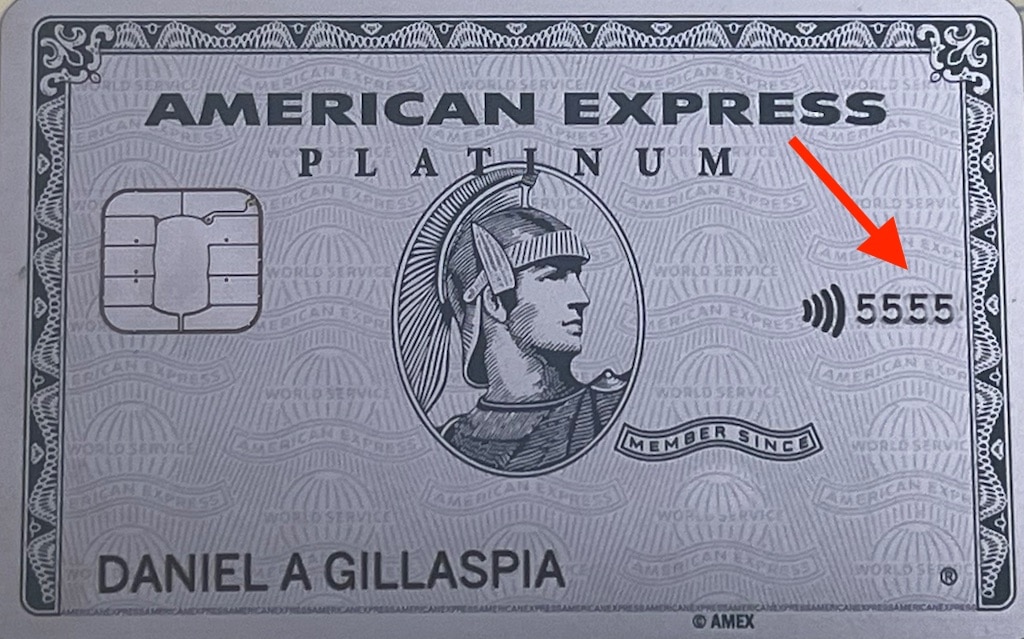
Understanding the anatomy of an American Express card number goes beyond mere curiosity; it provides insight into the underlying security architecture, fraud prevention measures, and the overall functionality of modern payment systems. For individuals managing their finances, navigating online transactions, or simply aiming for a deeper comprehension of their financial instruments, this knowledge is invaluable.
Understanding the Anatomy of a Credit Card Number
Every credit card number, regardless of its issuer or network, is more than just a random string of digits. It’s a structured code designed to convey specific information about the card, the issuer, and the cardholder, all while maintaining a high level of security. The Primary Account Number (PAN) is the central identifier for any payment card, facilitating the routing of transactions through the appropriate networks and verifying the card’s legitimacy.
The American Express Card Number: A Unique Identifier (15 Digits)
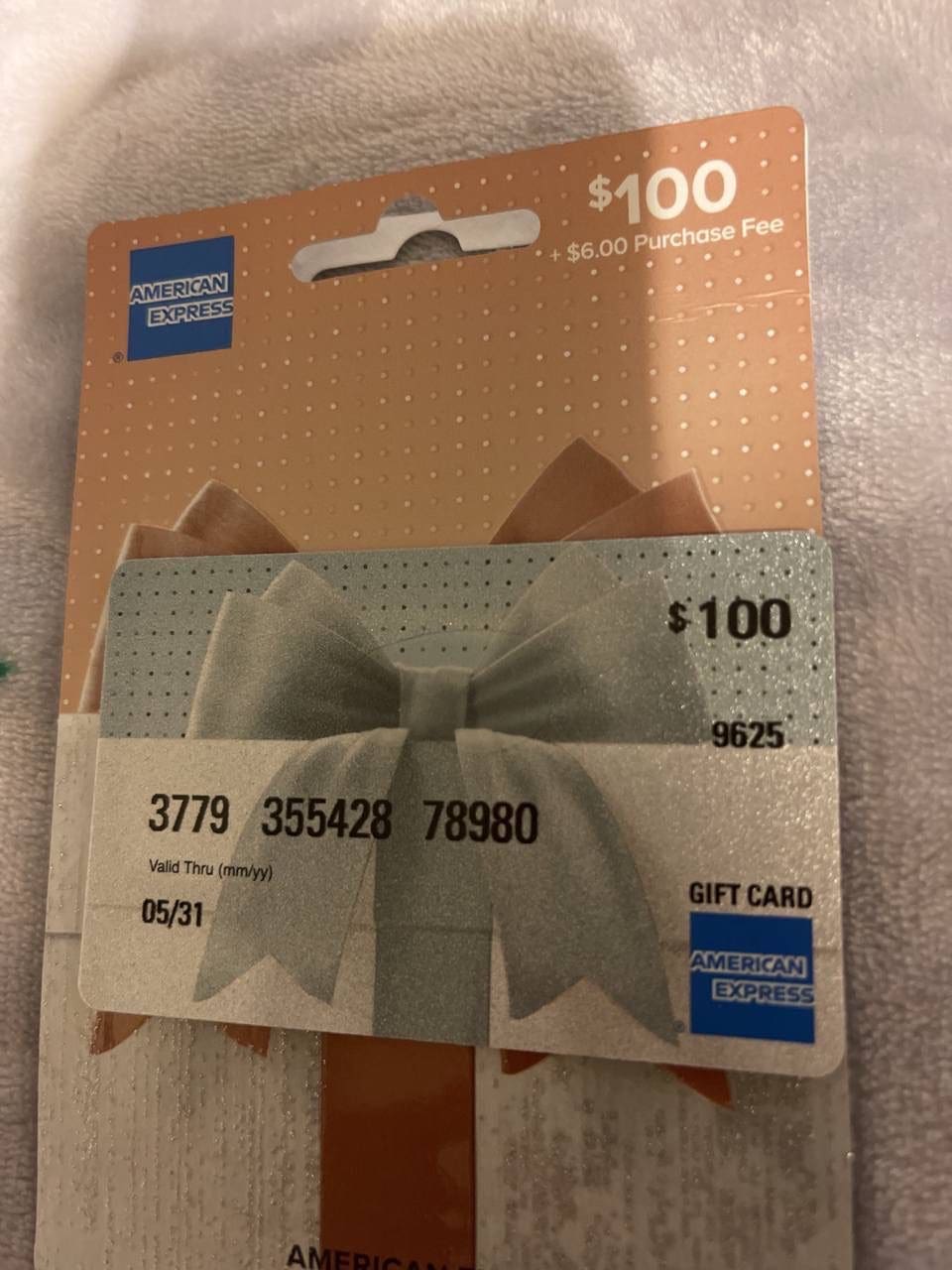
The 15-digit structure of an American Express card number is one of its most recognizable attributes. Unlike the 16-digit standard adopted by most other major card networks, this shorter length immediately signals to merchants and payment processors that a transaction is being routed through the American Express network. This distinction is not arbitrary; it’s a legacy element of American Express’s foundational design as a charge card provider before its widespread adoption as a credit card issuer. The first digit of every American Express card number always starts with ‘3’, further solidifying its unique identity. This combination of length and starting digit ensures efficient and accurate routing within the global payment infrastructure.
Differentiating Amex from Other Card Networks (Visa/Mastercard – 16 Digits)
The difference in digit count is a fundamental aspect of how payment networks distinguish themselves. Visa, Mastercard, and Discover cards consistently use a 16-digit PAN. This standardized length allows for a broad range of unique card numbers, accommodating billions of potential accounts worldwide. The first digit also differs: Visa cards typically start with ‘4’, and Mastercard cards typically start with ‘5’. This system of unique prefixes and consistent lengths enables payment gateways and point-of-sale (POS) systems to quickly identify the card network and direct the transaction to the correct processing channels, ensuring seamless and secure payment authorization. For consumers, being aware of these differences can help in quickly identifying the type of card being used or requested, which can be useful in verifying transaction details or recognizing potential scams.
The Importance of the First Digit (Industry Identifier)
The very first digit of a credit card number is known as the Major Industry Identifier (MII). This single digit serves a critical role in categorizing the card and indicating the industry that issued it. For American Express, this digit is always ‘3’. This ‘3’ signifies the travel and entertainment industry, reflecting American Express’s origins as a company focused on traveler’s checks and T&E cards. Other MIIs include ‘4’ for banking and financial institutions (Visa), ‘5’ for banking and financial institutions (Mastercard), ‘6’ for banking and merchandising (Discover, Diner’s Club, RuPay), and ‘7’ for petroleum. This standardized MII system is a cornerstone of global payment processing, allowing for initial routing and identification of the card type before deeper validation occurs.
Deconstructing the American Express Card Number
Beyond its total length, the 15-digit American Express card number is further broken down into distinct sections, each carrying specific information crucial for the card’s functionality and security. Understanding these segments provides a deeper insight into how transactions are validated and how your card is uniquely identified within the vast financial ecosystem.
The Major Industry Identifier (MII) for Amex (Always ‘3’)
As previously noted, the MII is the first digit, and for all American Express cards, it is invariably ‘3’. This digit immediately identifies the card as belonging to the American Express network and signals its historical roots in the travel and entertainment sector. This consistent prefix simplifies the initial stages of transaction processing, allowing payment systems to correctly identify the card type and prepare for network-specific validation protocols. It’s a foundational piece of information that sets the stage for the rest of the number’s interpretation.
The Issuer Identification Number (IIN) / Bank Identification Number (BIN)
The subsequent digits, typically the first six (including the MII), form what is known as the Issuer Identification Number (IIN) or Bank Identification Number (BIN). For American Express, this means digits 1 through 6. This segment identifies the specific institution that issued the card. While American Express itself is a direct issuer for many of its cards, it also partners with other banks to issue co-branded or network-specific cards. The IIN/BIN helps distinguish between different card programs, products, and even geographic regions where the card was issued. This information is critical for fraud detection systems, which can flag transactions that originate from a different country than the card’s issuing bank, or for verifying the legitimacy of a card based on its reported issuer.
The Account Number: Unique to the Cardholder
Following the IIN/BIN, the remaining digits (excluding the final check digit) constitute the unique account number assigned to the individual cardholder. For an American Express card, this typically comprises digits 7 through 14. This sequence is unique to your specific card and links it directly to your account with American Express. It’s the primary identifier that differentiates your card from every other card issued by the same institution. This part of the number is crucial for tracking transactions, managing balances, and associating charges with your specific financial profile. The uniqueness of this segment is paramount for accurate record-keeping and personalized financial management.
The Check Digit: Ensuring Validity (Luhn Algorithm)
The final digit of any credit card number, including American Express’s 15th digit, is a single check digit. This digit is not randomly assigned but is calculated using a mathematical formula known as the Luhn algorithm (or modulus 10 algorithm). This algorithm is a simple checksum formula used to validate a variety of identification numbers. Its primary purpose is to protect against accidental errors in transcription or data entry. When a card number is entered into a payment system, the Luhn algorithm is applied to the entire string of digits. If the calculation doesn’t match the check digit, the system immediately knows there’s an error, preventing misdirected transactions or fraudulent attempts with incorrectly typed numbers. While it doesn’t offer cryptographic security, it’s an effective first line of defense against common human errors and some basic forms of fraud.
Beyond the Card Number: Other Essential Amex Security Features
While the card number is central to identifying and processing transactions, an American Express card, like all modern payment instruments, incorporates several other critical security features. These elements work in concert to protect your financial information and ensure the legitimacy of purchases, both online and in-person.
The Card Security Code (CSC) or CID (4 Digits, Front of Card)
Distinct from the 3- or 4-digit Card Verification Value (CVV or CVC) found on the back of Visa, Mastercard, and Discover cards, American Express uses a 4-digit Card Identification Number (CID). This number is uniquely placed on the front of the card, above the primary card number, or sometimes to the right. The CID is a crucial security feature primarily used for “card-not-present” transactions, such as online purchases or phone orders. It serves as an additional layer of verification, proving that the person making the purchase physically possesses the card. Since it’s not embossed like the card number, it’s less likely to be captured by skimmers. Merchants are prohibited from storing the CID after a transaction, further enhancing its security value.
Expiration Date: Validity and Renewal
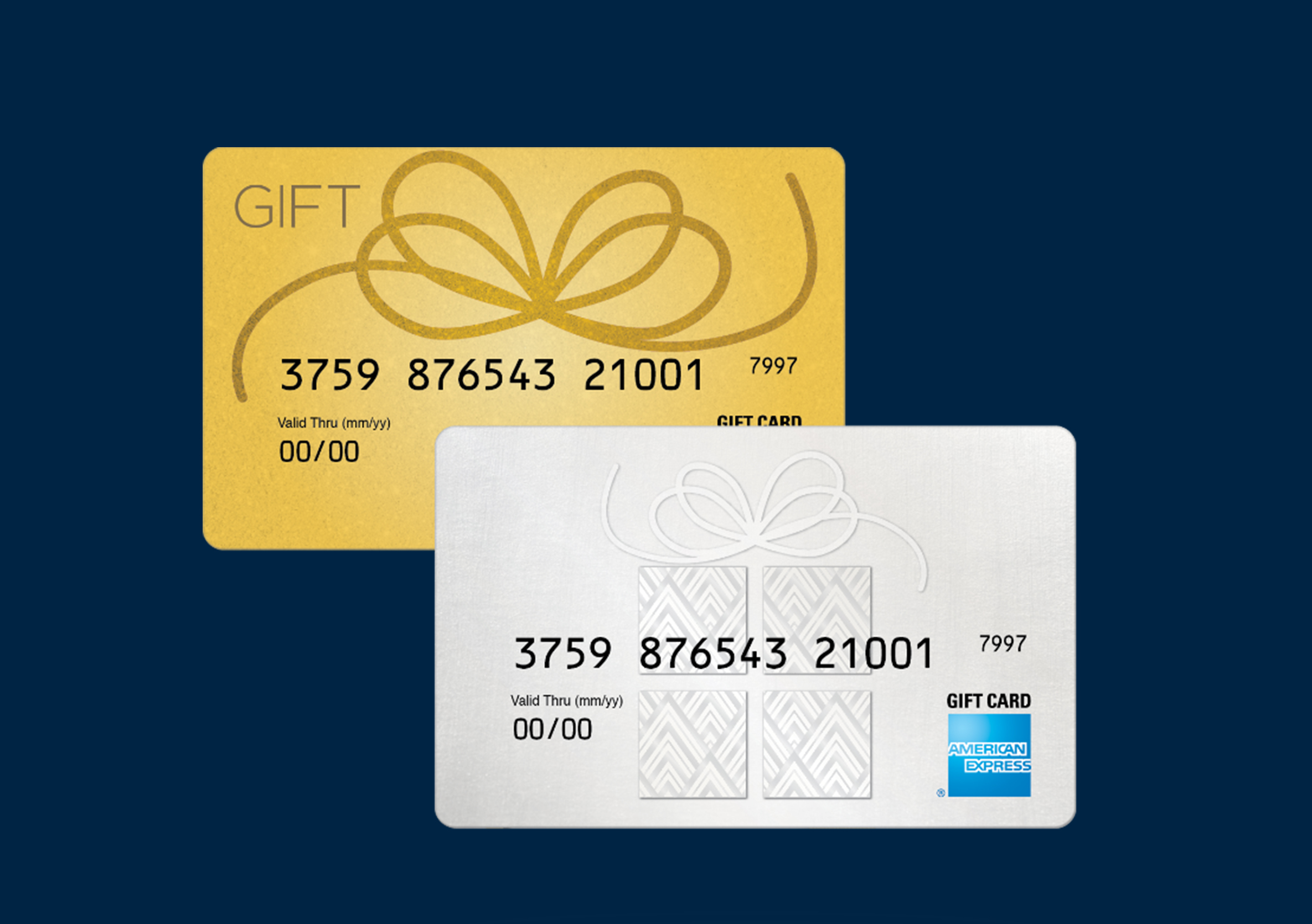
Every American Express card, like virtually all credit and debit cards, features an expiration date (month/year). This date serves multiple purposes. Firstly, it indicates the period during which the card is valid for use. After this date, the card is no longer accepted for transactions, prompting the issuer to send a new card to the cardholder. Secondly, it’s another key piece of information requested during online or phone transactions to verify the cardholder’s possession of a current, active card. For security systems, an expired card immediately flags a transaction as potentially fraudulent or invalid, protecting against the use of old or canceled card numbers.
Cardholder Name: Verification and Personalization
The cardholder’s name, typically embossed or printed on the front of the American Express card, is a fundamental security and personalization feature. For in-person transactions, merchants can verify the name against a government-issued ID, although this practice varies by merchant policy and local regulations. In online transactions, the cardholder’s name is often a required field, and its submission helps confirm the legitimacy of the user. While not a foolproof security measure on its own, it adds another layer of data that must match for a transaction to proceed, aiding in fraud detection and personalizing the card experience.
Magnetic Stripe and EMV Chip: Physical Security Layers
American Express cards incorporate both a magnetic stripe and an EMV (Europay, Mastercard, Visa) chip, offering layered physical security for in-person transactions. The magnetic stripe, while older technology, stores card data that can be read by swiping the card through a terminal. Its vulnerability to skimming led to the development of more advanced solutions. The EMV chip, a small metallic square on the front of the card, represents a significant leap in security. When a chip card is inserted into a compatible terminal (a “chip reader”), it generates a unique, encrypted cryptogram for each transaction. This dynamic data makes it extremely difficult for fraudsters to clone the card or reuse stolen transaction data, drastically reducing counterfeiting fraud. Most modern terminals prioritize chip-based transactions, making them the standard for secure in-person payments.
Financial Implications and Best Practices for Card Security
Possessing an American Express card, or any credit card, comes with the responsibility of safeguarding your financial information. Understanding the mechanisms behind the card number and associated security features empowers you to adopt best practices that significantly mitigate the risk of fraud and financial loss.
Protecting Your Amex Card Number: Preventing Fraud
The 15-digit American Express card number is the gateway to your account. Therefore, treating it with extreme care is paramount. Avoid sharing your full card number unless absolutely necessary for a legitimate transaction with a trusted merchant. Be wary of requests for your full card number via email, text message, or unsolicited phone calls, as these are common tactics for phishing scams. Memorizing your card number is generally discouraged, as it doesn’t enhance security and can lead to anxiety if forgotten. Instead, focus on keeping your physical card secure and being mindful of where and how you input your card details online. Using strong, unique passwords for online accounts where your card information might be stored is another crucial step.
Recognizing Phishing and Skimming Attempts
Fraudsters constantly devise new methods to obtain card information. Phishing involves deceptive emails, texts, or websites designed to trick you into revealing personal and financial data. Always scrutinize the sender’s email address, look for grammatical errors, and be suspicious of urgent requests for information. Never click on suspicious links. Skimming involves devices discreetly attached to ATMs, gas pumps, or POS terminals that illegally capture card data from the magnetic stripe. Always check card readers for anything unusual, loose, or out of place before inserting or swiping your card. Wiggling the card slot can sometimes dislodge skimmers. If something looks suspicious, use a different terminal or pay inside.
The Role of Two-Factor Authentication (2FA) in Online Transactions
For an added layer of security, many online platforms and financial institutions now offer or require two-factor authentication (2FA) for transactions or account logins. 2FA typically involves verifying your identity using two different factors – something you know (like a password) and something you have (like your phone receiving a one-time code) or something you are (biometrics like a fingerprint). Enabling 2FA on your American Express account and any frequently used online shopping sites significantly reduces the risk of unauthorized access, even if your password or card number is compromised. It ensures that even if a fraudster has your card details, they cannot complete a purchase without the second authentication factor.
Reporting Lost or Stolen Cards: Immediate Action
One of the most critical best practices is immediate action upon realizing your American Express card is lost or stolen. Contacting American Express directly and reporting the incident without delay allows them to cancel the compromised card and issue a new one, preventing unauthorized transactions. American Express, like other major issuers, offers robust fraud protection, but swift reporting is key to limiting your liability and ensuring prompt resolution. Many issuers allow you to freeze your card temporarily through their mobile app, providing an interim solution while you search for a misplaced card or before you can formally report it stolen.
Monitoring Your Statements: Early Detection of Unauthorized Activity
Regularly reviewing your American Express statements, whether monthly paper statements or through online banking, is an indispensable fraud detection measure. Scrutinize every transaction, no matter how small, for any activity you don’t recognize. Small, seemingly insignificant charges are sometimes used by fraudsters to test the validity of stolen card numbers before making larger purchases. Setting up transaction alerts through your Amex account can provide real-time notifications for purchases, allowing for even quicker detection of suspicious activity. Early detection dramatically increases the chances of reversing fraudulent charges and preventing further damage.
American Express Cards in the Financial Landscape
Beyond the technical specifications and security features, American Express cards hold a unique position within the broader financial landscape. Their reputation, benefits, and network structure contribute to their distinct presence and appeal to a specific demographic of cardholders.
The Premium Perception of Amex Cards
American Express has cultivated a strong brand image associated with premium service, exclusive benefits, and a focus on high-spending consumers. Many of their cards, particularly charge cards like the Platinum Card or Centurion Card, come with substantial annual fees but offer extensive rewards, luxury travel perks, concierge services, and comprehensive insurance benefits. This positioning often leads to a perception of prestige and exclusivity, attracting cardholders who value these enhanced services and are willing to pay for them. For these cardholders, the card is not just a payment tool but a gateway to a suite of lifestyle and travel advantages.
Benefits and Rewards for Cardholders
A primary draw for American Express cardholders is the robust rewards programs. These typically include Membership Rewards points, which can be redeemed for travel, merchandise, statement credits, or transfers to airline and hotel loyalty programs. Beyond points, many Amex cards offer significant sign-up bonuses, statement credits for specific purchases (e.g., airline fees, digital entertainment, dining), airport lounge access, hotel elite status, and car rental privileges. These tangible financial incentives and lifestyle enhancements are key components of the value proposition for Amex cardholders, driving both acquisition and retention. The diverse range of cards caters to different spending habits and financial goals, from everyday cash back to ultra-premium travel.
Merchant Acceptance and Network Differences
Historically, American Express had a smaller merchant acceptance network compared to Visa and Mastercard, largely due to higher transaction fees charged to merchants. While Amex has significantly expanded its acceptance globally in recent years, it’s still possible to encounter merchants, particularly smaller businesses or those outside major urban centers, that do not accept American Express. This difference in network reach is an important consideration for cardholders, who may need to carry an alternative card for universal acceptance. The American Express network operates somewhat differently, often acting as both the issuer and the network, which provides a more integrated customer service experience but also results in different fee structures for merchants.
Responsible Credit Card Use and Financial Health
Regardless of the card network or its features, the foundation of sound personal finance lies in responsible credit card use. An American Express card, with its potentially high spending limits and attractive rewards, requires disciplined management. This includes paying balances in full and on time to avoid interest charges, staying within credit limits, and using credit as a convenience tool rather than an extension of income. Leveraging the benefits and rewards of an Amex card while maintaining excellent financial health can significantly enhance one’s financial standing and provide access to a world of exclusive opportunities. Conversely, misuse can lead to debt and negatively impact credit scores, underscoring the importance of financial literacy and prudent decision-making.
aViewFromTheCave is a participant in the Amazon Services LLC Associates Program, an affiliate advertising program designed to provide a means for sites to earn advertising fees by advertising and linking to Amazon.com. Amazon, the Amazon logo, AmazonSupply, and the AmazonSupply logo are trademarks of Amazon.com, Inc. or its affiliates. As an Amazon Associate we earn affiliate commissions from qualifying purchases.