
The ubiquitous plastic rectangle in your wallet, or the digital representation on your smartphone, holds more than just spending power. It’s a sophisticated financial instrument, meticulously designed with a specific sequence of digits that enables global commerce. For an American Express card, this sequence, and the ancillary numbers accompanying it, forms a unique identifier crucial for transactions, security, and account management. Understanding “how many numbers does American Express have” goes beyond a simple digit count; it delves into the very architecture of modern payment systems and financial tools.
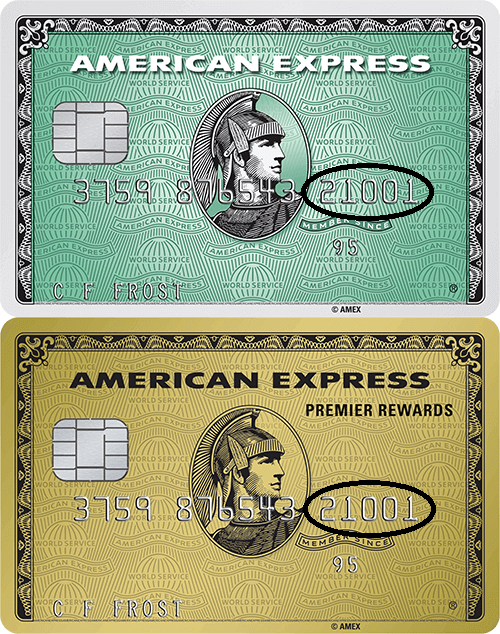
Unlike the more common 16-digit credit and debit cards issued by Visa and Mastercard, American Express cards typically feature a distinct 15-digit primary account number. This difference is not arbitrary but rooted in historical development and proprietary network operations. These digits, along with other critical numeric values like the Card Identification Value (CIV) and expiration date, serve specific roles in authenticating cardholders, securing transactions, and identifying the specific financial product in question. This article will unravel the complete numerical tapestry of an American Express card, exploring its components, significance, and the broader financial ecosystem it supports.
The Anatomy of an American Express Card Number
The primary card number on any American Express card is far more than a random string of digits. It’s a structured code designed to convey specific information about the card, its issuer, and the cardholder. Deciphering this structure is key to understanding its financial utility and security implications.
The Significance of the First Digit (Industry Identifier)
Every payment card carries an initial digit that acts as a major industry identifier, conforming to the ISO/IEC 7812 standard. This “Major Industry Identifier” (MII) tells payment processing systems which industry the card belongs to. For American Express, this digit is always a ‘3’. This instantly signals to merchants, payment gateways, and banks that the transaction is being processed through the American Express network.
This ‘3’ stands in contrast to other major card networks: Visa cards always begin with a ‘4’, Mastercard with a ‘5’, and Discover with a ‘6’. This initial digit is fundamental for routing transactions correctly from the point of sale to the appropriate payment network, ensuring that funds are requested and transferred according to the network’s rules and infrastructure. It’s the very first piece of data that payment terminals and online checkouts use to begin the transaction authorization process, making it a critical component of global financial interoperability.
Issuer Identification Number (IIN) / Bank Identification Number (BIN)
Following the MII, the next set of digits forms the Issuer Identification Number (IIN), often referred to as the Bank Identification Number (BIN). For American Express, this IIN typically comprises the first five digits of the 15-digit card number (including the initial ‘3’). The IIN uniquely identifies the financial institution that issued the card. While American Express is primarily an issuer itself, it also partners with other banks globally to issue Amex-branded cards.
The IIN is vital for numerous financial operations. It allows payment processors to identify the specific entity responsible for authorizing transactions and settling payments. This enables crucial functions like fraud detection (by flagging unusual activity for specific issuers), geographic targeting for marketing purposes, and even for identifying the card product type (e.g., charge card, credit card, corporate card, specific rewards program). For businesses, BIN lookups are a common practice to gather more data about a transaction before approval, helping to mitigate risk and apply specific processing rules. It’s a cornerstone of the financial network’s ability to efficiently and accurately route millions of transactions daily.
The Account Number: Your Unique Identifier
The remaining digits after the IIN constitute the actual account number, which is unique to each individual cardholder and their specific card product. This sequence is what truly differentiates your card from every other American Express card in circulation. While the card number isn’t directly linked to a traditional bank account number (as American Express operates as its own issuer/bank for many products), it serves an equivalent purpose within the Amex ecosystem: it identifies your specific financial relationship with American Express.
This unique account number is essential for everything from authorizing purchases and tracking rewards to managing your statements and accessing customer service. It acts as the primary key in American Express’s extensive database, linking all your financial activities, credit history, and personal details to that specific card. Safeguarding this number is paramount, as its compromise can lead to unauthorized access to your credit line and personal financial data. It’s the numerical representation of your trust and financial standing with the institution.
The 15-Digit American Express Difference
One of the most distinguishing features of an American Express card, from a purely numerical standpoint, is its typical 15-digit length, which sets it apart from the 16-digit standard adopted by most other major card networks. This difference has historical roots and practical implications within the financial world.
Why 15 Digits When Most Are 16?
The reason American Express cards typically have 15 digits dates back to the early days of electronic payment processing. While Visa and Mastercard (and their predecessors) settled on a 16-digit standard, American Express, as a proprietary network that often acts as both issuer and processor, developed its own numbering convention. This 15-digit format became an entrenched part of its infrastructure, and there was no compelling reason to change it to match competitors.
This difference, while seemingly minor, impacts various aspects of financial technology and user experience. Merchant systems, online payment forms, and financial software must be specifically programmed to recognize and accommodate both 15-digit and 16-digit card numbers. Historically, this has sometimes led to validation errors or confusion for users entering their Amex card details into systems not adequately updated or designed with flexibility. Today, most modern payment gateways and e-commerce platforms are well-equipped to handle both formats seamlessly, but it remains a subtle reminder of the distinct operational histories of the major payment networks.
The Luhn Algorithm: Ensuring Validity
Regardless of whether a card number has 15 or 16 digits, virtually all major payment cards, including American Express, incorporate a checksum digit as part of their numbering scheme. This is facilitated by the Luhn algorithm, also known as the “modulus 10” algorithm. The final digit of a credit card number is calculated based on a formula applied to the preceding digits.
The Luhn algorithm serves a crucial purpose in the financial world: it acts as a simple validation tool to detect accidental errors during data entry. If a user mistypes a digit, the algorithm will likely fail to validate the number, preventing an invalid transaction from being sent for authorization. It’s important to understand that the Luhn algorithm is not a security feature; it does not protect against fraud or malicious attempts to generate valid card numbers. Instead, it’s a foundational quality control measure, ensuring the integrity of the entered card number before it proceeds further into the payment processing pipeline, thereby reducing unnecessary network traffic and processing errors.
Beyond the Main Card Number: Other Essential Amex Numbers
While the primary 15-digit account number is central, an American Express card is equipped with several other critical numerical identifiers, each serving distinct financial and security functions.
The Card Identification Value (CIV) / Card Security Code (CSC)
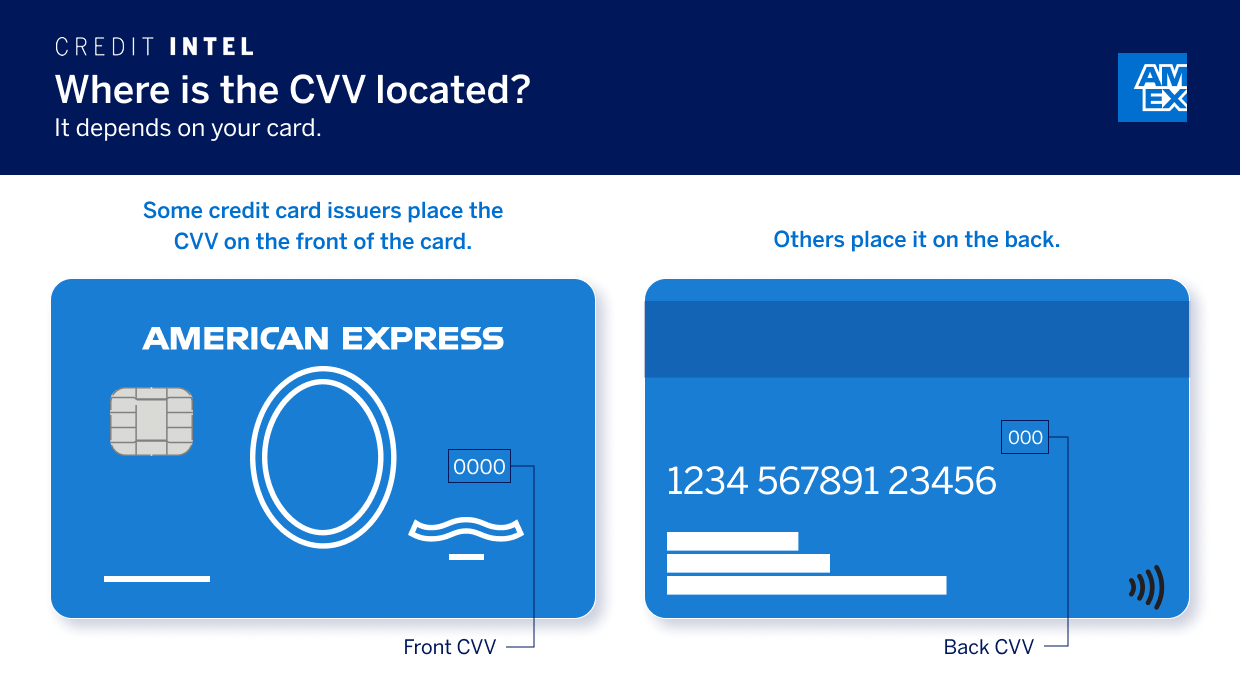
For American Express cards, a unique 4-digit security code is printed on the front of the card, above the primary account number, typically on the right side. American Express refers to this as the Card Identification Value (CIV), though it’s often more broadly known as a Card Security Code (CSC) or Card Verification Value (CVV). This is distinct from Visa/Mastercard/Discover cards, which usually have a 3-digit CVV2/CVC2 on the back.
The primary purpose of the CIV is to provide an additional layer of security for “card-not-present” transactions, such as online purchases or telephone orders. By requiring the customer to input this code, merchants can verify that the person making the purchase physically possesses the card, significantly reducing the risk of fraud if the card number alone has been compromised (e.g., through a data breach). It’s a crucial anti-fraud measure that helps protect both the cardholder and the merchant in the digital financial landscape.

Expiration Date: Validity and Renewal
Every American Express card, like other payment cards, carries an expiration date, typically displayed as a two-digit month and two-digit year (e.g., 08/25). This date signifies the period during which the card is considered valid for use. Once the expiration date passes, the card is no longer accepted for transactions, prompting the issuer to send a new card to the cardholder.
The expiration date serves several financial and operational purposes. From a security standpoint, it ensures that cards are periodically replaced, which helps mitigate risks associated with long-term data exposure. Operationally, it allows for scheduled updates to card technology (e.g., chip upgrades), provides a natural interval for creditworthiness reassessments, and manages the lifecycle of physical cards. For recurring payments and subscriptions, merchants require an updated expiration date, making it essential for cardholders to update their payment information to avoid service interruptions.
The American Express Customer ID/Membership Number
Beyond the numbers printed directly on the card, American Express also assigns internal identifiers to its customers. These might include a “Customer ID” or “Membership Number,” which are distinct from your card number. These internal numbers are typically used when interacting directly with American Express customer service, for online account login, or for managing multiple Amex products under a single customer profile.
Unlike the card number, which is primarily for transaction processing, the Customer ID is about your overall relationship with American Express. It allows their systems to quickly pull up all your associated cards, accounts, and financial history, streamlining customer support and account management. While not directly involved in transaction authorization, it’s a critical financial identifier for your long-term engagement with the brand and its financial services.
Security Implications and Best Practices
The various numbers associated with an American Express card are the keys to your financial account. Protecting them is paramount in an increasingly digital and interconnected world where financial fraud is a constant threat.
Protecting Your Amex Numbers from Fraud
The security of your Amex numbers is a shared responsibility between you, American Express, and the merchants you interact with. Card numbers are vulnerable to various forms of fraud, including phishing scams (where fraudsters try to trick you into revealing your details), skimming devices (physical capture of card data at ATMs or POS terminals), and large-scale data breaches affecting merchants or financial institutions.
Best practices for protection include: being vigilant about unsolicited requests for card details, only entering card information on secure websites (indicated by “https://” and a padlock icon), regularly reviewing your account statements for unauthorized transactions, and using strong, unique passwords for online accounts. American Express, like other major issuers, employs sophisticated fraud detection systems, but individual vigilance remains a crucial first line of defense against financial compromise.
The Role of Tokenization in Modern Payments
A significant advancement in payment security is tokenization. This technology replaces sensitive card data, such as your primary account number, with a unique, randomly generated “token” during a transaction. This token is meaningless if intercepted by fraudsters because it cannot be reverse-engineered to reveal your actual card number.
When you use services like Apple Pay, Google Pay, or other digital wallets with your American Express card, your actual card number is tokenized. The merchant or payment processor receives only this token, not your real card number, significantly reducing the risk of data breaches. If a merchant’s system is compromised, the stolen data (tokens) would be useless for making new purchases without the original card. Tokenization is a powerful financial security tool that enhances the safety of digital transactions, making online and mobile payments more secure than ever.
Reporting Lost or Stolen Cards
Despite best efforts, cards can be lost or stolen. Prompt action is crucial to minimize financial exposure. American Express, like other major issuers, has robust procedures for reporting lost or stolen cards. Immediately contacting American Express to report the incident allows them to deactivate the compromised card and issue a new one.
Most American Express cards come with a “Zero Liability” policy, meaning you won’t be held responsible for fraudulent charges made on your card once you’ve reported it lost or stolen. Monitoring your statements diligently after reporting is still recommended to ensure all unauthorized activity is identified and rectified. This rapid response and consumer protection mechanism are vital components of the trust and security inherent in the financial relationship with a card issuer.
The Financial Utility of Card Numbers in the Modern Economy
The intricate system of numbers on an American Express card is not merely for identification; it underpins vast financial utility, enabling global commerce, integrating with various financial tools, and evolving with technological advancements.
Facilitating Global Transactions
The standardization (albeit with network-specific variations like the 15-digit Amex number) and robust infrastructure behind card numbers enable seamless global transactions. Whether you’re making a purchase online from another country or swiping your card on an international trip, the underlying numerical structure and network protocols ensure that your American Express card is recognized and processed almost anywhere the network is accepted.
This interoperability is a cornerstone of the modern global economy, facilitating trade, tourism, and instant access to funds. The efficiency of these payment systems, driven by the structured exchange of card numbers and authorization codes, has an immense economic impact, reducing friction in financial exchanges and supporting billions of dollars in transactions daily.
Impact on Financial Tools and Software
The structured nature of card numbers also makes them highly compatible with various financial tools and software. Budgeting apps, personal finance management platforms, accounting software for businesses, and expense tracking tools all integrate with card data (often via secure API connections or tokenized data) to automate financial record-keeping.
For individuals, this means easier tracking of spending, categorization of expenses, and better budget adherence. For businesses, it streamlines reconciliation, automates expense reporting, and simplifies compliance with standards like PCI DSS (Payment Card Industry Data Security Standard), which governs how card data must be handled. The numerical identification provided by card numbers is fundamental to the automated and efficient management of financial resources in the digital age.
The Future of Card Numbers: Digital Wallets and Beyond
While physical cards and their printed numbers remain prevalent, the future of payment systems is increasingly digital. Digital wallets, contactless payments, and biometric authentication are changing how we interact with our “card numbers.” In many instances, the primary card number is now digitally stored and protected by tokenization, reducing the need for direct physical interaction or manual input.
As technology advances, we may see further evolution, with perhaps augmented reality interfaces or even direct brain-computer interfaces for transactions. However, the underlying principle of a unique numerical identifier, securely transmitted and processed, is likely to remain. The “numbers” on your American Express card, whether physically embossed or digitally represented, will continue to be the essential components that bridge your financial resources with the vast global marketplace, continually adapting to new forms of interaction while maintaining their core function of secure identification and authorization.
aViewFromTheCave is a participant in the Amazon Services LLC Associates Program, an affiliate advertising program designed to provide a means for sites to earn advertising fees by advertising and linking to Amazon.com. Amazon, the Amazon logo, AmazonSupply, and the AmazonSupply logo are trademarks of Amazon.com, Inc. or its affiliates. As an Amazon Associate we earn affiliate commissions from qualifying purchases.