
In an increasingly digital and cashless world, managing personal finances effectively is more crucial than ever. For many, navigating traditional banking systems or understanding credit can be a complex endeavor. This is where prepaid Visa cards emerge as a remarkably versatile and accessible financial tool, offering a straightforward alternative for spending, budgeting, and online transactions without the complexities of a bank account or credit history. Whether you’re a student learning to manage money, a traveler seeking secure spending options, an individual looking to stick to a budget, or someone simply preferring not to link all spending directly to a primary bank account, a prepaid Visa card can be an invaluable asset.
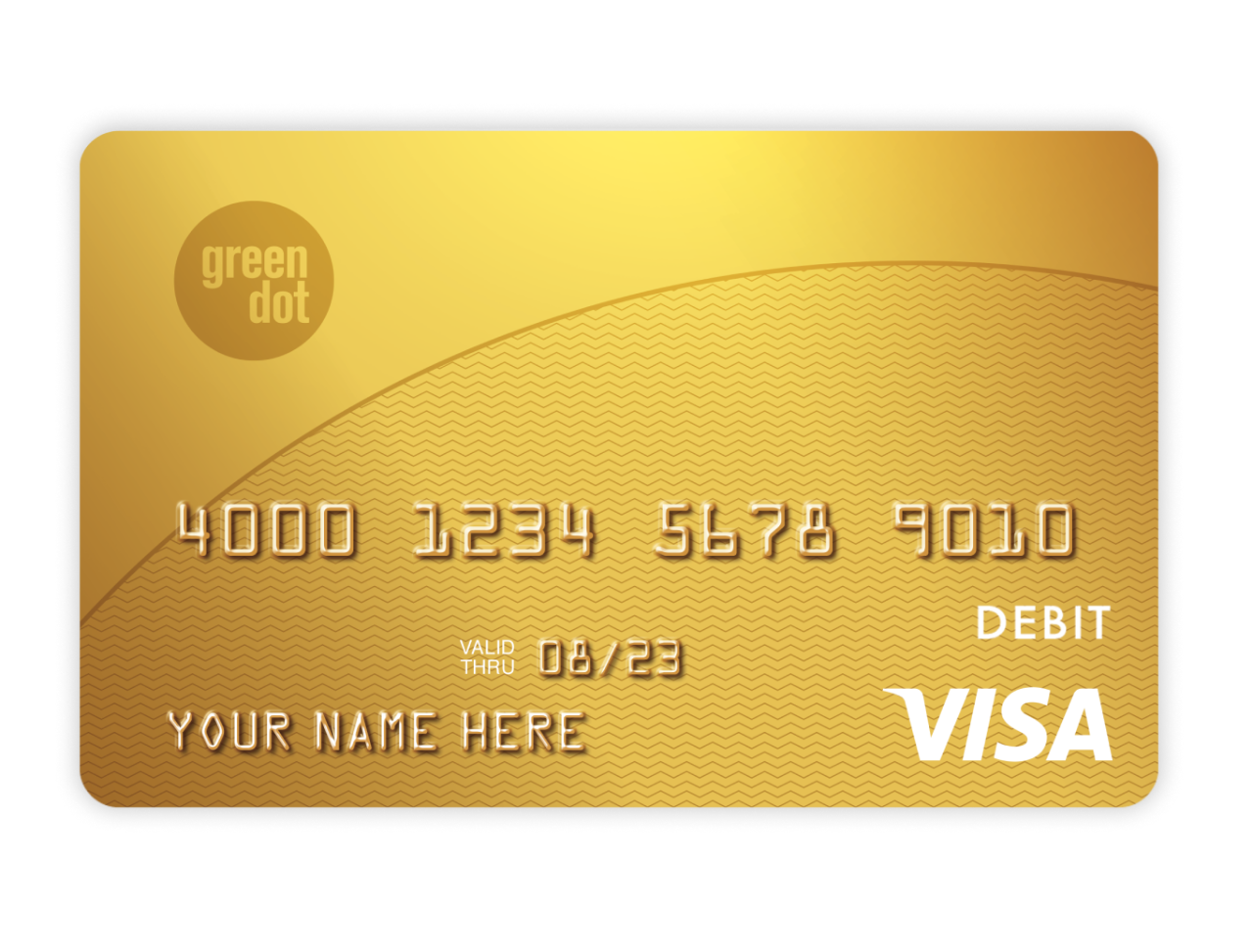
This guide will demystify the process of obtaining a prepaid Visa card, exploring their benefits, outlining where to find them, detailing the steps for purchase and activation, and equipping you with essential knowledge to navigate fees and maximize their utility. By the end, you’ll have a clear understanding of how to leverage these cards for greater financial control and convenience.
Understanding Prepaid Visa Cards: What They Are and Why They Matter
Before diving into the “how-to,” it’s essential to grasp the fundamental nature of a prepaid Visa card and its place in the financial landscape. These cards are distinct from both credit cards and traditional debit cards, offering a unique blend of features that cater to specific financial needs.
Definition and Core Functionality
A prepaid Visa card is a payment card loaded with funds in advance. Unlike a credit card, you are spending your own money, not borrowing it, meaning there’s no debt involved and no interest to pay. Crucially, unlike a debit card, a prepaid card is not directly linked to a personal bank account. Instead, the funds are held by the card issuer, making it a “stored value” card. Once the funds are loaded onto the card, it can be used anywhere Visa is accepted—online, in stores, and at ATMs (if enabled)—just like a traditional debit or credit card, until the balance runs out. You can typically reload more money onto the card once the funds are depleted, hence the “prepaid” and “reloadable” aspects often go hand-in-hand.
Key Benefits
The allure of prepaid Visa cards stems from a suite of compelling benefits:
-
Budgeting Control: One of the most significant advantages is the ability to control spending. You can only spend the amount loaded onto the card, making it an excellent tool for managing specific budgets for groceries, entertainment, or travel.
-
No Credit Check Required: Since you’re spending your own money, there’s no need for a credit check to obtain a prepaid Visa card. This makes them accessible to virtually anyone, including individuals with limited or no credit history, those with poor credit, or the “unbanked” population.
-
Enhanced Security: Using a prepaid card for online purchases or travel can provide an extra layer of security. If the card number is compromised, only the funds loaded onto that specific card are at risk, safeguarding your primary bank account or credit lines. Many cards also offer fraud protection similar to traditional debit/credit cards.
-
Convenience for Online Shopping: Many individuals prefer not to use their primary bank debit card online. A prepaid Visa offers a safe and convenient alternative, allowing access to the vast world of e-commerce without exposing core financial details.
-
Travel Companion: For international travel, a prepaid Visa card can be a safer option than carrying large amounts of cash. It also allows you to pre-load a specific amount in the local currency (if the card supports it) or manage your spending abroad effectively.
-
Financial Inclusion: For individuals without traditional bank accounts, prepaid cards offer a pathway to participate in the digital economy, receive direct deposits (e.g., paychecks, government benefits), and make electronic payments.
Who Can Benefit Most
While universally accessible, certain demographics find prepaid Visa cards particularly beneficial:
-
Students: A great tool for managing allowances, college expenses, or learning responsible spending habits.
-
Travelers: For secure spending abroad without exposing primary bank accounts to risk.
-
Budget-Conscious Individuals: Excellent for adhering to strict spending limits for specific categories like entertainment or dining.
-
Individuals with No/Poor Credit: Provides access to electronic payments and online shopping.
-
Parents: To provide allowances to children or for specific purchases, ensuring funds are used responsibly.
-
Gift-Givers: A more flexible alternative to store-specific gift cards, allowing recipients to choose their own purchases.
Where to Purchase a Prepaid Visa Card
Obtaining a prepaid Visa card is relatively straightforward, with multiple avenues available depending on your preference for convenience, features, and immediate access.
Retail Stores and Pharmacies
This is perhaps the most common and accessible method for immediate purchase. Major retailers, supermarkets, convenience stores, and pharmacies across the country stock prepaid Visa gift cards and reloadable cards.
-
Examples: Walmart, Target, CVS, Walgreens, Kroger, 7-Eleven, and many gas stations.
-
Process: Simply pick up a card from the gift card rack, take it to the checkout, and load the desired amount (within limits). There’s usually an activation fee at the time of purchase. These cards often require online registration after purchase to unlock full features, such as reload options, direct deposit, and enhanced fraud protection.
Online Providers and Issuers
Many financial technology companies and dedicated card issuers operate primarily online, offering a wider range of prepaid Visa card options, often with more sophisticated features and lower fees than retail cards.
-
Examples: Green Dot, Netspend, PayPal Prepaid, Brinks Prepaid, Bluebird by American Express (often issued on the Visa network).
-
Process: Visit the provider’s website, select your desired card, complete an online application (which usually involves identity verification, or “Know Your Customer” – KYC – requirements), and the card will be mailed to you. You then activate it online upon arrival. These cards are usually more robust, offering direct deposit, online bill pay, and extensive account management tools.
Banks and Credit Unions
While less common for standalone prepaid cards, some traditional banks and credit unions do offer prepaid Visa options, often as an alternative to their standard checking accounts or for specific programs.
- Process: Inquire at your local branch or check their website. These cards might be linked to existing accounts for easy loading or offered as standalone products. They may come with the assurance of a regulated financial institution.
Specialized Financial Service Centers
Places that offer check cashing, money orders, and other financial services often sell and facilitate reloading for various prepaid cards.
-
Examples: Certain independent money service businesses.
-
Process: Similar to retail stores, you can purchase and load cards directly at these centers.
The Step-by-Step Process of Obtaining a Prepaid Visa Card
Getting your hands on a prepaid Visa card is a simple process, but understanding the nuances ensures you choose the right card for your needs and activate it correctly.
Selection Criteria
Before purchasing, consider what’s important to you:
-
Fees: Compare activation fees, monthly maintenance fees, reload fees, ATM withdrawal fees, foreign transaction fees, and inactivity fees. Some cards waive monthly fees with direct deposit or minimum balances.
-
Reload Options: How will you load money? Look for cards that support your preferred method (cash at retail, direct deposit, bank transfer, mobile check deposit).
-
Spending Limits: Be aware of maximum load amounts, daily spending limits, and ATM withdrawal limits.
-
Features: Do you need online bill pay, direct deposit, companion cards, or mobile app access?
-
Customer Service: Is phone support, online chat, or email support readily available?
Purchasing and Activation
-
In-store:
-
Select the card from the display.
-
Take it to the register and specify the amount you wish to load (initial load amount). You’ll also pay an activation fee.
-
Keep your receipt!
-
Activation: Most cards require online activation and registration. Visit the URL printed on the card or packaging, enter your card number, security code, and personal information (name, address, date of birth, Social Security Number for reloadable cards). This step is crucial for security and often required for reloadability or other features.
-
-
Online:
-
Choose a card from a reputable online issuer.
-
Complete the online application, providing personal details for identity verification (KYC).
-
Wait for the card to arrive in the mail (usually 5-10 business days).
-
Activation: Once received, visit the issuer’s website or call the number provided to activate the card. You might set up a PIN during this process.
-
Loading Funds
This is where the “prepaid” aspect comes in. You can add money to your card in several ways:
-
Cash Reloads: At participating retail locations (e.g., Walmart, CVS, 7-Eleven) using services like Green Dot @ the Register, Visa ReadyLink, or MoneyGram. Fees typically apply.
-
Direct Deposit: Many reloadable prepaid cards allow you to set up direct deposit for your paycheck, government benefits, or tax refunds, often waiving monthly fees.
-
Bank Transfer: You may be able to link your prepaid card to a traditional bank account for electronic transfers, though this isn’t universally available for all cards.
-
Debit Card Transfer: Some online prepaid card accounts allow you to transfer funds from another debit card.
-
Mobile Check Deposit: Certain cards offer the ability to deposit checks by snapping a picture with your smartphone.
Managing Your Card
Once activated and loaded, managing your prepaid Visa card is similar to a debit card:
-
Check Your Balance: Regularly check your balance online, via a mobile app, or by calling customer service. Knowing your balance prevents declined transactions.
-
Monitor Transactions: Review your transaction history online to track spending and identify any unauthorized activity.
-
Customer Service: If you have questions, encounter issues, or need to report a lost/stolen card, contact the issuer’s customer service immediately.
Navigating Fees and Important Considerations
While prepaid Visa cards offer immense convenience, it’s vital to be aware of the associated fees and understand their limitations compared to other financial products. Transparency is key to maximizing their value.
Common Fees Associated with Prepaid Cards
Fees can significantly impact the overall cost of using a prepaid card. Always read the cardholder agreement carefully.
-
Activation/Purchase Fee: A one-time fee paid when you buy the card, usually ranging from $3 to $10.
-
Monthly Maintenance Fee: A recurring fee (e.g., $5-$10 per month) that some cards charge, though many waive it if you meet certain criteria like direct deposit thresholds.
-
Reload Fee: A fee charged each time you add money to the card, especially for cash reloads at retail locations (e.g., $3-$5).
-
ATM Withdrawal Fee: Fees for withdrawing cash at ATMs, often a combination of the card issuer’s fee and the ATM owner’s fee.
-
Foreign Transaction Fee: A percentage of the transaction amount charged for purchases made in a foreign currency or outside the issuing country.
-
Inactivity Fee: Charged if the card is unused for a certain period (e.g., 90 days or more).
-
Balance Inquiry Fee: Sometimes charged for checking your balance at an ATM.
-
Customer Service Fee: Rarely, some cards charge for speaking with a live agent.
Understanding Card Limits
Prepaid cards come with various limits designed for security and regulatory compliance:
-
Maximum Load Limit: The highest amount of money you can load onto the card at one time or within a specific period (e.g., daily, monthly).
-
Daily Spending Limit: The maximum amount you can spend in a single day.
-
ATM Withdrawal Limit: The maximum cash you can withdraw from an ATM per transaction or per day.
-
Card Balance Limit: The maximum total balance allowed on the card at any given time.
Security Features and Protections
While not always offering the same level of protection as credit cards, reloadable prepaid Visa cards generally come with robust security measures:
-
PIN Protection: Your Personal Identification Number safeguards cash withdrawals and in-store purchases.
-
Fraud Protection: Many Visa prepaid cards offer Zero Liability protection, meaning you won’t be held responsible for unauthorized transactions if you report them promptly.
-
FDIC Insurance: Funds loaded onto certain prepaid cards, especially those offered by banks or through regulated fintech partners, may be eligible for FDIC pass-through insurance up to the standard limits, protecting your money in case the issuer fails. Always verify this with the specific card’s terms.
-
Lost/Stolen Card Procedures: Issuers have procedures for reporting and replacing lost or stolen cards, often transferring your remaining balance to a new card.
Differentiating from Debit and Credit Cards
It’s crucial to understand the distinct nature of a prepaid card:
-
Not a Credit Card: It doesn’t build credit history, nor does it allow you to go into debt. It’s spending your own money.
-
Not a Bank Account Debit Card: While it functions similarly, it’s not directly linked to a checking or savings account. This separation can be a security advantage.
Maximizing the Value of Your Prepaid Visa Card
Once you have your prepaid Visa card, knowing how to use it strategically can unlock its full potential as a powerful financial tool.
Strategic Budgeting and Expense Tracking
Leverage your prepaid card as a primary budgeting instrument. For instance, load a specific amount for groceries at the beginning of the month, and only use that card for grocery purchases. This physical separation of funds makes it much harder to overspend. Many online prepaid card accounts offer detailed transaction histories and spending categories, acting as a mini-personal finance tracker. Reviewing these regularly can highlight spending patterns and areas for adjustment.
Safe Online and International Transactions
For online shopping, a prepaid card significantly reduces the risk to your primary bank account or credit line. If a merchant’s website is compromised, only the funds on your prepaid card are exposed. Similarly, when traveling abroad, using a prepaid card can be safer than carrying large amounts of cash or risking your main bank card, especially if you’re concerned about ATM skimmers or data breaches in unfamiliar locations. Loading a set amount for your trip also helps you stick to your travel budget.
Gifting and Controlled Spending
Prepaid Visa cards make excellent gifts, offering the recipient the freedom to choose what they want from anywhere Visa is accepted, without being tied to a specific store. For parents, they are an ideal way to provide an allowance to children or college students, teaching them financial responsibility within a controlled environment. For specific projects or expenses, like home renovations or event planning, you can load a dedicated amount onto a card, ensuring funds are strictly allocated to that purpose.
Tips for Responsible Use
To truly benefit from your prepaid Visa card, adopt these best practices:
-
Understand All Fees: Before committing to a card, meticulously review its fee schedule. Choose a card whose fee structure aligns with your usage patterns. If you plan frequent cash reloads, seek cards with low reload fees. If you prefer direct deposit, look for cards that waive monthly fees under those conditions.
-
Register Your Card: Always register your card online after purchase. This is crucial for unlocking features like direct deposit, access to online account management, and most importantly, protection against fraud or loss. Without registration, a lost card might mean lost funds.
-
Check Your Balance Regularly: Always know how much money is on your card before making a purchase. This prevents embarrassing declines and helps you manage your budget effectively. Use the mobile app, online portal, or customer service number provided.
-
Report Lost or Stolen Cards Immediately: If your card is lost or stolen, report it to the issuer’s customer service as soon as possible. Prompt reporting can protect your remaining balance from unauthorized use.
-
Avoid Overspending: Remember, it’s your money. While a prepaid card helps with budgeting, the temptation to reload and spend more can still exist. Use it as a tool for discipline, not just convenience.

Conclusion
Prepaid Visa cards are a powerful and accessible financial tool in today’s evolving economic landscape. They offer a unique blend of convenience, security, and financial control, making them ideal for a diverse range of users—from those managing a strict budget to individuals seeking a secure method for online transactions or international travel. By understanding what these cards are, where to acquire them, how to activate and load them, and critically, how to navigate their fee structures, you can confidently integrate a prepaid Visa card into your personal finance strategy.
The process of obtaining a prepaid Visa card is straightforward, whether purchased at a local retailer or ordered from an online provider. With careful selection and responsible usage, these cards empower you to manage your money effectively, participate in the digital economy without traditional banking hurdles, and maintain peace of mind about your financial security. Embrace the flexibility and control a prepaid Visa card offers, and unlock a smarter way to spend your money.
aViewFromTheCave is a participant in the Amazon Services LLC Associates Program, an affiliate advertising program designed to provide a means for sites to earn advertising fees by advertising and linking to Amazon.com. Amazon, the Amazon logo, AmazonSupply, and the AmazonSupply logo are trademarks of Amazon.com, Inc. or its affiliates. As an Amazon Associate we earn affiliate commissions from qualifying purchases.