
American Express, often recognized by its iconic Centurion logo and premium credit card offerings, occupies a distinctive and sometimes misunderstood position within the global financial landscape. The question “What bank is American Express?” doesn’t have a simple, singular answer because Amex operates on a hybrid model, challenging the conventional definitions of what constitutes a “bank” versus a “credit card company.” While it certainly offers banking-like products and holds banking charters, its fundamental structure and revenue model set it apart from traditional commercial or retail banks. Understanding American Express requires a deep dive into its multifaceted financial identity, its proprietary network, and the comprehensive suite of financial services it provides to consumers and businesses worldwide.

The Hybrid Model: American Express as a Financial Institution
To truly grasp what American Express is, one must first recognize its dual nature. It is both a payment network operator and a direct issuer of its own credit and charge cards, a combination that distinguishes it significantly from most other players in the financial sector. Unlike Visa or Mastercard, which primarily license their networks to various banks that then issue cards, American Express typically is the bank behind its cards.
Distinguishing Amex from Traditional Banks
A traditional commercial bank primarily focuses on accepting deposits (checking and savings accounts) and then lending out those funds, creating a spread between deposit rates and lending rates. They also offer a wide array of services like mortgages, personal loans, and wealth management. While American Express does hold banking charters – notably through American Express National Bank in the U.S. and various international banking licenses – it doesn’t operate as a typical full-service deposit-gathering institution in the same vein as a JPMorgan Chase, Bank of America, or HSBC.
Its banking operations are primarily geared towards supporting its core lending activities related to its credit and charge card products. The deposits it gathers, primarily through high-yield savings accounts and certificates of deposit (CDs) offered by American Express National Bank, serve to fund its loan portfolio and optimize its balance sheet, rather than being the cornerstone of a diversified retail banking strategy. This distinction is crucial: Amex uses its banking arm to facilitate its lending, not as its primary customer-facing financial service.
A Closed-Loop Network Advantage
One of the most defining characteristics of American Express is its “closed-loop network.” This means Amex is directly involved in all three key aspects of a transaction: it issues the card to the consumer, it processes the transaction through its own network, and it has direct relationships with the merchants who accept its cards. In contrast, Visa and Mastercard operate “open-loop networks,” where a separate bank issues the card, another entity processes the transaction, and the merchant acquires the transaction through a different bank.
This closed-loop model provides American Express with several significant financial advantages:
-
Direct Relationships: Amex has direct access to comprehensive transaction data from both cardholders and merchants. This wealth of data is invaluable for risk assessment, fraud prevention, targeted marketing, and developing personalized financial products and offers, all of which contribute to its profitability.
-
Revenue Optimization: By controlling the entire transaction flow, Amex captures a larger share of the transaction revenue, including merchant discount fees (interchange fees), interest charges, and various cardholder fees, without having to share them with issuing or acquiring banks. This vertically integrated model directly impacts its financial strength and profit margins.
-
Enhanced Financial Control: The ability to manage both ends of the transaction gives Amex greater control over the credit experience, customer service, and dispute resolution, leading to a more consistent brand experience and potentially stronger customer loyalty – key drivers for repeat financial engagement.
Global Reach and Regulatory Framework
American Express operates globally, requiring it to navigate a complex tapestry of international banking and financial regulations. It holds licenses and operates banking entities in various countries, enabling it to issue cards, offer lending products, and provide merchant services across different jurisdictions. Compliance with diverse regulatory bodies, including central banks and financial conduct authorities worldwide, underscores its identity as a substantial financial institution, albeit one with a specialized focus. Its global footprint is not just about card acceptance; it’s about operating as a regulated financial services provider on a global scale, adapting its financial products and risk management strategies to local economic conditions and legal frameworks.
Beyond Credit Cards: A Spectrum of Financial Offerings
While its charge and credit cards are its most visible products, American Express has strategically diversified its financial offerings to cater to a broader range of personal and business financial needs. This expansion reinforces its identity as a comprehensive financial services provider.
Personal Financial Solutions
For individual consumers, American Express extends beyond traditional card products:
-
High-Yield Savings Accounts and CDs: Offered through American Express National Bank, these products provide individuals with options for saving and earning interest, directly competing with offerings from traditional banks. These are deposit products, making Amex a deposit-taking institution, albeit one that primarily uses these deposits to fund its lending activities rather than offering a full suite of traditional banking services.
-
Prepaid Cards: Financial tools designed for budgeting and managing spending without incurring debt, appealing to a segment of consumers seeking alternatives to traditional credit.
-
Foreign Exchange Services: Leveraging its global presence and travel heritage, Amex offers foreign currency exchange, traveler’s cheques, and related financial services for international travelers.
-
Personal Loans: In some markets, American Express provides unsecured personal loans, offering financing options directly to cardholders for various purposes, further expanding its lending portfolio beyond credit cards.
Business Finance and Corporate Solutions
American Express has a strong heritage in supporting businesses, from small enterprises to large corporations, with tailored financial tools:
-
Business Credit and Charge Cards: Specifically designed to help businesses manage expenses, track spending, and provide access to working capital. These cards often come with enhanced reporting and integration features vital for corporate financial management.
-
Merchant Services: As a payment network and acquirer, Amex provides services to businesses enabling them to accept American Express cards. This involves processing transactions, settlement, and fraud prevention, generating significant revenue through merchant discount fees.
-
Working Capital Solutions: Beyond credit cards, Amex offers various financing options for small and medium-sized businesses, including term loans and lines of credit, directly addressing crucial business finance needs.
-
Expense Management Platforms: Integrated platforms that help corporate clients manage employee expenses, reconcile statements, and streamline financial reporting, acting as a crucial financial tool for operational efficiency.
Travel and Lifestyle Financial Integration
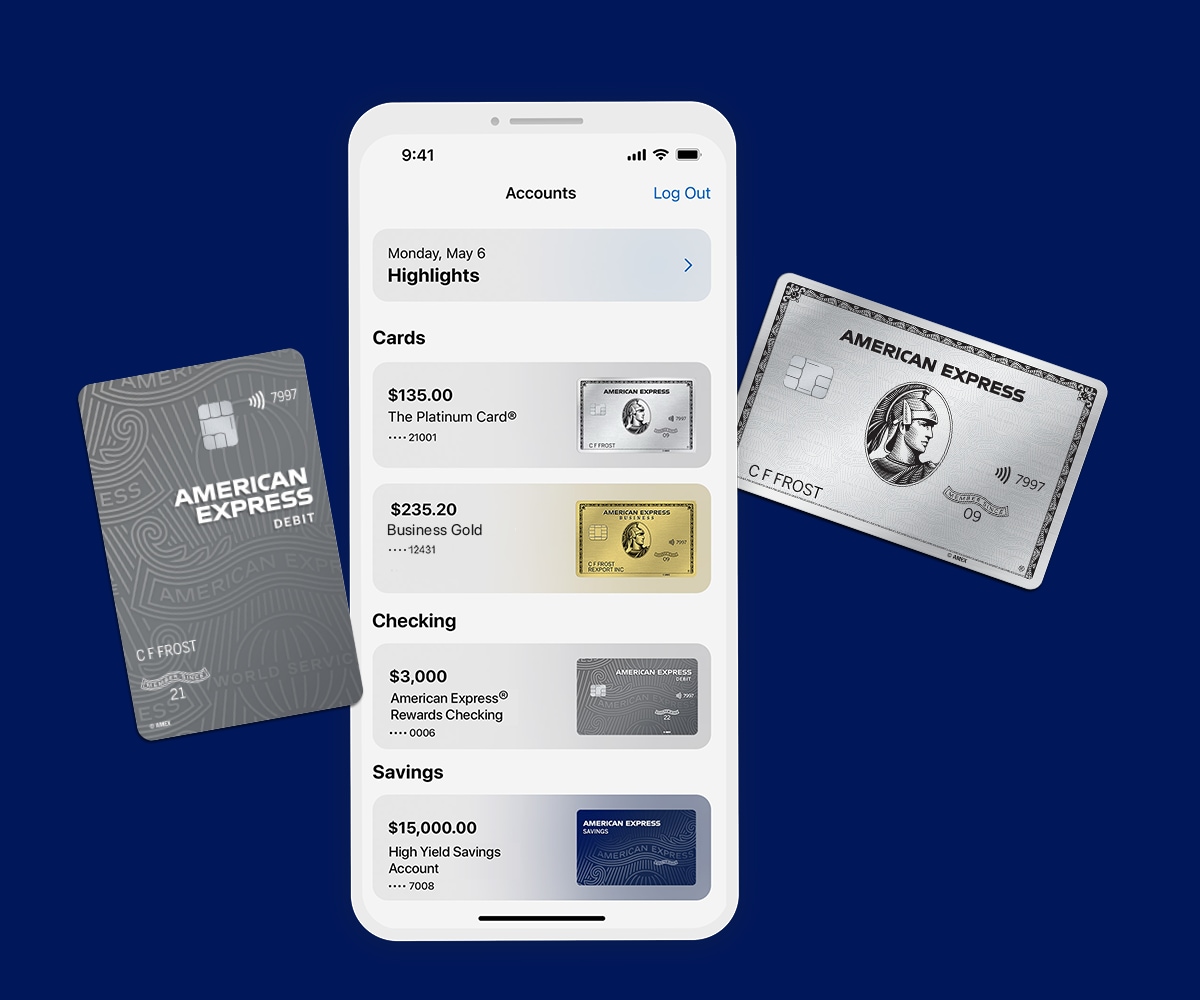
While not strictly “banking,” Amex’s travel services are deeply intertwined with its financial products, offering a unique value proposition that influences consumer spending and financial choices. Rewards programs, travel insurance benefits, airport lounge access, and concierge services encourage cardholders to use their Amex cards for travel-related expenses, thereby generating transaction volume and interest income. This integration highlights how Amex leverages its heritage to create a financial ecosystem that extends beyond simple payments.
The Amex Business Model: Revenue Generation and Financial Strength
The financial strength and unique positioning of American Express stem from its diversified revenue model, which capitalizes on its closed-loop network and premium brand identity. Understanding where its money comes from clarifies its identity as a distinct financial entity.
Interest Income and Fees
A significant portion of Amex’s revenue is derived from its lending activities. This includes:
-
Interest on Credit Card Balances: For credit cards, Amex earns interest on outstanding balances carried by cardholders. Given its focus on premium customers, these balances can be substantial.
-
Card Member Fees: Many of Amex’s premium charge and credit cards come with annual fees, which contribute directly to its revenue regardless of transaction volume. These fees are justified by the extensive benefits and services provided.
-
Other Fees: Late payment fees, foreign transaction fees (though often waived on premium cards), and other service charges also add to the revenue stream.
Merchant Discount Rates
The core of American Express’s transactional revenue comes from the “merchant discount rate.” This is the percentage fee that merchants pay to Amex for processing transactions made with its cards. Because Amex operates a closed-loop network, it collects this entire fee, whereas in open-loop systems, this fee is split between the issuing bank, the network, and the acquiring bank. Historically, Amex’s merchant discount rates have been higher than those of Visa and Mastercard, a point of contention for some merchants but justified by Amex with access to affluent cardmembers who typically spend more.
Diversified Revenue Streams
Beyond core card-related income, American Express generates revenue from several other areas:
-
Foreign Exchange Operations: Fees and margins from currency conversion services.
-
Loyalty Program Management: While rewards are a cost, Amex also partners with businesses for loyalty programs, often earning fees for managing these relationships.
-
Data and Insights: The extensive data collected through its closed-loop network can be leveraged to provide valuable insights and marketing services to businesses, creating additional revenue opportunities.
-
Travel and Lifestyle Services: While many are benefits for cardholders, some services may generate direct revenue or lead to higher card usage.
This intricate web of revenue sources underscores American Express’s sophisticated financial model, distinguishing it from both traditional deposit-taking banks and pure payment network providers. It is a financially integrated entity that leverages its brand, network, and customer relationships to generate revenue from multiple angles.
Strategic Considerations for Financial Consumers and Businesses
For individuals and businesses making financial decisions, understanding “what bank is American Express” is crucial because it influences how they interact with its products and services.
Assessing Amex for Personal Finance Needs
For personal finance, choosing an American Express product involves weighing specific advantages and disadvantages:
-
Benefits: Often includes robust rewards programs (points, cashback), travel perks (lounge access, travel insurance), premium customer service, and strong fraud protection. These can translate into significant financial value for cardholders who utilize them effectively.
-
Considerations: Amex cards typically require good to excellent credit. Merchant acceptance, while expanding, is not as ubiquitous globally as Visa or Mastercard, which can be a practical financial consideration for daily spending. The annual fees on premium cards, while offset by benefits, are a direct financial cost that must be justified by usage.
-
Banking Products: Their high-yield savings accounts and CDs offer competitive rates, making them viable options for personal savings, backed by FDIC insurance (in the U.S.).
Amex for Business Finance Management
Businesses considering American Express products and services need to evaluate their impact on cash flow, expense tracking, and overall financial management:
-
Benefits: Excellent tools for expense categorization, detailed reporting, integration with accounting software, and access to working capital. The perception of a premium brand can also be a benefit for businesses presenting corporate cards to clients or employees. Merchant services can provide access to a valuable customer segment.
-
Considerations: The merchant discount rate can be a factor for businesses, especially smaller ones, impacting their profit margins. However, the higher average spend of Amex cardholders and their demographic profile can often justify this cost for certain business models. For corporate finance, understanding the credit limits, payment terms, and reporting capabilities is paramount for efficient cash flow management.

The Future of Amex in the Evolving Financial Landscape
American Express continues to adapt in a rapidly evolving financial landscape marked by fintech innovation, digital banking, and changing consumer habits. Its strategic investments in technology, partnerships, and digital platforms aim to solidify its position. The company is exploring new payment technologies, enhancing its digital customer experience, and expanding its presence in areas like small business lending. Its commitment to its closed-loop model, combined with an ongoing diversification of its financial product offerings, positions Amex not just as a credit card company, but as a resilient and evolving financial institution continually adapting its “bank-like” services to meet modern demands.
In conclusion, American Express is not a conventional bank in the traditional sense of a retail deposit-taking institution, but it is undeniably a powerful and distinct financial institution. It operates with banking charters, issues its own financial products, extends credit, takes deposits, and manages a global payment network. Its unique closed-loop model, diverse revenue streams, and specialized financial offerings collectively define it as a hybrid financial entity—a comprehensive provider of financial services that defies easy categorization and stands as a pivotal player in the global money ecosystem.
aViewFromTheCave is a participant in the Amazon Services LLC Associates Program, an affiliate advertising program designed to provide a means for sites to earn advertising fees by advertising and linking to Amazon.com. Amazon, the Amazon logo, AmazonSupply, and the AmazonSupply logo are trademarks of Amazon.com, Inc. or its affiliates. As an Amazon Associate we earn affiliate commissions from qualifying purchases.