
In the realm of digital finance, the ability to enter a market is only as valuable as your ability to exit it. Whether you are looking to take profits after a bull run, rebalance your investment portfolio, or liquidate assets to cover real-world expenses, knowing how to efficiently off-ramp your cryptocurrency is a fundamental skill for any modern investor. Crypto.com has established itself as one of the most accessible gateways for these transactions, providing a bridge between the decentralized world of blockchain and the traditional world of fiat currency.
Navigating the transition from digital tokens to spendable cash requires an understanding of platform mechanics, fee structures, and financial strategy. To maximize the value of your holdings, you must move beyond simply clicking a “sell” button and instead look at the process through the lens of personal finance management.
Mastering the Liquidity Path: Moving from Assets to Capital
For many investors, the primary goal of holding cryptocurrency is the eventual conversion of those assets back into a government-issued currency like USD, EUR, or GBP. This process is known as “off-ramping.” On Crypto.com, this transition is facilitated through a structured ecosystem designed to handle both instant liquidity and long-term financial planning.
The Role of the Fiat Wallet
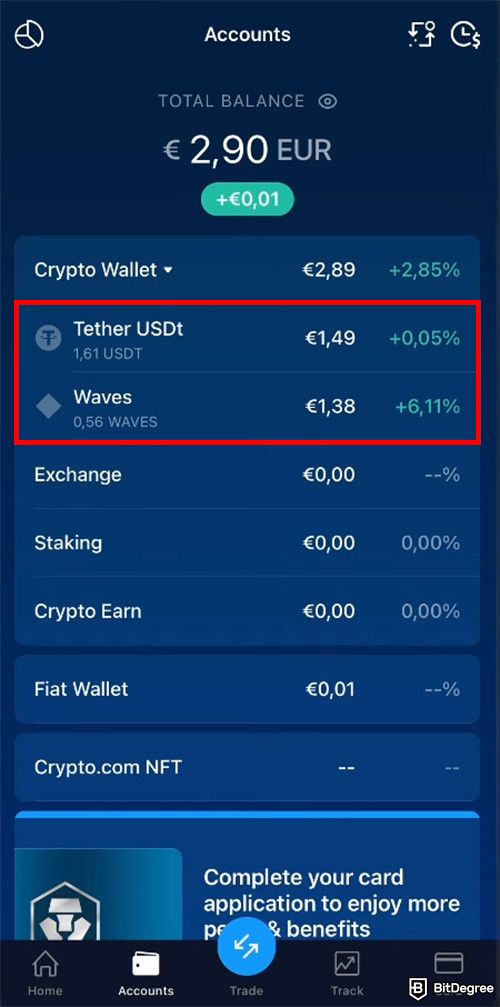
The “Fiat Wallet” is the central nervous system of the Crypto.com app. Unlike a standard crypto wallet that holds private keys for Bitcoin or Ethereum, the Fiat Wallet acts as a traditional cash account within the app. Before you can transfer money to your bank account, you must first sell your cryptocurrency into this wallet.
Setting up a Fiat Wallet is a prerequisite for selling. It involves selecting your preferred currency and, in many jurisdictions, providing additional verification to comply with Anti-Money Laundering (AML) regulations. Once established, the Fiat Wallet serves as a staging area. When you sell crypto here, the value is locked in a stable, non-volatile form, protecting your gains from the inherent fluctuations of the crypto market while you decide on your next financial move.
Understanding Trading Fees and Spread
From a financial perspective, “selling” is never truly free. When using the Crypto.com retail app, investors encounter what is known as “spread.” The spread is the difference between the buy and sell price of an asset. Because the app provides an instant, guaranteed execution, the price you receive may be slightly lower than the global “mid-market” rate.
For casual investors, this convenience is often worth the cost. However, for those moving larger volumes of capital, it is essential to monitor the “estimated return” screen before confirming a sale. Being aware of the spread allows you to make an informed decision about whether to sell in one large block or break the transaction into smaller pieces to potentially capture better pricing during periods of lower volatility.
Execution Guide: Converting Crypto to Traditional Currency
The mechanics of selling on Crypto.com are streamlined to ensure that even novice users can manage their capital without technical friction. There are three primary avenues for selling, each serving a different financial need.
Selling to Your In-App Fiat Wallet
The most common method for cashing out is selling directly to the Fiat Wallet. This is the first step for anyone intending to move money back to a traditional bank.
To execute this, you navigate to your “Accounts” tab, select the specific cryptocurrency you wish to sell, and tap the “Sell” button. You will be prompted to choose where the proceeds should go. By selecting “Fiat Wallet,” you initiate a trade that converts your tokens into cash. This cash then sits within the app, ready for withdrawal or for use in purchasing other assets later. This method is ideal for those who want to “lock in” their profits during a market peak but are not in an immediate rush to move the funds to an external bank.
Utilizing the Crypto.com Visa Card for Immediate Access
For investors who view their crypto as spendable wealth, the Crypto.com Visa Card offers a unique off-ramp. Instead of selling to a Fiat Wallet and waiting for a bank transfer, you can “Top Up” your Visa card using your crypto holdings.
When you top up the card, the app sells the selected amount of cryptocurrency at the current market rate and adds the resulting fiat value to your card balance. This allows you to immediately spend your investment gains at any merchant that accepts Visa or to withdraw cash from an ATM. From a personal finance perspective, this is one of the fastest ways to turn digital gains into tangible purchasing power, effectively bypassing the multi-day delays often associated with legacy banking systems.
Withdrawing to a Personal Bank Account
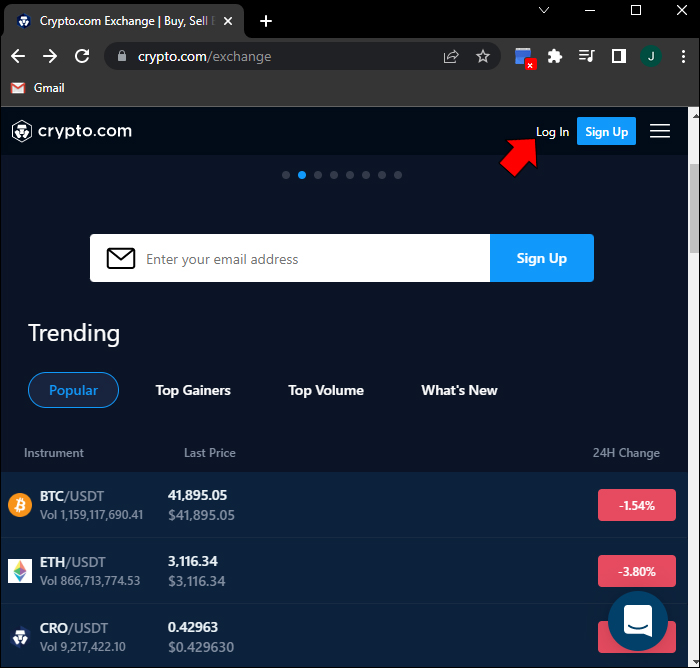
The final step in the liquidity chain is moving funds from the Crypto.com Fiat Wallet to an external bank account. This is typically done via ACH transfer in the United States, SEPA in Europe, or Faster Payments in the UK.
To initiate a withdrawal, you must have already linked a bank account, usually by making a small initial deposit to verify ownership. Once verified, you can transfer your fiat balance out of the app. It is important to note that while Crypto.com does not typically charge high fees for these withdrawals, the banking system itself may take 1 to 5 business days to process the transaction. Planning your cash flow around these settlement times is crucial for maintaining financial stability.
Strategic Financial Considerations for Every Investor
Selling cryptocurrency is not just a technical act; it is a significant financial event. How and when you sell can have lasting impacts on your net worth and your legal obligations.
Managing Tax Obligations and Capital Gains
In most jurisdictions, selling cryptocurrency is a taxable event. Whether you sell for fiat, trade for another coin, or top up a debit card, the government views this as a “disposition of an asset.” If the value of the crypto increased from the time you acquired it, you likely owe capital gains tax.
Sophisticated investors keep meticulous records of their “cost basis”—the original purchase price of the asset. Crypto.com provides transaction history exports that are vital for this process. Before selling a large position, it is wise to consult with a tax professional to understand the difference between short-term and long-term capital gains, as the tax rate can vary significantly based on how long you held the asset.
Timing the Exit: Strategic Selling vs. Panic Selling
The psychological aspect of selling is often the most difficult to master. Many investors fall into the trap of “panic selling” during market downturns, effectively turning paper losses into realized losses. Conversely, others fail to sell during “moon” phases due to greed, only to watch their profits evaporate.
A sound financial strategy often involves “Dollar-Cost Averaging” (DCA) out of a position. Instead of selling 100% of your holdings at once, you might choose to sell 10% every time the price hits a certain target. This approach mitigates the risk of missing out on further gains while ensuring that you are consistently securing profits and building your cash reserves.
Stablecoins: A Middle Ground for Reinvestment
Sometimes, you may want to sell your volatile assets like Bitcoin or Solana but aren’t ready to move the money back to a traditional bank. In this scenario, selling into a stablecoin (like USDC) is a powerful financial move.
Stablecoins are pegged to the value of a fiat currency, providing the stability of cash while remaining within the digital asset ecosystem. By selling to a stablecoin, you avoid the volatility of the market but keep your capital “on-chain,” allowing for near-instant reinvestment if a new opportunity arises. Furthermore, some platforms offer interest-bearing accounts for stablecoins, allowing your idle capital to earn a yield that often exceeds traditional savings accounts.
Ensuring Secure and Compliant Transactions
As you move larger sums of money, security and compliance become paramount. The off-ramping process is a frequent target for bad actors, and it is also the point where regulatory scrutiny is highest.
Navigating KYC and Withdrawal Limits
Crypto.com operates as a regulated financial entity. This means that to sell and withdraw significant amounts of money, you must complete “Know Your Customer” (KYC) verification. This involves providing government ID and, occasionally, proof of address.
Investors should be aware of their account’s withdrawal limits. These limits are often tiered based on your level of verification and the age of your account. Attempting to withdraw a large sum that exceeds your daily or monthly limit can result in temporary account freezes or manual reviews. To avoid frustration, ensure your verification is up to date and be aware of the platform’s limits before you need to make an urgent transfer.
Protecting Your Capital during the Off-Ramp
Security does not end once you decide to sell. In fact, the moment you have a large fiat balance in your app is a time of high risk. Ensure that Multi-Factor Authentication (MFA) is enabled—ideally using an authenticator app rather than SMS, which is vulnerable to SIM-swapping.
Furthermore, always double-check the destination of your withdrawals. When sending money to a bank account, ensure the account name matches your Crypto.com account name exactly. Discrepancies here can lead to funds being rejected by the receiving bank, leading to weeks of administrative hurdles to recover the capital. By maintaining rigorous security habits and a disciplined approach to platform mechanics, you can ensure that your transition from crypto to cash is as profitable and seamless as possible.
aViewFromTheCave is a participant in the Amazon Services LLC Associates Program, an affiliate advertising program designed to provide a means for sites to earn advertising fees by advertising and linking to Amazon.com. Amazon, the Amazon logo, AmazonSupply, and the AmazonSupply logo are trademarks of Amazon.com, Inc. or its affiliates. As an Amazon Associate we earn affiliate commissions from qualifying purchases.