
The world of digital assets has rapidly evolved, transforming the landscape of personal finance and investment. Among the myriad of cryptocurrencies, Ethereum (ETH) stands out not just as a pioneer but as a cornerstone of the decentralized economy. More than just a digital currency, ETH powers the Ethereum blockchain, a global, open-source platform for decentralized applications (dApps), smart contracts, and non-fungible tokens (NFTs). For many, buying ETH represents a strategic step into a nascent yet incredibly promising financial ecosystem.
However, navigating the process of acquiring ETH can seem daunting for newcomers. From understanding its underlying technology to choosing the right platforms and safeguarding your investment, there are several crucial steps to consider. This comprehensive guide aims to demystify the process, providing a professional, insightful, and engaging roadmap for responsibly buying ETH as part of your investment portfolio, firmly within the scope of personal finance and investing.

Understanding Ethereum (ETH) as an Investment
Before making any investment, it’s paramount to understand what you are investing in. Ethereum is not merely a digital token; it is the lifeblood of a powerful technological ecosystem with significant financial implications.
What is Ethereum (ETH)?
At its core, Ethereum is a decentralized, open-source blockchain with smart contract functionality. This means it can execute agreements automatically when certain conditions are met, without the need for intermediaries. Ether (ETH) is the native cryptocurrency of the Ethereum network. It serves multiple purposes:
-
Gas: ETH is used to pay transaction fees (known as “gas”) on the Ethereum network, compensating validators for processing and securing transactions.
-
Store of Value: Like other cryptocurrencies, ETH is increasingly viewed as a digital store of value, akin to digital gold for some investors.
-
Investment Asset: Its price is subject to market forces, making it an investment vehicle with potential for significant appreciation or depreciation.
-
Staking: With the transition to Ethereum 2.0 (now known as the Beacon Chain and subsequent upgrades), ETH holders can “stake” their ETH to help secure the network and earn rewards, akin to earning interest.
It’s important to distinguish between “Ethereum” (the blockchain platform) and “Ether” or “ETH” (the cryptocurrency token). While often used interchangeably, ETH is the asset you buy and sell, which facilitates the functions of the broader Ethereum network.
Why Invest in ETH?
The motivations for investing in ETH are diverse, ranging from speculative gain to a belief in the future of decentralized technology.
-
Potential for Capital Appreciation: ETH has demonstrated significant price growth since its inception, albeit with substantial volatility. Many investors see continued potential for appreciation as the Ethereum ecosystem expands and gains wider adoption.
-
Utility and Ecosystem Growth: Ethereum is the dominant platform for decentralized finance (DeFi), NFTs, and many other decentralized applications. Investing in ETH is, in part, an investment in the growth and utility of this ecosystem. As more projects build on Ethereum and more users engage with these applications, the demand for ETH (for gas fees and staking) could increase.
-
Portfolio Diversification: For traditional investors, adding a crypto asset like ETH can offer diversification, as its price movements do not always correlate directly with traditional assets like stocks or bonds. However, it’s crucial to acknowledge that diversification does not guarantee profit or protect against loss.
-
Technological Innovation: Ethereum is at the forefront of blockchain innovation. Its ongoing development, particularly upgrades aimed at scalability and efficiency, positions it as a key player in the future of the internet and finance.
Key Considerations Before Investing
While the potential upside is appealing, prudent investors must weigh the risks and understand the unique characteristics of cryptocurrency investments.
-
Volatility and Market Risk: ETH, like all cryptocurrencies, is extremely volatile. Its price can fluctuate wildly over short periods due to market sentiment, regulatory news, technological developments, and macroeconomic factors. Be prepared for significant price swings.
-
Regulatory Landscape: The regulatory environment for cryptocurrencies is still evolving globally. Changes in regulations could impact ETH’s price and accessibility.
-
Long-Term vs. Short-Term Strategy: Decide whether you are investing for short-term gains (trading) or long-term growth (holding). Each strategy has different implications for risk, time commitment, and tax planning.
-
“Only Invest What You Can Afford to Lose”: This golden rule of crypto investing cannot be overstressed. Given the inherent risks, allocate only a portion of your investment capital that you are comfortable losing entirely. Avoid investing funds critical for living expenses or debt repayment.
Preparing for Your ETH Purchase
Once you’ve decided to invest in ETH, the next step involves setting up the necessary infrastructure to facilitate a secure and efficient purchase. This primarily involves choosing a storage solution and an exchange platform.
Setting Up a Digital Wallet
A digital wallet is essential for storing your ETH. Think of it as your personal bank account for cryptocurrencies. The security of your wallet is paramount.
-
Importance of Secure Storage: Unlike traditional banks, you are solely responsible for the security of your digital assets. Loss of access or security breaches can lead to permanent loss of funds.
-
Types of Wallets:
-
Hot Wallets: Connected to the internet. These include exchange wallets (convenient but less secure as the exchange holds your private keys), and software wallets (desktop or mobile apps where you control your private keys, e.g., MetaMask, Trust Wallet). Hot wallets are suitable for smaller amounts or frequent transactions.
-
Cold Wallets (Hardware Wallets): Offline physical devices (e.g., Ledger, Trezor). They store your private keys offline, making them highly secure against online threats. Recommended for larger investments and long-term holding.
-
-
Security Best Practices: Always back up your seed phrase (a series of words that can recover your wallet) and store it securely offline. Enable Two-Factor Authentication (2FA) wherever possible. Never share your seed phrase or private keys with anyone.
Choosing a Reputable Cryptocurrency Exchange
A cryptocurrency exchange is a platform where you can buy, sell, and trade cryptocurrencies. Selecting the right exchange is crucial for security, convenience, and cost-effectiveness.
-
Factors to Consider:
-
Security: Look for exchanges with robust security measures (2FA, cold storage for a majority of assets, insurance policies).
-
Fees: Understand trading fees, deposit fees, withdrawal fees, and network fees (gas). These can vary significantly.
-
Supported Payment Methods: Ensure the exchange supports your preferred method (bank transfer, debit/credit card).
-
Liquidity: High liquidity ensures you can buy or sell ETH quickly at competitive prices.
-
User Interface (UI): A user-friendly interface is important, especially for beginners.
-
Customer Support: Responsive and helpful customer support can be invaluable when issues arise.
-
Regulatory Compliance: Choose exchanges that comply with local financial regulations (e.g., KYC/AML requirements).
-
-
Examples of Popular Exchanges: Globally recognized exchanges include Coinbase, Binance, Kraken, and Gemini. Research which ones operate legally and are most suitable for your region.
Funding Your Account
Once you’ve chosen an exchange, you’ll need to fund your account with fiat currency (e.g., USD, EUR) to purchase ETH.
-
Payment Methods:
-
Bank Transfer (ACH/SEPA): Often the most cost-effective method for larger deposits, though processing times can be a few business days.
-
Debit/Credit Card: Instant deposits but usually come with higher fees.
-
P2P (Peer-to-Peer): Some exchanges offer P2P trading, allowing you to buy from other users directly, often with various payment options.
-
-
Fees Associated with Different Methods: Always check the exchange’s fee schedule. Card payments often carry 3-5% fees, while bank transfers might be free or have minimal charges.
-
Linking Bank Accounts Securely: Follow the exchange’s instructions carefully to link your bank account. This typically involves providing bank details and sometimes micro-deposit verification.
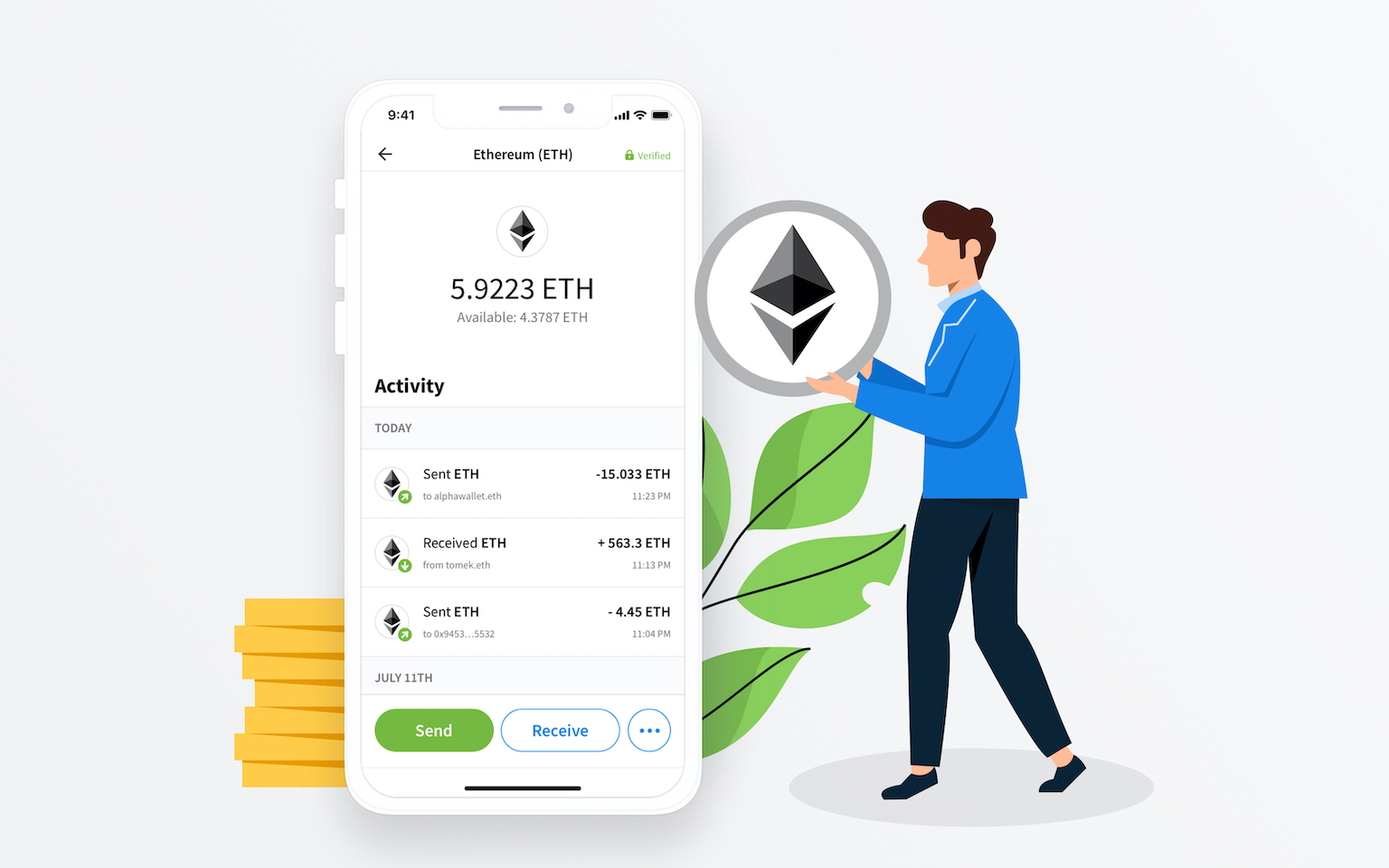
The Step-by-Step Process of Buying ETH
With your wallet set up and exchange chosen, you are ready to make your first ETH purchase. This process is fairly standardized across major platforms.
Registration and Verification (KYC)
All reputable exchanges operate under Know Your Customer (KYC) and Anti-Money Laundering (AML) regulations.
-
Account Creation: You’ll start by creating an account with your email address and a strong password.
-
Personal Details: Provide your full name, date of birth, and address.
-
ID Verification: You will typically be required to upload a photo of a government-issued ID (passport, driver’s license) and sometimes a proof of address (utility bill). This process can take a few minutes to several days, depending on the exchange and the clarity of your documents. KYC is crucial for preventing fraud and ensuring regulatory compliance.
Depositing Funds
Once your account is verified, you can deposit fiat currency.
-
Navigating the Exchange Interface: Look for sections like “Deposit,” “Fund,” or “Wallet.”
-
Selecting Deposit Method and Currency: Choose your preferred fiat currency (e.g., USD) and the deposit method (e.g., bank transfer).
-
Confirmation of Deposit: Follow the instructions. For bank transfers, you’ll receive bank details for the transfer. After initiating the transfer from your bank, funds typically appear in your exchange account within 1-5 business days. Card deposits are usually instant.
Executing Your ETH Purchase
With funds in your account, you can now buy ETH.
-
Locate the Trading Pair: On the exchange, find the ETH/USD (or ETH/EUR, etc.) trading pair.
-
Spot Buying (Market Order vs. Limit Order):
-
Market Order: This is the simplest way to buy. You specify the amount of fiat currency you want to spend, and the exchange buys ETH at the best available current market price. This is quick but you might not get the exact price you see.
-
Limit Order: You specify the exact price at which you want to buy ETH. Your order will only execute if the market price reaches your specified limit. This gives you more control over the price but your order might not fill immediately, or at all.
-
-
Understanding the Order Book (Briefly): The order book shows real-time buy and sell orders. While not strictly necessary for a simple market buy, understanding it provides insight into market depth and price action.
-
Reviewing and Confirming the Transaction: Before executing, review all details: amount of ETH, price, total cost, and any associated fees. Confirm the transaction. Your newly purchased ETH will then appear in your exchange wallet.
Withdrawing to a Personal Wallet (Optional but Recommended)
For enhanced security, especially for larger holdings or long-term investments, it is highly recommended to withdraw your ETH from the exchange to your personal hot or cold wallet.
-
When and Why to Withdraw: Exchanges, while convenient, are centralized entities and can be targets for hackers. Keeping significant amounts of crypto on an exchange exposes you to exchange-specific risks. Moving your ETH to a wallet where you control the private keys (especially a hardware wallet) significantly reduces this risk.
-
Process of Sending ETH to Your Chosen Wallet:
-
In your exchange account, find the “Withdraw” or “Send” option for ETH.
-
Enter your personal wallet address (the public address, not the private key).
-
Specify the amount of ETH you wish to withdraw.
-
-
Double-Checking Wallet Addresses: This step is critical. Blockchain transactions are irreversible. If you send ETH to the wrong address, it’s permanently lost. Always double-check the address, perhaps by sending a small test amount first, especially for larger withdrawals.
-
Understanding Network Fees (Gas): You will incur a small network fee (gas fee) to process the withdrawal on the Ethereum blockchain. This fee varies based on network congestion.
Managing Your ETH Investment
Buying ETH is just the beginning. Effective management of your investment is crucial for security, tracking performance, and adhering to financial obligations.
Security Best Practices
Ongoing vigilance is key to protecting your digital assets.
-
Strong Passwords and 2FA: Continue using strong, unique passwords for all crypto-related accounts and always enable 2FA.
-
Beware of Phishing Scams: Be skeptical of unsolicited emails, messages, or links. Always verify the authenticity of websites and communications.
-
Regularly Updating Software/Firmware: Keep your wallet software and hardware wallet firmware updated to benefit from the latest security patches.
-
Keeping Seed Phrases Offline and Secure: Your seed phrase is the master key to your funds. Never store it digitally or share it. Engrave it, write it down, and store it in multiple secure, undisclosed physical locations.
Monitoring Your Investment
Cryptocurrency markets are dynamic. Staying informed is vital.
-
Tracking Market Prices: Use reliable crypto tracking apps or websites (e.g., CoinMarketCap, CoinGecko, TradingView) to monitor ETH’s price movements.
-
Portfolio Management Tools: Consider using portfolio trackers to monitor the overall performance of your ETH and other crypto holdings.
-
Staying Informed About Market News: Follow reputable crypto news sources, analysts, and community discussions to understand market trends, regulatory changes, and technological developments that could impact ETH.
Tax Implications
Investing in cryptocurrencies has tax implications that vary by jurisdiction.
-
Capital Gains/Losses: In many countries, buying and selling ETH for profit is subject to capital gains tax. If you sell for less than you bought it, you might incur a capital loss that can offset other gains.
-
Importance of Consulting a Tax Professional: Cryptocurrency tax laws are complex and evolving. It is highly advisable to consult with a tax professional who specializes in digital assets to understand your specific obligations and optimize your tax strategy.
-
Record-Keeping: Keep meticulous records of all your crypto transactions, including purchase dates, prices, amounts, sales dates, and proceeds. This will be invaluable for tax reporting.

Conclusion
Buying ETH can be a compelling financial decision, offering exposure to cutting-edge technology and a rapidly growing ecosystem. However, it requires a disciplined, informed, and cautious approach. By understanding what ETH represents, preparing adequately with secure wallets and reputable exchanges, executing your purchase meticulously, and vigilantly managing your investment, you can navigate this exciting frontier with greater confidence.
Remember, the cryptocurrency market is characterized by high volatility and inherent risks. Therefore, always conduct thorough due diligence, only invest what you can comfortably afford to lose, and prioritize the security of your assets. Continuous learning and a long-term perspective will serve you best as you embark on your journey of investing in Ethereum.
aViewFromTheCave is a participant in the Amazon Services LLC Associates Program, an affiliate advertising program designed to provide a means for sites to earn advertising fees by advertising and linking to Amazon.com. Amazon, the Amazon logo, AmazonSupply, and the AmazonSupply logo are trademarks of Amazon.com, Inc. or its affiliates. As an Amazon Associate we earn affiliate commissions from qualifying purchases.