
In the dynamic world of cryptocurrency, understanding the nuances of how platforms like Coinbase handle your funds is paramount for effective financial management. The question of “how long does Coinbase hold funds?” is not merely a technical query; it’s a critical consideration for investors, traders, and anyone integrating digital assets into their personal finance strategy. Fund availability directly impacts liquidity, investment timing, and overall financial planning within the rapidly evolving crypto market.
Coinbase, as one of the largest and most widely used cryptocurrency exchanges, operates within a complex web of banking regulations, security protocols, and market dynamics. Consequently, the duration funds are “held” – or more accurately, the time it takes for deposited funds to become fully available for trading or withdrawal – can vary significantly. This isn’t an arbitrary delay but rather a structured process designed to ensure security, comply with financial regulations, and manage transactional risks. For individuals keen on optimizing their financial strategy in the digital asset space, grasping these mechanisms is essential for making informed decisions and avoiding potential liquidity bottlenecks.

Understanding Fund Availability on Coinbase: A Financial Perspective
The core of managing your finances on Coinbase revolves around comprehending the journey of your funds from your bank account or another crypto wallet into your Coinbase balance, and then out again. This process is rarely instantaneous, due to the inherent differences between traditional banking systems, international payment networks, and the decentralized nature of blockchain technology. From a financial standpoint, these delays translate directly into opportunity costs, planning uncertainties, and a need for strategic foresight.
Instant vs. Delayed Access: The Trade-Offs
Coinbase often provides what appears to be “instant” access for certain actions, such as purchasing cryptocurrency immediately after initiating a deposit. However, it’s crucial to distinguish between immediate purchasing power and immediate withdrawal availability. When you buy crypto with a pending bank transfer (e.g., an ACH debit), Coinbase might credit your account with the purchased assets instantly, allowing you to react to market movements. However, the underlying fiat funds are still in transit, and Coinbase effectively fronts the money. This means you typically cannot withdraw those fiat funds or the newly purchased crypto until the initial bank transfer fully clears, which can take several business days.
This dual-tier access is a strategic financial decision by Coinbase to enhance user experience while managing its own risk. For users, the trade-off is clear: pay slightly higher fees or use a faster method for immediate market participation, or use slower, often cheaper, methods knowing there will be a waiting period for full fund control. Understanding this distinction is vital for managing your capital efficiently, especially if you plan to quickly move funds between platforms or back to a traditional bank account.
Impact on Financial Liquidity and Planning
The holding periods on Coinbase have a direct and significant impact on an individual’s financial liquidity. If a substantial portion of your investment capital or available cash is tied up in pending transactions, it can limit your ability to react to sudden market changes, seize new investment opportunities, or cover urgent financial obligations outside of Coinbase. For active traders or those employing specific investment strategies (e.g., dollar-cost averaging, swing trading), even a few days’ delay can alter returns or lead to missed opportunities.
Therefore, financial planning involving Coinbase must factor in these delays. It requires users to forecast their cash flow needs, plan their deposits and withdrawals in advance, and potentially maintain a buffer of accessible funds elsewhere. Relying solely on immediate fund availability from a pending Coinbase transaction for critical financial needs is a risky strategy that can lead to unforeseen liquidity challenges.
The Role of Funding Methods in Hold Times
The method you choose to fund your Coinbase account is the primary determinant of how long funds are held. Each method carries different processing times, associated costs, and security considerations, all of which influence when your money becomes fully usable. For instance, traditional bank transfers (ACH in the US) are cost-effective but slow, while debit card purchases offer speed at a premium. Understanding these variations is the first step in strategically managing your funds on the platform. Opting for a method that aligns with your financial urgency and risk tolerance is key to navigating Coinbase’s fund availability effectively.
Navigating Coinbase’s Fund Hold Policies for Optimal Financial Management
Effective financial management on Coinbase necessitates a detailed understanding of the specific hold policies associated with various funding and withdrawal methods. Each method has its own set of rules, processing times, and potential implications for your overall financial liquidity and trading strategy. By familiarizing yourself with these nuances, you can make more informed decisions about how and when to move your money, thereby optimizing your interaction with the platform.
ACH Transfers: Standard Processing and Associated Delays
Automated Clearing House (ACH) transfers are the most common method for US customers to deposit and withdraw funds to and from Coinbase. While generally free for deposits and withdrawals, their primary characteristic is their inherent delay. Typically, an ACH deposit can take 3 to 5 business days to clear from your bank account to Coinbase. During this period, although you might be able to purchase crypto immediately, the underlying fiat funds and subsequently purchased crypto are subject to a hold, preventing withdrawal until the transfer is fully settled.
The implication for financial planning is significant: if you deposit $1,000 via ACH on a Monday, you might not be able to withdraw those funds or the crypto you bought with them until the following Monday. This delay can impact short-term investment strategies or urgent financial needs. Understanding this standard processing window is crucial for managing your expectations and planning your financial moves well in advance.
Wire Transfers: Faster, but with Specific Considerations
For users requiring faster access to larger sums of money, wire transfers present a more expedited option. Wire deposits typically clear within 1 business day, sometimes even within a few hours if initiated early in the day. However, this speed comes with a cost: wire transfers usually incur higher fees from both your bank and potentially Coinbase. Furthermore, wires have specific cut-off times; transfers initiated after a certain hour may not be processed until the next business day.
From a financial management perspective, wire transfers are ideal for individuals making substantial deposits where time-sensitive market opportunities outweigh the transaction fees. It’s an important tool for high-net-worth investors or businesses that need rapid capital deployment into the crypto market. However, careful attention to bank cut-off times and associated costs is necessary to truly benefit from their speed.
Debit Card Purchases: Instant Access, Higher Fees
Purchasing cryptocurrency with a debit card offers arguably the most immediate access to funds on Coinbase. Transactions are often instant, allowing you to buy crypto and have it reflected in your wallet almost immediately. This method bypasses the multi-day hold period associated with ACH transfers for purchasing power.
However, the financial trade-off here is considerable. Debit card purchases typically come with significantly higher fees (e.g., 3.99% per transaction) compared to bank transfers. While instant access is invaluable for reacting to sudden market dips or ensuring a timely entry into a position, consistently using a debit card for all transactions can significantly erode your investment capital due to cumulative fees. Financially savvy users will reserve debit card purchases for critical, time-sensitive scenarios where the speed justifies the higher cost, rather than as a primary funding method.
Cryptocurrency Deposits: Network Confirmations and Volatility
When depositing cryptocurrency from an external wallet or another exchange to Coinbase, the “hold” time is dictated by the respective blockchain network’s confirmation process. For Bitcoin, this typically requires several network confirmations (e.g., 3-6 confirmations, taking 30-60 minutes or more depending on network congestion). Ethereum and ERC-20 tokens might be faster, but still require a certain number of block confirmations.
The financial implication here is tied to market volatility. During the time a cryptocurrency deposit is pending confirmations, its value can fluctuate significantly. This introduces an element of market risk; the value of the crypto you send might change before it’s fully available in your Coinbase account. Prudent financial management involves understanding these network delays and potentially using stablecoins for transfers if minimizing volatility risk during transit is a priority.
Factors Influencing Fund Release Times and Your Financial Strategy
Beyond the chosen funding method, several other critical factors influence how long Coinbase holds your funds, each carrying significant implications for your financial strategy. These factors are largely rooted in regulatory compliance, risk management, and the operational specifics of global financial systems. A comprehensive understanding of these elements allows for more precise financial planning and helps mitigate unexpected delays.
Regulatory Compliance and KYC/AML Obligations
Coinbase operates under stringent Know Your Customer (KYC) and Anti-Money Laundering (AML) regulations, mandated by financial authorities globally. These regulations require exchanges to verify the identity of their users and monitor transactions for suspicious activity. Initial account setup, and sometimes periodic reviews, involve submitting personal identification documents. If there are any discrepancies or pending verifications, fund availability can be delayed.
From a financial strategy perspective, proactively completing all KYC/AML requirements is crucial. Any hold-ups in this process directly translate to delays in accessing your funds, potentially causing you to miss investment opportunities or complicate your personal financial timeline. Ensuring your account is fully verified and compliant is the bedrock of smooth financial operations on Coinbase.
Account Verification Status and Limits
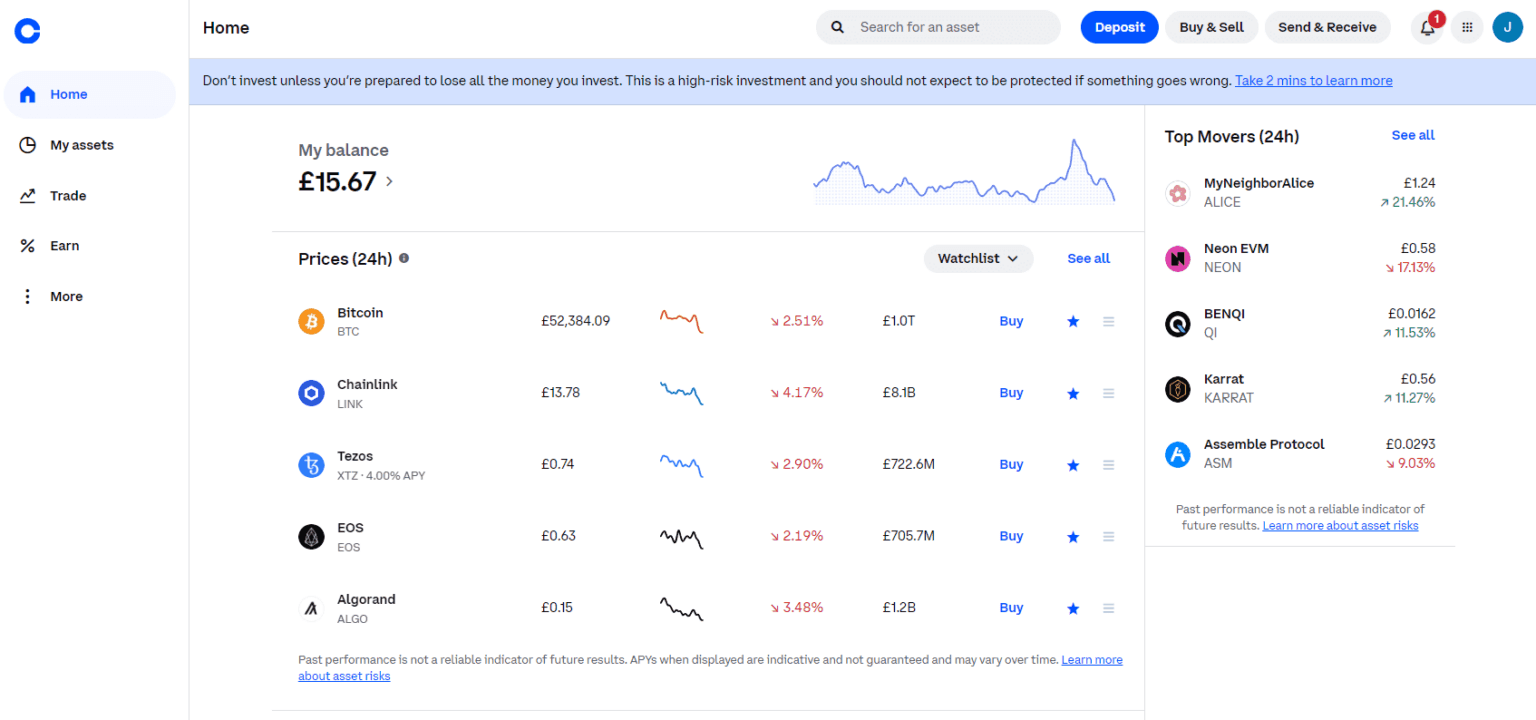
The level of verification your Coinbase account has achieved directly impacts your transaction limits and, by extension, the perceived “hold” times. Unverified or partially verified accounts typically have lower daily and weekly transaction limits for both deposits and withdrawals. Attempting to transact beyond these limits will either result in a rejection or a prolonged review process, effectively holding your funds indefinitely until the issue is resolved.
Fully verifying your account, which usually involves providing a photo ID and proof of address, unlocks higher limits and generally smoother fund processing. This is a vital step for anyone serious about regularly transacting with substantial amounts on Coinbase. Financially, higher limits mean greater flexibility and fewer interruptions to your capital movements.
Transaction Size and Risk Assessment
Larger transactions, both deposits and withdrawals, often trigger enhanced scrutiny from Coinbase’s automated risk assessment systems. While not always leading to a direct “hold,” these transactions might be subject to additional review by the security or compliance teams. This is a standard practice across financial institutions to prevent fraud and comply with AML regulations.
For your financial strategy, this means anticipating potential delays when dealing with significant sums. It’s advisable to factor in an extra buffer of time for large transfers, especially if they are time-sensitive. Sometimes, proactively notifying Coinbase support about a large upcoming transaction can help streamline the process, though this isn’t guaranteed to bypass all automated checks.
Geographic Location and Local Banking Systems
The country or region you reside in also plays a significant role in fund hold times. Different banking systems have varying operating hours, processing speeds, and regulatory frameworks. For example, a bank transfer within the US (via ACH) will have different clearance times than a SEPA transfer in Europe or an interbank transfer in Asia. International wire transfers, especially those involving multiple intermediary banks, can experience further delays.
This factor is critical for individuals managing finances across borders or those impacted by local bank holidays. Your financial strategy must account for these regional differences, as they can directly influence when your funds become available for investment or withdrawal. It’s wise to research the typical processing times for your specific region and banking partners when using Coinbase.
Strategies for Expediting Fund Access and Mitigating Financial Delays
Navigating the complexities of fund availability on Coinbase doesn’t have to be a source of constant frustration. By adopting proactive financial strategies and understanding how to leverage the platform’s features, users can significantly expedite fund access and minimize potential delays. These strategies center around preparation, method selection, and consistent account management.
Proactive Account Verification
The foundational step to mitigating fund delays is ensuring your Coinbase account is fully verified. This means completing all KYC (Know Your Customer) requirements well in advance of needing to make significant transactions. Provide all requested identification documents, link and verify bank accounts, and complete any additional verification steps promptly. A fully verified account automatically qualifies for higher transaction limits and is less likely to trigger automated security reviews that could delay fund access. From a financial perspective, this proactive step builds a reliable financial pathway between your traditional banking and crypto investments, preventing bottlenecks when opportunities arise.
Strategic Use of Funding and Withdrawal Methods
Matching the right funding or withdrawal method to your immediate financial needs is crucial.
-
For speed: If you need funds instantly to capitalize on a market opportunity, using a debit card (with its higher fees) or a wire transfer (for larger sums) might be justified. Accept the cost as a premium for speed.
-
For cost-efficiency: For planned, non-urgent transfers, ACH deposits and withdrawals are the most cost-effective. Plan these transactions with the understanding of their 3-5 business day clearance time.
-
For crypto transfers: Be aware of blockchain network congestion. During peak times, transaction fees can be adjusted to ensure faster confirmation, but this should be weighed against the potential market volatility during the transfer period.
A diversified approach, using different methods for different scenarios, allows for optimal financial flexibility.
Understanding and Managing Transaction Limits
Be acutely aware of your daily, weekly, and monthly transaction limits for both deposits and withdrawals. These limits are determined by your verification level and can vary. Attempting to exceed these limits will result in transaction rejection or a significant hold period while the transaction is reviewed, which can severely disrupt your financial plans. If you anticipate needing to move larger sums, plan to scale up your transfers over time, or proactively contact Coinbase support to inquire about temporary limit increases, providing necessary documentation. Managing limits effectively is a key component of responsible financial management on any exchange.
Maintaining a Healthy Transaction History
Consistent, legitimate activity on your Coinbase account can subtly contribute to smoother fund processing. Accounts with a long history of successful, compliant transactions are generally viewed with less suspicion by automated risk systems. This doesn’t mean fabricating activity, but rather using your account regularly for its intended purpose. Avoid frequent, large, irregular transactions, especially after periods of inactivity, as these can trigger enhanced scrutiny. A predictable transaction pattern can indirectly lead to fewer “held funds” scenarios, as the system learns to trust your financial behavior.
The Broader Financial Implications of Fund Holds on Crypto Platforms
Understanding how Coinbase holds funds extends beyond mere transaction times; it delves into the broader financial implications for investors, influencing everything from managing investment opportunities to long-term budgeting and tax planning. These are not isolated technical delays but fundamental aspects of integrating digital assets into a comprehensive financial strategy.
Managing Investment Opportunities and Market Volatility
The most immediate financial implication of fund holds is their direct impact on an investor’s ability to react to market volatility and seize fleeting investment opportunities. Cryptocurrency markets operate 24/7, exhibiting extreme price swings that can occur within minutes or hours. If your capital is tied up in a multi-day bank transfer, you might be unable to buy a dip or sell a peak, potentially resulting in missed gains or exacerbated losses.
This requires a strategic financial approach:
-
Pre-funding: Keep a portion of your investable capital already on Coinbase, perhaps in stablecoins, to ensure immediate access for market movements.
-
Diversification: Don’t put all your “opportunity capital” into pending transfers. Maintain some liquidity elsewhere.
-
Risk assessment: Factor in potential fund delays when making investment decisions, especially for highly volatile assets. The “opportunity cost” of a fund hold can sometimes outweigh the initial transaction cost savings.
Budgeting and Emergency Fund Considerations
Integrating cryptocurrency investments into your personal finance necessitates careful budgeting and a robust emergency fund. The delays in fund access on platforms like Coinbase mean that crypto assets should generally not be considered as part of your immediately liquid emergency fund. Relying on selling crypto and withdrawing fiat funds within a few days for an unforeseen expense is often unrealistic due to processing times.
Therefore, financial planning should clearly distinguish between highly liquid assets (e.g., traditional savings accounts, easily accessible investments) and less liquid crypto assets. Your emergency fund should remain in traditional banking instruments that offer instant access. When budgeting for crypto investments, allocate funds that you can afford to have tied up for several days or even weeks, acknowledging the potential for both market volatility and platform-related delays.
Taxation and Record-Keeping for Crypto Assets
While not directly related to fund holds, the movement of funds on and off Coinbase has significant tax implications that savvy investors must consider. Every crypto-to-crypto trade, sale of crypto for fiat, or even using crypto for purchases can be a taxable event. Understanding when funds clear and assets are officially transferred on Coinbase is crucial for accurate record-keeping.
Financial due diligence requires meticulous tracking of deposit dates, withdrawal dates, purchase prices, and sale prices. The “held funds” period can sometimes complicate these records if not carefully documented. Utilize Coinbase’s transaction history and tax reporting tools, but also maintain your own detailed records. Consulting with a tax professional experienced in cryptocurrency is highly recommended to ensure compliance and optimize your tax strategy.

The Evolving Landscape of Digital Asset Custody
Finally, the discussion of fund holds touches upon the broader theme of digital asset custody. While Coinbase provides a secure and convenient platform, it is still a centralized entity. The time it takes for funds to move reflects the institutional checks and balances required for such platforms. Understanding these financial and operational realities encourages a holistic view of your crypto assets.
Some investors opt for self-custody (holding crypto in personal hardware wallets) for ultimate control and freedom from exchange-imposed holds. However, self-custody comes with its own set of risks and responsibilities. The “held funds” experience on Coinbase serves as a reminder that financial institutions, even in the digital realm, operate with necessary safeguards and processes that impact your immediate access to capital. A balanced financial strategy often involves leveraging both the convenience of exchanges like Coinbase and the security of personal custody for different portions of your digital assets.
aViewFromTheCave is a participant in the Amazon Services LLC Associates Program, an affiliate advertising program designed to provide a means for sites to earn advertising fees by advertising and linking to Amazon.com. Amazon, the Amazon logo, AmazonSupply, and the AmazonSupply logo are trademarks of Amazon.com, Inc. or its affiliates. As an Amazon Associate we earn affiliate commissions from qualifying purchases.