
In the landscape of modern media, few intellectual properties have demonstrated the sheer resilience and strategic adaptability of The Walking Dead. While a casual viewer might define the series as a television show about a post-apocalyptic world overrun by the undead, from a brand strategy and corporate identity perspective, the answer is far more complex. The Walking Dead is, in essence, a masterclass in narrative brand architecture, representing a shift from a singular comic book series to a multi-billion dollar global franchise that redefined cable television and the survival-horror genre.

To understand what The Walking Dead is truly about, one must look past the gore and examine the underlying brand pillars that have sustained its relevance for over a decade. It is a case study in how to cultivate a “sticky” brand through emotional resonance, visual consistency, and aggressive multi-platform expansion.
Defining the Core Brand Identity: Beyond the Zombie Tropes
The primary success of The Walking Dead lies in its ability to pivot its core brand proposition. Traditionally, zombie media was relegated to a niche sub-genre of horror, defined by “shocks” and “scares.” The creators of The Walking Dead, however, positioned the brand as a “human survival drama” that happens to feature zombies.
The Human Element as a Unique Selling Proposition (USP)
In marketing and brand strategy, a Unique Selling Proposition (USP) is what sets a product apart from its competitors. The USP of The Walking Dead was its focus on the “walking dead” actually referring to the survivors, not the monsters. By centering the brand on human psychology, leadership dynamics, and ethical dilemmas, the franchise appealed to a much broader demographic than traditional horror fans. This strategic positioning allowed the brand to occupy a space in prestige television, moving it away from the “B-movie” associations of its predecessors.
Consistency Across Visual and Emotional Touchpoints
A strong brand requires consistent visual and emotional cues. The Walking Dead established a distinct aesthetic—desaturated colors, decaying landscapes, and an iconic, gritty logo that evolved over time to reflect the “rot” of the world. This visual identity remained constant across comics, television, video games, and merchandise. Emotionally, the brand promised a specific experience: high stakes, no character safety, and a relentless exploration of the cost of survival. By consistently delivering on this emotional brand promise, AMC (the network behind the show) built a high level of brand trust with its audience.
The Evolution of a Multi-Platform Ecosystem
From a corporate identity perspective, The Walking Dead is not just a show; it is an ecosystem. Its strategy mimics that of a tech giant or a high-end lifestyle brand, where the “flagship” product serves as the entry point for a wider suite of offerings. This approach, known as vertical integration and transmedia storytelling, ensures that the brand remains top-of-mind even when the main series is not airing.
Vertical Integration and Spin-off Strategies
The “Walking Dead Universe” (TWDU) is a textbook example of brand extension. When the flagship series reached its peak, the brand architects at AMC launched Fear the Walking Dead, followed by World Beyond, Tales of the Walking Dead, and character-specific sequels like Dead City and The Ones Who Live.
This strategy serves two purposes. First, it mitigates risk; if one “product” (show) fails to resonate, the brand as a whole survives through its other iterations. Second, it allows the brand to target different segments of the market. For instance, World Beyond was strategically designed to capture a Younger Adult (YA) demographic, while the flagship series maintained its core adult audience.
Transmedia Storytelling and Fan Engagement
The brand’s reach extends far beyond the television screen. The Walking Dead successfully migrated into the gaming industry (notably with the Telltale Games series), literature, and even location-based entertainment like theme park attractions.
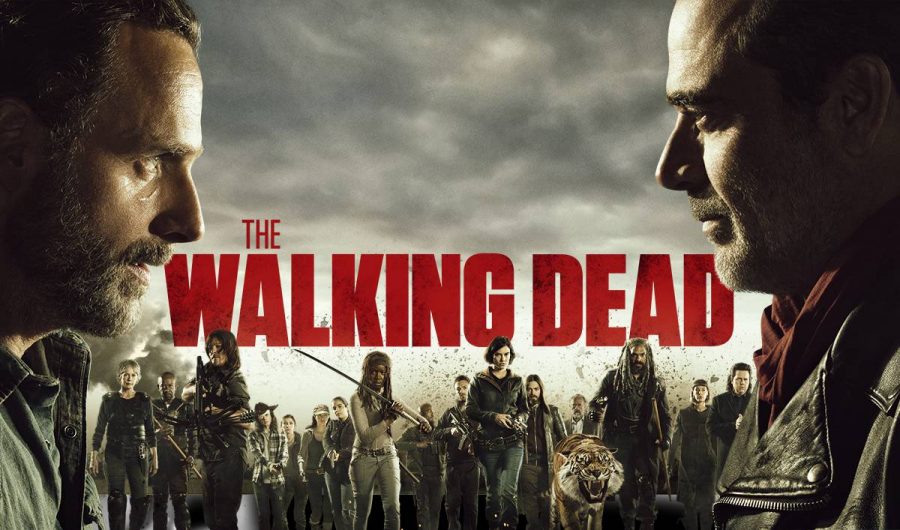
This transmedia approach is critical for modern brand survival. By allowing consumers to interact with the IP through different mediums, the brand creates multiple touchpoints for engagement. The “Talking Dead” after-show is another strategic masterpiece; it served as a community-building tool, turning passive viewers into active participants in the brand’s narrative. This created a feedback loop that boosted loyalty and sustained viewership numbers during narrative lulls.
Brand Resilience and Adaptation in a Saturated Market
Maintaining a brand for fourteen years is an anomaly in the fast-paced digital era. The Walking Dead faced the inevitable challenges of brand fatigue and a changing media landscape, particularly the shift from cable to streaming. Its ability to remain a top-tier IP is a result of calculated reinvention and strategic partnerships.
Managing Brand Fatigue and Reinvention
In brand management, “fatigue” occurs when a product becomes too predictable or over-saturated. The Walking Dead countered this by implementing strategic “reboots” within its own narrative. The introduction of new antagonists (such as Negan or the Whisperers) functioned like a seasonal product refresh. These milestones were marketed as major brand events, successfully re-engaging lapsed consumers.
Furthermore, the brand’s transition from a single narrative thread to a decentralized “anthology” style allowed it to shed the weight of its own history. By ending the flagship series and moving toward shorter, high-budget limited series, the brand adapted to the modern consumer’s preference for “bingeable,” high-quality content over long-form procedural dramas.
Strategic Partnerships and Global Distribution
The global brand strategy for The Walking Dead involved complex licensing agreements that ensured international ubiquity. By partnering with Fox International and later Disney+, the brand maintained a presence in over 120 countries. This global distribution network transformed the show from a domestic hit into a global cultural phenomenon. The “dead” became a universal language, allowing the brand to transcend cultural and linguistic barriers, much like Coca-Cola or Nike.
Lessons for Modern Brand Architects
The story of The Walking Dead offers several vital lessons for anyone involved in brand strategy, marketing, or corporate identity. It demonstrates that the longevity of a brand depends less on the specific “product” and more on the values and experiences that product represents.
The Power of Community and Cultural Relevance
The Walking Dead succeeded because it tapped into the cultural zeitgeist of the 2010s—a period characterized by economic uncertainty and a fascination with societal collapse. The brand became a mirror for contemporary anxieties. For brand managers, the lesson is clear: your brand must resonate with the current cultural climate to achieve maximum impact.
Furthermore, the franchise invested heavily in its community. Through social media engagement, “Walker Stalker” conventions, and interactive fan experiences, the brand turned its audience into brand ambassadors. In the digital age, a brand is not what the company says it is; it is what the community perceives it to be.

Scalability within a Niche Framework
Finally, The Walking Dead proves that a niche concept (zombies) can be scaled into a mass-market powerhouse if the branding is handled with sophistication. By focusing on high production values, celebrity casting, and complex storytelling, the brand elevated its entire category.
In conclusion, when asking “what is The Walking Dead show about,” the answer is that it is a sophisticated media brand that leveraged a clear USP, a consistent visual identity, and a bold multi-platform expansion strategy to dominate the entertainment market. It is a testament to the power of strategic IP management and a roadmap for how modern brands can survive and thrive in a volatile, ever-changing environment. It is about the endurance of an identity in a world where everything else has fallen apart—a fitting metaphor for both the fictional survivors and the brand itself.
aViewFromTheCave is a participant in the Amazon Services LLC Associates Program, an affiliate advertising program designed to provide a means for sites to earn advertising fees by advertising and linking to Amazon.com. Amazon, the Amazon logo, AmazonSupply, and the AmazonSupply logo are trademarks of Amazon.com, Inc. or its affiliates. As an Amazon Associate we earn affiliate commissions from qualifying purchases.