
Navigating the landscape of automotive financing requires a keen understanding of the Annual Percentage Rate (APR). For most consumers, a vehicle represents the second-largest purchase they will make in their lifetime, trailing only behind a home. Because of the scale of this investment, the APR attached to a car loan is not merely a minor detail; it is a fundamental driver of your long-term financial health. The “typical” APR is a moving target, influenced by macroeconomic shifts, institutional policies, and your individual financial profile. To secure the most advantageous terms, one must look beyond the monthly payment and dissect the components that constitute a competitive rate in today’s market.

Decoding APR: Beyond the Basic Interest Rate
When shopping for a car loan, many buyers mistakenly use the terms “interest rate” and “APR” interchangeably. While they are closely related, understanding the distinction is the first step toward sophisticated financial management.
The Difference Between Interest Rate and APR
The interest rate is the percentage of the principal amount that a lender charges you to borrow the money. This is the base cost of the capital. The APR, however, is a broader measure. It includes the interest rate plus any additional fees or costs associated with the loan, such as origination fees, documentation fees, or prepaid interest. Because the APR reflects the total cost of credit on an annual basis, it is almost always higher than the base interest rate. In the context of personal finance, the APR provides a more transparent and standardized way to compare offers from different lenders.
Why APR Is the Ultimate Comparison Tool
Lenders often use low-interest rates as a marketing hook, but they may compensate for those low rates with high closing costs or administrative fees. By focusing on the APR, you are comparing the total cost of the debt. For instance, a loan with a 5.5% interest rate and $500 in fees might actually be more expensive than a loan with a 5.7% interest rate and zero fees. In a professional financial strategy, the APR acts as the “true north” that allows you to cut through marketing noise and see the actual impact on your net worth.
The Primary Drivers of Your Personalized APR
There is no single “typical” APR that applies to everyone. Instead, rates are tiered based on risk assessment. Lenders use several key metrics to determine where you fall on the spectrum of interest rates.
The Weight of Your Credit Score
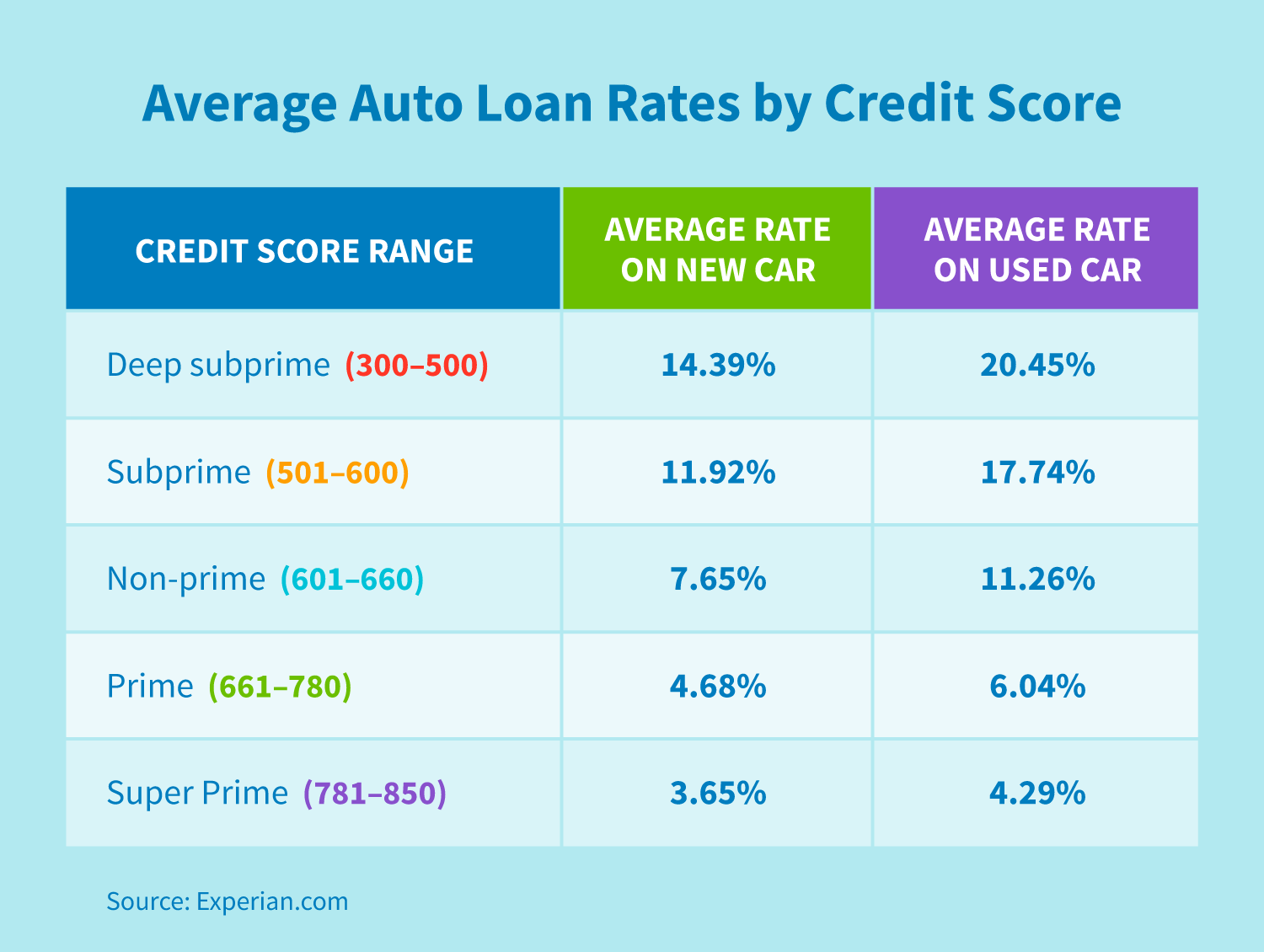
Your credit score is the most significant factor in determining your APR. Lenders categorize borrowers into tiers: Super Prime (780-850), Prime (660-779), Non-Prime (601-659), Subprime (501-600), and Deep Subprime (300-500).
-
Super Prime Borrowers: These individuals typically see the lowest APRs, often ranging from 5% to 7% for new cars in a standard market.
-
Subprime Borrowers: Those with lower scores may face APRs exceeding 15% to 20%.
The difference in total interest paid over the life of a five-year loan between these two tiers can amount to tens of thousands of dollars. From a wealth-building perspective, improving your credit score by even 50 points before applying for a car loan is often the most effective “investment” you can make.
New vs. Used: Why Age Matters to Lenders
The age of the vehicle plays a critical role in the typical APR offered. Generally, new cars carry lower APRs than used cars. This seems counterintuitive to some, as used cars are cheaper, but it boils down to collateral value. New cars are easier to value and have a higher resale potential if the lender needs to repossess the vehicle. Furthermore, manufacturers often provide “subvented” financing—promotional rates like 0% or 1.9%—to move new inventory. Used cars, especially those older than five years, are seen as higher risk, and typical APRs for used vehicles are often 2% to 5% higher than those for new vehicles within the same credit tier.
Loan Duration and the Risk Premium
The length of your loan term also influences your APR. While 60-month (five-year) and 72-month (six-year) loans have become the industry standard, extending the term usually increases the interest rate. Lenders view longer terms as higher risk because the future value of the vehicle is more uncertain, and the likelihood of the borrower facing financial hardship increases over time. A 48-month loan will almost always have a lower APR than an 84-month loan. Strategically, choosing the shortest term you can afford is a hallmark of sound business finance.
Current Market Benchmarks and Industry Averages
To understand what is typical today, we must look at the influence of the broader economy. Central bank policies, inflation, and the cost of capital for banks all trickle down to the consumer car loan market.
Average Rates by Credit Tier
In the current economic climate, “typical” APRs have trended upward as the Federal Reserve has adjusted rates to combat inflation.
-
For new cars, a Super Prime borrower might expect a typical APR between 5.5% and 6.5%. A Prime borrower might see 7% to 9%, while Subprime borrowers could face rates of 14% or higher.
-
For used cars, the numbers shift significantly. A Super Prime borrower may see a typical APR of 7% to 8%, while Subprime borrowers often see rates climb to 18% to 21%.
Institutional Variations: Banks, Credit Unions, and Dealerships
Where you get your loan matters as much as your credit score.
-
Credit Unions: Often offer the lowest APRs because they are member-owned non-profits. They typically beat big bank rates by 1% to 2%.
-
Traditional Banks: Offer competitive rates to existing customers with high credit scores but may have stricter lending criteria.
-
Captive Finance Companies: These are the lending arms of manufacturers (e.g., Ford Credit, Toyota Financial Services). They are the primary source of promotional 0% or low-APR offers, usually reserved for Super Prime buyers.
-
Independent Dealerships: Often add a “markup” to the APR provided by a bank as a commission for facilitating the loan. This is why getting a pre-approval from an outside source is a critical financial tool for negotiation.
Strategic Maneuvers to Lower Your Annual Percentage Rate
Securing a typical or below-typical APR is not a matter of luck; it is the result of deliberate financial planning.
The Power of the Down Payment
A substantial down payment reduces the Loan-to-Value (LTV) ratio. Lenders are more comfortable offering lower APRs when they have more “skin in the game” from the borrower. Aiming for a 20% down payment is a classic personal finance rule (the 20/4/10 rule) that not only helps secure a better rate but also prevents you from becoming “upside down” on the loan, where you owe more than the car is worth.
Shopping for Pre-Approvals
One of the most effective ways to ensure you aren’t paying more than the typical APR is to enter the dealership with a pre-approval letter from a credit union or online lender. This effectively turns you into a “cash buyer” in the eyes of the salesperson. If the dealership wants you to finance through them, they must beat or match the rate you already have. This creates a competitive environment that works in your favor.
Timing and Seasonality
While less impactful than credit scores, timing can influence APRs. Lenders and dealerships have quotas to meet at the end of months and quarters. Furthermore, manufacturers often release aggressive financing incentives during holiday sales events (Memorial Day, Labor Day, Year-End). Keeping an eye on these cycles can help you catch a promotional APR that is significantly lower than the market average.
The Economic Ripple Effect: How Your Car Loan Affects Your Financial Future
Viewing a car loan in isolation is a mistake. Every dollar spent on interest is a dollar that isn’t being invested in assets that appreciate.
Opportunity Costs and Wealth Building
If you take out a $40,000 car loan at an 8% APR over six years instead of a 4% APR, you will pay roughly $5,500 more in interest. If that $5,500 were invested in a diversified index fund with an average 7% annual return, it would grow significantly over the following decades. Understanding the “typical” APR helps you minimize this leakage of capital. In the world of side hustles and online income, the goal is often to maximize cash flow; a high-APR car loan is a direct drain on that cash flow.
Refinancing as a Corrective Measure
If you currently hold a car loan with an APR that is higher than the current “typical” rate for your credit tier, refinancing is a viable financial tool. If your credit score has improved since you first took out the loan, or if market rates have dropped, you can replace your high-interest debt with a new loan at a lower rate. This can reduce your monthly obligations and the total interest paid over the life of the vehicle.

The Final Assessment
The “typical” APR for a car loan is a multifaceted figure that serves as a barometer for your financial standing and the health of the economy. By maintaining a high credit score, choosing shorter loan terms, and utilizing competitive tools like pre-approvals, you can ensure that you stay below the average and keep more of your hard-earned money. In the realm of personal finance, the objective is always to minimize the cost of liabilities while maximizing the growth of assets. Mastering the nuances of car loan APRs is a foundational step in achieving that balance.
aViewFromTheCave is a participant in the Amazon Services LLC Associates Program, an affiliate advertising program designed to provide a means for sites to earn advertising fees by advertising and linking to Amazon.com. Amazon, the Amazon logo, AmazonSupply, and the AmazonSupply logo are trademarks of Amazon.com, Inc. or its affiliates. As an Amazon Associate we earn affiliate commissions from qualifying purchases.