
Understanding your loan payments is a cornerstone of sound personal finance. Whether you’re considering a mortgage, a car loan, student debt, or a personal loan, the monthly obligation is often the primary factor that dictates affordability and shapes your financial future. Far from being a mere number, your loan payment represents a commitment, an investment, and a strategic decision. This article will demystify how loan payments are calculated, the variables that influence them, and provide practical tools and strategies to help you anticipate, understand, and even manage your financial commitments effectively.
Understanding the Fundamentals of Loan Payments
At its heart, a loan payment is a regular sum of money you pay back to a lender over a specified period. This payment isn’t just about repaying the principal amount you borrowed; it also includes the cost of borrowing money, which is the interest. Grasping these foundational elements is crucial for anyone navigating the lending landscape.
Key Components of a Loan
Every loan, regardless of its type, is built upon a few fundamental components:
-
Principal: This is the initial amount of money you borrow from the lender. If you take out a $20,000 car loan, $20,000 is your principal.
-
Interest Rate: Expressed as a percentage, the interest rate is the cost of borrowing the principal. It’s the fee the lender charges for letting you use their money. A higher interest rate means a more expensive loan.
-
Loan Term: This refers to the duration over which you agree to repay the loan. It could be 12 months for a small personal loan, 5 years for a car loan, or 30 years for a mortgage. The loan term significantly impacts the size of your monthly payment and the total interest paid over the life of the loan.
-
Payment Frequency: Most commonly, loan payments are made monthly, but some loans may offer bi-weekly or quarterly options.
The Amortization Process Explained
Most traditional loans, especially mortgages and car loans, are “amortizing” loans. Amortization is the process of paying off debt over time through regular, equal payments. Each payment you make is split into two parts: one portion goes towards paying down the principal, and the other goes towards paying the interest.
Early in the loan term, a larger portion of your payment typically goes towards interest, and a smaller portion towards the principal. As time progresses and the principal balance decreases, the interest portion of your payment shrinks, and more of your payment is allocated to paying down the principal. This systematic reduction of the principal balance over the loan term ensures that the loan is fully paid off by the end of the agreed-upon period. Understanding amortization helps explain why making extra principal payments, especially early on, can have such a profound impact on the total interest paid and the loan’s overall duration.
Why Your Payment Matters
Your monthly loan payment isn’t just a number; it’s a significant financial commitment that directly impacts your:
-
Monthly Budget: It’s a fixed expense that needs to be factored into your regular spending plan.
-
Debt-to-Income Ratio (DTI): Lenders use DTI to assess your ability to manage monthly payments and repay debts. High loan payments can elevate your DTI, potentially limiting your ability to take on new credit.
-
Financial Goals: Large payments can reduce discretionary income, potentially delaying savings, investments, or other financial aspirations.
-
Stress Levels: Manageable payments contribute to financial peace of mind, while overly burdensome ones can lead to significant stress.
The Core Variables Influencing Your Payment
To accurately estimate your loan payment, you need to understand the interplay of several critical variables. Each factor can significantly swing the final number, making it essential to evaluate them carefully before committing to a loan.
Principal Amount: The Loan’s Foundation
The most straightforward variable is the principal — the actual amount of money you borrow. Logically, the more you borrow, the higher your monthly payment will be, assuming all other factors remain constant. Reducing the principal through a larger down payment, for instance, is one of the most effective ways to lower your subsequent monthly payments. For a home, putting 20% down vs. 5% down can result in dramatically different monthly mortgage payments.
Interest Rate: The Cost of Borrowing
The interest rate is arguably the most powerful variable when it comes to the total cost of your loan and, consequently, your monthly payment. Even a small difference in the interest rate can lead to significant savings or additional costs over the life of a long-term loan. Interest rates can be:
-
Fixed: The rate remains the same throughout the loan term, providing predictable payments.
-
Variable (Adjustable): The rate can change periodically based on a benchmark index, leading to fluctuating monthly payments.
-
Annual Percentage Rate (APR): This is the true annual cost of a loan, including the interest rate and certain fees. It gives a more comprehensive picture than just the nominal interest rate.
Your credit score plays a monumental role here. Borrowers with excellent credit typically qualify for the lowest interest rates, while those with fair or poor credit will often face much higher rates, driving up their payments and the overall cost of borrowing.
Loan Term: Time and Its Impact
The loan term, or repayment period, is a double-edged sword.
-
Shorter Loan Term: Results in higher monthly payments because you’re paying off the principal over a shorter period. However, you pay significantly less interest over the life of the loan. For example, a 15-year mortgage will have higher monthly payments than a 30-year mortgage for the same principal, but the total interest paid will be substantially lower.
-
Longer Loan Term: Leads to lower monthly payments, making the loan seem more affordable on a month-to-month basis. The trade-off is that you’ll pay much more in total interest because the principal takes longer to pay down, and interest accrues for a longer duration.
Choosing the right loan term involves balancing affordability with the total cost of the loan.
Other Fees and Charges
While not always directly included in the monthly payment calculation formula, various fees can significantly impact the overall cost of your loan and, in some cases, be rolled into the principal, thus increasing your payment. These can include:
-
Origination Fees: Charged by the lender for processing the loan.
-
Application Fees: A fee to apply for the loan.
-
Closing Costs: For mortgages, these include a variety of charges like appraisal fees, title insurance, and legal fees.
-
Prepayment Penalties: Some loans might charge a fee if you pay off the loan earlier than scheduled (though these are less common today, especially for consumer loans).
-
Insurance: Mortgage insurance (PMI) for conventional loans with less than 20% down, or FHA mortgage insurance, adds to your monthly housing expense.
Always ask for a clear breakdown of all fees associated with a loan to understand the complete financial commitment.
Practical Ways to Calculate Your Loan Payment
Armed with an understanding of the key variables, you can now approach the actual calculation of your loan payment. While complex financial calculators are available, the underlying principles are relatively straightforward.
Manual Calculation: The EMI Formula
For those who appreciate the math, the Equal Monthly Installment (EMI) formula is the standard for amortizing loans:

$$EMI = P times R times (1 + R)^N / ((1 + R)^N – 1)$$
Where:
-
P = Principal loan amount
-
R = Monthly interest rate (annual rate divided by 12)
-
N = Loan term in months
Let’s say you borrow $10,000 at an annual interest rate of 5% for 3 years.
-
P = $10,000
-
R = 0.05 / 12 = 0.00416667
-
N = 3 years * 12 months/year = 36 months
Plugging these values into the formula would yield your precise monthly payment. While useful for understanding, most people opt for more convenient methods.
Leveraging Online Loan Calculators
The easiest and most common way to calculate loan payments is through online loan calculators. Virtually every bank, credit union, and financial website offers free, user-friendly tools. These calculators typically require you to input:
-
The principal loan amount
-
The annual interest rate
-
The loan term (in years or months)
With a click, they provide an estimated monthly payment, often breaking down how much goes to principal and interest over the loan’s life. Many also allow you to factor in down payments, additional fees, or even property taxes and insurance for mortgages. These tools are invaluable for comparing different loan scenarios quickly and efficiently.
Consulting Your Lender Directly
Once you’re serious about a specific loan, the most accurate source for your exact payment will be the lender itself. Whether you’re pre-approved for a mortgage or getting a quote for a car loan, the lender will provide you with a precise payment schedule, often called an amortization schedule, which details every payment, how much goes to principal and interest, and the remaining balance. Always confirm the final payment amount with the lender before signing any loan agreement.
Strategies to Manage and Potentially Lower Your Payments
Understanding how your payment is calculated is just the first step. Proactive management can significantly impact your financial well-being.
Optimizing Your Loan Terms Before Signing
The best time to manage your payments is before you take out the loan:
-
Improve Your Credit Score: A higher credit score qualifies you for lower interest rates, directly reducing your payments and total interest paid.
-
Increase Your Down Payment: A larger down payment reduces the principal amount borrowed, leading to smaller monthly payments.
-
Shop Around for Lenders: Different lenders offer varying rates and terms. Comparing offers can secure you the most favorable deal.
-
Choose the Right Loan Term: Balance a lower monthly payment (longer term) with the desire to pay less interest overall (shorter term). Be honest about what you can comfortably afford.
Refinancing Existing Loans
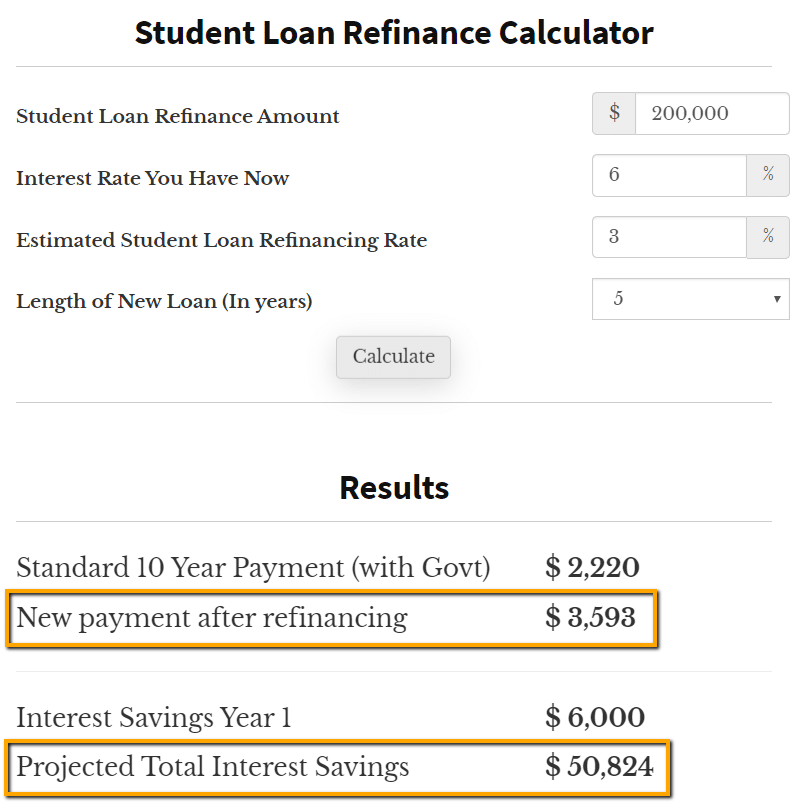
If you already have a loan and market conditions have changed, or your financial situation has improved, refinancing might be an option. Refinancing involves taking out a new loan to pay off an existing one, often with more favorable terms. You might refinance to:
-
Obtain a Lower Interest Rate: If rates have dropped or your credit score has improved.
-
Change Your Loan Term: Shorten the term to pay off the loan faster and save interest, or lengthen it to lower monthly payments (though this increases total interest).
-
Switch from Variable to Fixed Rate: To gain predictability in your payments.
Refinancing usually involves fees, so carefully weigh the costs against the potential savings.
Making Extra Payments and Its Benefits
Even small additional payments can have a powerful effect, especially early in an amortizing loan:
-
Accelerated Principal Reduction: Every extra dollar paid towards principal directly reduces the loan balance, meaning less interest accrues in subsequent periods.
-
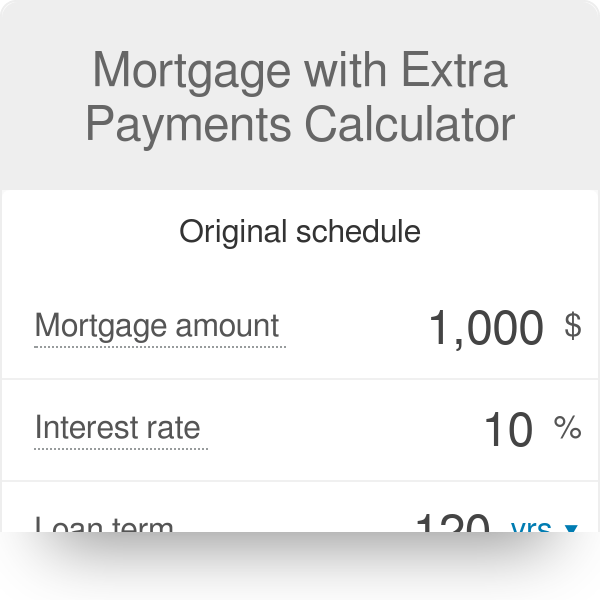
Reduced Total Interest Paid: Paying down the principal faster shortens the loan term, saving you substantial amounts in interest over time.
-
Early Loan Payoff: Frees up your monthly budget for other financial goals.
Ensure your lender applies extra payments directly to the principal and doesn’t charge prepayment penalties. Some lenders may allow you to make bi-weekly payments, which essentially equates to making an extra month’s payment each year.
Debt Consolidation for Simplicity
If you’re juggling multiple high-interest debts (like credit card balances or several small personal loans), debt consolidation can simplify your finances and potentially lower your overall monthly outlay. This involves taking out a single, larger loan (often at a lower interest rate) to pay off all your smaller debts. This results in one manageable monthly payment, which can be easier to track and budget for. Common consolidation methods include personal loans, balance transfer credit cards, or home equity loans. Evaluate the interest rate and fees carefully to ensure it’s truly beneficial.
Beyond the Monthly Payment: A Holistic View
While the monthly payment is a critical figure, smart financial planning demands looking beyond just that immediate number to the broader implications of your debt.
Total Cost of the Loan
Always calculate the total cost of the loan, which is the sum of the principal borrowed plus all the interest you will pay over the entire loan term, including any upfront fees. A lower monthly payment achieved by extending the loan term might seem appealing, but it often dramatically increases the total interest paid, making the loan far more expensive in the long run. Use online calculators to compare the total cost of different loan scenarios.
Impact on Your Debt-to-Income Ratio
Your DTI ratio is a crucial metric lenders use to assess your borrowing risk. It’s calculated by dividing your total monthly debt payments by your gross monthly income. A high DTI (typically above 36% or 43%, depending on the lender and loan type) can make it difficult to qualify for new loans or lines of credit, even if you have excellent credit. Understanding how a new loan payment will affect your DTI can prevent future financial roadblocks.
Planning for Future Financial Flexibility
Every loan payment is a commitment that occupies a portion of your monthly income. Before taking on a new loan, consider how this payment will affect your ability to save for retirement, build an emergency fund, invest, or pursue other financial goals. Ensure your loan payments leave you with enough discretionary income to handle unexpected expenses and continue progressing towards your long-term objectives. Financial flexibility is about having choices, and excessive debt can severely limit those choices.
In conclusion, understanding “how much will my loan payment be” is more than just running numbers; it’s about gaining clarity, control, and confidence over your financial life. By knowing the variables, utilizing the right tools, and employing smart strategies, you can make informed borrowing decisions that align with your financial goals and contribute to your overall financial well-being. Always approach borrowing with careful consideration, thorough calculation, and a clear vision of its impact on your financial future.
aViewFromTheCave is a participant in the Amazon Services LLC Associates Program, an affiliate advertising program designed to provide a means for sites to earn advertising fees by advertising and linking to Amazon.com. Amazon, the Amazon logo, AmazonSupply, and the AmazonSupply logo are trademarks of Amazon.com, Inc. or its affiliates. As an Amazon Associate we earn affiliate commissions from qualifying purchases.