
For many, a car represents freedom, convenience, and a crucial link to work, family, and daily life. Yet, for all its utility, the financial commitment of a car loan can be a significant undertaking. Understanding how to make car payments goes far beyond simply handing over money; it encompasses knowing your loan, utilizing efficient payment methods, and adopting smart financial strategies to manage this debt effectively. This comprehensive guide will demystify the process, offering insights into navigating your car loan with confidence and financial acumen.
Understanding Your Car Loan: The Fundamentals
Before you can efficiently make a car payment, you must first understand the bedrock of your obligation: the car loan itself. This isn’t just a monthly bill; it’s a contract with specific terms that dictate your financial responsibilities. Grasping these fundamentals is the first step towards sound financial management.

Key Components of Your Car Loan
Every car loan agreement contains several critical pieces of information that directly impact your payments. The principal amount is the initial sum borrowed to purchase the vehicle. The interest rate is the cost of borrowing that money, expressed as a percentage, which significantly influences your total repayment. The loan term dictates the duration over which you will repay the loan, typically measured in months (e.g., 36, 48, 60, 72 months). A longer term generally means lower monthly payments but often results in paying more interest over the life of the loan. Finally, your monthly payment amount is the fixed sum you are obligated to pay each billing cycle, comprising both principal and interest. Other factors might include fees (origination fees, late fees) and details about prepayment penalties, though these are less common with car loans today. It’s also vital to distinguish between a secured loan (like a car loan, where the car itself acts as collateral) and an unsecured loan, as this affects the lender’s recourse if you default.
Where to Find Your Loan Details
Once you’ve signed the dotted line, your lender (bank, credit union, or captive finance company like Toyota Financial Services) will provide you with a loan agreement or contract. This document is your primary source for all the specific terms and conditions of your loan. It will outline your payment due date, the exact monthly amount, the accepted payment methods, and details on how to contact customer service. Beyond the initial paperwork, your lender will typically send monthly statements, either physically via mail or digitally through an online portal. These statements provide a snapshot of your current loan balance, the breakdown of your last payment (how much went to principal vs. interest), and any accrued interest or fees. Setting up an online account with your lender is usually the easiest way to access these details 24/7, track your payment history, and manage your account.
The Importance of On-Time Payments
Making payments on time is paramount, not just for avoiding penalties but for safeguarding your financial future. Each missed or late payment can trigger a late fee, which adds to your total cost of ownership. More importantly, late payments can severely damage your credit score. Your payment history is the single largest factor in calculating your FICO score, accounting for 35% of the total. A ding on your credit report can make it harder and more expensive to secure future loans, credit cards, or even housing. Conversely, a consistent history of on-time car payments demonstrates financial responsibility, building a positive credit profile that can unlock better financial opportunities down the road. It’s a fundamental habit that pays dividends far beyond the specific car loan.
Common Methods for Making Car Payments
In today’s digital age, making car payments has become more convenient than ever, with a range of options designed to fit various preferences and technological comfort levels. Understanding these methods allows you to choose the most efficient and reliable way to ensure your payments are always submitted promptly.
Online Payments: Convenience at Your Fingertips
The most popular and often recommended method for making car payments is through online portals provided by your lender. Almost every financial institution now offers a secure website or dedicated mobile app where you can log in, view your account, and submit payments directly from your checking or savings account. This method offers unparalleled convenience, allowing you to pay anytime, anywhere, often with immediate confirmation. Most online systems allow for one-time payments, where you manually initiate the transaction each month, giving you control over the timing and the amount (should you choose to pay extra). Be sure to double-check the routing and account numbers when setting up your bank information to avoid errors. The speed and accessibility of online payments make them a go-to choice for tech-savvy individuals.
Automated Payments: Set It and Forget It
For those who prioritize consistency and peace of mind, automated payments (also known as auto-pay or recurring payments) are an excellent solution. With auto-pay, you authorize your lender to automatically withdraw your monthly payment from your designated bank account on a specific date each month. This eliminates the risk of forgetting a payment, ensures you never incur late fees, and is a fantastic way to build a strong payment history. Before setting up auto-pay, ensure you have sufficient funds in your account to cover the withdrawal, perhaps scheduling it a few days after your paychecks hit. Many lenders even offer a small interest rate discount for customers who enroll in auto-pay, providing an added financial incentive for this set-it-and-forget-it approach.
Traditional Payment Methods: Mail, Phone, and In-Person
While digital options dominate, traditional payment methods remain available and are sometimes preferred. Paying by mail involves sending a check or money order to your lender’s specified payment address. While reliable, this method requires careful planning to account for mailing time, necessitating that you send your payment several days, or even a week, before the due date to ensure it arrives on time. Always include your account number on your check or money order. Paying by phone allows you to make a payment by calling your lender’s customer service line. A representative will typically guide you through the process, often requiring your bank account details. Be aware that some lenders may charge a convenience fee for phone payments made through a live agent. Lastly, for specific lenders, in-person payments might be an option, especially if your lender has local branches. This provides a direct interaction and immediate receipt but is generally less convenient than other methods.
Third-Party Payment Services
In some cases, individuals may opt to use third-party payment services. These can include online bill pay features offered by your own bank, where you schedule payments to various companies (including your car loan lender). Your bank then sends the payment, either electronically or via check, on your behalf. While convenient for managing all bills in one place, be mindful of the processing times, as these can sometimes be longer than direct payments to the lender. Additionally, some general payment platforms or apps might allow for car loan payments, but always verify their legitimacy, fees, and processing times before entrusting them with your financial information. It’s generally safest and most efficient to use the methods directly provided or endorsed by your car loan lender.
Strategies for Smarter Car Loan Management
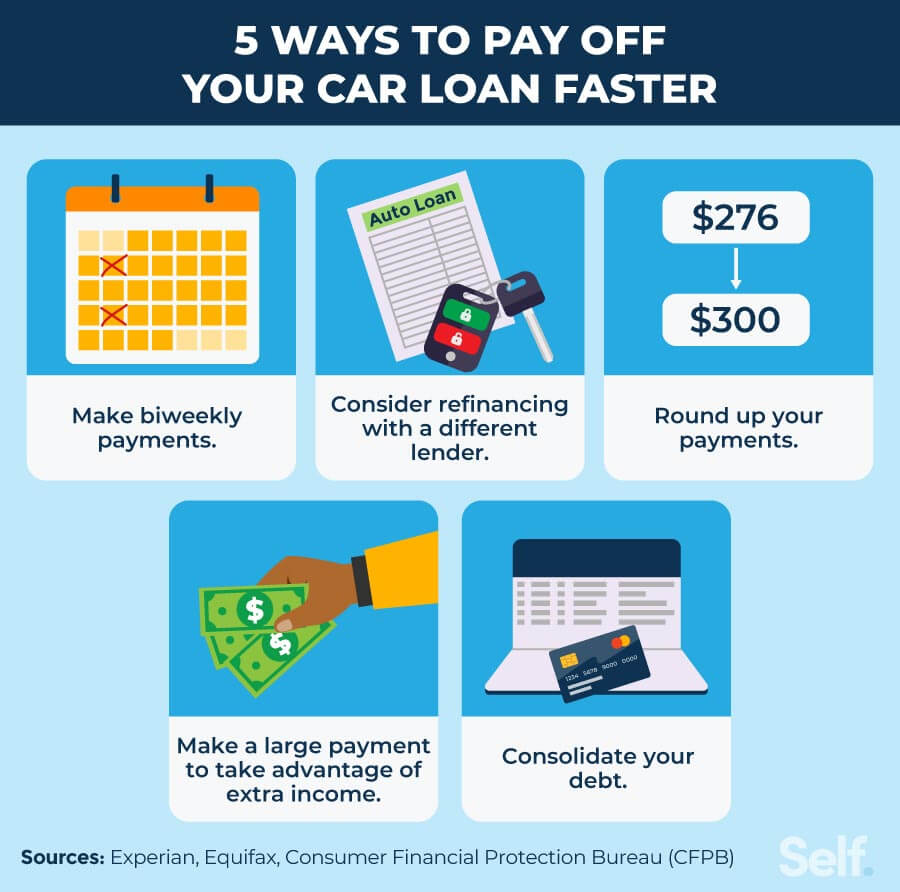
Making your car payments is a basic necessity, but actively managing your loan can lead to significant savings and improved financial health. Beyond simply paying on time, several strategic approaches can help you reduce interest paid, shorten your loan term, and free up cash flow.
Making Extra Payments to Save on Interest
One of the most effective strategies to save money on your car loan is to make extra payments whenever possible. Because car loans typically use simple interest, any additional principal payment directly reduces the amount of interest accrued over the life of the loan. Even small, consistent extra payments can have a substantial impact. For instance, if you receive a bonus, tax refund, or simply have a month with fewer expenses, consider adding that extra cash to your car payment. You can also round up your monthly payment (e.g., pay $350 instead of $342) or make one extra full payment per year. Some people opt for a “13th payment” strategy, effectively paying an extra month’s worth over the course of the year. Always clarify with your lender that any extra money you send is applied directly to the principal balance, not as an advance on future payments.
Refinancing Your Car Loan for Better Terms
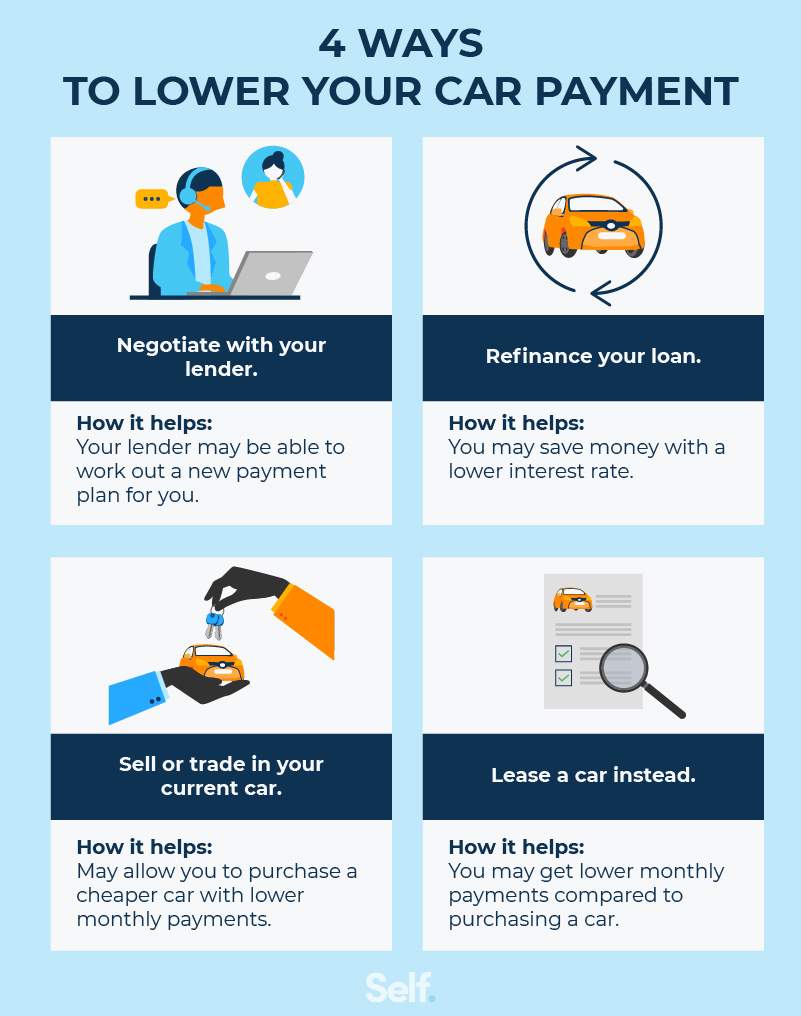
Market conditions and your personal financial situation can change dramatically over the life of a car loan. If interest rates have dropped since you originally financed your vehicle, or if your credit score has significantly improved, refinancing your car loan could be a smart move. Refinancing involves taking out a new loan to pay off your existing one, ideally at a lower interest rate, which will reduce your monthly payment or allow you to pay off the loan faster. Before refinancing, compare offers from multiple lenders, consider any associated fees, and evaluate whether a new loan term (longer or shorter) aligns with your financial goals. While a longer term might lower your monthly payment, it could increase the total interest paid. Refinancing can also be a way to remove a co-signer or consolidate other high-interest debt, but approach it with a clear understanding of the new terms.
Understanding Bi-Weekly vs. Monthly Payments
Another tactic some borrowers employ is switching from monthly to bi-weekly payments. This strategy involves making half of your monthly payment every two weeks. Since there are 52 weeks in a year, this results in 26 half-payments, which equates to 13 full monthly payments annually instead of 12. By essentially making one extra full payment per year, you accelerate your principal reduction, thereby saving on interest and shortening your loan term. While the immediate financial impact of each individual bi-weekly payment is smaller, the cumulative effect over several years can be substantial. Confirm with your lender that they support bi-weekly payments and that the extra payment is indeed applied to the principal to maximize the benefit.
Building an Emergency Fund Alongside Your Payments
While focusing on paying down debt is important, it’s equally crucial to build a robust emergency fund. This fund, typically three to six months’ worth of living expenses, acts as a financial safety net, protecting you from unexpected costs like job loss, medical emergencies, or significant car repairs. Having an emergency fund means that if you face a temporary financial setback, you won’t be forced to miss car payments or resort to high-interest credit cards. Rather than throwing every spare penny at your car loan, a balanced approach involves simultaneously contributing to your emergency savings. This dual strategy ensures both debt reduction and financial security, providing peace of mind and preventing future financial crises from derailing your payment schedule.
Navigating Payment Challenges and Solutions
Despite the best intentions and meticulous planning, life can throw curveballs that make meeting your financial obligations challenging. Understanding how to proactively address potential payment difficulties with your car loan lender can save you from severe financial consequences and preserve your credit.
When You Can’t Make a Payment: Communication is Key
The absolute worst thing you can do when facing payment difficulties is to ignore the problem. If you foresee being unable to make a payment on time, or if you’ve already missed one, the most critical step is to contact your lender immediately. Be honest and explain your situation. Lenders often have programs or options available for borrowers experiencing temporary hardship. These may include a deferment (postponing payments for a short period, with interest possibly still accruing), forbearance (a temporary reduction or suspension of payments), or a loan modification (changing the terms of your loan, such as extending the term to lower monthly payments). Proactive communication demonstrates your commitment to fulfilling your obligation and increases the likelihood that your lender will work with you to find a viable solution, potentially preventing a negative mark on your credit report.
Understanding Late Fees and Their Impact
Most car loan agreements specify a grace period, typically a few days to two weeks, after your due date during which a payment can still be made without penalty. However, once this grace period expires, a late fee is usually assessed. These fees can range from a fixed dollar amount to a percentage of your overdue payment. While a single late fee might seem minor, repeated late fees can quickly accumulate, adding an unnecessary burden to your debt. More significantly, a payment that is 30 days or more overdue will likely be reported to the major credit bureaus, severely impacting your credit score. This negative mark can stay on your credit report for up to seven years, making it harder to qualify for future loans, credit cards, or even mortgages at favorable rates. Understanding the direct financial and credit score repercussions of late payments underscores the importance of timely submission.
Repossession: The Last Resort
For secured loans like car loans, the vehicle itself serves as collateral. This means if you fail to make your payments according to the loan agreement, the lender has the legal right to repossess the car. Repossession is typically a last resort for lenders, often occurring after multiple missed payments and failed attempts at communication. The laws regarding repossession vary by state, but generally, a lender can repossess a vehicle without a court order if you are in default. Once repossessed, the car is usually sold at auction, and you remain responsible for any deficiency balance—the difference between the sale price and the outstanding loan amount, plus repossession and auction fees. Repossession also has a devastating impact on your credit score, making it exceptionally difficult to obtain credit in the future. It is a dire consequence to avoid at all costs.
Seeking Financial Counseling and Assistance
If you find yourself in a persistent cycle of payment struggles or facing overwhelming debt, don’t hesitate to seek professional help. Non-profit credit counseling agencies can provide invaluable assistance. These organizations offer confidential advice, help you create a budget, and sometimes even negotiate with creditors on your behalf to establish a more manageable payment plan. Many services are free or low-cost, and they can offer a fresh perspective and practical strategies for getting your finances back on track. Additionally, some government programs or local charities may offer temporary financial assistance to help with essential bills, including car payments, during periods of extreme hardship. Recognizing when you need help and actively seeking it out is a sign of financial maturity and can be the turning point in regaining control over your car loan and overall financial well-being.
Making a car payment might seem like a straightforward task, but it’s an integral part of your broader financial landscape. By thoroughly understanding your loan, leveraging convenient payment methods, implementing smart management strategies, and knowing how to navigate challenges, you transform a simple obligation into an opportunity for financial growth and stability. Proactive engagement with your car loan journey ensures not just the security of your vehicle, but also the health of your credit and your overall financial future.
aViewFromTheCave is a participant in the Amazon Services LLC Associates Program, an affiliate advertising program designed to provide a means for sites to earn advertising fees by advertising and linking to Amazon.com. Amazon, the Amazon logo, AmazonSupply, and the AmazonSupply logo are trademarks of Amazon.com, Inc. or its affiliates. As an Amazon Associate we earn affiliate commissions from qualifying purchases.