
Making a car payment is a fundamental responsibility for anyone who has financed a vehicle, representing a regular commitment that significantly impacts your personal finances and credit health. Far beyond simply handing over money, understanding the intricacies of your car loan, the various payment methods available, and strategies for effective management can empower you to maintain financial stability and even save money over the life of your loan. This comprehensive guide will walk you through everything you need to know about making car payments, from deciphering your loan terms to leveraging advanced payment strategies, all while safeguarding your financial well-being.
Understanding Your Car Loan and Payment Obligations
Before you can effectively make a car payment, you must first understand the foundation of your obligation: the car loan itself. This isn’t just a simple debt; it’s a legally binding agreement with specific terms that dictate how and when you pay back the money you borrowed. A clear grasp of these details is the first step towards responsible financial management.
Key Loan Terms to Know
Every car loan comes with a set of essential terms that define your repayment schedule and the total cost of borrowing.
-
Principal: This is the original amount of money you borrowed to purchase the car, excluding interest. Each payment you make reduces this principal amount over time.
-
Interest Rate (APR): The Annual Percentage Rate (APR) is the cost of borrowing money, expressed as a percentage. A lower APR means you pay less in interest over the life of the loan. This is crucial as interest makes up a significant portion of your early payments.
-
Loan Term: This refers to the duration of your loan, typically expressed in months (e.g., 36, 48, 60, 72 months). A longer term usually results in lower monthly payments but higher overall interest paid.
-
Monthly Payment Amount: This is the fixed sum you are contractually obligated to pay each month. It’s calculated based on your principal, interest rate, and loan term.
-
Due Date: This is the specific day of the month your payment is expected. Missing this date can trigger late fees and negatively impact your credit score.
-
Grace Period: Many lenders offer a short grace period (e.g., 5-15 days) after your due date during which you can still make a payment without incurring a late fee. However, interest may continue to accrue during this time.
-
Late Fees: If you miss your due date and exceed any grace period, your lender will typically charge a late fee, adding to the cost of your payment.
Where to Find Your Loan Details
Knowing where to access your loan information is vital.
-
Loan Agreement Documents: When you signed your loan, you received a packet of documents. These legally binding papers contain all the specific terms and conditions of your loan. Keep these in a safe, accessible place.
-
Lender’s Online Portal: Most financial institutions provide an online portal where you can view your loan balance, payment history, next due date, and sometimes even a breakdown of principal vs. interest paid. This is often the most convenient way to monitor your loan.
-
Monthly Statements: Your lender will typically send monthly statements via mail or email, summarizing your payment activity, outstanding balance, and upcoming due date.
The Importance of Timely Payments
Making your car payments on time, every time, is non-negotiable for sound financial health.
-
Impact on Credit Score: Your payment history is the single largest factor in calculating your credit score (35%). Timely payments build a positive credit history, which is essential for future loans, credit cards, mortgages, and even apartment rentals or insurance rates. Conversely, late payments can severely damage your score, making future borrowing more expensive or difficult.
-
Avoiding Late Fees: Late fees are an unnecessary expense that adds to the overall cost of your loan. Consistently avoiding them keeps more money in your pocket.
-
Preventing Repossession: Extreme delinquency can lead to the repossession of your vehicle. Lenders have the right to seize your car if you fail to meet your payment obligations, resulting in a loss of transportation and a severe hit to your credit.
Common Methods for Making Car Payments
In today’s digital age, there are numerous convenient ways to make your car payment, each offering different levels of ease and control. Understanding these options allows you to choose the method that best fits your lifestyle and financial habits.
Online Payment Portals
Perhaps the most popular method, your lender’s dedicated online portal or mobile app offers unparalleled convenience. You can log in securely using your credentials, view your account details, and initiate a payment directly from your checking or savings account. Many portals allow you to schedule one-time payments or set up recurring payments, giving you full control over when the payment is made. This method is fast, secure, and provides an immediate record of your transaction.
Automated Payments (Auto-Pay)
Setting up automated payments, or auto-pay, is an excellent way to ensure you never miss a due date. You authorize your lender to automatically debit your monthly payment from your designated bank account on or a few days before your due date.
-
Benefits: Guarantees timely payments, avoids late fees, and frees you from remembering to initiate payments each month. Some lenders even offer a small interest rate discount for enrolling in auto-pay.
-
Potential Drawbacks: It’s crucial to ensure you have sufficient funds in your account when the payment is scheduled to be withdrawn. An insufficient funds (NSF) charge from your bank and a returned payment fee from your lender can negate the benefits and even count as a missed payment. Always monitor your account balance.
Phone Payments
If you prefer a more direct approach or need to make a last-minute payment, paying by phone is a viable option. You can typically speak to a customer service representative who will process your payment manually, or you can use an automated phone system. Be aware that some lenders may charge a small convenience fee for phone payments made through a representative, particularly if it’s a “rush” payment. Always have your loan account number and bank information ready.
Mail Payments
The traditional method of sending a check through the mail is still an option, though less common today. You’ll typically find a payment coupon in your monthly statement that you can include with your check.
- Considerations: This method requires careful planning. You must mail the payment several business days before your due date to ensure it’s received and processed on time. Factor in potential postal delays, especially if mailing close to a holiday or weekend. Keep a record of the check number and date mailed.
In-Person Payments
While less common for car loans compared to other bills, some lenders or their partner banks may allow you to make payments in person at a branch. This can be useful if you prefer direct interaction or need a physical receipt immediately. Check with your specific lender to see if this option is available and what locations accept payments.
Third-Party Payment Services
Many personal banking platforms offer a “bill pay” service where you can set up payments for all your bills, including your car loan. Your bank will then send a payment (either electronically or via a check) to your lender on your behalf. This centralizes your bill management and can offer a unified view of your financial obligations.
Strategies for Managing Your Car Payments Effectively
Beyond simply making your payment, proactive management can significantly enhance your financial position, potentially saving you money and reducing stress. Strategic approaches to budgeting and payment can turn a routine task into an opportunity for financial optimization.
Budgeting for Your Car Payment
Integrating your car payment into your monthly budget is foundational for financial stability.
-
Allocate Funds: Clearly designate a portion of your income specifically for your car payment. Treat it as a fixed, non-negotiable expense.
-
Use Budgeting Tools: Utilize budgeting apps (like Mint, YNAB), spreadsheets, or even pen and paper to track your income and expenses. This helps ensure you always have enough funds available when your car payment is due.
-
Emergency Fund Consideration: Always ensure your budget allows for an emergency fund, so an unexpected expense doesn’t jeopardize your ability to make your car payment.
Setting Up Payment Reminders

Even with auto-pay, reminders can be invaluable, especially for one-time payments or if you manage multiple financial obligations.
-
Calendar Alerts: Set recurring alerts on your digital calendar a few days before your payment is due.
-
App Notifications: Many banking and budgeting apps offer push notifications for upcoming bills.
-
Manual Reminders: A simple sticky note or a recurring task on a to-do list can also serve as an effective reminder.
Handling Payment Issues
Life happens, and sometimes you might face a situation where making your payment on time is difficult.
-
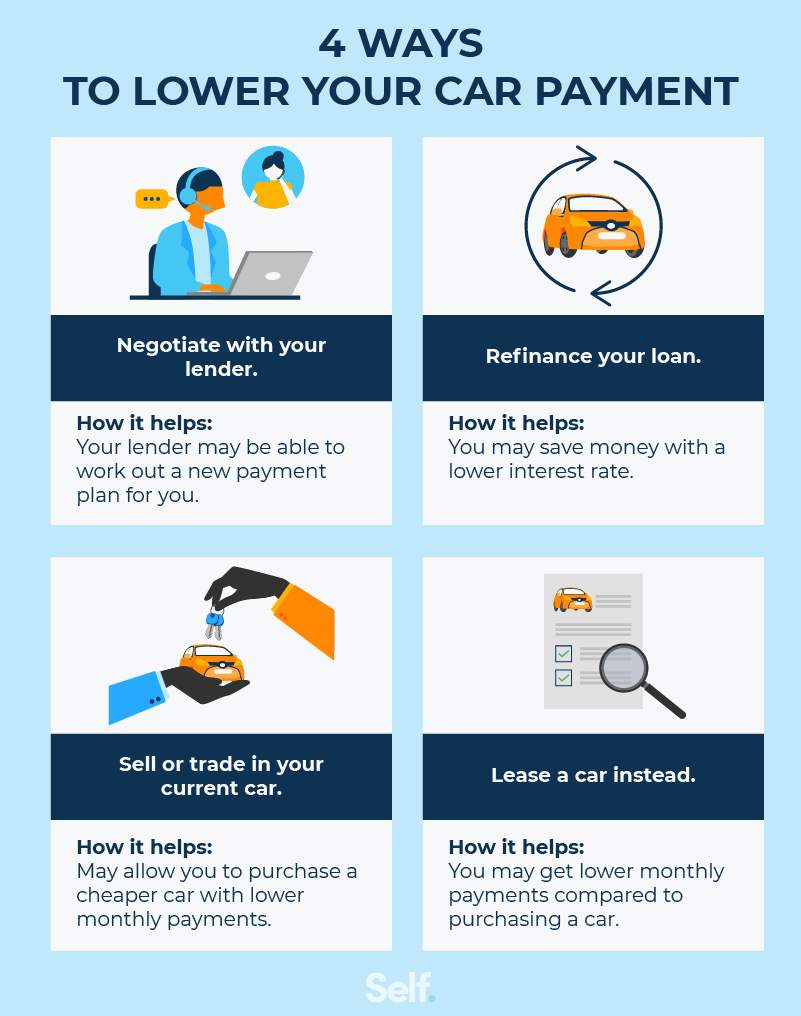
Contact Your Lender Immediately: Do not wait until after the due date. As soon as you anticipate a problem, call your lender. Explain your situation honestly.
-
Explore Options: Lenders may offer solutions like a payment deferment (postponing a payment to a later date, though interest usually still accrues), a payment extension, or a hardship program. These options are not guaranteed and typically depend on your payment history and the lender’s policies, but open communication is key.
-
Avoid Ignoring the Problem: Ignoring payment issues will only exacerbate the situation, leading to late fees, credit damage, and potential repossession.
Exploring Bi-Weekly Payments
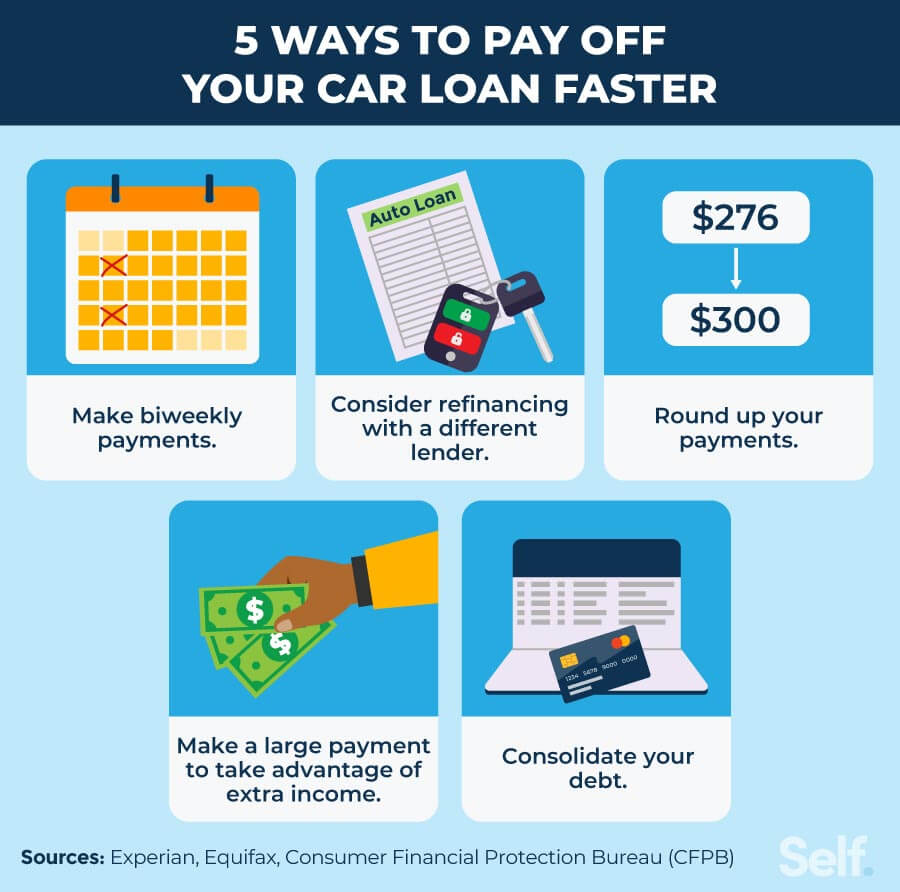
A clever strategy to pay off your loan faster and save on interest is to make bi-weekly payments.
-
How It Works: Instead of 12 monthly payments, you make 26 half-payments throughout the year. This effectively results in paying one extra full monthly payment per year (26 half-payments = 13 full payments).
-
Potential Savings: By making more frequent payments, you reduce the principal balance more quickly, leading to less interest accruing over time.
-
Process: Discuss this option with your lender. Some lenders offer specific bi-weekly payment programs, while others may require you to manually make additional payments. Ensure any extra payments are applied directly to the principal.
Making Extra Payments
Any additional funds you can spare and apply towards your principal can significantly shorten your loan term and reduce the total interest paid.
-
Apply Directly to Principal: When making an extra payment, always specify to your lender that the additional amount should be applied solely to the principal balance, not as an advance for future payments or towards interest.
-
Snowball or Avalanche Method: If you have multiple debts, you can use debt payoff strategies like the debt snowball (paying off smallest debt first) or debt avalanche (paying off highest interest debt first) to include your car loan.
The Impact of Car Payments on Your Financial Health
Your car payment is more than just a monthly bill; it’s a significant factor in your overall financial health, influencing everything from your credit score to your ability to secure future financing. Understanding these broader implications allows for more informed financial decisions.
Credit Score Implications
As previously mentioned, consistent, on-time car payments are a powerful tool for building and maintaining an excellent credit score. This positive history signals to other lenders that you are a reliable borrower, opening doors to better rates on mortgages, credit cards, and other loans. Conversely, even a single late payment (typically 30 days or more past due) can cause a noticeable drop in your score, and multiple late payments can be devastating. A good credit score is a valuable asset that saves you money in the long run.
Debt-to-Income Ratio
Your car payment also plays a role in your Debt-to-Income (DTI) ratio. This ratio compares your total monthly debt payments to your gross monthly income. Lenders use DTI to assess your ability to manage monthly payments and repay new debts. A high car payment, especially relative to your income, can elevate your DTI, potentially making it harder to qualify for other significant loans, such as a mortgage, even if your credit score is good. Financial advisors often recommend keeping your total DTI below 36%, with housing debt ideally below 28%.
Refinancing Your Car Loan
At some point during your loan term, it might be beneficial to consider refinancing.
-
When It Makes Sense: You might refinance if interest rates have dropped since you took out your original loan, your credit score has significantly improved, or if you want to lower your monthly payment by extending the loan term (though this often means paying more interest overall).
-
How It Works: Refinancing involves taking out a new loan to pay off your existing car loan, ideally with better terms (e.g., a lower interest rate or a more favorable payment schedule). This can save you a substantial amount of money over the life of the loan.
When to Pay Off Your Car Loan Early
Paying off your car loan before its scheduled term can be a financially savvy move.
-
Advantages:
-
Save on Interest: The primary benefit is reducing the total amount of interest you pay.
-
Become Debt-Free Faster: Eliminating a monthly payment frees up cash flow for other financial goals, like investing, saving for a down payment, or tackling other debts.
-
Peace of Mind: Being debt-free offers significant psychological benefits.
-
-
Considerations:
-
Opportunity Cost: Evaluate if that extra money could be better used elsewhere, such as paying off higher-interest debt (like credit cards) or investing where you might get a higher return than your car loan’s interest rate.
-
Prepayment Penalties: Most car loans do not have prepayment penalties, but it’s crucial to check your loan agreement to ensure you won’t incur fees for paying off early.
-
Troubleshooting and Advanced Scenarios
While most car payments proceed smoothly, it’s wise to be prepared for more challenging situations and understand the process for ending your loan term.
Dealing with a Delinquent Loan
If you find yourself significantly behind on payments (e.g., 60-90 days overdue), your loan is considered delinquent.
-
Communication is Key: Continue trying to communicate with your lender. They may be more willing to work with you if you show initiative.
-
Potential Solutions: Some lenders might offer a loan modification, which could involve changing the loan terms to make payments more manageable, though this is less common for car loans than for mortgages.
-
Credit Counseling: A non-profit credit counseling agency can help you assess your overall financial situation and negotiate with creditors.
Understanding Repossession
Repossession is the legal process by which a lender takes back your car if you fail to make payments as agreed.
-
Triggers: The specific number of missed payments that trigger repossession varies by state and lender, but typically it occurs after significant delinquency.
-
Consequences: Repossession severely damages your credit score, making it incredibly difficult to obtain future credit. You might still owe the difference between what the car sells for at auction and your outstanding loan balance (a “deficiency balance”), plus repossession fees.
Selling or Trading In a Car with a Loan
If you decide to sell or trade in your car before the loan is fully paid off, you’ll need to address the outstanding balance.
-
Positive Equity: If your car’s market value is more than what you owe, you have positive equity. You can use the sale proceeds to pay off the loan, keeping the remainder.
-
Negative Equity (Upside Down): If you owe more than your car is worth, you have negative equity. You’ll need to pay the difference out of pocket when you sell or roll the negative equity into a new loan when trading in, which isn’t ideal.
What Happens When the Loan is Paid Off
Congratulations! Once your final payment is made and the loan balance is zero, your lender will send you a lien release and the car title.
-
Receiving the Title: The title proves you now own the vehicle outright. Keep this document in a safe place, as you’ll need it to sell the car or transfer ownership.
-
Insurance Implications: While your car loan doesn’t directly impact your insurance rates, paying off the loan means you’re no longer required to carry comprehensive and collision coverage by a lender. You can then adjust your policy based on your preferences, though it’s often wise to maintain good coverage.
Conclusion
Making a car payment is a recurring financial obligation that, when handled correctly, can contribute positively to your financial health. By thoroughly understanding your loan terms, exploring the diverse payment methods available, and proactively employing smart financial strategies, you can navigate the process with confidence and ease. Remember, timely payments, vigilant budgeting, and open communication with your lender are the cornerstones of responsible car loan management. Embrace these practices, and you’ll not only secure your transportation but also build a stronger, more resilient financial future.
aViewFromTheCave is a participant in the Amazon Services LLC Associates Program, an affiliate advertising program designed to provide a means for sites to earn advertising fees by advertising and linking to Amazon.com. Amazon, the Amazon logo, AmazonSupply, and the AmazonSupply logo are trademarks of Amazon.com, Inc. or its affiliates. As an Amazon Associate we earn affiliate commissions from qualifying purchases.