
Determining what constitutes a “good” car payment is one of the most critical financial decisions an individual can make. For many households, a vehicle is the second-largest expense after housing. However, unlike a home, which typically appreciates in value, a car is a depreciating asset. This fundamental reality makes the math behind a car payment significantly different from other types of debt. A good car payment is not simply a number that fits into your monthly budget; it is a payment that balances your transportation needs with your long-term wealth-building goals, credit health, and overall financial stability.

In the modern economic landscape, where vehicle prices have surged and loan terms have stretched to seven or even eight years, the definition of affordability has become blurred. To truly understand what a good car payment looks like, one must look past the monthly sticker price and evaluate the total financial impact of the loan, the interest rate, and the opportunity cost of the capital being deployed.
Understanding the Golden Rules of Car Budgeting
Financial experts have long relied on specific frameworks to help consumers avoid “buying too much car.” While these rules provide a solid foundation, they must be adapted to individual circumstances, such as income volatility and existing debt loads.
The 20/4/10 Rule
The 20/4/10 rule remains the industry standard for responsible vehicle financing. This guideline suggests that you should put at least 20% down, limit the loan term to no more than four years (48 months), and ensure that your total vehicle-related expenses (including the payment, insurance, and maintenance) do not exceed 10% of your gross monthly income.
Following this rule ensures that you maintain equity in the vehicle. By putting 20% down, you immediateley offset the initial “drive-off-the-lot” depreciation, reducing the risk of becoming “upside down” or “underwater” on the loan—where you owe more than the car is worth. A four-year term minimizes interest costs and ensures the car is paid off while it still has significant utility.
The 10% Rule for Net Income
A more conservative approach, often favored by those prioritizing aggressive investing or debt payoff, is to limit the car payment alone to 10% of your take-home (net) pay. For an individual earning $5,000 per month after taxes, a good car payment under this framework would be no more than $500. This approach provides a larger buffer for fluctuating expenses like fuel and repairs, which are often overlooked in the initial excitement of a purchase.
Factors That Determine Your “Good” Payment
A good car payment is highly subjective and depends on several variables that extend beyond your salary. Your credit profile and the structure of the loan itself play massive roles in determining whether a payment is financially sound or a burden.
Credit Scores and Interest Rates
Your credit score is the single most important factor in determining the “cost” of your car payment. For a borrower with a “Super Prime” score (780+), a good car payment might include an interest rate of 5% or lower. For a subprime borrower, that same car might come with an interest rate of 15% to 20%.
On a $30,000 loan over 60 months, the difference between a 5% rate and a 15% rate is nearly $150 per month and over $8,000 in total interest over the life of the loan. From a personal finance perspective, a car payment is only “good” if the interest rate is competitive. If your credit score is low, a good car payment might actually be “no payment”—meaning you should wait, save cash for a reliable used vehicle, and focus on credit repair before entering a high-interest lending agreement.
Loan Terms and the Danger of Long-Term Financing
The rise of 72-month and 84-month car loans has made expensive vehicles seem affordable by lowering the monthly payment. However, these long-term loans are rarely “good” payments. They lead to a situation where the borrower is paying interest on an asset that is rapidly losing value.
In the fifth or sixth year of an 84-month loan, the car may require significant repairs while the owner still owes a substantial balance. This creates a “debt trap” where the owner cannot sell the car because they cannot cover the gap between the sale price and the loan balance. A good car payment is ideally structured over 36 to 48 months. If you need a 72-month loan to make the monthly payment “fit,” the car is likely outside of your true price range.

Beyond the Monthly Check: Factoring in Total Cost of Ownership
To determine if a car payment is truly affordable, you must account for the “phantom costs” associated with vehicle ownership. A $400 monthly payment can easily transform into a $700 monthly commitment when all factors are considered.
Insurance and Registration
Insurance premiums vary wildly based on the vehicle type, your age, your location, and your driving record. Performance vehicles or luxury SUVs often carry significantly higher premiums. Additionally, some states charge annual registration fees based on the vehicle’s value. Before committing to a car payment, obtain an insurance quote for that specific VIN. If the insurance premium rivals the car payment itself, the overall financial package is likely unsustainable.
Maintenance and Fuel Costs
A good car payment leaves enough room in the budget for routine maintenance and unexpected repairs. European luxury brands, for example, often have lower resale values but much higher specialized maintenance costs compared to domestic or Japanese economy brands.
Furthermore, fuel efficiency remains a critical component of the monthly budget. If a low car payment is offset by a high fuel bill due to poor MPG, the net effect on your monthly cash flow is the same as having a higher payment on a more efficient vehicle. Modern financial planning suggests looking at the “monthly cost per mile” rather than just the payment to the bank.
Strategic Ways to Optimize Your Car Payment
If you find that your projected car payment is too high, there are several levers you can pull to bring it back into a “good” range without sacrificing reliable transportation.
Maximizing Your Down Payment
The most effective way to lower a car payment is to increase the down payment. In the world of personal finance, this is an immediate “return on investment” because it reduces the amount of principal subject to interest. It also protects you from depreciation. If you have a trade-in, ensure you are getting the fair market value by checking multiple sources (private sale, wholesale buyers, and dealerships). Applying trade-in equity effectively functions as a larger down payment.
The New vs. Used Financial Debate
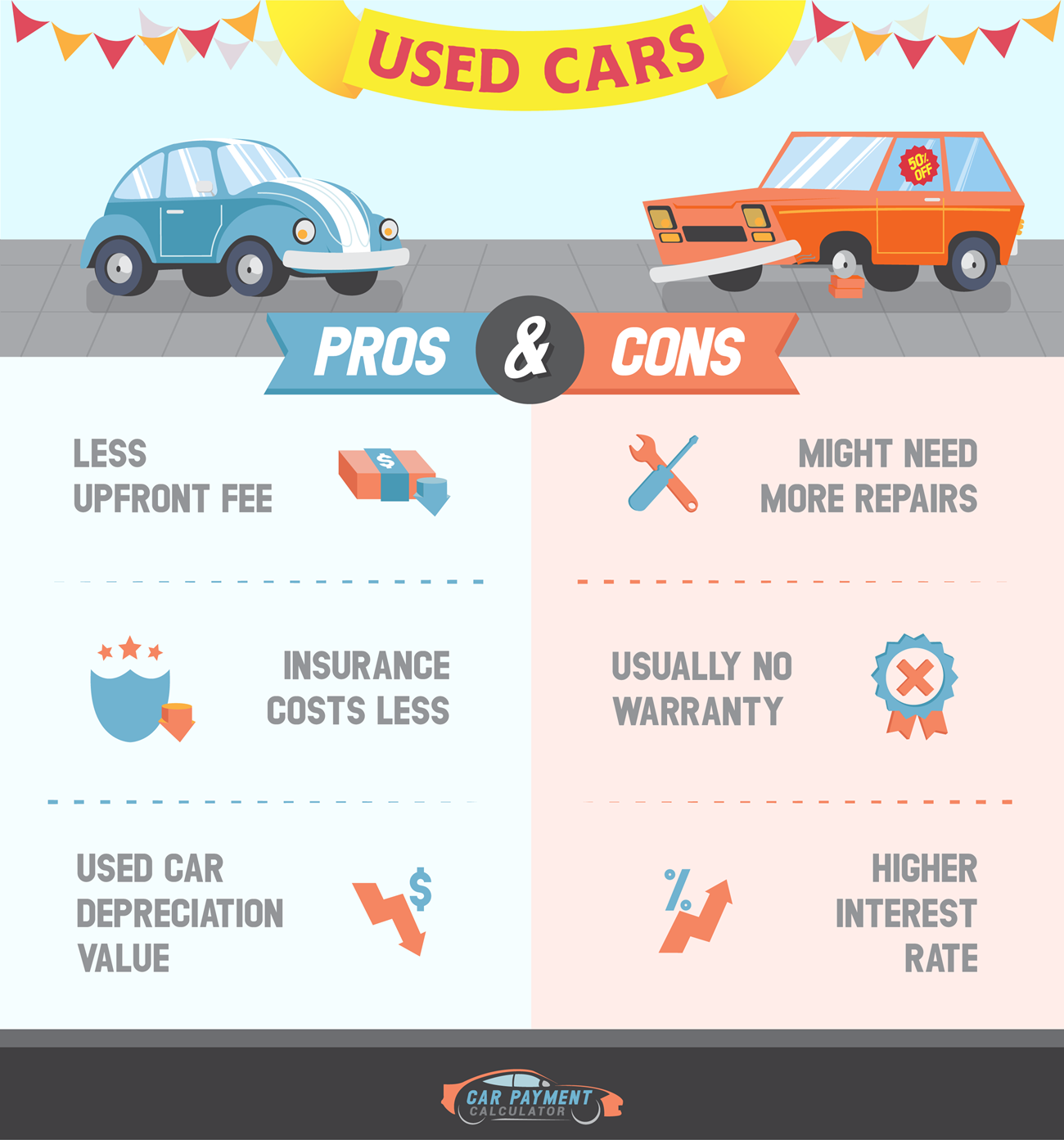
Historically, buying a 2-to-3-year-old used car was the smartest financial move because the original owner took the massive first-year depreciation hit. While market fluctuations have occasionally narrowed the gap between new and used prices, the principle generally holds: a slightly used vehicle provides a better “value per dollar.”
However, new cars often come with incentivized interest rates (sometimes as low as 0% or 1.9%) that aren’t available for used cars. When calculating a good payment, compare the total cost of a new car with a low interest rate against a used car with a higher interest rate. Sometimes, the new car with the manufacturer-subsidized rate results in a lower total cost of ownership over five years.
The Opportunity Cost of a High Car Payment
Perhaps the most overlooked aspect of a car payment is what that money could have been doing instead. This is known as opportunity cost.
If an individual has a $800 car payment instead of a $400 car payment, that $400 difference, if invested in a diversified index fund with a 7% average annual return, would grow to approximately $28,000 over five years. Over 30 years, that same $400 a month would grow to over $450,000.
A “good” car payment is one that allows you to continue funding your 401(k), Roth IRA, and emergency fund. If your car payment is preventing you from contributing to your retirement or building a safety net, it is objectively a bad payment, regardless of how much you enjoy the vehicle. Wealth is built through the accumulation of appreciating assets, and a high car payment is often the primary obstacle to that accumulation for the middle class.
Ultimately, a good car payment is one that you barely feel. It is a payment that fits comfortably within a balanced budget, is attached to a competitive interest rate, and is structured over a short enough duration that you are never “underwater.” By adhering to strict ratios like the 20/4/10 rule and accounting for the total cost of ownership, you can ensure that your vehicle remains a tool for mobility rather than a weight on your financial future.
aViewFromTheCave is a participant in the Amazon Services LLC Associates Program, an affiliate advertising program designed to provide a means for sites to earn advertising fees by advertising and linking to Amazon.com. Amazon, the Amazon logo, AmazonSupply, and the AmazonSupply logo are trademarks of Amazon.com, Inc. or its affiliates. As an Amazon Associate we earn affiliate commissions from qualifying purchases.