
Navigating the landscape of automotive financing can feel like a complex puzzle where the pieces are constantly shifting. For most consumers, the question “How much will I get approved for?” is the most critical hurdle to clear before visiting a dealership. Understanding the upper limit of your borrowing power is not just about knowing which car you can drive home; it is about ensuring your long-term financial health. Lenders do not look at a single number to determine your eligibility; instead, they analyze a symphony of financial data points that reflect your creditworthiness, income stability, and existing debt obligations.
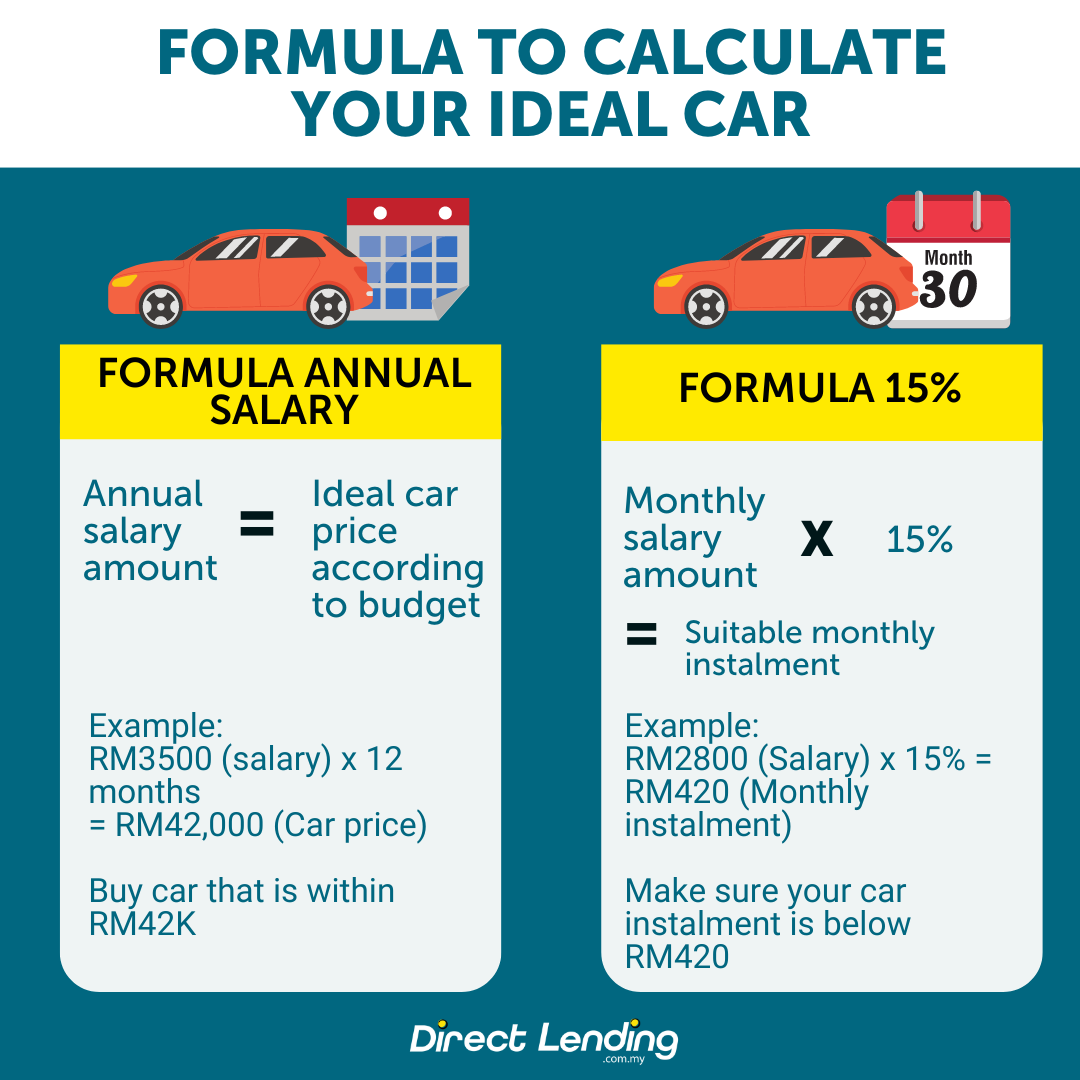
The approval process is a risk-assessment exercise. To a bank or credit union, a car loan is a balanced equation of risk versus reward. By understanding how these institutions quantify your financial profile, you can position yourself to secure the highest possible approval amount with the most favorable terms.
Understanding the Core Factors of Loan Approval
When you submit a car loan application, lenders immediately look at three primary pillars: your credit score, your debt-to-income ratio (DTI), and your employment history. Each of these factors plays a distinct role in determining not just the total loan amount, but the interest rate that will accompany it.
Credit Score and Its Critical Role
Your credit score is arguably the most influential factor in the car loan approval process. In the United States, most lenders use the FICO Auto Score, a specialized version of the traditional FICO score tailored specifically for the automotive industry. This score ranges from 300 to 850, and it tells the lender how likely you are to make your payments on time based on your historical behavior.
A “Prime” borrower (typically those with scores above 660 or 700) will find it much easier to get approved for larger loan amounts. If your score is in the “Super Prime” category (780+), lenders may approve you for nearly any reasonable amount relative to your income. Conversely, “Subprime” borrowers (scores below 600) may face strict caps on their loan amounts, regardless of their income, because the lender perceives a higher risk of default.
Debt-to-Income Ratio (DTI)
Even with a perfect credit score, your borrowing power is limited by your existing financial commitments. Lenders use the Debt-to-Income ratio to ensure you have enough “room” in your budget to take on a new monthly payment. To calculate your DTI, lenders add up all your monthly debt obligations—including rent or mortgage, student loans, credit card minimums, and personal loans—and divide that total by your gross monthly income (before taxes).
Most auto lenders prefer a DTI ratio below 45% to 50%, including the projected car payment. If your current debts already consume 40% of your income, a lender will only approve you for a loan amount where the monthly payment fits into that remaining 5% to 10% window. Therefore, paying down a credit card balance before applying can significantly increase the total car loan amount you are eligible for.
Employment History and Income Stability
Income is the engine that drives your ability to repay a loan, but lenders value stability just as much as the dollar amount. A borrower who has been at the same job for five years is viewed as much lower risk than someone who has changed jobs three times in the last twelve months. Lenders typically look for at least six months to two years of consistent employment in the same field. They will require proof of income through pay stubs, W-2s, or, for the self-employed, two years of tax returns.
How Lenders Calculate Your Maximum Loan Amount
Lenders do not simply pull a number out of thin air. They use specific formulas and industry “rules of thumb” to determine the maximum amount they are willing to lend. Understanding these calculations allows you to estimate your approval amount before you ever set foot in a finance office.
The “20/4/10” Rule of Thumb
While every lender has unique internal algorithms, many financial experts and conservative lenders suggest the “20/4/10” rule as a baseline for approval and affordability. This suggests:
-
20% Down Payment: You should put at least 20% down.
-
4-Year Term: The loan term should not exceed 48 months (4 years).
-
10% of Income: The total monthly cost of the vehicle (including insurance and maintenance) should not exceed 10% of your gross monthly income.
While many lenders will allow you to break these rules—offering 72-month or even 84-month terms—they often use these benchmarks to decide where to set their risk limits. If you request a loan that requires 20% of your monthly income, the lender may decline the application or require a much higher interest rate to compensate for the “stretch.”
Loan-to-Value (LTV) Ratios
The “Value” in a car loan is just as important as the “Loan.” Lenders use a Loan-to-Value (LTV) ratio to determine how much they are willing to lend against a specific vehicle. For a new car, a lender might be willing to lend 100% to 120% of the MSRP (Manufacturer’s Suggested Retail Price) to cover the car, taxes, and fees. For a used car, they will look at the “book value” (such as Kelly Blue Book or NADA values).
If you are buying a used car that is priced at $20,000 but has a book value of only $15,000, a lender with a 100% LTV limit will only approve you for $15,000. In this scenario, your personal “approval limit” might be higher based on your income, but the specific vehicle’s value is capping the loan amount.
Front-End vs. Back-End Ratios
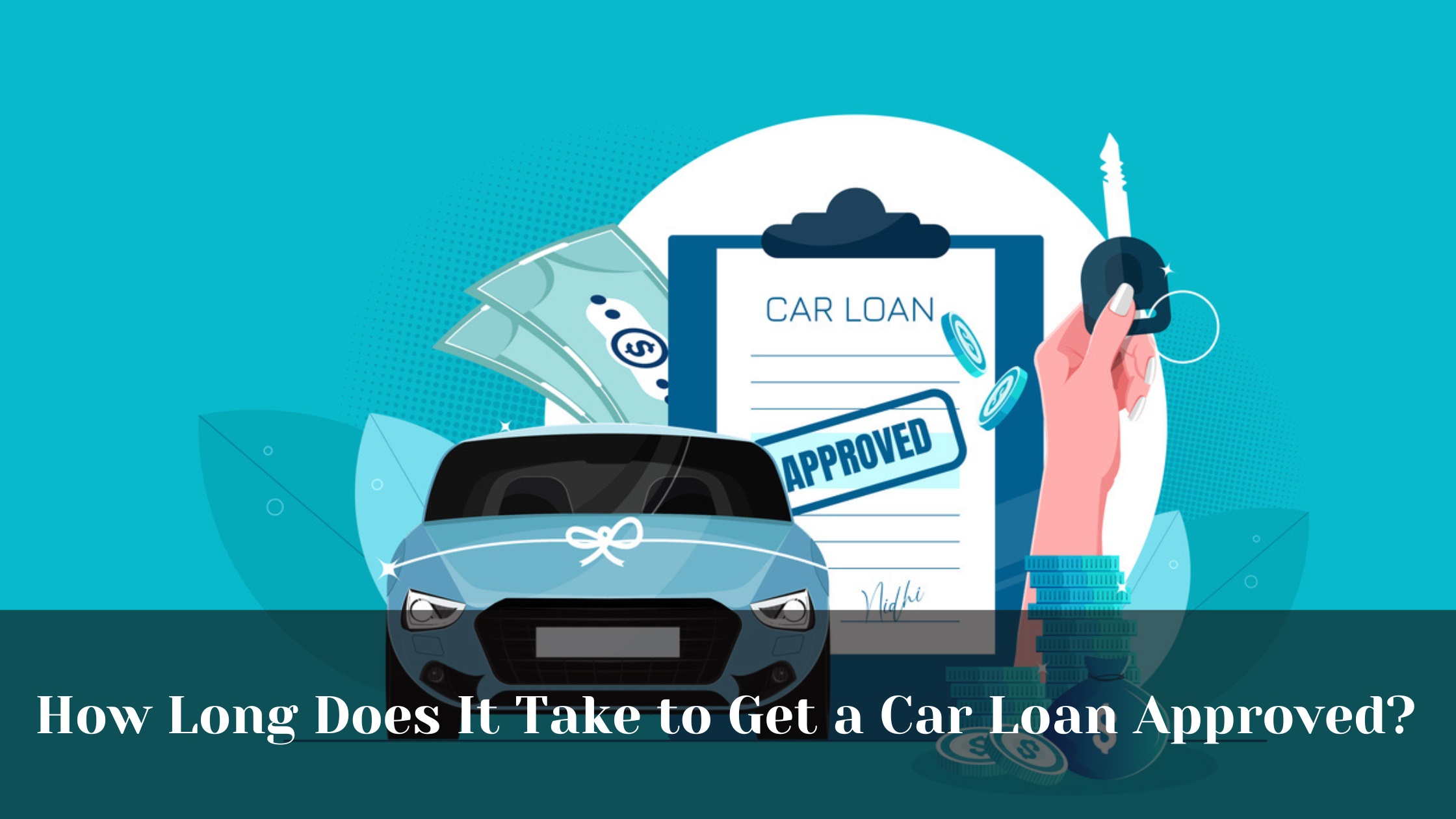
Lenders distinguish between the “front-end” and “back-end” of a loan. The front-end ratio is the monthly payment divided by your monthly gross income. Most lenders want to see this below 15% to 20%. The back-end ratio is your total monthly debt payments divided by your gross income. By keeping these ratios in mind, you can work backward from your salary to find your maximum monthly payment, which then dictates the total loan amount based on current interest rates.
The Impact of Down Payments and Trade-Ins
Your approval amount is not just a reflection of the bank’s money; it is also a reflection of your “skin in the game.” A significant down payment or a valuable trade-in vehicle acts as a catalyst for higher loan approvals.
Lowering the Principal Balance
A down payment serves two purposes. First, it immediately lowers the amount the bank has to risk. If you are looking at a $40,000 car and you put $10,000 down, the lender is only taking a $30,000 risk. This makes it much more likely for the lender to approve the application, as the LTV ratio is significantly lower. In many cases, a borrower who is rejected for a $30,000 loan might be approved for that same $30,000 if they apply for it against a $40,000 vehicle with a $10,000 down payment.
Influence on Interest Rates
Down payments also influence the interest rate you are offered. Lower interest rates mean that a larger portion of your monthly payment goes toward the principal of the loan rather than the cost of borrowing. Over a 60-month term, a 2% difference in interest rates can significantly impact the total “approval” amount a lender is willing to grant while keeping the monthly payment within your DTI limits.
Strategies to Increase Your Approval Amount
If your initial calculations suggest you won’t be approved for the amount you need, there are several strategic moves you can make to improve your standing in the eyes of financial institutions.
Cleaning Up Your Credit Report
In the months leading up to a car purchase, it is vital to audit your credit report. Disputing errors or paying down high-balance credit cards can result in a rapid “score bump.” Since car loan interest rates are tiered based on credit scores, moving from a 650 to a 700 could potentially save you thousands of dollars in interest and increase the total loan amount you qualify for by several thousand dollars.
Adding a Co-signer
If your income is the limiting factor, or if you have a “thin” credit file (not enough history), adding a co-signer with a strong credit profile and a steady income can drastically change the approval outcome. A co-signer becomes legally responsible for the loan if you fail to pay, which provides the lender with an additional layer of security. This often results in a higher loan approval and a much lower interest rate.
Choosing the Right Vehicle Type
Lenders often have different approval criteria for new versus used vehicles. New cars usually come with lower interest rates and more flexible LTV ratios because they are easier to value and have a predictable depreciation curve. While a new car has a higher sticker price, the favorable financing terms might make a $30,000 new car more “approvable” than a $25,000 used car with a high interest rate.
Navigating the Pre-Approval Process
The most effective way to answer “how much will I get approved for” is to seek a pre-approval from a bank or credit union before visiting the dealership. This process provides you with a definitive number and a set interest rate, effectively turning you into a “cash buyer” in the eyes of the dealer.
Soft vs. Hard Credit Inquiries
When you are simply “shopping around” or using online calculators, these usually involve “soft” credit inquiries that do not impact your credit score. However, a formal pre-approval requires a “hard” inquiry. While a hard inquiry can slightly lower your score, the credit bureaus recognize that consumers shop for car loans. Multiple inquiries for an auto loan within a 14-to-45-day window are typically treated as a single inquiry for scoring purposes. This allows you to compare offers from multiple lenders to find the highest approval amount and the lowest rate.

Shopping Around for the Best Rates
Don’t assume your primary bank will give you the best deal. Credit unions often offer the most competitive rates for auto loans, especially for used vehicles. Online lenders and specialized auto finance companies may also have different risk tolerances, potentially approving you for more than a traditional brick-and-mortar bank. By securing a pre-approval from an outside source, you also gain a powerful negotiating tool at the dealership, as the dealer’s finance department will often try to beat your pre-approved rate to earn your business.
Ultimately, the amount you get approved for is a reflection of your current financial health and your past financial discipline. By understanding the mechanics of DTI, LTV, and credit scoring, you can approach the car-buying process with confidence, ensuring that the vehicle you choose fits perfectly within the framework of your broader financial goals.
aViewFromTheCave is a participant in the Amazon Services LLC Associates Program, an affiliate advertising program designed to provide a means for sites to earn advertising fees by advertising and linking to Amazon.com. Amazon, the Amazon logo, AmazonSupply, and the AmazonSupply logo are trademarks of Amazon.com, Inc. or its affiliates. As an Amazon Associate we earn affiliate commissions from qualifying purchases.