
Securing a car loan is a pivotal step for most individuals looking to purchase a vehicle, transforming what might otherwise be an unattainable dream into a tangible reality. However, the path to approval and the ultimate loan amount can often feel shrouded in mystery. “How much will I get approved for a car loan?” is not merely a question of desire but a complex inquiry rooted in a multitude of financial factors that lenders meticulously evaluate. Understanding these determinants is not just about getting approved; it’s about getting approved for the right amount at the best terms, empowering you to make an informed decision that aligns with your financial health. This comprehensive guide will demystify the car loan approval process, offering insights into what lenders look for and how you can position yourself for success.

Understanding the Core Determinants of Loan Approval
Lenders are essentially assessing risk when you apply for a car loan. Their primary concern is your ability and willingness to repay the borrowed amount. To gauge this, they scrutinize several key financial indicators, each playing a crucial role in shaping their decision and the parameters of your potential loan.
Credit Score and History: Your Financial Report Card
Your credit score is arguably the most influential factor in a lender’s evaluation. It’s a three-digit number, primarily generated by models like FICO and VantageScore, that summarizes your creditworthiness based on your financial history. Lenders use it as a quick snapshot of how reliably you’ve managed debt in the past.
-
Impact of Your Score: Generally, a higher credit score (e.g., above 700) signifies lower risk, often leading to better interest rates and larger approved amounts. Conversely, a lower score might result in higher interest rates, stricter terms, or even denial.
-
Components of Credit History: Beyond the score, lenders look at your full credit report. This includes your payment history (on-time payments are crucial), the length of your credit history, the types of credit you’ve used (e.g., credit cards, mortgages, previous auto loans), and your credit utilization (how much credit you’re using versus how much is available). A diverse and well-managed credit history indicates financial responsibility.
-
Derogatory Marks: Bankruptcies, foreclosures, or numerous missed payments will significantly impact your approval chances and terms, as they signal a higher risk of default.
Income and Debt-to-Income (DTI) Ratio: Can You Afford It?
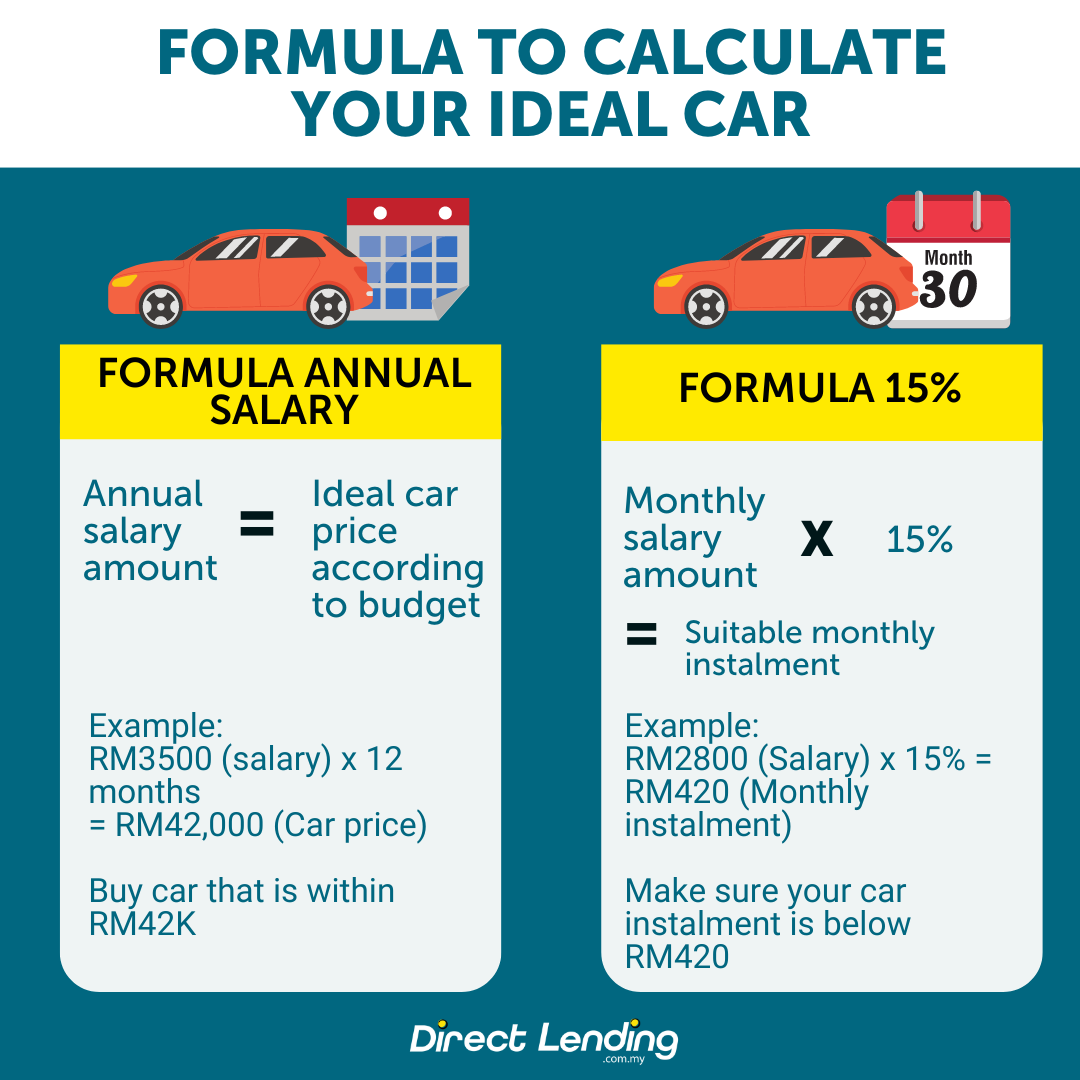
While your credit score indicates your past payment behavior, your income and DTI ratio demonstrate your current capacity to take on new debt. Lenders want to ensure you have a stable and sufficient income stream to comfortably afford the monthly car loan payments.
-
Income Stability: Lenders prefer applicants with consistent employment and a steady income. They’ll typically ask for proof of income, such as pay stubs, W-2 forms, or tax returns for self-employed individuals.
-
Debt-to-Income (DTI) Ratio Defined: Your DTI ratio is a critical metric calculated by dividing your total monthly debt payments (including the prospective car loan payment) by your gross monthly income. For example, if your total monthly debt payments are $1,500 and your gross monthly income is $4,000, your DTI is 37.5% ($1,500 / $4,000).
-
Lender Expectations: Most lenders prefer a DTI ratio of 36% or lower, though some may go up to 43% or even higher for strong applicants with excellent credit. A lower DTI indicates that you have more disposable income available to meet your financial obligations, making you a less risky borrower. If your DTI is too high, it signals that you’re already overextended, reducing your chances of approval or limiting the loan amount.
Down Payment: Your Skin in the Game
The down payment is the initial amount of cash you pay upfront for the car, reducing the amount you need to borrow. It’s a powerful tool that can significantly influence both your approval odds and the terms of your loan.
-
Reducing Lender Risk: A larger down payment reduces the lender’s exposure to risk. If you default, the amount they stand to lose is smaller. This comfort factor often translates into a higher likelihood of approval and potentially better interest rates.
-
Loan-to-Value (LTV) Ratio: Lenders also consider the loan-to-value (LTV) ratio, which compares the loan amount to the car’s market value. A lower LTV (meaning a larger down payment) is generally more favorable. For instance, putting down 20% on a $30,000 car means you’re borrowing $24,000, resulting in an LTV of 80%.
-
Benefits to You: A substantial down payment not only helps with approval but also reduces your monthly payments, decreases the total interest paid over the life of the loan, and lessens the risk of being “upside down” on your loan (owing more than the car is worth).
The Role of the Vehicle and Loan Terms
While your financial profile is paramount, the specifics of the vehicle you intend to purchase and the terms of the loan itself also play a significant role in the approval process.
Vehicle Type and Value: What Are You Buying?
The car you choose is the collateral for the loan, and its characteristics directly impact the lender’s risk assessment.
-
New vs. Used Cars: New cars generally carry less risk for lenders because they depreciate predictably and tend to have fewer mechanical issues. Used cars, especially older models with high mileage, are riskier due to their uncertain reliability and faster depreciation. This can make it harder to get approved for a loan on certain used vehicles, or result in higher interest rates.
-
Collateral Value: Lenders assess the car’s market value and how well it retains its value over time. They want to ensure that if you default, they can repossess and sell the vehicle to recoup their losses. Exotic or highly customized vehicles might be harder to finance through traditional lenders because their market appeal and resale value can be less predictable.
Loan Term and Interest Rate: The Cost of Borrowing
The length of time you have to repay the loan (the term) and the interest rate you’re charged are intertwined with the approval decision and the total cost of your car.
-
Loan Term Impact:
-
Shorter Terms (e.g., 36-48 months): Typically lead to higher monthly payments but lower total interest paid. Lenders often prefer shorter terms as they reduce the time they are exposed to risk.
-
Longer Terms (e.g., 60-84 months): Result in lower monthly payments, making the car seem more affordable in the short term. However, you’ll pay significantly more in total interest over the life of the loan, and you might owe more than the car is worth for a longer period. While attractive for budget management, longer terms can make lenders more cautious, especially for older or rapidly depreciating vehicles.
-
-
Interest Rate (APR): The Annual Percentage Rate (APR) is the true annual cost of borrowing, including interest and certain fees. Your credit score, DTI, and the loan term heavily influence the APR you’re offered. A higher APR means higher monthly payments and a greater total cost. Lenders use your overall financial profile to determine the APR that mitigates their risk while remaining competitive.
Proactive Steps to Maximize Your Approval Potential
Instead of passively hoping for a favorable outcome, you can take several strategic steps to strengthen your application and increase your chances of securing the best possible car loan.
Reviewing and Improving Your Credit Profile
Before even looking at cars, review your credit. This simple step can prevent surprises and allow you to address issues.
-
Get Your Credit Reports: Obtain free copies of your credit report from each of the three major bureaus (Equifax, Experian, TransUnion) annually via AnnualCreditReport.com.
-
Check for Errors: Scrutinize your reports for any inaccuracies, such as accounts that aren’t yours, incorrect payment histories, or outdated information. Dispute any errors immediately, as correcting them can boost your score.
-
Strategies for Improvement:
-
Pay Bills On Time: This is the most crucial factor. Set up automatic payments to avoid missing due dates.
-
Reduce Credit Card Balances: Lowering your credit utilization (the amount of credit you’re using compared to your available credit) can significantly improve your score. Aim for below 30% utilization.
-
Avoid New Credit Inquiries: Limit applications for new credit cards or loans in the months leading up to your car loan application, as multiple hard inquiries can temporarily lower your score.
-
Pre-Approval: Knowing Before You Go
Seeking pre-approval from a bank, credit union, or online lender before visiting a dealership is a powerful strategy.
-
Benefits:
-
Realistic Budget: You’ll know exactly how much you can borrow, allowing you to shop within your means and avoid wasting time on cars outside your budget.
-
Negotiating Power: A pre-approval letter transforms you into a cash buyer, giving you leverage to negotiate the car price more effectively, separate from the financing. Dealerships might even try to beat your pre-approved rate.
-
Streamlined Process: You’ll have much of the paperwork done ahead of time, making the final purchase quicker and less stressful.
-
-
Soft vs. Hard Inquiries: Most pre-approvals involve a “soft inquiry,” which doesn’t affect your credit score. A full application will result in a “hard inquiry,” but multiple hard inquiries for the same type of loan within a short window (typically 14-45 days, depending on the scoring model) are usually treated as a single inquiry, minimizing the impact.
Gathering Necessary Documentation
Being prepared with all required documents can significantly speed up the approval process and demonstrate your readiness.
-
Standard Documents:
-
Government-issued photo ID (driver’s license).
-
Proof of residence (utility bill, lease agreement).
-
Proof of income (recent pay stubs, W-2s, tax returns for self-employed).
-
Social Security Number.
-
Bank account information.
-
Trade-in vehicle information (if applicable).
-
Navigating the Application Process
Once you’ve done your homework and prepared your finances, the next step is to choose the right lender and understand the terms of your loan.
Choosing the Right Lender
You have several options when it comes to financing your car, and comparing them can yield significant savings.
-
Banks: Traditional banks offer a range of auto loan products, often competitive for borrowers with good credit.
-
Credit Unions: Known for their member-focused approach, credit unions often offer lower interest rates and more flexible terms than traditional banks, particularly for those with fair to good credit.
-
Online Lenders: A growing segment, online lenders offer convenience, quick decisions, and can be competitive for various credit profiles.
-
Dealership Financing: Dealerships act as intermediaries, working with multiple lenders (including their own financing arms) to find you a loan. While convenient, it’s crucial to compare their offers with your pre-approval to ensure you’re getting the best deal. Sometimes, dealerships offer promotional rates that can be highly attractive.
Understanding the Fine Print
Never sign a loan agreement without fully understanding all its components.
-
Annual Percentage Rate (APR): This is the total cost of the loan per year, including interest and any associated fees. Focus on the APR, not just the interest rate, for an accurate comparison.
-
Total Loan Cost: Calculate the total amount you will pay over the life of the loan (principal + total interest + fees).
-
Fees: Look out for origination fees, documentation fees, prepayment penalties (though less common for auto loans now), and late payment fees.
-
Additional Products: Be wary of add-ons like extended warranties, GAP insurance, or service contracts that can significantly inflate the loan amount. While some may be valuable, ensure you understand their cost and necessity.
What to Do If Your Loan is Denied or Offers Are Unsatisfactory
Even with preparation, sometimes you might face a denial or receive offers that don’t meet your expectations. This isn’t necessarily the end of the road.
Understanding the Reasons for Denial
Lenders are legally required to provide you with an “adverse action notice” explaining why your application was denied or why you received less favorable terms.
-
Identify the Weakness: This notice is invaluable. It will pinpoint the specific areas of your financial profile that led to the denial (e.g., low credit score, high DTI, insufficient income, recent bankruptcies).
-
Opportunity for Improvement: Use this feedback to address your financial weaknesses. It provides a clear roadmap for what you need to improve before reapplying.
Exploring Alternatives
If your initial attempt doesn’t yield the desired results, consider these alternative strategies:
-
Seek a Co-signer: If you have a trusted friend or family member with excellent credit and a stable financial background, they might be willing to co-sign the loan. A co-signer shares responsibility for the debt, which can significantly improve your approval chances and secure a better interest rate. However, ensure both parties understand the implications.
-
Save a Larger Down Payment: If your DTI or credit history was a concern, saving a larger down payment reduces the loan amount and the lender’s risk, potentially making you eligible for approval.
-
Buy a Less Expensive Car: Re-evaluating your car choice and opting for a more affordable vehicle can lower the loan amount needed, making it easier to qualify for financing and potentially reduce your DTI.
-
Focus on Credit Repair: If your credit score was the primary issue, dedicate time to improving it. This might mean waiting a few months (or even a year) to make consistent on-time payments, reduce debt, and resolve any errors on your credit report. A stronger credit profile will invariably lead to better loan opportunities in the future.
In conclusion, determining “how much you will get approved for a car loan” is a journey that begins with a deep dive into your personal financial landscape. By understanding the pivotal roles of your credit score, income, debt-to-income ratio, and down payment, and by proactively preparing your application, you can navigate the complexities of auto financing with confidence. Remember, the goal is not just to get approved, but to secure a loan that is sustainable, affordable, and aligns perfectly with your long-term financial well-being.
aViewFromTheCave is a participant in the Amazon Services LLC Associates Program, an affiliate advertising program designed to provide a means for sites to earn advertising fees by advertising and linking to Amazon.com. Amazon, the Amazon logo, AmazonSupply, and the AmazonSupply logo are trademarks of Amazon.com, Inc. or its affiliates. As an Amazon Associate we earn affiliate commissions from qualifying purchases.