
Securing an auto loan is a significant financial decision that impacts your budget for years to come. Understanding how much you can realistically qualify for, and more importantly, how much you should borrow, is a critical step in the car-buying process. Many factors influence a lender’s decision, from your financial history to your current income and existing debts. Navigating these complexities can seem daunting, but by dissecting the core elements that lenders scrutinize, you can approach the process with confidence and secure financing that aligns with your financial health. This article will break down the key considerations, strategies for improving your chances, and common pitfalls to avoid, ensuring you make an informed decision when financing your next vehicle.

Understanding the Factors Lenders Consider
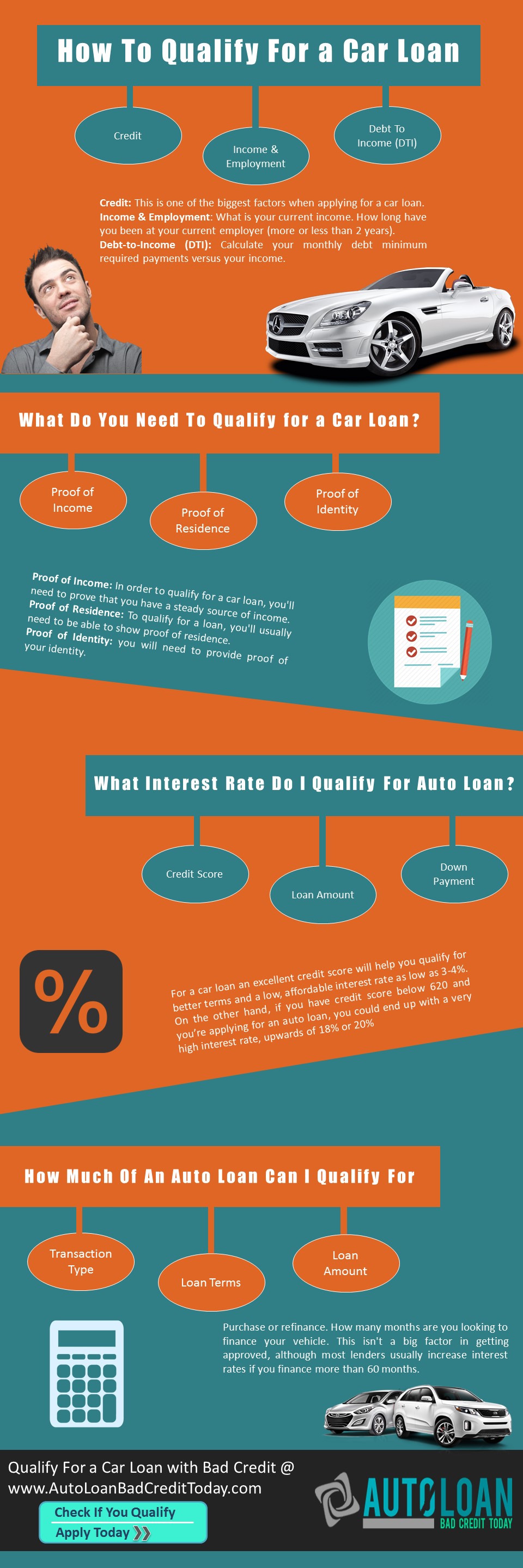
Lenders assess several critical aspects of your financial profile to determine your creditworthiness and the maximum loan amount they are willing to offer. Each factor plays a vital role in painting a complete picture of your financial responsibility and capacity to repay.
Credit Score and History
Your credit score is often the first, and most influential, metric lenders evaluate. It’s a numerical representation of your credit risk, summarizing your borrowing and repayment history. FICO and VantageScore are the most common scoring models, typically ranging from 300 to 850. A higher score signifies lower risk to lenders and generally translates into better loan terms, including lower interest rates and potentially higher loan amounts.
Lenders will look beyond just the score, examining your full credit report. They want to see:
-
Payment History: A consistent record of on-time payments is paramount. Late payments, collections, bankruptcies, or foreclosures can significantly damage your eligibility.
-
Credit Utilization: The amount of credit you’re currently using compared to your total available credit. Keeping this ratio low (ideally below 30%) indicates responsible credit management.
-
Length of Credit History: A longer history with diverse types of credit (credit cards, mortgages, previous auto loans) provides more data for lenders to assess.
-
Types of Credit: A mix of revolving credit (credit cards) and installment loans (mortgages, student loans) can be viewed favorably.
-
New Credit: Too many recent credit applications can signal financial distress and may temporarily lower your score.
A strong credit history demonstrates your reliability as a borrower, making lenders more comfortable extending a larger loan at more favorable rates. Conversely, a poor credit history might limit your options to subprime loans with higher interest rates or require a co-signer.
Debt-to-Income (DTI) Ratio
Your Debt-to-Income (DTI) ratio is a crucial indicator of your ability to manage monthly payments. It’s calculated by dividing your total monthly debt payments by your gross monthly income. For example, if your monthly rent, student loan payments, credit card minimums, and other loan payments total $1,500, and your gross monthly income is $5,000, your DTI is 30% ($1,500 / $5,000).
Lenders typically prefer a DTI ratio below 40%, with many favoring 36% or lower. A lower DTI suggests that you have enough disposable income to comfortably take on additional debt, like an auto loan, without overstretching your finances. A high DTI, on the other hand, signals that you might already be burdened with too much debt, making you a higher risk for defaulting on a new loan. Even with an excellent credit score, a high DTI can limit the amount you qualify for, as lenders want to ensure your total monthly obligations remain manageable.
Income and Employment Stability
Your income is the primary source from which you’ll make loan payments, so lenders need assurance that it’s sufficient and stable. They will verify your income through pay stubs, W-2 forms, tax returns, or bank statements. Lenders are not just looking for a high income; they also value consistency and stability.
Factors influencing this assessment include:
-
Gross Monthly Income: The higher your income, the more comfortable lenders generally are with extending larger loans.
-
Employment History: A stable job history, typically with at least two years at the same employer or in the same field, demonstrates reliability. Frequent job changes or gaps in employment might raise red flags.
-
Type of Employment: Salaried positions are often viewed as more stable than commission-based roles or self-employment, though lenders will consider all income sources with proper documentation.
Proof of steady income provides lenders with confidence that you have the financial capacity to meet your monthly auto loan obligations consistently throughout the loan term.
Down Payment and Trade-In Value
While not directly part of your qualification, a substantial down payment or a valuable trade-in can significantly influence the loan amount you need and the terms you receive.
-
Down Payment: The amount of cash you pay upfront for the vehicle. A larger down payment reduces the amount you need to borrow, thus decreasing your monthly payments and the total interest paid over the life of the loan. It also lowers the lender’s risk, as you have more equity in the vehicle from day one. Many financial experts recommend a down payment of at least 10-20% for a new car and 10% for a used car.
-
Trade-In Value: If you’re trading in your current vehicle, its value will be applied towards the purchase of your new car, effectively acting as part of your down payment. Researching your car’s trade-in value beforehand using resources like Kelley Blue Book (KBB) or Edmunds can give you leverage during negotiations and help you understand how much less you’ll need to finance.
A strong down payment or trade-in can help you qualify for a larger loan than you might otherwise, as it demonstrates your financial commitment and reduces the loan-to-value (LTV) ratio of the vehicle, which is the amount financed compared to the car’s market value.
Calculating Your Affordability and Setting a Realistic Budget
Qualifying for a loan is one thing; affording it comfortably is another. It’s crucial to distinguish between what a lender will give you and what you can realistically afford without straining your finances.
The 20/4/10 Rule of Thumb
A popular guideline for auto loans is the “20/4/10” rule, designed to help you maintain a healthy financial standing:
-
20% Down Payment: Aim to put down at least 20% of the car’s purchase price. This helps avoid being “upside down” (owing more than the car is worth) early in the loan term, especially given rapid depreciation of new vehicles.
-
4-Year Loan Term: Keep your loan term to a maximum of four years (48 months). Longer terms might offer lower monthly payments but result in significantly more interest paid over time and increase the risk of being upside down.
-
10% of Gross Monthly Income: Your total monthly car expenses (loan payment, insurance, and fuel) should not exceed 10% of your gross monthly income. This ensures your car ownership costs remain manageable within your overall budget.
While a guideline, the 20/4/10 rule provides a strong framework for responsible car financing. Deviating significantly, especially on the 10% rule, could lead to financial stress.
Beyond the Monthly Payment: Total Cost of Ownership
Focusing solely on the monthly loan payment can be a dangerous trap. The true cost of owning a car extends far beyond that single number. When budgeting, consider the total cost of ownership:
-
Auto Insurance: This is a mandatory expense, and rates vary significantly based on the car’s make/model, your driving record, age, location, and coverage type. Get insurance quotes for specific vehicles before committing to a purchase.
-
Fuel Costs: Estimate your weekly or monthly fuel expenses based on your typical driving habits and the car’s fuel efficiency.
-
Maintenance and Repairs: All cars require regular maintenance (oil changes, tire rotations, brake service) and eventually repairs. Research reliability ratings for potential vehicles. Newer cars may come with warranties, but these don’t cover everything.
-
Registration and Licensing Fees: Annual fees vary by state and vehicle type.
-
Taxes: Sales tax on the purchase price, which can often be rolled into the loan, but you’ll still pay interest on it.
-
Parking Fees/Tolls: If applicable to your daily commute or lifestyle.
Factoring in these additional expenses provides a more accurate picture of your true monthly car budget and helps prevent buyer’s remorse or financial strain down the line.
Utilizing Online Calculators and Pre-Approval
Before stepping into a dealership, empower yourself with knowledge and tools:
-
Online Loan Calculators: Websites of banks, credit unions, and financial publications offer free auto loan calculators. Input potential loan amounts, interest rates, and terms to see estimated monthly payments. Some advanced calculators allow you to include down payments, trade-ins, and even factor in additional costs like insurance and fuel. These tools help you understand how different variables impact your budget.
-
Pre-Approval: Applying for pre-approval from banks or credit unions before you visit a dealership is one of the smartest moves you can make. Pre-approval gives you a firm offer for a specific loan amount at a set interest rate and term. This serves several purposes:
-
Know Your Limit: You’ll know exactly how much you qualify for, setting a clear ceiling for your car search.
-
Stronger Negotiating Position: You become a cash buyer in the eyes of the dealership, giving you leverage to negotiate on the car’s price rather than being swayed by confusing financing offers.
-
Benchmark for Dealership Financing: If the dealership offers financing, you’ll have a pre-approved offer to compare it against, ensuring you get the best possible rate.
-
Pre-approval applications typically result in a “hard inquiry” on your credit report, which can slightly lower your score temporarily. However, multiple hard inquiries for auto loans within a short period (usually 14-45 days, depending on the scoring model) are often grouped as a single inquiry, so it’s advisable to do all your rate shopping within a focused timeframe.
Strategies to Improve Your Loan Qualification
If you’re not satisfied with the loan terms you’re being offered, or if you want to increase your chances of qualifying for a larger amount, there are proactive steps you can take.
Boosting Your Credit Score
Improving your credit score is one of the most effective ways to secure better auto loan terms.
-
Pay Bills On Time, Every Time: Payment history is the most critical factor. Set up automatic payments or reminders to ensure you never miss a due date.
-
Reduce Credit Card Balances: Lowering your credit utilization ratio (amounts owed vs. total credit limit) can significantly boost your score. Pay down high-interest credit card debt first.
-
Avoid New Credit Applications: Limit opening new credit accounts in the months leading up to your car purchase, as each application can cause a small, temporary dip in your score.
-
Check Your Credit Report for Errors: Obtain free copies of your credit report from AnnualCreditReport.com and dispute any inaccuracies. Errors can unfairly drag down your score.
-
Keep Old Accounts Open: The length of your credit history positively impacts your score, so avoid closing old, unused credit card accounts unless absolutely necessary.
These actions take time, so start working on your credit health well in advance of your car-buying journey.
Reducing Your Debt Load
A lower DTI ratio makes you a more attractive borrower. Focus on paying down existing debts, especially those with high interest rates or large monthly payments.
-
Target High-Interest Debt: Prioritize paying off credit cards or personal loans with high interest rates, as this frees up more of your income.
-
Avoid New Debt: During the period leading up to applying for an auto loan, refrain from taking on any new significant debt, such as new credit card balances or personal loans.
-
Consolidate Debt (Carefully): In some cases, consolidating high-interest debt into a lower-interest personal loan could reduce your overall monthly payments and improve your DTI, but ensure the new loan doesn’t come with additional fees or extended terms that could cost more in the long run.
Increasing Your Down Payment
Saving more for a down payment is a straightforward way to improve your loan qualification and overall affordability. A larger down payment reduces the amount you need to borrow, which translates to a smaller loan, lower monthly payments, and less interest over the loan term. It also signals financial stability to lenders, potentially earning you better rates. If you have an existing vehicle, optimizing its trade-in value can also serve as a de facto down payment increase.
Shopping Around for Lenders
Never accept the first loan offer you receive, especially if it’s from the dealership. Just like shopping for a car, you should shop for the best loan.
-
Banks and Credit Unions: These are often excellent sources for competitive auto loan rates. Credit unions, in particular, are known for offering favorable terms to their members.
-
Online Lenders: Numerous online platforms specialize in auto loans and can provide quick quotes and comparisons.
-
Dealership Financing: While convenient, dealership financing sometimes comes with higher rates or less transparent terms. However, they can also offer competitive rates, especially for specific models or through manufacturer-backed incentives. Always compare their offer with your pre-approved loan.
Apply for pre-approval with 2-3 different lenders within a concentrated period (e.g., 14 days) to minimize the impact on your credit score. This allows you to compare annual percentage rates (APRs), loan terms, and any associated fees, ensuring you secure the most advantageous financing package available.
Navigating the Application Process
Once you’ve done your homework and are ready to apply, being prepared can streamline the process and help you avoid unnecessary delays or complications.
Gathering Necessary Documentation
Lenders will require specific documents to verify your identity, income, and financial standing. Having these ready will make the application much smoother:
-
Proof of Identity: Government-issued photo ID (driver’s license, passport).
-
Proof of Income: Recent pay stubs (typically 2-3 months), W-2 forms, or tax returns (especially if self-employed).
-
Proof of Residence: Utility bill, lease agreement, or mortgage statement.
-
Social Security Number: For credit checks.
-
Vehicle Information (if applicable): If you’ve already chosen a car, details like make, model, year, VIN, and purchase price will be needed.
-
Trade-In Information (if applicable): Title or registration for your trade-in vehicle.
Understanding Loan Terms and Conditions
Before signing any agreement, thoroughly review the loan terms and conditions to ensure you understand exactly what you’re committing to.
-
Annual Percentage Rate (APR): This is the true cost of borrowing, encompassing the interest rate and any fees. It’s the most important number to compare between loan offers. A lower APR means less money paid over the life of the loan.
-
Loan Term: The length of time you have to repay the loan, typically measured in months (e.g., 48, 60, 72 months). Shorter terms mean higher monthly payments but less interest paid overall. Longer terms mean lower monthly payments but significantly more interest.
-
Fees: Be aware of any origination fees, application fees, or prepayment penalties (though these are less common with auto loans today).
-
Payment Schedule: Understand when your payments are due and what penalties apply for late payments.
Don’t hesitate to ask questions if anything is unclear. A reputable lender will be happy to explain all aspects of the loan agreement.
The Impact of Co-Signers
If your credit history is thin, your credit score is low, or your DTI ratio is high, a lender might require or suggest a co-signer. A co-signer is someone who agrees to be equally responsible for the loan repayment if you default.
-
Benefits: A co-signer with good credit can help you qualify for a loan you otherwise couldn’t get, or secure a lower interest rate.
-
Risks: For the co-signer, it’s a significant financial commitment. If you miss payments or default, their credit score will be negatively impacted, and they will be legally obligated to make the payments. It can also strain personal relationships if issues arise.
Consider co-signing carefully, understanding the full implications for both parties.
Common Pitfalls to Avoid
Even with thorough preparation, some common mistakes can derail your auto loan experience or lead to financial regret.
Overextending Your Budget
The biggest pitfall is buying more car than you can truly afford. A car might seem appealing, and a dealer might offer attractive monthly payments by stretching the loan term, but remember the total cost of ownership. If your monthly car expenses exceed 10-15% of your gross income, you risk straining your finances and jeopardizing other financial goals. Stick to your budget, even if it means compromising on some features or opting for a slightly less expensive vehicle.
Focusing Solely on Monthly Payments
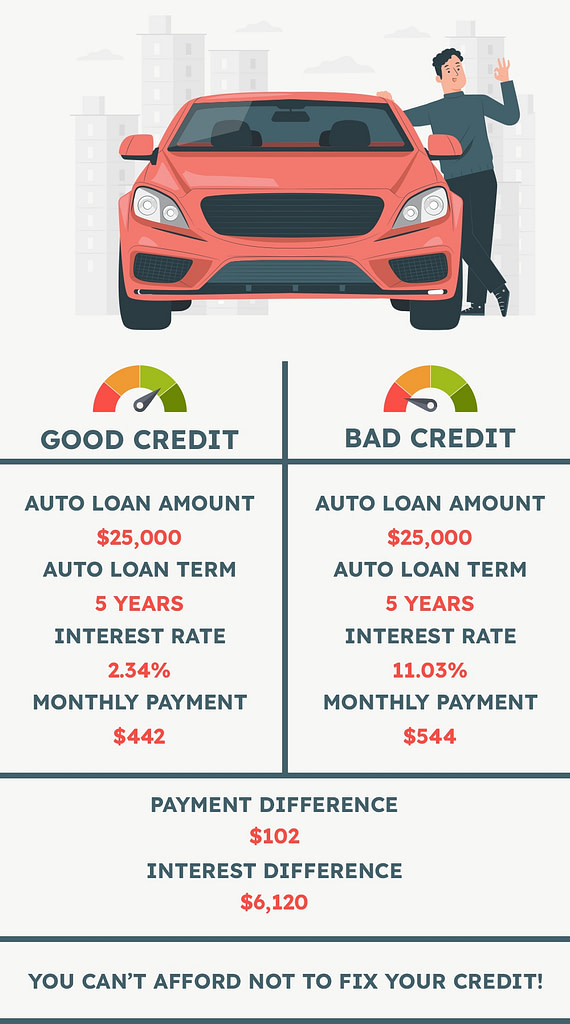
While monthly payments are important, fixating exclusively on them can be misleading. A low monthly payment might sound good, but it often comes with a longer loan term and a higher total interest paid. Always consider the total cost of the loan (principal + total interest paid) over its entire term, along with the APR. A slightly higher monthly payment for a shorter term can save you thousands in the long run.
Neglecting Additional Car Ownership Costs
As discussed, insurance, fuel, maintenance, and registration fees are integral parts of car ownership. Failing to account for these in your budget can lead to unexpected financial pressure. Researching these costs before buying a car will give you a more accurate picture of your true monthly expense, allowing you to choose a vehicle that fits comfortably within your overall financial plan.
Qualifying for an auto loan is more than just getting approved; it’s about securing financing that empowers you to drive your desired vehicle without compromising your financial well-being. By understanding the factors lenders consider, diligently preparing your finances, and approaching the process strategically, you can confidently determine how much auto loan you can qualify for and, more importantly, how much you should comfortably borrow.
aViewFromTheCave is a participant in the Amazon Services LLC Associates Program, an affiliate advertising program designed to provide a means for sites to earn advertising fees by advertising and linking to Amazon.com. Amazon, the Amazon logo, AmazonSupply, and the AmazonSupply logo are trademarks of Amazon.com, Inc. or its affiliates. As an Amazon Associate we earn affiliate commissions from qualifying purchases.