
For most, the idea of buying Bitcoin in 2010 might seem like a mythical tale from an alternate financial universe. Today, Bitcoin is a household name, readily available through countless regulated exchanges, financial apps, and even traditional brokerage platforms. Its market capitalization fluctuates in the trillions, and its price is a daily headline. But rewind to 2010, and the landscape was unrecognizably different. Bitcoin was a nascent, obscure, and highly experimental digital currency understood by a tiny niche of cryptographers, libertarians, and tech enthusiasts. The methods for acquiring it were rudimentary, fraught with technical challenges, and utterly devoid of the institutional infrastructure we now take for granted. This article delves into the fascinating, often perilous, and ultimately incredibly rewarding journey of those intrepid individuals who managed to acquire Bitcoin in its infancy, offering a unique perspective on early investing in a truly groundbreaking asset.
The Dawn of a Digital Revolution: Bitcoin’s Early Days
Before we explore the “how,” it’s crucial to understand the “what” and “when.” Bitcoin was launched on January 3, 2009, by the pseudonymous Satoshi Nakamoto. For its first year, it existed largely as a proof-of-concept among a small circle of developers. By 2010, it had started to gain a whisper of traction, but it was still far from any mainstream recognition or perceived financial value.
Understanding Bitcoin’s Genesis
In 2010, Bitcoin wasn’t seen as an investment in the traditional sense; it was an experiment in decentralized digital cash. Its value was primarily theoretical, tied to the innovative idea of a peer-to-peer electronic cash system that bypassed central authorities. There were no institutional investors, no financial advisors recommending it, and certainly no easy-to-use interfaces. The community was driven by an ideology of financial sovereignty and a belief in the cryptographic principles underpinning the network. The concept of “investing” in Bitcoin then was less about financial gain and more about participating in a technological and ideological movement.
The Scarce Landscape of Early Adoption
The ecosystem for Bitcoin in 2010 was incredibly sparse. There were no dedicated cryptocurrency exchanges. Traditional banks and payment processors had no knowledge of it, let alone integration with it. The total number of people who even knew what Bitcoin was could probably fit into a modest lecture hall. This scarcity of awareness and infrastructure meant that acquiring Bitcoin was an active, often manual, and sometimes adventurous pursuit. It demanded technical curiosity, a high tolerance for risk, and a willingness to venture into uncharted digital territory.
The Pioneers’ Path: Acquiring Bitcoin Before Exchanges
Given the absence of today’s robust infrastructure, early Bitcoin adopters had to be resourceful. The methods available were limited, requiring either significant technical effort or a strong network within the nascent crypto community.
Direct Peer-to-Peer Transactions
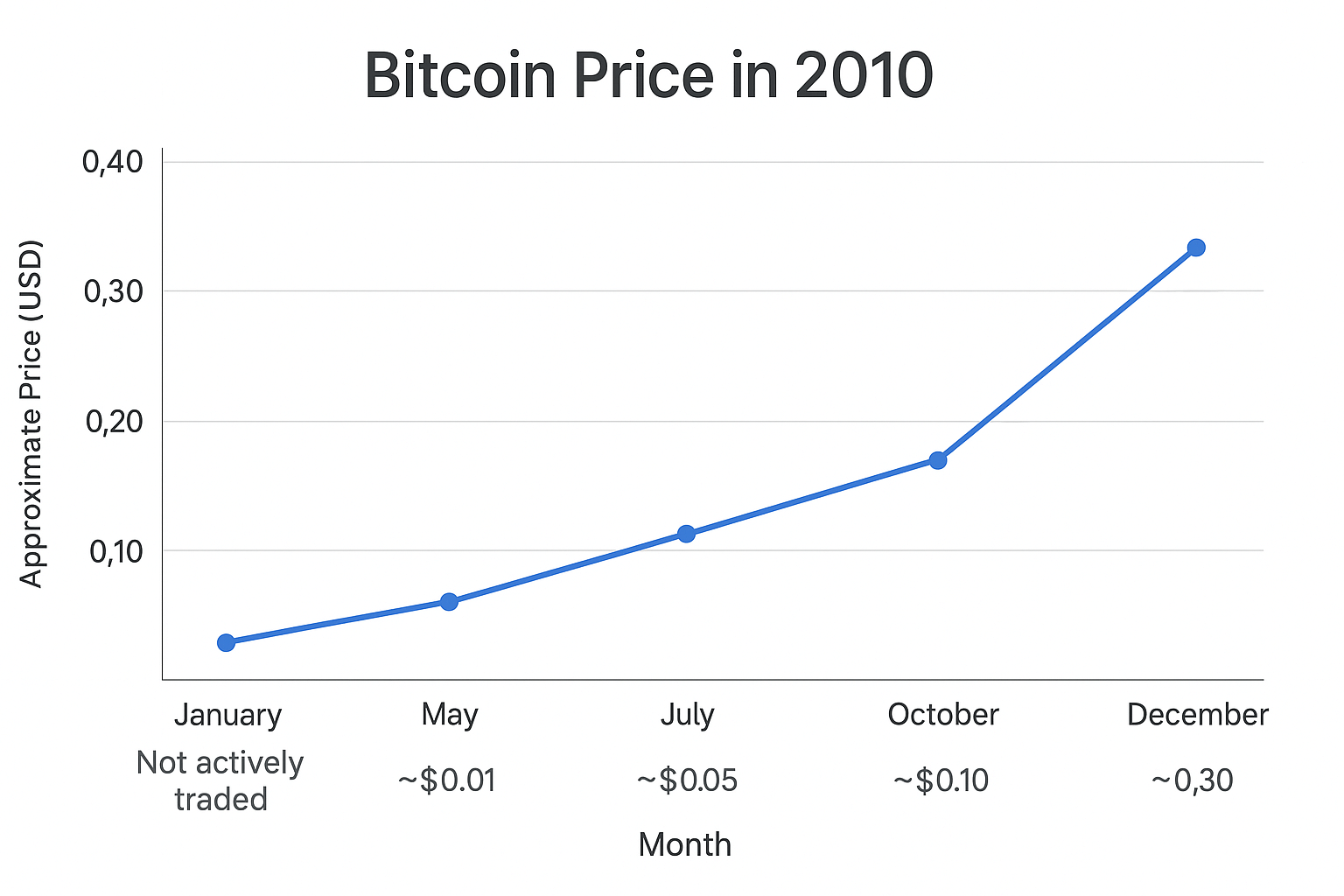
One of the most fundamental ways to acquire Bitcoin in 2010 was through direct peer-to-peer (P2P) transactions. This meant finding someone who already owned Bitcoin and convincing them to sell it to you, typically for traditional fiat currency like USD or EUR. These transactions often happened informally, via online forums, chat rooms, or even in-person meetups. Trust was paramount, as there were no escrow services or regulatory bodies to mediate disputes. Payment methods could range from bank transfers to PayPal, with inherent risks for both buyer and seller. The price was often negotiated ad-hoc, reflecting the low liquidity and subjective valuation of the asset at the time. A notable example is the famous “Bitcoin Pizza Day” in May 2010, where 10,000 Bitcoins were traded for two pizzas – a transaction that, in hindsight, highlights the incredible journey of Bitcoin’s value.
Mining: The Primary Acquisition Method
For many early adopters, “buying” Bitcoin wasn’t about exchanging fiat currency for it, but about earning it through mining. In 2010, Bitcoin mining was vastly different from today’s industrial-scale operations. It could be done with a standard CPU on a home computer, and later with GPUs (graphics processing units). Miners were essentially the network’s validators, solving complex computational puzzles to verify transactions and add new blocks to the blockchain. As a reward for their work, they received newly minted Bitcoins. This was a relatively easy and cost-effective way to accumulate Bitcoin in 2010, requiring only a decent computer and electricity. However, it demanded technical understanding of how to set up mining software, join mining pools (which were just starting to form), and manage a Bitcoin wallet. Many of today’s “Bitcoin OGs” acquired their significant holdings through this method, running their computers day and night, perhaps unaware of the immense wealth they were accumulating.
Early Forums and the Bitcoin Talk Marketplace
The BitcoinTalk forum, launched by Satoshi Nakamoto himself, became the central hub for the global Bitcoin community. It served as a melting pot for discussions, development updates, and crucially, a marketplace. Within this forum, users would post “WTS” (want to sell) or “WTB” (want to buy) threads, negotiating prices and transaction methods. This was a direct precursor to today’s exchanges, but entirely community-driven and self-regulated. Trust ratings and community reputation played a significant role, as users would often send money or Bitcoins first, hoping the counterparty would fulfill their end of the bargain. This environment fostered a strong sense of camaraderie but also presented ripe opportunities for scams and losses, teaching early participants valuable lessons about digital asset security and the importance of due diligence.
The Risks and Rewards of Early Investment
Investing in Bitcoin in 2010 wasn’t for the faint of heart. It involved navigating extreme volatility, significant security risks, and a profound leap of faith. Yet, for those who persisted, the rewards were astronomical.
Navigating Extreme Volatility and Uncertainty
In 2010, Bitcoin’s price was often measured in fractions of a cent. It was highly illiquid, with thin trading volumes, meaning that even small transactions could dramatically swing its price. There was no clear regulatory framework, no institutional backing, and a constant threat of being dismissed as a passing fad or, worse, being shut down by governments. This environment fostered extreme volatility. A single news article, a prominent forum post, or even a technical bug could send prices plummeting or soaring. Early investors had to contend with the psychological toll of watching their nascent holdings fluctuate wildly, often with no clear fundamental analysis to guide their decisions beyond the conviction in the underlying technology.
The Security Challenges of a Nascent Asset
Securing Bitcoin in 2010 was a complex affair. Hardware wallets didn’t exist. Software wallets were often command-line interfaces or basic desktop applications. Storing private keys meant safeguarding a file on a computer, susceptible to hard drive failures, malware, or accidental deletion. The concept of “cold storage” was rudimentary, if considered at all. Many early adopters famously lost access to their Bitcoins due to forgotten passwords, corrupted hard drives, or simply not understanding the criticality of private key management. The infamous “lost wallet” stories from this era are a testament to the steep learning curve associated with becoming your own bank.
The Unforeseen Windfalls for Visionaries
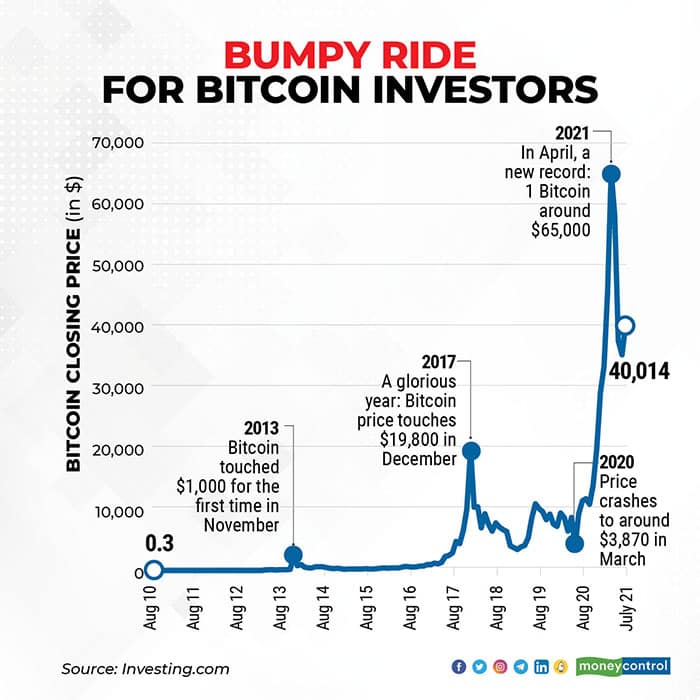
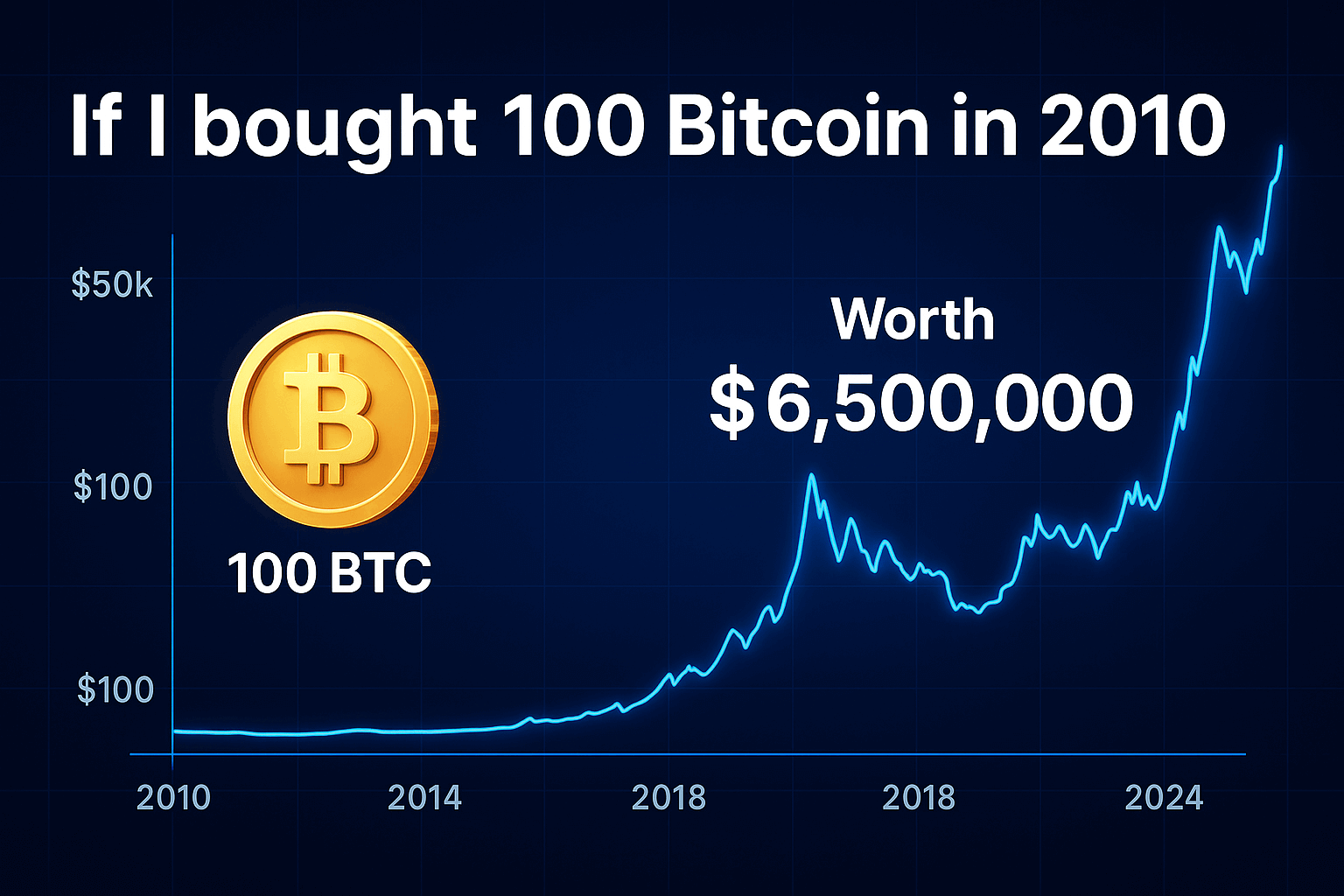
Despite the challenges, those who acquired and held onto Bitcoin from 2010 witnessed an unprecedented creation of wealth. An investment of mere dollars or the cost of running a home computer for mining could, years later, be worth millions. This outcome was virtually unimaginable at the time. The foresight required to see the potential in a digital currency trading for pennies, combined with the patience to withstand years of market cycles and technological evolution, is what separates the early pioneers from casual observers. Their early participation wasn’t just an investment; it was a bet on a new paradigm of finance.
The Mindset of the 2010 Bitcoin Investor
The individuals who bought Bitcoin in 2010 were not typical investors. They embodied a unique blend of technical acumen, ideological conviction, and a remarkable tolerance for the unknown.
A Leap of Faith into a Digital Unknown
Investing in Bitcoin in 2010 was, by definition, a leap of faith. There was no historical data, no precedent for a decentralized digital currency achieving mainstream success. It required an ability to see beyond the immediate skepticism and technical hurdles, to envision a future where such an asset could hold significant value. These early adopters weren’t buying into a proven track record; they were buying into a vision—a belief in the potential for a censorship-resistant, borderless, and permissionless financial system.
Technical Acumen and Ideological Alignment
Many early Bitcoin adopters possessed a strong technical background, allowing them to understand the cryptographic principles, the blockchain technology, and the practicalities of setting up wallets and mining rigs. They weren’t just speculating; they were often participating in the network’s development and security. Furthermore, there was a significant ideological component. Many were drawn to Bitcoin’s libertarian ideals, its promise of financial freedom, and its challenge to traditional banking systems. This ideological alignment provided an additional layer of conviction that helped them weather the early storms of volatility and criticism.
Patience, Persistence, and Profound Conviction
Perhaps the most defining trait of successful 2010 Bitcoin investors was their incredible patience and conviction. They bought when the price was negligible, when the technology was raw, and when the future was profoundly uncertain. They held through countless FUD (fear, uncertainty, and doubt) cycles, through regulatory threats, and through technical setbacks. Their belief in Bitcoin’s long-term potential transcended short-term price fluctuations, allowing them to accumulate and hold an asset that would redefine wealth for an entire generation.
Lessons from a Decade Ago: Investing in Emerging Assets Today
The story of buying Bitcoin in 2010 offers invaluable lessons for contemporary investors looking at emerging technologies and assets, whether in the crypto space or beyond.
Researching Foundational Technology
One of the key takeaways is the importance of understanding the foundational technology and the problem it aims to solve. Early Bitcoin investors weren’t just buying a ticker symbol; they understood the whitepaper, the cryptographic principles, and the vision for decentralized money. Today, whether it’s a new blockchain, an AI breakthrough, or a biotech innovation, a deep dive into the underlying technology and its potential real-world impact is crucial before committing capital. Avoid hype; seek substance.
Understanding Risk Tolerance and Diversification
The extreme risks taken by early Bitcoin adopters highlight the importance of understanding one’s own risk tolerance. While some made fortunes, many also lost their investments due to technical errors, scams, or simply selling too early during a dip. For modern investors, this translates to never investing more than you can afford to lose in highly volatile, speculative assets. Diversification remains a cornerstone of sound financial strategy, even when exploring high-growth opportunities. Allocating a small, calculated portion of a portfolio to speculative assets, rather than going “all in,” is a prudent approach.
The Power of Long-Term Vision
Finally, the Bitcoin story is a powerful testament to the long-term vision. Those who reaped the greatest rewards were those who saw beyond the daily noise, held through corrections, and believed in the transformative power of the technology over many years. While not every emerging asset will replicate Bitcoin’s success, the principle of identifying truly disruptive innovations and holding them for the long term—allowing them time to mature and gain adoption—is a timeless investing strategy. It requires patience, conviction, and an ability to ignore short-term market fluctuations in favor of fundamental growth. The journey of buying Bitcoin in 2010 wasn’t just an investment; it was a participation in the birth of a new financial era, and a masterclass in the potential rewards of bold, informed, and patient conviction.
aViewFromTheCave is a participant in the Amazon Services LLC Associates Program, an affiliate advertising program designed to provide a means for sites to earn advertising fees by advertising and linking to Amazon.com. Amazon, the Amazon logo, AmazonSupply, and the AmazonSupply logo are trademarks of Amazon.com, Inc. or its affiliates. As an Amazon Associate we earn affiliate commissions from qualifying purchases.