
Bitcoin, often lauded as a groundbreaking innovation, has fundamentally challenged conventional understandings of money and finance since its inception in 2009. Far from being a mere digital curiosity, Bitcoin performs a multifaceted role in the global financial landscape, operating as a decentralized digital currency, a potent investment asset, and a catalyst for innovation in personal and business finance. Understanding “what Bitcoin does” is essential for anyone navigating the increasingly digital and interconnected world of money. It represents a paradigm shift from traditional, centrally controlled financial systems to a distributed, peer-to-peer network, offering an alternative that promises greater transparency, efficiency, and accessibility.

At its core, Bitcoin is a digital asset designed to work as a medium of exchange using cryptography to secure transactions, control the creation of additional units, and verify the transfer of assets. It operates on a technology known as blockchain, a distributed public ledger that records all transactions in a secure and immutable way. This technological foundation allows Bitcoin to function independently of banks, governments, or other financial intermediaries, giving it unique properties that differentiate it from fiat currencies and traditional assets. Its fixed supply, capped at 21 million coins, is programmed into its protocol, contributing to its deflationary potential and its narrative as a store of value in an era of quantitative easing and monetary expansion. For individuals and institutions alike, Bitcoin presents a complex blend of opportunity and risk, requiring a deep dive into its financial applications and implications to truly grasp its significance.
Bitcoin as a Decentralized Digital Currency
One of Bitcoin’s primary functions, and indeed its original intent, is to serve as a decentralized digital currency. It aims to provide a peer-to-peer electronic cash system, allowing users to send and receive value without reliance on traditional banking infrastructure. This aspect makes it a powerful tool for global transactions and financial inclusion, offering a new dimension to how money moves and is valued.
The Core Function: A Medium of Exchange
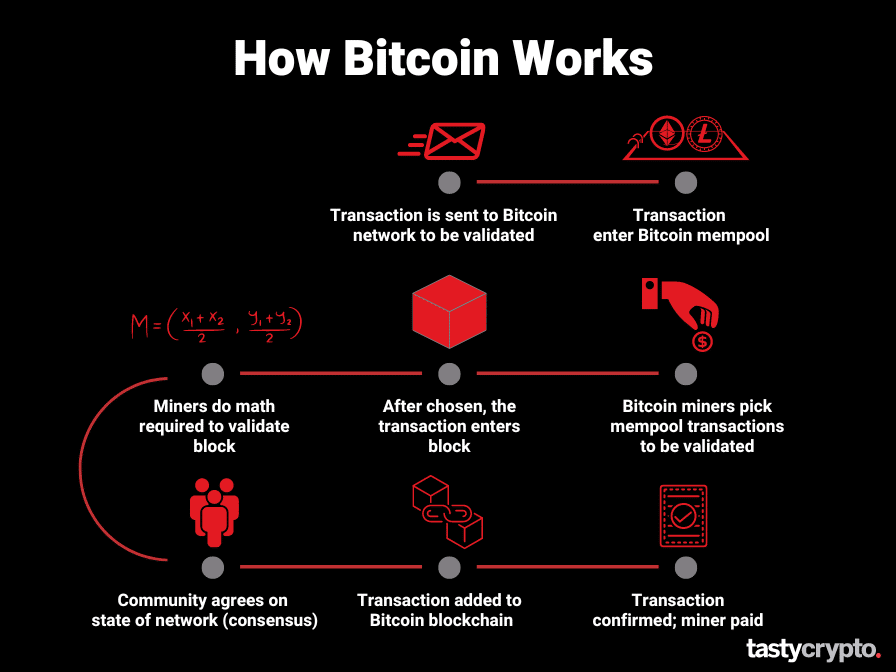
As a medium of exchange, Bitcoin facilitates the buying and selling of goods and services. Unlike physical cash or bank transfers, Bitcoin transactions are recorded on the blockchain, which is a public, distributed ledger. When a user sends Bitcoin, they are essentially transferring ownership of a specific amount of BTC from one digital wallet address to another. This transaction is then broadcast to the network, verified by “miners” (powerful computers that solve complex mathematical problems), and added to the blockchain. Once confirmed, the transaction is irreversible, providing a finality that can sometimes exceed traditional banking settlements. This peer-to-peer nature removes the need for intermediaries, potentially reducing transaction fees and speeding up the settlement process, particularly for international transfers.
Global Remittances and Peer-to-Peer Transactions
Bitcoin has emerged as a significant player in the realm of global remittances. For individuals sending money across borders, traditional methods can be slow, expensive, and subject to various geopolitical restrictions. Bitcoin offers a faster, often cheaper, and censorship-resistant alternative. Migrant workers, for instance, can send Bitcoin to their families in other countries, who can then convert it into local fiat currency, often bypassing high fees charged by money transfer services. This capability is particularly impactful in regions with underdeveloped banking systems or high inflation, providing financial access and stability where it might otherwise be lacking. The ability to transact directly, without a third-party gatekeeper, empowers individuals and fosters a more inclusive global financial system.
Unit of Account: Valuing Goods and Services
While Bitcoin’s volatility has historically made it less ideal as a stable unit of account compared to fiat currencies, its increasing adoption and market capitalization are gradually enhancing its role in this capacity. A unit of account is a standard numerical monetary unit of measure of the market value of goods, services, and other transactions. As more merchants, businesses, and even countries (like El Salvador) begin to accept Bitcoin for payments, and as its price stabilizes over time, it becomes more viable to price goods and services directly in BTC. For some, particularly those living in hyperinflationary economies, Bitcoin can even serve as a more reliable measure of value than their unstable local currency, offering a relatively more stable benchmark for economic activity. This evolution is critical for Bitcoin to fully mature as a comprehensive digital currency.
Bitcoin as an Investment Asset
Beyond its functional role as a currency, Bitcoin has profoundly established itself as a significant investment asset, drawing attention from individual retail investors, institutional funds, and even publicly traded companies. Its unique characteristics have led to it being dubbed “digital gold” and a new frontier for portfolio diversification.
The “Digital Gold” Narrative: Store of Value
One of Bitcoin’s most compelling narratives is its function as a store of value, often compared to gold. Like gold, Bitcoin is scarce; its total supply is capped at 21 million coins, and new coins are introduced at a diminishing rate through a process called “halving.” This programmed scarcity, combined with its resistance to censorship and confiscation, makes it an attractive hedge against inflation and economic uncertainty. In times of geopolitical instability or monetary expansion by central banks, investors have increasingly turned to Bitcoin as a safe haven asset, believing it can preserve or even grow their wealth independently of traditional financial markets. The idea is that its value is derived from its inherent cryptographic security, decentralized network, and limited supply, rather than being subject to the arbitrary decisions of a central authority.
Volatility and Risk in the Investment Landscape
Despite its appeal as a store of value, Bitcoin is renowned for its extreme price volatility, which is a double-edged sword for investors. While this volatility presents opportunities for significant gains, it also carries substantial risks of rapid and severe losses. The Bitcoin market is influenced by a myriad of factors, including regulatory news, technological developments, macroeconomic trends, institutional adoption, and even social media sentiment. This inherent price fluctuation means that investing in Bitcoin requires a high tolerance for risk and a long-term perspective. Short-term speculation can be highly lucrative but also incredibly perilous. Understanding and managing this risk is paramount for any investor considering an allocation to Bitcoin.
Diversification and Portfolio Allocation
For sophisticated investors and financial advisors, Bitcoin has become a legitimate component of modern investment portfolios, primarily for its potential diversification benefits. Its relatively low correlation with traditional assets like stocks and bonds, particularly during certain market cycles, means that adding Bitcoin can potentially reduce overall portfolio risk while enhancing returns. This is because Bitcoin’s price movements are often driven by different factors than those affecting traditional markets. Institutional investors, hedge funds, and even sovereign wealth funds are now exploring and implementing strategies for allocating a portion of their capital to Bitcoin, recognizing its growing market capitalization and its evolving role within the global financial system. The emergence of Bitcoin exchange-traded funds (ETFs) in various jurisdictions further legitimizes its status as an accessible and regulated investment vehicle.
Bitcoin’s Influence on Personal and Business Finance
Bitcoin’s innovative structure extends its influence beyond mere currency and investment, significantly impacting both personal and business finance by offering new solutions to old problems and creating entirely new paradigms.
Redefining Financial Inclusion
For billions of people worldwide who are unbanked or underbanked, Bitcoin offers a pathway to financial inclusion. All that is needed to access the Bitcoin network is a smartphone and an internet connection. This eliminates the need for traditional bank accounts, credit scores, or physical branches, which are often inaccessible or too expensive for many in developing nations. Through Bitcoin, individuals can store value, send and receive payments, and even access lending or other financial services without reliance on centralized institutions. This empowerment can foster economic growth in regions previously marginalized by traditional finance, providing individuals with greater control over their assets and participation in the global economy.
Lower Transaction Costs and Faster Settlements
One of the most attractive features of Bitcoin for financial transactions, especially international ones, is the potential for lower costs and faster settlement times. Traditional cross-border payments can incur significant fees from banks and payment processors, along with delays that can span several days. Bitcoin transactions, while subject to network fees that can fluctuate, are generally more cost-effective for larger international transfers and can settle within minutes or hours, regardless of geographical distance or time zones. This efficiency is particularly beneficial for businesses engaged in international trade, freelancers receiving payments from clients abroad, and individuals sending remittances, leading to considerable savings and operational improvements.
Business Adoption: Accepting Bitcoin Payments
An increasing number of businesses, from small online retailers to major corporations, are beginning to accept Bitcoin as a form of payment. This adoption is driven by several factors: a desire to attract a tech-savvy customer base, reduce processing fees compared to credit cards, and participate in the innovative digital economy. Companies like Tesla (at times), Microsoft, and various e-commerce platforms have explored or implemented Bitcoin payment options. For businesses, accepting Bitcoin opens up new markets, particularly in regions where traditional payment methods are less accessible, and can streamline international transactions. Specialized payment processors now exist that allow businesses to accept Bitcoin and instantly convert it to fiat currency, mitigating the risk of price volatility. This integration into commercial operations further solidifies Bitcoin’s role as a viable financial instrument.
Navigating the Bitcoin Ecosystem: Financial Tools and Opportunities
The growing ecosystem surrounding Bitcoin has led to the development of numerous financial tools and diverse opportunities for individuals to engage with this digital asset, from basic storage to sophisticated investment strategies.
Cryptocurrency Exchanges and Wallets
The primary gateways for interacting with Bitcoin financially are cryptocurrency exchanges and digital wallets. Exchanges, such as Coinbase, Binance, and Kraken, act as marketplaces where users can buy, sell, and trade Bitcoin for fiat currencies or other cryptocurrencies. They facilitate price discovery and provide liquidity to the market. Digital wallets, on the other hand, are essential for storing Bitcoin securely. These range from “hot” wallets (online, connected to the internet) offered by exchanges or mobile apps, to “cold” wallets (offline, hardware devices) that offer enhanced security against hacks and theft. Understanding how to use these tools effectively and securely is fundamental for anyone looking to enter the Bitcoin economy.
Bitcoin-Related Financial Products (ETFs, Futures)
As Bitcoin has matured, traditional financial institutions have developed regulated products to allow broader participation without requiring direct ownership of the cryptocurrency. Bitcoin Futures contracts, offered by exchanges like CME Group, enable investors to speculate on the future price of Bitcoin without holding the actual asset. More recently, the approval of spot Bitcoin Exchange-Traded Funds (ETFs) in major markets like the U.S. has been a monumental step. These ETFs allow investors to gain exposure to Bitcoin through traditional brokerage accounts, offering convenience, liquidity, and the regulatory oversight associated with traditional securities. These products make Bitcoin accessible to a wider range of institutional and retail investors who prefer regulated investment vehicles.
Online Income and Side Hustles with Bitcoin (Mining, Trading, Lending)
Bitcoin’s ecosystem also presents various avenues for generating online income and engaging in side hustles.
-
Mining: While largely industrialized now, early Bitcoin mining could be a source of income for individuals with powerful computing hardware, though profitability for individuals has decreased significantly.
-
Trading: Active trading of Bitcoin on exchanges, leveraging its volatility, is a common way to seek profits, though it requires skill, market knowledge, and risk management.
-
Lending and Staking: Emerging platforms allow Bitcoin holders to lend their assets to others in exchange for interest, or in the case of some other cryptocurrencies (not Bitcoin directly, but sometimes Bitcoin wrappers on other chains), “stake” their assets to support network operations and earn rewards.
-
Freelancing and Services: Many online platforms and businesses now pay freelancers in Bitcoin, offering a fast and efficient way to receive payments for digital services.
-
Bitcoin Faucets and Rewards: While offering very small amounts, some websites provide Bitcoin rewards for completing tasks, watching ads, or playing games, serving as micro-income opportunities.
The Future Financial Landscape Shaped by Bitcoin
Bitcoin’s journey is far from over. Its continued evolution promises to further reshape the financial landscape, albeit not without facing significant challenges and regulatory hurdles. Its enduring presence has already demonstrated a profound impact on how we perceive and interact with money.
Challenges and Regulatory Evolution
Despite its innovative potential, Bitcoin faces ongoing challenges, particularly concerning scalability, energy consumption (for mining), and regulatory uncertainty. Governments worldwide are grappling with how to regulate cryptocurrencies, balancing innovation with consumer protection, financial stability, and anti-money laundering concerns. The evolving regulatory landscape can significantly impact Bitcoin’s adoption and market dynamics. Clarity in regulation is crucial for mainstream institutional integration and for ensuring that Bitcoin’s financial applications can flourish within a defined legal framework, fostering greater trust and stability in the market.

Potential for Broader Financial Transformation
Looking ahead, Bitcoin’s greatest legacy might be its role as the progenitor of a broader financial transformation. It has catalyzed the development of decentralized finance (DeFi), non-fungible tokens (NFTs), and various other blockchain applications that promise to disintermediate traditional finance, create new economic models, and enhance transparency. Bitcoin has proven that a robust, decentralized, and digital form of money is not only possible but also desirable for a significant portion of the global population. Its continued existence pushes financial institutions and policymakers to innovate, rethink monetary policy, and consider how digital assets can be integrated into the global economy for a more efficient, inclusive, and resilient financial future. As the world becomes increasingly digital, Bitcoin’s foundational role in this financial revolution is undeniable, continuously redefining what money does and how it can empower individuals and businesses worldwide.
aViewFromTheCave is a participant in the Amazon Services LLC Associates Program, an affiliate advertising program designed to provide a means for sites to earn advertising fees by advertising and linking to Amazon.com. Amazon, the Amazon logo, AmazonSupply, and the AmazonSupply logo are trademarks of Amazon.com, Inc. or its affiliates. As an Amazon Associate we earn affiliate commissions from qualifying purchases.