
The question “how much is 10,000 Bitcoin worth?” isn’t just a simple calculation; it’s a doorway into understanding the immense wealth concentration in the cryptocurrency market, the dynamic nature of digital assets, and the profound implications of holding such a significant sum. For most, 10,000 Bitcoin (BTC) represents a fortune that transcends everyday comprehension, placing its holder firmly among the ranks of the ultra-wealthy. To fully grasp its value, one must look beyond the immediate number and delve into the market forces, historical context, and the financial landscape that shapes its worth, acknowledging that its precise value is a moving target, fluctuating by the second.

At its core, determining the worth of 10,000 Bitcoin requires a simple multiplication: the current market price of one Bitcoin multiplied by 10,000. However, this seemingly straightforward calculation belies a complex reality. Bitcoin’s price is notoriously volatile, influenced by a myriad of factors from global economic news and regulatory announcements to technological advancements and shifts in investor sentiment. One moment, 10,000 BTC might equate to hundreds of millions of dollars; the next, it could be a billion, or even more, or less. This article explores the multifaceted dimensions of what it means to possess such a monumental stake in the world’s premier cryptocurrency.
The Astonishing Value of Bitcoin Today (and Yesterday)
Understanding the current worth of 10,000 Bitcoin necessitates a clear-eyed look at its real-time market price. However, this snapshot is always temporary. Bitcoin’s journey from an obscure digital token to a globally recognized asset has been nothing short of spectacular, marked by dramatic price swings that define its market.
Understanding Bitcoin’s Price Volatility
Bitcoin’s value is determined by supply and demand on various cryptocurrency exchanges worldwide. Unlike traditional currencies backed by governments or commodities, Bitcoin’s value is purely market-driven, influenced by factors such as adoption rates, regulatory clarity, macroeconomic trends, and even social media sentiment. This results in significant price volatility, where daily fluctuations of 5-10% are not uncommon, and even larger movements can occur during periods of high market activity or uncertainty. For a holder of 10,000 BTC, these percentage changes translate into tens, if not hundreds, of millions of dollars in wealth gained or lost within hours. This extreme volatility is both its allure for speculative investors and a significant challenge for wealth management.
A Historical Perspective: Bitcoin’s Meteoric Rise
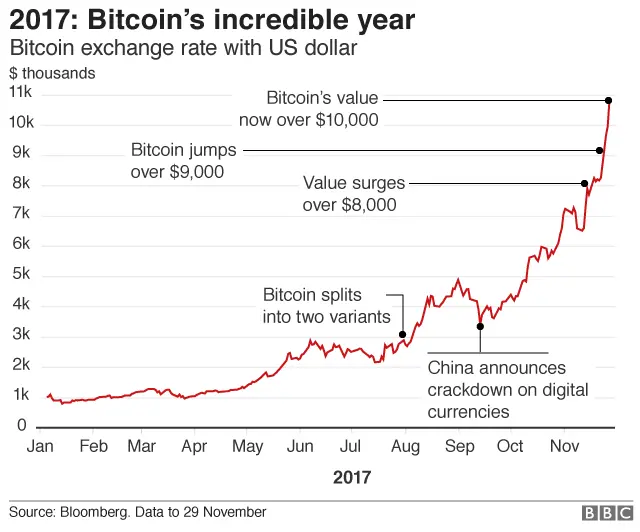
To truly appreciate the current value of 10,000 Bitcoin, one must reflect on its incredible historical trajectory. In its nascent years, Bitcoin was practically worthless. The famous “Bitcoin Pizza Day” in 2010 saw 10,000 BTC exchanged for two pizzas, valuing each Bitcoin at a fraction of a cent. Had those pizzas been bought today, they would represent an unfathomable culinary expenditure. Throughout the 2010s, Bitcoin experienced several bull and bear cycles, reaching unprecedented highs in 2017 and then again in 2021 and beyond. Each peak pushed its market capitalization into the trillions of dollars, solidifying its status as a major financial asset. This history underscores that the holder of 10,000 BTC today is either an incredibly early adopter or an exceptionally shrewd investor who accumulated a vast fortune.
Calculating the Current Value (and why it’s always changing)
To provide a concrete, albeit fleeting, answer, let’s consider a hypothetical scenario. If Bitcoin’s price is, for instance, $65,000 per BTC:
10,000 BTC * $65,000/BTC = $650,000,000 (Six Hundred and Fifty Million US Dollars).
If the price were to reach $100,000 per BTC:
10,000 BTC * $100,000/BTC = $1,000,000,000 (One Billion US Dollars).
These figures illustrate the immense scale. The calculation itself is straightforward, but the underlying price is a constantly moving target. Any news event, regulatory shift, or major institutional investment can swing the price by thousands of dollars, immediately altering the total worth of such a substantial holding by tens of millions. Therefore, any valuation provided is only accurate for the exact moment it is calculated.
The “Bitcoin Whales” Phenomenon
Individuals or entities holding 10,000 Bitcoin are commonly referred to as “whales” within the cryptocurrency community. These whales possess an outsized influence on the market due to the sheer volume of their holdings. Their movements, whether buying or selling, can send ripples through the entire ecosystem.
Who Holds Such Large Amounts of Bitcoin?
The ownership of 10,000 Bitcoin can be attributed to several distinct groups. The earliest adopters and pioneers of the Bitcoin network, including its anonymous creator Satoshi Nakamoto, are presumed to hold significant amounts. Additionally, institutional investors, hedge funds, and publicly traded companies have increasingly added Bitcoin to their balance sheets, recognizing its potential as a store of value or a hedge against inflation. Family offices managing generational wealth have also begun to explore digital assets. Furthermore, some crypto exchanges and custodians hold large sums on behalf of their clients, though these are typically segregated and not single ownership. Finally, there are a handful of individual investors who, through foresight, luck, or strategic trading, managed to accumulate such vast amounts.
The Influence of Large Holders on the Market
Bitcoin whales wield considerable power. A decision by a whale to sell a large portion of their holdings can flood the market with supply, potentially driving down the price. Conversely, a large buy order can signal strong demand, pushing the price upwards. While most whales are strategic and understand the impact of their actions, smaller “mini-whales” (those holding hundreds to a few thousand BTC) can still collectively influence market sentiment. Their movements are often tracked by market analysts, as they can provide early indicators of market trends. This concentration of wealth also raises questions about market manipulation and fairness, though the transparent nature of the blockchain allows for observation of these large transactions, even if the identities behind them remain pseudonymous.
The Case of the “Satoshi-Era” Bitcoins
A unique subset of Bitcoin whales comprises the earliest miners and wallets associated with Satoshi Nakamoto. These wallets, which hold thousands upon thousands of Bitcoins mined in the very early days of the network, have largely remained dormant for over a decade. The potential activation or movement of these “Satoshi-era” Bitcoins is a constant source of fascination and speculation within the crypto community. Should 10,000 BTC from one of these ancient wallets suddenly move, it would undoubtedly send shockwaves through the market, interpreted either as a sign of a looming sell-off or, conversely, a signal of renewed confidence depending on the context. The mere existence of these untouched fortunes adds a layer of mystique and long-term potential volatility to the Bitcoin market.
Implications of Holding a Massive Bitcoin Fortune

Holding a fortune of 10,000 Bitcoin is not merely about having a large number in a digital wallet; it comes with a unique set of financial, security, and personal responsibilities that differ significantly from managing traditional assets.
Wealth Management and Financial Planning for Crypto Assets
For someone holding 10,000 Bitcoin, traditional wealth management strategies often fall short. The extreme volatility of cryptocurrency requires specialized financial planning. This includes strategies for hedging against market downturns, diversifying holdings (even within crypto, e.g., stablecoins or other altcoins), and potentially converting portions into traditional assets to lock in gains or fund liquidity needs. Financial advisors specializing in digital assets are crucial, as they understand the nuances of blockchain technology, decentralized finance, and the specific risks associated with crypto. Their advice extends to estate planning, ensuring that these digital assets can be securely transferred to beneficiaries, a process that is far more complex than inheriting stocks or real estate.
Tax Considerations for Large Cryptocurrency Holdings
The tax implications of holding and transacting with 10,000 Bitcoin are substantial and complex. In most jurisdictions, cryptocurrencies are treated as property, meaning that capital gains taxes apply when Bitcoin is sold, exchanged for other cryptocurrencies, or used to purchase goods and services. For a holder of 10,000 BTC, any significant transaction could trigger millions, if not hundreds of millions, in tax liabilities. This necessitates meticulous record-keeping of all transactions, cost bases, and sale prices. Tax laws around cryptocurrency are still evolving, adding another layer of complexity. Strategic tax planning, including understanding long-term vs. short-term capital gains, utilizing tax-loss harvesting, and navigating international tax treaties, becomes paramount to preserve this immense wealth.
Security Challenges for Multi-Billion Dollar Portfolios
Securing 10,000 Bitcoin is an undertaking of epic proportions. Unlike fiat currency in a bank, Bitcoin holders are their own banks. This means they are solely responsible for the security of their private keys. The loss of a private key means the permanent loss of the Bitcoin. The theft of a private key means the Bitcoin is gone forever, often without recourse. For a multi-billion dollar portfolio, state-of-the-art security measures are essential. This typically involves a combination of hardware wallets, multi-signature wallets (requiring multiple approvals for transactions), cold storage solutions (offline storage), and robust cybersecurity protocols. The risk of hacking, phishing, and even physical coercion becomes a significant concern, requiring an almost military-grade approach to personal and digital security.
The Broader Economic Impact of Bitcoin’s Valuation
The valuation of Bitcoin, especially when considering the implications of holdings like 10,000 BTC, extends beyond individual wealth and has significant macro-economic ramifications.
Bitcoin as a Macro-Economic Indicator
Bitcoin’s market capitalization, which often fluctuates in the trillions of dollars, has made it a relevant asset in global economic discussions. Its price movements are increasingly watched alongside traditional indicators like stock market indices, gold prices, and interest rates. Some view Bitcoin as a hedge against inflation, a “digital gold,” particularly during periods of economic uncertainty or currency devaluation. Others see it as a risk-on asset, correlating with broader tech stock performance. The collective value of holdings like 10,000 BTC contributes significantly to this macro-economic footprint, influencing institutional investment decisions and regulatory perspectives worldwide.
Institutional Adoption and Market Maturation
The existence of individuals and entities holding 10,000 or more Bitcoin signals a growing maturation of the cryptocurrency market. As more institutions—from sovereign wealth funds to pension funds—gain exposure to Bitcoin, either directly or through ETFs, the market gains legitimacy and stability. These large institutional players contribute to deeper liquidity, potentially mitigating some of the extreme volatility that characterized Bitcoin’s earlier days. Their entry into the market also signifies a growing acceptance of Bitcoin as a legitimate asset class, moving it further away from niche speculation and closer to mainstream financial portfolios. This trend is crucial for the long-term sustainability and growth of the digital asset economy.
The Future of Digital Currencies and Wealth
The phenomenon of 10,000 Bitcoin holdings offers a glimpse into the potential future of digital wealth. As blockchain technology evolves and central bank digital currencies (CBDCs) emerge, the way wealth is stored, managed, and transferred is set for a dramatic transformation. Bitcoin, as the pioneer of this movement, provides a case study in the challenges and opportunities inherent in this shift. The existence of such immense digital fortunes highlights the need for robust regulatory frameworks, advanced security solutions, and sophisticated financial instruments tailored to a world increasingly reliant on digital assets. It also fuels the ongoing debate about the future of money, financial inclusion, and the distribution of wealth in a decentralized economy.
More Than Just a Number: The Significance of 10,000 BTC
While the dollar figure associated with 10,000 Bitcoin is staggering, its significance extends beyond mere numerical value. It embodies a complex interplay of innovation, risk, vision, and often, profound personal impact.
The Psychological Impact of Extreme Wealth
For individuals who hold 10,000 Bitcoin, especially those who acquired it at a low cost, the psychological impact of such extreme wealth can be immense. It brings unprecedented financial freedom but also significant pressures related to security, privacy, and the responsibility that comes with managing a fortune. The constant fluctuations in value can be emotionally taxing, requiring a disciplined mindset to avoid making impulsive decisions. Furthermore, navigating relationships, dealing with newfound public attention (if one’s identity becomes known), and resisting the temptation of extravagant spending are all challenges that come with this level of financial success in the digital age.
Responsible Investing and Philanthropy in the Crypto Space
The discussion around 10,000 Bitcoin also naturally leads to conversations about responsible wealth management and philanthropy. With such vast resources, individuals have the power to influence markets, support innovative projects, or contribute to social causes. “Crypto philanthropy” has emerged as a growing trend, allowing holders of large digital fortunes to donate Bitcoin or other cryptocurrencies to charitable organizations, leveraging the efficiency and transparency of blockchain technology. This not only provides a mechanism for giving back but also further legitimizes the asset class by demonstrating its utility for positive societal impact, moving beyond purely speculative financial gain.
Navigating the Future of Digital Assets
Possessing 10,000 Bitcoin positions a holder at the forefront of the digital asset revolution. They are not merely observers but active participants in shaping the future of finance. Their decisions regarding how they manage, spend, or invest their Bitcoin can influence market trends, spur innovation, and contribute to the broader adoption of cryptocurrency. The challenges they face—from regulatory uncertainties to technological risks—are indicative of the ongoing evolution of this space. Ultimately, understanding the worth of 10,000 Bitcoin is about appreciating the scale of transformation underway in the global financial system and the profound implications for those who have positioned themselves at its leading edge.
aViewFromTheCave is a participant in the Amazon Services LLC Associates Program, an affiliate advertising program designed to provide a means for sites to earn advertising fees by advertising and linking to Amazon.com. Amazon, the Amazon logo, AmazonSupply, and the AmazonSupply logo are trademarks of Amazon.com, Inc. or its affiliates. As an Amazon Associate we earn affiliate commissions from qualifying purchases.