
The question “how much is crypto worth?” is far more complex than a simple glance at a price chart might suggest. In the rapidly evolving landscape of digital finance, cryptocurrencies have transcended their niche origins to become a significant, albeit often volatile, asset class drawing the attention of retail investors, institutional giants, and national governments alike. Understanding the “worth” of crypto requires a multifaceted approach, moving beyond mere market prices to encompass technological innovation, economic utility, network effects, and the intricate dance of market psychology.
Unlike traditional assets with established valuation models, cryptocurrencies present a unique challenge. There are no quarterly earnings reports, no physical assets to appraise, and often, no central authority dictating supply. Instead, their value is a dynamic interplay of perceived utility, scarcity, adoption rates, and speculative interest, all underpinned by groundbreaking blockchain technology. This article delves into the various lenses through which one can assess the worth of cryptocurrencies, providing a comprehensive framework for understanding this revolutionary asset class within the domain of personal and business finance.

Deconstructing “Worth”: More Than Just Price Tags
To truly grasp the value of cryptocurrencies, one must first dismantle the conventional understanding of “worth.” For many, worth is synonymous with the dollar price displayed on an exchange. However, this is just one dimension of a much larger picture. The market price of a cryptocurrency is a real-time reflection of supply and demand, influenced by myriad factors, but it doesn’t necessarily encapsulate its fundamental value or long-term potential.
Market Capitalization: A Primary Indicator
One of the most commonly cited metrics for assessing a cryptocurrency’s size and, to some extent, its perceived worth, is market capitalization (market cap). This is calculated by multiplying the current price of a single coin by the total number of coins in circulation. For instance, if Bitcoin is trading at $50,000 and there are 19 million Bitcoins in circulation, its market cap would be $950 billion.
Market cap offers a useful gauge of a cryptocurrency’s dominance and stability relative to others. A higher market cap often implies greater liquidity, wider adoption, and a larger community, which can translate into a more robust and less volatile asset. However, market cap alone doesn’t tell the whole story. A project with a high market cap might be overvalued if its underlying technology or adoption isn’t growing commensurately, while a lower market cap project could be undervalued if it has significant untapped potential.
The Influence of Supply and Demand Dynamics
At its core, the immediate price of any cryptocurrency is a product of supply and demand. If more people want to buy a particular coin than sell it, its price will rise. Conversely, if selling pressure outweighs buying pressure, the price will fall. This fundamental economic principle is amplified in the crypto market due to its 24/7 nature and global accessibility.
Supply can be influenced by factors like:
-
Total Supply Cap: Many cryptocurrencies, like Bitcoin, have a fixed maximum supply, creating scarcity.
-
Emission Schedule: The rate at which new coins are introduced into circulation.
-
Staking and Locking Mechanisms: Coins being removed from the circulating supply for staking, liquidity pools, or other protocol-specific reasons.
Demand is driven by:
-
Investor Sentiment: Hype, fear, and confidence play a huge role.
-
Utility and Adoption: Real-world use cases, integration into applications, and acceptance by merchants.
-
Speculation: Traders buying in anticipation of future price increases.
-
Macroeconomic Factors: Interest rates, inflation, and global economic stability can drive investors towards or away from perceived risk assets like crypto.
Volatility as a Defining Characteristic
Perhaps the most defining characteristic of cryptocurrency “worth” is its inherent volatility. Prices can swing wildly, experiencing double-digit percentage changes within hours, which is unheard of in traditional markets. This volatility is a double-edged sword: it offers immense potential for gains but also carries significant risk of substantial losses.
Factors contributing to this extreme volatility include:
-
Relative Immaturity: The crypto market is still young compared to established financial markets.
-
Liquidity Concentration: While major cryptos are liquid, many smaller altcoins can be easily manipulated by large buyers or sellers.
-
News and Social Media: Crypto markets are highly reactive to news, regulatory announcements, and even influential social media posts.
-
Lack of Intrinsic Valuation Models: The absence of universally accepted, fundamental valuation metrics makes crypto susceptible to sentiment-driven movements.
Core Metrics for Crypto Valuation
Beyond market cap and price, savvy investors utilize a range of metrics to gauge the health and potential worth of a cryptocurrency. These metrics offer deeper insights into a project’s underlying activity and adoption, moving beyond superficial price movements.
Trading Volume and Liquidity Assessment
Trading volume represents the total amount of a specific cryptocurrency that has been bought and sold over a period, typically 24 hours. High trading volume indicates strong market interest and liquidity, meaning assets can be bought and sold quickly without significantly impacting the price. Low volume, conversely, can suggest a lack of interest, making it difficult to enter or exit positions without causing price swings.
Liquidity refers to the ease with which an asset can be converted into cash without affecting its market price. Highly liquid cryptocurrencies are generally more stable and less prone to price manipulation. Investors look for coins with robust trading volumes across multiple reputable exchanges as a sign of healthy liquidity.
On-Chain Analytics: Gauging Network Health
One of the unique advantages of blockchain technology is the transparency of on-chain data. On-chain analytics involve studying public ledger data to understand network activity, user behavior, and economic transactions. Key metrics include:
-
Active Addresses: The number of unique cryptocurrency addresses active on the network, indicating user adoption and engagement.
-
Transaction Volume: The total value of transactions processed on the network, signifying economic activity.
-
Hash Rate (for Proof-of-Work chains): The total computational power used for mining, reflecting network security and miner confidence.
-
Fees Paid: The total amount of fees collected by miners/validators, indicating demand for network usage.
These metrics provide a more fundamental view of a crypto’s “worth” by demonstrating actual use and demand for its underlying blockchain. A healthy and growing on-chain ecosystem often correlates with long-term value appreciation.
Developer Activity and Community Strength
While not directly financial metrics, developer activity and community strength are crucial indirect indicators of a project’s long-term viability and potential worth.
-
Developer Activity: A vibrant development team consistently working on improvements, bug fixes, and new features signals a committed project with a future. Metrics like GitHub commits, active contributors, and roadmap progress are important.
-
Community Strength: A large, engaged, and supportive community on platforms like Twitter, Reddit, Discord, and Telegram suggests strong belief in the project. A thriving community contributes to network effects, fosters adoption, and provides a resilient user base. A project with strong community backing often proves more robust in weathering market downturns.
The Multifaceted Drivers of Crypto Value
The factors influencing cryptocurrency worth extend beyond internal metrics to encompass broader economic, political, and technological landscapes.
Macroeconomic Tides and Geopolitical Winds
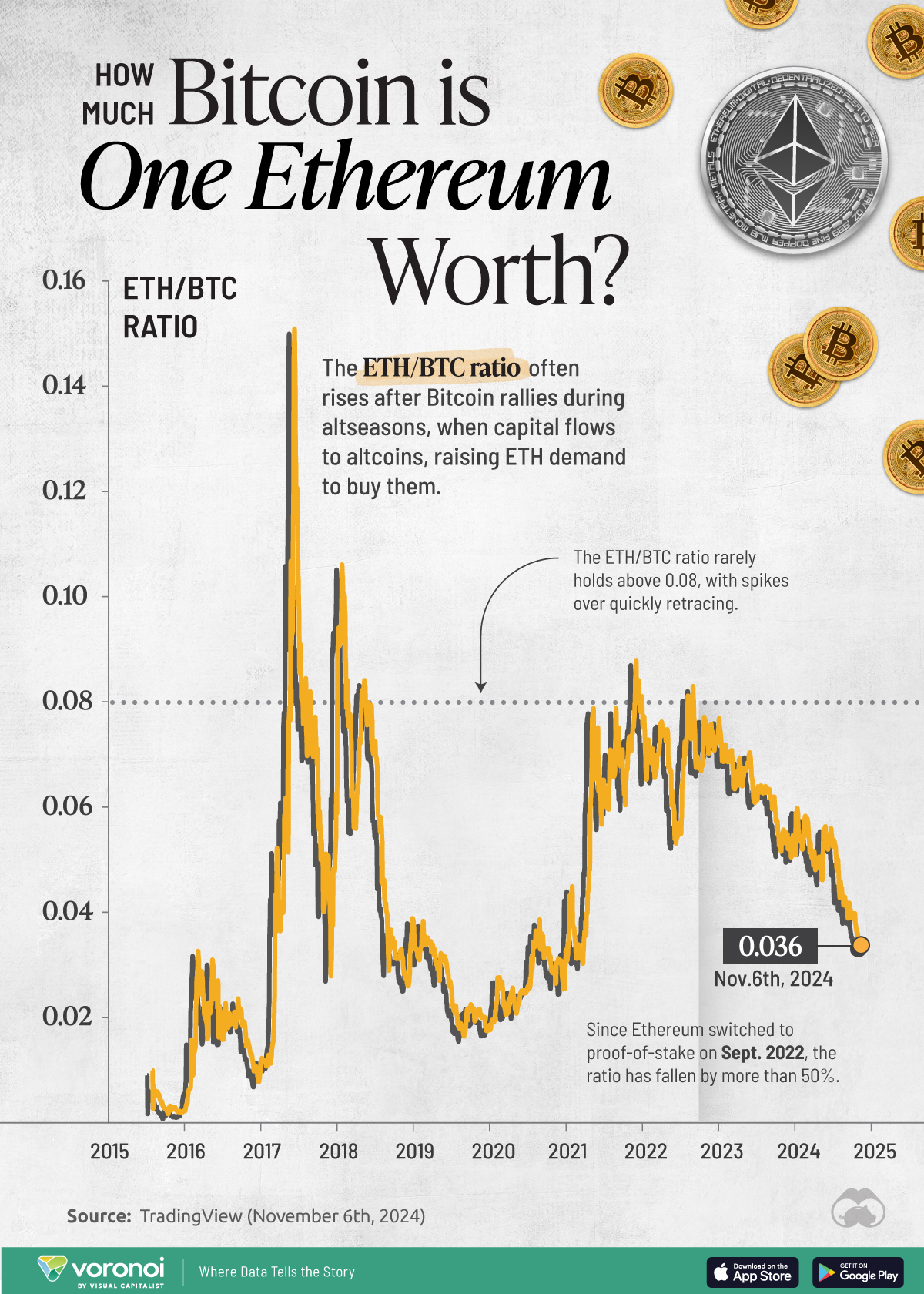
Cryptocurrencies, particularly Bitcoin, are increasingly viewed as global macro assets.
-
Inflation: In periods of high inflation, investors may seek refuge in assets perceived as inflation hedges, and Bitcoin is often cited in this context due to its fixed supply.
-
Interest Rates: Higher interest rates can make traditional investments more attractive, potentially drawing capital away from riskier assets like crypto.
-
Geopolitical Events: Conflicts, political instability, or significant policy shifts in major economies can drive capital into or out of crypto markets, often enhancing its appeal as a decentralized, borderless alternative.
Regulatory Frameworks and Institutional Adoption
The regulatory landscape plays a pivotal role in shaping crypto’s perceived legitimacy and, therefore, its worth. Clarity from governments regarding taxation, classification, and operational guidelines can instill confidence, attracting more institutional capital. Conversely, harsh or uncertain regulations can deter investment and stifle innovation.
Institutional adoption is another critical driver. As hedge funds, asset managers, and even corporations allocate portions of their portfolios to crypto, it adds significant buying pressure and lends credibility to the asset class, often leading to substantial price appreciation and reduced volatility.
Technological Innovation and Real-World Utility
Ultimately, the long-term worth of a cryptocurrency is intrinsically linked to its technological innovation and real-world utility. Projects that solve genuine problems, offer superior functionality, or facilitate new economic models are more likely to thrive.
-
Scalability: The ability of a blockchain to handle a large number of transactions efficiently.
-
Security: The robustness of the network against attacks.
-
Interoperability: The capacity for different blockchains to communicate and exchange data.
-
Use Cases: Whether the crypto powers decentralized finance (DeFi) applications, facilitates supply chain management, enables digital identity, or offers a more efficient payment system.
Cryptocurrencies that purely rely on hype without delivering tangible utility are unlikely to sustain their worth in the long run.
Investor Sentiment, Hype Cycles, and Market Psychology
Human psychology remains an undeniable force in crypto markets. Investor sentiment, often amplified by social media, can create powerful feedback loops. Hype cycles are common, where new projects or technologies generate intense excitement, leading to rapid price increases. This is often followed by a period of correction or consolidation as reality sets in, a pattern frequently observed in emerging technologies.
Understanding the “Fear of Missing Out” (FOMO) and “Fear, Uncertainty, and Doubt” (FUD) is crucial. These emotional responses can lead to irrational buying at peaks and panic selling at troughs, significantly impacting short-term prices and overall market dynamics.
Beyond Speculation: The Intrinsic Value and Future Potential
While much of the public discourse around crypto worth focuses on price speculation, it’s vital to recognize the profound intrinsic value and future potential embedded in the technology itself.
Decentralization and Financial Empowerment
One of crypto’s most compelling values lies in its promise of decentralization. By removing intermediaries (banks, governments), it offers greater autonomy and control over personal finances. This is particularly impactful in regions with unstable economies or restrictive financial systems, providing a gateway to financial services and empowerment for the unbanked. The ability to transact directly, securely, and without permission offers a foundational layer of worth that transcends mere market price.
Smart Contracts, DeFi, and Programmable Finance
The advent of smart contracts – self-executing contracts with the terms of the agreement directly written into code – on platforms like Ethereum has unlocked immense potential. This led to the explosion of Decentralized Finance (DeFi), a parallel financial system offering lending, borrowing, trading, and insurance services without traditional financial institutions. The worth of cryptocurrencies powering these platforms (e.g., ETH for transaction fees, various tokens for governance or collateral) is tied directly to the value created by these innovative financial applications. This “programmable money” represents a paradigm shift, creating entirely new economic possibilities.
Web3, NFTs, and the Evolution of Digital Ownership
The concept of Web3 – a decentralized internet built on blockchain technology – further expands crypto’s intrinsic worth. Cryptocurrencies and associated tokens are foundational to enabling a future where users, not corporations, own their data and digital assets. Non-Fungible Tokens (NFTs), for instance, are revolutionizing digital ownership of art, music, gaming assets, and intellectual property, granting creators and collectors unprecedented control and verifiable scarcity. The worth here lies not just in the individual NFT’s price, but in the underlying infrastructure that enables provable digital ownership and new creator economies.
Strategic Approaches to Crypto Investment
For those looking to engage with this evolving asset class, a strategic, finance-centric approach is paramount.
Risk Management and Diversification Principles
Given the inherent volatility, risk management is non-negotiable. Never invest more than you can afford to lose. Start with a clear understanding of your personal financial goals and risk tolerance. Diversification is also key: instead of putting all your capital into one coin, spread your investments across a portfolio of promising cryptocurrencies, balancing established projects with higher-risk, higher-reward ventures. Consider allocating a small, defined percentage of your overall investment portfolio to crypto.
Long-Term Vision vs. Short-Term Trading
Determine your investment horizon. Many successful crypto investors adopt a long-term vision, focusing on the fundamental technology, utility, and adoption curve of projects rather than short-term price fluctuations. This “HODL” (Hold On for Dear Life) strategy aims to capture the substantial growth potential over several years. Conversely, short-term trading involves attempting to profit from frequent price movements, which is a highly complex and risky endeavor best left to experienced traders with robust strategies and risk controls.
The Imperative of Due Diligence and Continuous Learning
The crypto space is rife with innovation, but also with scams and unviable projects. Due diligence (DYOR – Do Your Own Research) is critical. Thoroughly investigate any project you consider investing in:
-
Read the whitepaper.
-
Understand the technology and its use case.
-
Evaluate the team behind the project.
-
Assess community support and developer activity.
-
Analyze tokenomics (how the token is created, distributed, and used).
-
Scrutinize audited smart contracts for security vulnerabilities.
Finally, the crypto market is dynamic. Rules change, new technologies emerge, and regulations evolve. Continuous learning is not just an advantage, but a necessity for navigating this complex and exciting financial frontier.
In conclusion, the “worth” of crypto is a rich tapestry woven from market dynamics, technological innovation, economic utility, and human psychology. It’s not a static number but a constantly renegotiated value proposition that challenges traditional financial paradigms and offers both unprecedented opportunities and significant risks for investors willing to engage with its unique complexities.
aViewFromTheCave is a participant in the Amazon Services LLC Associates Program, an affiliate advertising program designed to provide a means for sites to earn advertising fees by advertising and linking to Amazon.com. Amazon, the Amazon logo, AmazonSupply, and the AmazonSupply logo are trademarks of Amazon.com, Inc. or its affiliates. As an Amazon Associate we earn affiliate commissions from qualifying purchases.