
Bitcoin, the pioneering cryptocurrency, has captivated the financial world since its inception. From humble beginnings as an obscure digital experiment, it has evolved into a global asset with a market capitalization often exceeding a trillion dollars. For investors and financial observers alike, one of the most frequently asked questions, and indeed a significant benchmark, is: “What’s Bitcoin’s all-time high?”
Understanding Bitcoin’s all-time high (ATH) is more than just recalling a peak price; it’s about comprehending the forces that drive financial markets, the psychology of investors, and the dynamic trajectory of a truly novel asset class. While the exact figure fluctuates based on the exchange and the precise moment of measurement, Bitcoin has notably surpassed $73,000 in March 2024. This figure represents not just a price point, but a culmination of market cycles, technological adoption, macroeconomic shifts, and growing institutional acceptance. Delving into this peak reveals critical insights into market behavior, investment strategies, and the ongoing financial revolution powered by digital assets.
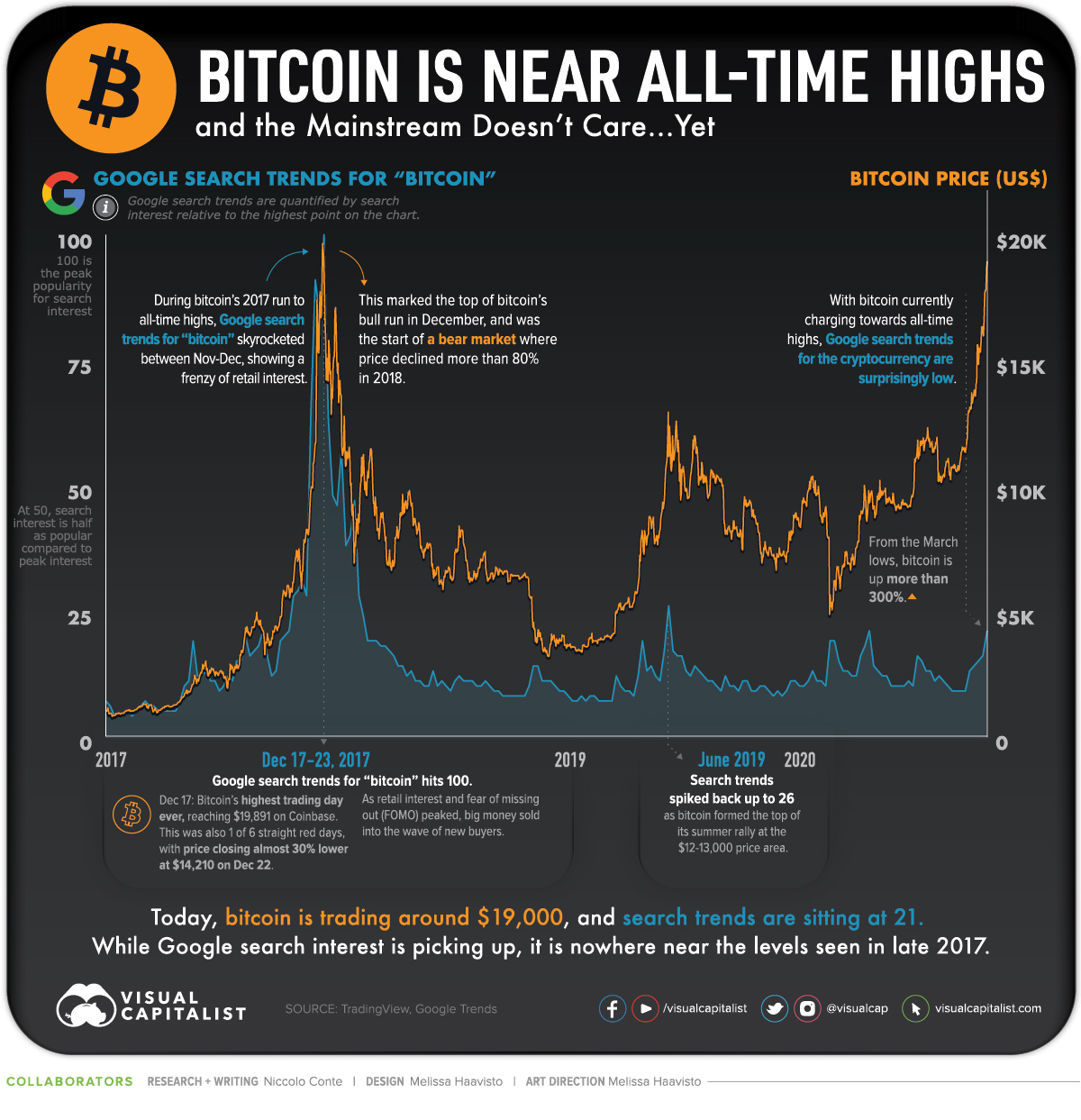
Charting Bitcoin’s Ascent: A Historical Overview
Bitcoin’s journey to its all-time high is a saga of extreme volatility, rapid growth, and periods of significant correction. Its price history is a fascinating study in market dynamics, reflecting shifts in perception, technology, and global finance.
The Genesis and Early Volatility
When Bitcoin was first introduced in 2009 by the pseudonymous Satoshi Nakamoto, it had no real-world monetary value. Its first recorded price exchanges were for mere pennies, famously culminating in the “Bitcoin Pizza Day” in 2010 when 10,000 BTC were used to buy two pizzas, then valued at about $40. The early years saw Bitcoin’s value primarily driven by a small community of tech enthusiasts and libertarians, with significant price swings stemming from limited liquidity and nascent infrastructure. The first major bull run occurred in 2013, pushing Bitcoin from under $20 to over $1,100, a staggering increase that brought it to the attention of a broader audience for the first time. This initial surge was largely fueled by increasing media coverage and growing awareness of its potential as a digital currency, quickly followed by a multi-year bear market that saw prices plunge.
Key Bull Runs and Bear Markets
Bitcoin’s price history is characterized by distinct cycles of exponential growth (bull runs) followed by sharp contractions (bear markets), often referred to as “crypto winters.”
-
2017 Bull Run: After years of consolidation, Bitcoin surged dramatically throughout 2017, starting the year around $900 and reaching nearly $20,000 by December. This rally was largely driven by a wave of retail investor excitement, the proliferation of initial coin offerings (ICOs), and increasing accessibility through new exchanges. The “FOMO” (fear of missing out) among individual investors was palpable, attracting significant capital into the nascent crypto ecosystem.
-
2020-2021 Mega Cycle: Following a prolonged bear market and a relatively stable period, Bitcoin embarked on its most significant bull run to date starting in late 2020. This cycle propelled its price past its 2017 peak and saw it reach a then-unprecedented high of over $69,000 in November 2021. This rally was fundamentally different from previous ones, marked by substantial institutional interest, corporate treasuries adding Bitcoin to their balance sheets (e.g., MicroStrategy, Tesla), increased regulatory clarity in some regions, and growing concerns about inflation pushing investors towards “digital gold” narratives. The COVID-19 pandemic and associated monetary easing policies also played a role in driving liquidity into speculative assets.
-
2023-2024 Resurgence: After a significant downturn throughout 2022, Bitcoin began a strong recovery in 2023, accelerating into 2024. This most recent surge, culminating in the March 2024 ATH above $73,000, was heavily influenced by the approval of spot Bitcoin ETFs in the United States. These investment vehicles made it significantly easier for traditional financial institutions and retail investors to gain exposure to Bitcoin without directly holding the asset, unlocking substantial capital inflows. Anticipation of the “halving” event (a programmed reduction in new Bitcoin supply) and continued interest from global investors also provided strong tailwinds.
The Factors Behind Each Peak
Each of Bitcoin’s major peaks has been propelled by a unique combination of factors:
-
Technological Maturation and Adoption: As Bitcoin’s underlying technology became more robust and its network more secure, confidence in its long-term viability grew. Wallets and exchanges became more user-friendly, expanding its reach.
-
Halving Events: Every four years, the reward for mining new Bitcoin blocks is halved, reducing the rate at which new supply enters the market. Historically, these events have often preceded significant price rallies, as a constrained supply meets growing demand.
-
Institutional Adoption: The entry of major financial institutions, hedge funds, and publicly traded companies into the Bitcoin space has provided legitimacy and significant capital. Products like futures contracts and, crucially, spot ETFs, have bridged the gap between traditional finance and cryptocurrency.
-
Macroeconomic Environment: Periods of high inflation, geopolitical instability, and expansive monetary policies by central banks have often led investors to seek alternative assets like Bitcoin, which is sometimes viewed as a hedge against fiat currency devaluation.
-
Retail Investor Sentiment and FOMO: While institutional money has become a dominant force, the excitement and speculation from individual investors continue to play a crucial role, especially in rapid parabolic surges. Social media and mainstream news coverage can amplify these effects.
-
Regulatory Developments: Clarity, or even the perception of impending clarity, from regulators can significantly impact investor confidence and market sentiment. The approval of ETFs is a prime example of a positive regulatory development fueling a rally.
Understanding the Significance of an All-Time High
An all-time high is more than just a number; it carries profound implications for market psychology, future investment decisions, and the broader narrative of an asset.
Psychological Impact and Market Sentiment
When an asset like Bitcoin reaches a new all-time high, it generates immense psychological impact.
-
Euphoria and FOMO: New highs often trigger a wave of euphoria among existing holders and ignite “Fear Of Missing Out” (FOMO) among those on the sidelines. This can lead to increased buying pressure as investors rush to participate in the perceived momentum, further pushing prices up.
-
Validation: For long-term investors and proponents, a new ATH serves as a powerful validation of their conviction and the asset’s underlying value proposition. It reinforces the belief that the asset is not just a passing fad but a legitimate and growing part of the financial landscape.
-
Media Attention: All-time highs invariably capture significant media attention, bringing the asset into mainstream conversations and attracting new eyes, many of whom may then enter the market. This creates a feedback loop, as increased awareness often translates to increased demand.
Conversely, failing to break an ATH for an extended period can lead to stagnation or capitulation, indicating a loss of momentum or unresolved market issues.
Benchmark for Future Performance
An all-time high acts as a critical benchmark for both analysts and investors.
-
Resistance Levels: Once an asset reaches an ATH and subsequently corrects, that peak price often becomes a strong psychological and technical resistance level. Breaking above a previous ATH is a bullish signal, suggesting strong upward momentum and a potential “price discovery” phase where there are no historical overhead sellers.
-
Investor Psychology (“Bag Holders”): Conversely, many investors who bought near a previous ATH might be holding “bags” – assets purchased at a higher price now trading lower. These investors might be eager to sell once the price approaches their breakeven point, creating selling pressure near old highs. The ability to push past these “bag holders” and establish new price discovery is a sign of robust market strength.
-
Risk Assessment: Understanding where the current price stands relative to its ATH helps investors assess risk. Buying at or near an ATH might imply a higher risk of a short-term correction, while buying significantly below it might offer a better risk-reward profile, assuming the asset eventually reclaims its peak.
Reflecting Broader Market Adoption
Bitcoin’s journey to its successive all-time highs mirrors its evolution from a niche technology to a globally recognized financial asset.
-
From Fringe to Mainstream: Early ATHs (e.g., 2013) primarily reflected interest from tech enthusiasts. The 2017 ATH showed significant retail interest. The 2021 and 2024 ATHs, however, are a testament to widespread institutional acceptance, corporate integration, and the establishment of regulatory frameworks (like spot ETFs) that facilitate broader adoption by traditional finance.
-
Increased Liquidity and Infrastructure: Each new ATH is often accompanied by improved market infrastructure, increased liquidity, and a more diverse range of financial products (futures, options, ETFs) that make it easier for various types of investors to participate. This growth in infrastructure lends stability and credibility to the market.
-
Global Recognition: The consistent setting of new ATHs has elevated Bitcoin’s status on the global stage, positioning it as a serious contender in discussions about inflation hedges, digital scarcity, and the future of money. It forces financial institutions, governments, and economists to acknowledge its presence and potential impact.
Navigating Volatility: Investing Strategies Around Peaks

Bitcoin’s propensity for reaching new all-time highs, often followed by significant pullbacks, underscores the importance of thoughtful investment strategies. Navigating these volatile cycles is crucial for managing risk and maximizing potential returns within the Money niche.
The Allure of Chasing Highs
The excitement surrounding a new all-time high can be intoxicating, drawing in new investors motivated by the prospect of quick gains. This “chasing the pump” mentality, however, carries significant risks. Buying an asset at its peak often means buying at its most expensive point, just before a potential correction. While some parabolic moves can continue further, historical patterns show that aggressive buying at ATHs can lead to substantial losses if a downturn follows. It’s a high-risk strategy that requires extreme discipline for profit-taking and loss management, often leading to disappointment for inexperienced investors who lack a clear exit strategy. The allure is strong, but the reality can be harsh, highlighting the “buy high, sell low” trap many fall into during speculative frenzies.
Dollar-Cost Averaging (DCA): A Strategy for Mitigating Volatility
One of the most widely recommended strategies for investing in volatile assets like Bitcoin is Dollar-Cost Averaging (DCA). Instead of attempting to time the market by buying at what one hopes is the bottom or selling at the peak, DCA involves investing a fixed amount of money at regular intervals (e.g., weekly or monthly), regardless of the asset’s price.
-
Reduces Risk of Buying at Peak: DCA naturally spreads out the purchase price over time. If the price is high, you buy less; if it’s low, you buy more for the same fixed investment amount. This averages out your cost basis and reduces the risk of making a large investment just before a significant price drop.
-
Emotional Detachment: It removes the emotional component of trying to predict market movements, which is notoriously difficult even for seasoned professionals. This disciplined approach helps investors stick to their long-term plan, even during market corrections or euphoric rallies.
-
Compounding Effect: Over long periods, DCA allows investors to accumulate a significant position, potentially benefiting from Bitcoin’s long-term upward trend and compounding returns, without the stress of constant market monitoring.
Long-Term vs. Short-Term Perspectives
Investors in Bitcoin generally fall into two broad categories:
-
Long-Term (HODL) Strategy: “HODL” (a misspelling of “hold” that became a meme) refers to the strategy of buying Bitcoin and holding it for an extended period, often years, with the belief that its value will appreciate significantly over time, overcoming short-term volatility. This approach focuses on Bitcoin’s fundamental value proposition as a scarce, decentralized digital asset. Long-term investors are less concerned with daily or weekly price fluctuations and more with the multi-year cycles and adoption trends. They understand that ATHs are milestones in a much longer journey.
-
Short-Term Trading: Traders, on the other hand, attempt to profit from Bitcoin’s daily or weekly price movements, buying low and selling high within shorter timeframes. This requires significant technical analysis skills, emotional control, and a deep understanding of market liquidity and order books. While potentially lucrative, it is also much riskier and often leads to losses for inexperienced participants, especially around ATHs where volatility is amplified and reversals can be sharp.
Risk Management and Diversification
Regardless of the strategy employed, sound risk management and diversification are paramount when investing in Bitcoin or any cryptocurrency.
-
Allocate Appropriately: Never invest more than you can afford to lose. Bitcoin, despite its maturation, remains a volatile and speculative asset. A common guideline is to allocate only a small percentage (e.g., 1-5%) of a total investment portfolio to highly volatile assets like crypto.
-
Portfolio Diversification: Do not put all your eggs in one basket. A well-diversified portfolio includes a mix of traditional assets (stocks, bonds, real estate) and alternative assets. While Bitcoin can be a component, it should generally not be the sole focus, especially for conservative investors.
-
Understand Your Risk Tolerance: Every investor has a different capacity and willingness to take on risk. It’s crucial to understand your own risk tolerance and align your investment strategy accordingly, rather than being swayed by market hype surrounding all-time highs.
-
Research and Due Diligence: Thoroughly research the asset, understand its underlying technology, market dynamics, and potential risks before investing. Avoid making decisions based solely on social media sentiment or news headlines during peak euphoria.
Beyond the Peak: What Lies Ahead for Bitcoin?
Bitcoin’s journey is far from over. While setting a new all-time high is a significant achievement, the future holds numerous factors that will continue to shape its trajectory as a financial asset.
Macroeconomic Influences
The broader global economic landscape plays a critical role in Bitcoin’s valuation.
-
Inflation and Monetary Policy: Bitcoin’s narrative as a hedge against inflation continues to resonate, particularly during periods of aggressive fiat money printing. Should inflation persist or central banks continue with loose monetary policies, Bitcoin could see increased demand as investors seek store-of-value assets. Conversely, tighter monetary policies, such as interest rate hikes, can draw liquidity away from speculative assets and into safer havens or higher-yielding traditional investments.
-
Global Liquidity: The overall availability of capital in the financial system significantly impacts asset prices. Periods of high global liquidity tend to favor riskier, high-growth assets, including Bitcoin. Economic contractions or financial crises, however, can lead to a flight to safety, potentially dampening Bitcoin’s performance, at least in the short term.
-
Geopolitical Stability: Major global events, conflicts, or shifts in international relations can influence investor sentiment and capital flows, sometimes driving interest in decentralized, censorship-resistant assets like Bitcoin.
Regulatory Landscape
Regulation remains one of the most influential, yet unpredictable, factors for Bitcoin.
-
Spot ETF Approvals: The approval of spot Bitcoin ETFs in the U.S. was a game-changer, opening the floodgates for institutional capital. Similar approvals in other major jurisdictions (e.g., Europe, Asia) could further amplify demand.
-
Clarity and Frameworks: As governments worldwide grapple with how to regulate cryptocurrencies, clear and favorable regulatory frameworks could foster greater adoption and legitimacy. Conversely, overly restrictive or punitive regulations could stifle innovation and investment.
-
International Coordination: The fragmented nature of global crypto regulation poses challenges. Efforts towards international coordination or the emergence of common standards could provide greater stability and reduce regulatory arbitrage.
Technological Advancements and Network Growth
While the price discusses financial aspects, the underlying technology’s evolution is critical for Bitcoin’s long-term viability and utility.
-
Scalability Solutions: Ongoing developments in scalability, such as the Lightning Network, aim to enable faster and cheaper transactions, increasing Bitcoin’s utility as a medium of exchange. Improved scalability could unlock new use cases and drive further adoption.
-
Security and Decentralization: Continuous efforts to maintain and enhance the security and decentralization of the Bitcoin network are paramount. Any perceived vulnerabilities could erode trust and impact its value proposition as a secure store of value.
-
Development Ecosystem: The growth of applications and services built on or around Bitcoin’s blockchain can increase its utility and interconnectedness with the broader digital economy, driving demand.

Price Prediction and Market Cycles
Bitcoin’s price history reveals distinct cycles, often tied to halving events. Many analysts use these historical patterns, alongside technical indicators and on-chain data, to model potential future price movements.
-
Halving Cycle Theory: The theory suggests that post-halving periods often lead to significant bull runs due to the supply shock, followed by corrections. The next halving in 2028 is keenly anticipated.
-
Stock-to-Flow Model: This model, though controversial, attempts to predict Bitcoin’s price based on its scarcity (stock) relative to its annual production (flow), often projecting significantly higher prices in the long run.
-
Caution Against Guarantees: It’s crucial to remember that past performance is not indicative of future results. Market dynamics are complex, and unforeseen events can always disrupt historical patterns. Price predictions are speculative and should not be taken as financial advice. The speculative nature of the asset means significant volatility will likely remain a feature, not a bug, of Bitcoin’s price action.
In conclusion, Bitcoin’s all-time high is a dynamic figure, not just a static record. It encapsulates the asset’s journey through various market cycles, reflecting evolving investor sentiment, technological maturity, and the ever-changing global financial landscape. While the precise numerical value is a point of record, its true significance lies in the insights it provides into market psychology, investment strategy, and the ongoing financial revolution that Bitcoin represents. As Bitcoin continues to evolve, understanding its past peaks and the forces behind them will remain crucial for anyone seeking to navigate its complex, yet potentially rewarding, financial future. As with any investment, prudence, thorough research, and a long-term perspective are key to making informed decisions in this exciting, volatile market.
aViewFromTheCave is a participant in the Amazon Services LLC Associates Program, an affiliate advertising program designed to provide a means for sites to earn advertising fees by advertising and linking to Amazon.com. Amazon, the Amazon logo, AmazonSupply, and the AmazonSupply logo are trademarks of Amazon.com, Inc. or its affiliates. As an Amazon Associate we earn affiliate commissions from qualifying purchases.