
Bitcoin, the pioneering decentralized digital currency, has captivated the financial world since its inception in 2009. Its journey from an obscure digital experiment to a globally recognized asset class has been marked by unparalleled volatility, stratospheric rises, and precipitous falls. For many, the most pressing question isn’t “what is Bitcoin?” but rather, “how much do bitcoins cost?” This seemingly simple query unravels a complex interplay of economic principles, market psychology, technological innovation, and geopolitical forces. Understanding Bitcoin’s cost is not merely about checking a ticker price; it’s about comprehending its underlying value drivers, investment implications, and the broader financial landscape it inhabits. This article delves into the multifaceted nature of Bitcoin’s valuation, offering insights for current and prospective investors navigating this dynamic asset.
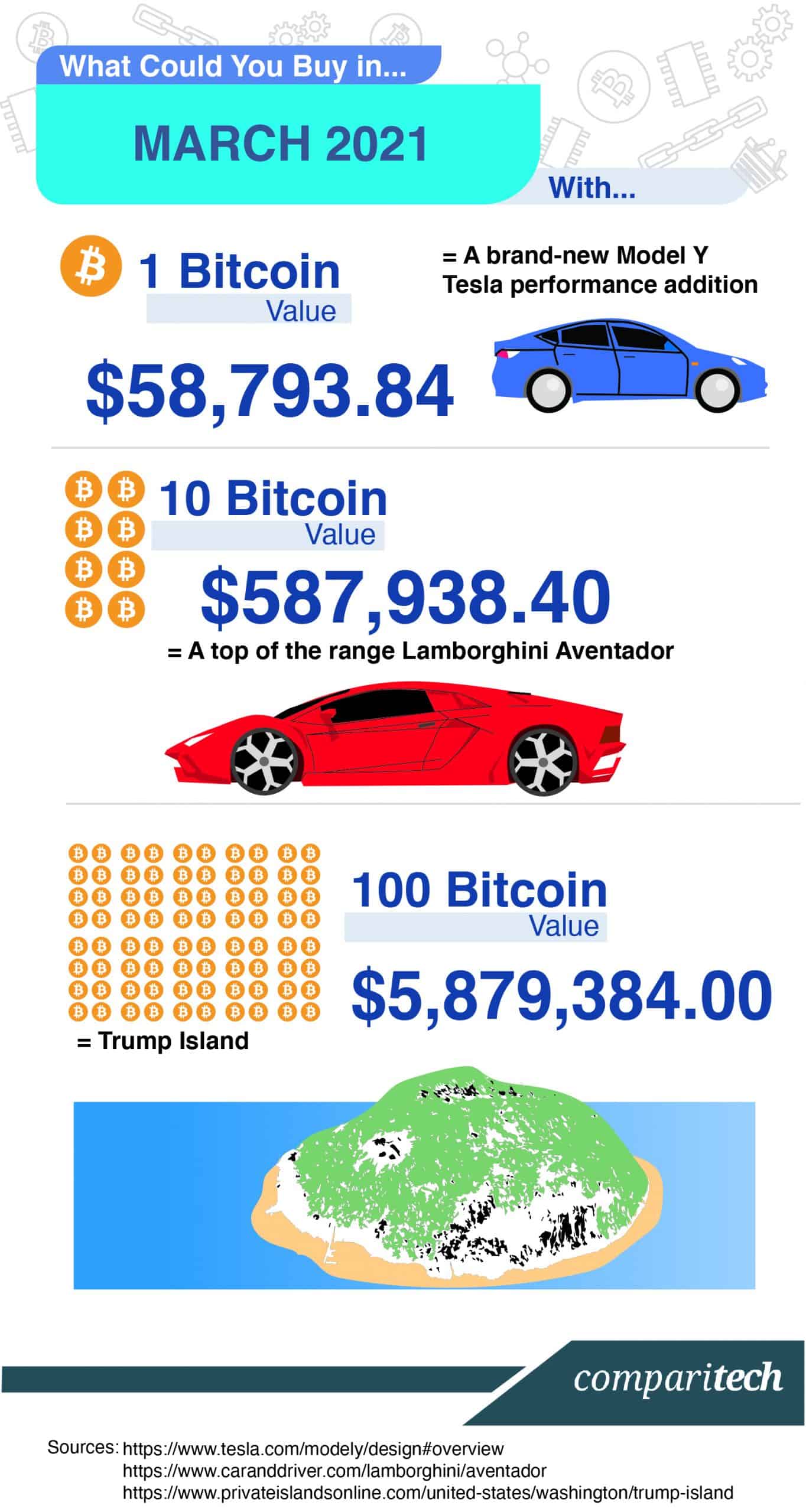
Understanding Bitcoin’s Price Dynamics
The price of Bitcoin, like any other commodity or financial asset, is ultimately determined by market forces. However, its unique characteristics as a digital, decentralized, and globally accessible asset introduce distinct dynamics that set it apart from traditional investments.
The Fundamental Supply and Demand Equation
At its core, Bitcoin’s price is a function of supply and demand. The supply of Bitcoin is programmatically limited to 21 million coins, a scarcity designed into its protocol by its anonymous creator, Satoshi Nakamoto. Approximately 19.5 million Bitcoins are currently in circulation, with new coins being “mined” into existence at a decreasing rate. This fixed and diminishing supply contrasts sharply with fiat currencies, which can be printed by central banks at will. On the demand side, a multitude of factors come into play: retail investor interest, institutional adoption, utility as a payment rail, perceived store of value, and speculative trading. When demand outstrips the available supply, the price tends to rise; conversely, an excess of sellers over buyers typically drives the price down. The relatively inelastic supply, especially in the short term, means that even minor shifts in demand can trigger significant price movements.
Impact of Macroeconomic Factors
While often touted as an uncorrelated asset, Bitcoin’s price has shown increasing sensitivity to broader macroeconomic trends. Global inflation rates, interest rate decisions by central banks, geopolitical tensions, and the overall health of the global economy can all ripple through the cryptocurrency market. During periods of economic uncertainty, some investors view Bitcoin as a “digital gold” – a safe haven asset that can preserve wealth against inflation or currency devaluation. Others, however, may sell riskier assets like Bitcoin during economic downturns, leading to price drops. The growing integration of Bitcoin into traditional financial markets, through products like Bitcoin ETFs and futures contracts, further links its performance to conventional market sentiment and systemic liquidity conditions.
Role of Market Sentiment and Speculation
Perhaps more than any other asset class, Bitcoin’s price is heavily influenced by market sentiment and speculative activity. News events, social media trends, endorsements from prominent figures, and regulatory announcements can trigger rapid shifts in investor psychology, leading to significant price swings. The “fear of missing out” (FOMO) often drives retail buying frenzies during bull markets, while panic selling can exacerbate downturns. Large institutional players and whales (individuals or entities holding substantial amounts of Bitcoin) can also significantly impact market sentiment through their trading activities. This speculative component contributes to Bitcoin’s legendary volatility, making it an attractive yet risky proposition for traders and long-term investors alike.
The Various Facets of Bitcoin’s “Cost”
When discussing “how much bitcoins cost,” it’s crucial to look beyond the immediate spot price. The true cost involves several components that impact an investor’s overall financial outlay and potential returns.
Purchase Price vs. Transaction Fees
The most obvious component of Bitcoin’s cost is its purchase price on an exchange, which fluctuates minute by minute. However, buying Bitcoin typically involves additional transaction fees. These can include:
-
Exchange Fees: Most cryptocurrency exchanges charge a percentage-based fee on trades (maker/taker fees) or a flat fee for converting fiat currency to Bitcoin and vice versa. These fees can vary significantly between platforms.
-
Network Fees (Miner Fees): When you send Bitcoin from one wallet to another, a small fee is paid to the Bitcoin network’s miners to process and validate your transaction. This fee fluctuates based on network congestion; during periods of high demand, fees can spike, making small transactions uneconomical. While not directly part of the purchase price, these fees affect the net amount of Bitcoin received or the cost of moving your assets.
-
Withdrawal Fees: Some exchanges also charge a fee for withdrawing Bitcoin from their platform to a personal wallet.
Understanding these various fees is vital for calculating the true cost of acquiring and moving Bitcoin and for optimizing your investment strategy.
Opportunity Cost of Capital
Beyond explicit fees, investors must consider the opportunity cost associated with allocating capital to Bitcoin. Every dollar invested in Bitcoin is a dollar that cannot be invested elsewhere, whether in traditional stocks, bonds, real estate, or other alternative assets. Given Bitcoin’s high volatility, the potential for significant gains is accompanied by an equally significant risk of capital loss. An investor must weigh the expected returns and risks of Bitcoin against other investment opportunities, considering their individual financial goals, risk tolerance, and time horizon. This analytical comparison is a critical aspect of sound financial planning and forms a hidden, yet substantial, part of Bitcoin’s “cost.”
Regulatory and Security Costs (from an Investor’s Perspective)
While not direct monetary costs for every transaction, regulatory compliance and security measures impose a form of “cost” on investors. Navigating tax obligations related to Bitcoin (capital gains, income tax on mining/staking rewards) can be complex and may require professional advice, adding to the financial burden. Furthermore, the responsibility for securing one’s Bitcoin falls largely on the individual. This includes the “cost” of time and effort spent on understanding best security practices, setting up hardware wallets, managing seed phrases, and implementing multi-factor authentication. A lapse in security can result in the total loss of funds due to hacks or phishing attempts, representing the ultimate “cost” of negligence. Investing in robust security solutions, while optional, is often a prudent financial decision to protect one’s assets.
Factors Driving Bitcoin’s Value Fluctuation
Bitcoin’s price is a moving target, influenced by a diverse array of internal and external factors. Understanding these drivers is key to deciphering its current “cost” and anticipating potential future movements.
Scarcity and Halving Events
Bitcoin’s pre-programmed scarcity is its defining economic characteristic. The total supply is capped at 21 million coins, and new bitcoins are introduced into circulation through a process called “mining.” Approximately every four years (or every 210,000 blocks), the reward for mining new blocks is halved. These “halving events” dramatically reduce the rate at which new bitcoins enter the market, effectively tightening supply. Historically, halving events have preceded significant bull runs, as the reduced supply (all else being equal) tends to push the price upwards. This predictable scarcity mechanism is a fundamental pillar of Bitcoin’s long-term value proposition and a constant influence on its cost dynamics.
Institutional Adoption and Mainstream Integration

The increasing embrace of Bitcoin by institutional investors, corporations, and traditional financial entities has been a pivotal factor in its price appreciation and legitimization. Major financial institutions offering Bitcoin investment products, corporate treasuries holding Bitcoin on their balance sheets, and payment processors integrating cryptocurrency support all contribute to increased demand and liquidity. The launch of spot Bitcoin ETFs in major markets, for instance, provides regulated and accessible avenues for a broader range of investors to gain exposure to Bitcoin, injecting significant capital into the ecosystem and influencing its perceived value. As Bitcoin becomes more integrated into the mainstream financial system, its “cost” tends to reflect this growing acceptance and utility.
Technological Developments and Network Upgrades
While we are focusing on the financial aspects, the underlying technology of Bitcoin is crucial to its perceived value and, by extension, its cost. Improvements to the Bitcoin protocol, such as the implementation of the Lightning Network for faster and cheaper transactions, or advancements in security and scalability, can enhance its utility and appeal. Conversely, any perceived vulnerabilities or significant technical hurdles could undermine confidence and negatively impact its price. Ongoing development and maintenance of the network contribute to its robustness and long-term viability, factors that subtly underpin its financial valuation.
Geopolitical Events and Economic Instability
Bitcoin’s decentralized nature and lack of reliance on any single government or financial institution make it a unique asset during times of geopolitical turmoil or economic instability. In countries experiencing hyperinflation, currency devaluation, or capital controls, Bitcoin can serve as an alternative store of value or a means of transferring wealth across borders. Demand from these regions can significantly influence its global price. Conversely, governmental crackdowns on cryptocurrency, or major regulatory uncertainties in key markets, can cause widespread fear and lead to sharp price declines. The global interconnectedness of the Bitcoin market means that events anywhere in the world can ripple through its valuation.
Assessing Bitcoin as an Investment Asset
For investors contemplating Bitcoin, understanding its cost goes hand-in-hand with assessing its role within a broader investment portfolio. It requires a clear-eyed view of its inherent risks and potential rewards.
Volatility: Risk and Reward
Bitcoin is renowned for its extreme price volatility, which is both its greatest appeal for some and its greatest deterrent for others. Double-digit percentage swings in a single day are not uncommon, and it has experienced multiple drawdowns of 80% or more from all-time highs. This volatility presents opportunities for significant short-term trading profits but also carries substantial risk of rapid capital erosion. Investors considering Bitcoin must have a high-risk tolerance and be prepared for substantial fluctuations. For long-term holders, the expectation is that its inherent scarcity, growing adoption, and network effects will eventually stabilize its value at a higher level, but the journey to get there remains unpredictable.
Diversification Benefits
One argument for including Bitcoin in an investment portfolio is its potential for diversification. Historically, Bitcoin has shown a relatively low correlation with traditional asset classes like stocks and bonds, particularly over longer time horizons. This means that when traditional markets are performing poorly, Bitcoin may (though not always) move independently, potentially reducing overall portfolio risk and improving risk-adjusted returns. However, its increasing integration into financial markets has seen some correlation emerge during periods of extreme market stress, suggesting that it may not be a perfect hedge. Strategic allocation, typically a small percentage of a well-diversified portfolio, is often recommended by financial advisors for those seeking exposure to this asset class.
Long-Term Store of Value vs. Medium of Exchange
The debate over Bitcoin’s primary function—whether it is a long-term store of value (like digital gold) or a medium of exchange (for everyday transactions)—directly impacts how investors perceive its “cost” and utility. As a store of value, its cost reflects its ability to preserve purchasing power over time, largely driven by its scarcity and resistance to inflation. As a medium of exchange, its cost involves not just its unit price but also the speed and cost of transactions, which network upgrades like the Lightning Network aim to improve. Currently, its volatility and transaction fees often make it less practical for micro-transactions, reinforcing its primary role as a speculative investment or a long-term asset for many.
Tax Implications for Investors
A critical, often overlooked, aspect of Bitcoin’s cost for investors is its tax treatment. In many jurisdictions, Bitcoin is treated as property for tax purposes, not currency. This means that every time an investor sells Bitcoin for a profit, uses it to purchase goods or services, or exchanges it for another cryptocurrency, a taxable event (capital gains or losses) may occur. This complexity necessitates meticulous record-keeping of all transactions, including acquisition dates, costs, and selling prices, to accurately calculate tax liabilities. Failure to comply with tax regulations can result in significant penalties, effectively adding an unforeseen “cost” to an otherwise profitable investment. Consulting with a tax professional specializing in cryptocurrency is highly advisable for all Bitcoin investors.
Practical Considerations for Acquiring Bitcoin
For those ready to enter the Bitcoin market, understanding the practical steps involved in acquisition is paramount to managing costs and ensuring security.
Choosing a Reputable Exchange
The first step to acquiring Bitcoin is selecting a reliable and secure cryptocurrency exchange. Factors to consider when choosing an exchange include:
-
Reputation and Security: Look for exchanges with a strong track record, robust security measures (e.g., cold storage for assets, multi-factor authentication), and insurance policies.
-
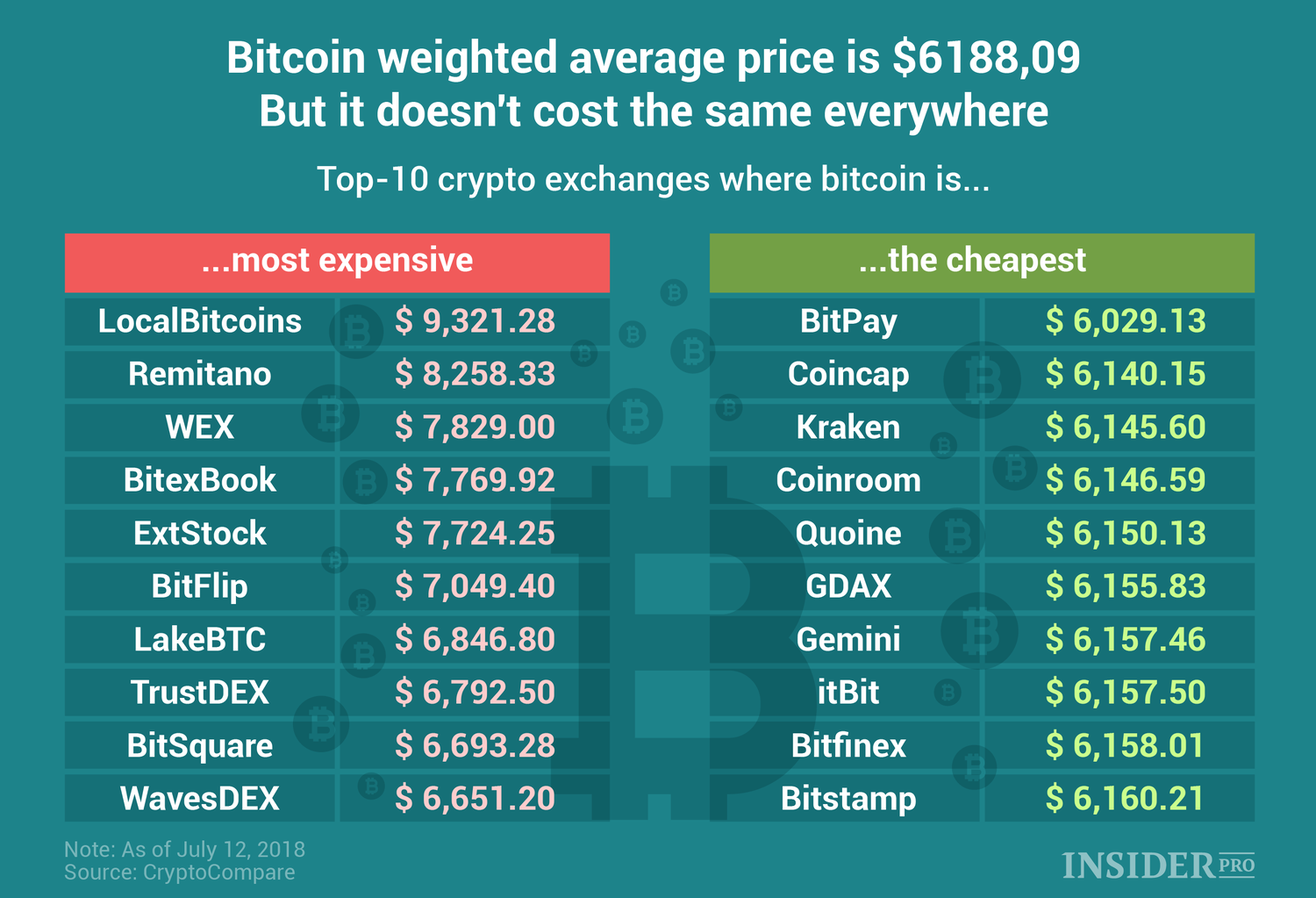
Fees: Compare trading fees, deposit/withdrawal fees, and network fees across different platforms to find the most cost-effective option for your trading volume.
-
Liquidity: High liquidity ensures that you can buy and sell Bitcoin quickly at a fair market price without significant slippage.
-
Supported Currencies and Payment Methods: Ensure the exchange supports your local fiat currency and preferred payment methods (bank transfers, debit/credit cards, etc.).
-
Regulatory Compliance: Opt for exchanges that are compliant with local financial regulations, as this generally indicates a higher level of trust and consumer protection.
A well-chosen exchange minimizes unforeseen costs and enhances the safety of your funds.
Understanding Different Purchase Methods
Bitcoin can be purchased through various methods, each with its own advantages, disadvantages, and associated costs:
-
Bank Transfers (ACH/Wire): Often the cheapest method for larger purchases, with relatively low fees from exchanges, but can take several days to clear.
-
Debit/Credit Cards: Offer instant purchases but typically come with higher fees from exchanges and potentially additional fees from your card issuer.
-
Peer-to-Peer (P2P) Platforms: Allow direct trading with other individuals, potentially offering lower fees but requiring greater diligence to avoid scams.
-
PayPal/Venmo: Some platforms now support buying Bitcoin, offering convenience but often at a premium in terms of fees or spread.
Understanding these options allows investors to choose a method that aligns with their urgency, transaction size, and cost sensitivity, thereby managing the effective “cost” of acquisition.
Secure Storage Solutions and Best Practices
Once purchased, securing your Bitcoin is critical. Leaving significant amounts of Bitcoin on an exchange carries inherent risks, as exchanges are centralized targets for hackers. Understanding storage options is vital:
-
Hardware Wallets (Cold Storage): Physical devices designed to store private keys offline, offering the highest level of security for long-term holdings. While they have an upfront cost (the price of the device), this is an investment in security that prevents potentially catastrophic losses.
-
Software Wallets (Hot Wallets): Applications on your computer or smartphone. More convenient for frequent transactions but generally less secure than hardware wallets as they are connected to the internet.
-
Paper Wallets: Private keys printed on paper. While offline, they are susceptible to physical damage or loss.
Best practices include never sharing your private keys or seed phrase, enabling two-factor authentication, using strong, unique passwords, and being wary of phishing attempts. The “cost” of proper security is minimal compared to the potential financial devastation of losing access to your Bitcoin.
In conclusion, the “cost” of Bitcoin is a multi-dimensional concept far beyond its immediate market price. It encompasses the intricate dance of supply and demand, macroeconomic influences, speculative fervor, and a range of explicit and implicit financial outlays. For investors, a comprehensive understanding of these factors, coupled with diligent financial planning and robust security practices, is essential for navigating the opportunities and challenges presented by the world’s leading cryptocurrency. As Bitcoin continues to mature and integrate further into the global financial system, its valuation will remain a subject of intense scrutiny and fascinating complexity.
aViewFromTheCave is a participant in the Amazon Services LLC Associates Program, an affiliate advertising program designed to provide a means for sites to earn advertising fees by advertising and linking to Amazon.com. Amazon, the Amazon logo, AmazonSupply, and the AmazonSupply logo are trademarks of Amazon.com, Inc. or its affiliates. As an Amazon Associate we earn affiliate commissions from qualifying purchases.