
Bitcoin, the pioneering decentralized digital currency, has fundamentally reshaped our understanding of money and investment. Its journey from an obscure technical innovation to a global financial asset has been marked by unparalleled volatility, dramatic price surges, and significant corrections. For both seasoned investors and curious newcomers, a perennial question remains at the forefront: “What is Bitcoin’s current value?” This seemingly simple query unravels a complex interplay of market dynamics, macroeconomic forces, technological developments, and human psychology. Unlike traditional assets, Bitcoin’s value isn’t tied to a central bank, a corporate balance sheet, or a physical commodity. Instead, its price is a dynamic reflection of global supply and demand, influenced by a myriad of factors that constantly shift the financial landscape. Understanding this current value requires delving beyond a mere number on a screen and grasping the underlying mechanisms that drive its valuation in a rapidly evolving digital economy. This article will explore these multifaceted aspects, providing a comprehensive and insightful perspective for anyone seeking to navigate the world of Bitcoin investing.

Understanding Bitcoin’s Price Dynamics
Bitcoin’s price is not static; it is a live, fluctuating indicator determined by a global, 24/7 market. To truly comprehend “what is Bitcoin’s current value,” one must appreciate the intricate web of forces that contribute to its moment-to-moment valuation. These dynamics are often more complex than those governing traditional assets due to Bitcoin’s unique characteristics as a decentralized, global, and relatively young asset class.
Supply and Demand Fundamentals
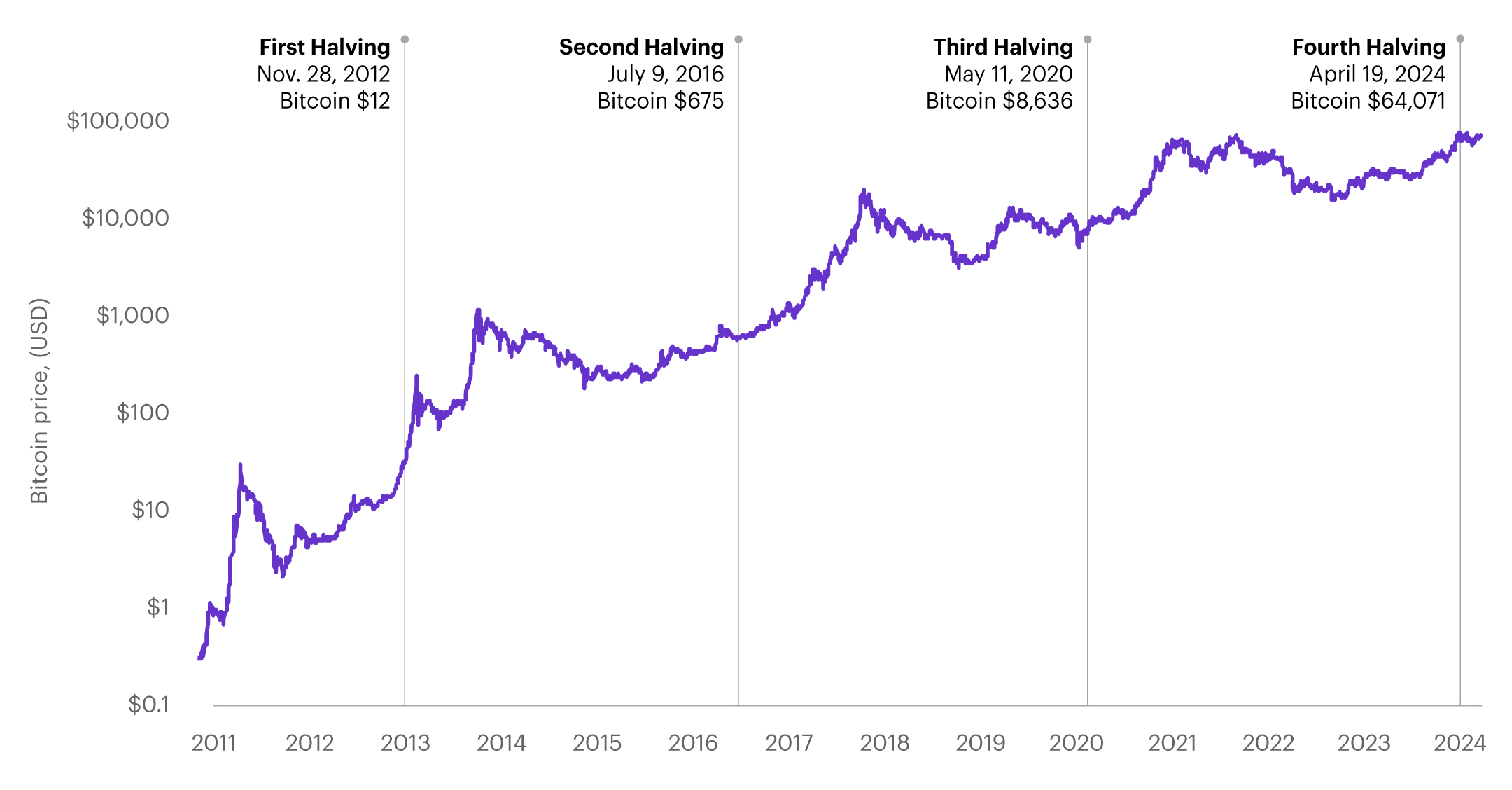
At its core, Bitcoin’s price is governed by the classic economic principles of supply and demand. However, these principles manifest uniquely in the crypto sphere. The supply of Bitcoin is finite and predictable: only 21 million Bitcoins will ever be minted. Approximately 90% of this supply has already been mined, and the rate of new Bitcoin creation is halved roughly every four years (an event known as the “halving”), making its supply inherently deflationary. This scarcity is a fundamental driver of its value proposition.
On the demand side, numerous factors come into play. Increased adoption by individuals and institutions, growing awareness, utility as a remittance tool, and its status as a hedge against inflation or geopolitical instability all contribute to higher demand. Conversely, market saturation, lack of utility, or negative sentiment can reduce demand. The balance between this fixed, diminishing supply and ever-shifting demand fundamentally dictates Bitcoin’s price. When demand outstrips the available supply on exchanges, prices rise; when sellers outnumber buyers, prices fall.
Market Sentiment and News Events
Few assets are as susceptible to market sentiment and news cycles as Bitcoin. Its relatively nascent status and the strong community aspect mean that public perception and media narratives can have an outsized impact on its value. Positive news, such as a major corporation announcing Bitcoin adoption, a country legalizing it as tender, or a new institutional investment product, can trigger rapid price appreciation. Conversely, negative news—regulatory crackdowns, security breaches on exchanges, prominent figures expressing skepticism, or even a widespread FUD (Fear, Uncertainty, Doubt) campaign—can lead to sharp declines.
Social media trends, influencer opinions, and general investor confidence (or lack thereof) also play a significant role. The “fear of missing out” (FOMO) often drives speculative buying during bull markets, while panic selling can exacerbate downturns. Understanding market sentiment requires staying abreast of both mainstream financial news and the specific crypto media landscape.
Macroeconomic Factors and Regulatory Developments
Bitcoin exists within the broader global financial ecosystem, making it increasingly susceptible to macroeconomic trends. High inflation rates in traditional economies can drive investors towards Bitcoin as a potential “digital gold” or inflation hedge, viewing its finite supply as superior to fiat currencies constantly being debased through quantitative easing. Conversely, rising interest rates by central banks can make riskier assets like Bitcoin less attractive, as investors seek safer, yield-bearing investments. Global economic stability, recessions, and even geopolitical events can all influence investor appetite for digital assets.
Regulatory developments are another critical determinant. Governments worldwide are still grappling with how to classify and regulate cryptocurrencies. Favorable regulations—such as clear tax guidelines, frameworks for stablecoins, or the approval of spot Bitcoin ETFs—can significantly boost investor confidence and institutional adoption. Conversely, restrictive measures, outright bans in certain jurisdictions, or punitive taxation can dampen enthusiasm and lead to price depreciation. The regulatory landscape is constantly evolving, and its developments are closely watched by market participants as they assess Bitcoin’s future viability and integration into the global financial system.
How to Track Bitcoin’s Real-Time Value
Given its inherent volatility and the 24/7 nature of its markets, knowing how to track Bitcoin’s real-time value is paramount for any investor or enthusiast. Unlike traditional stock markets with fixed trading hours, the global cryptocurrency market never sleeps, meaning prices are in constant flux across various exchanges and platforms. Accessing accurate, up-to-the-minute data is crucial for informed decision-making, whether you’re looking to buy, sell, or simply monitor your portfolio.
Cryptocurrency Exchanges
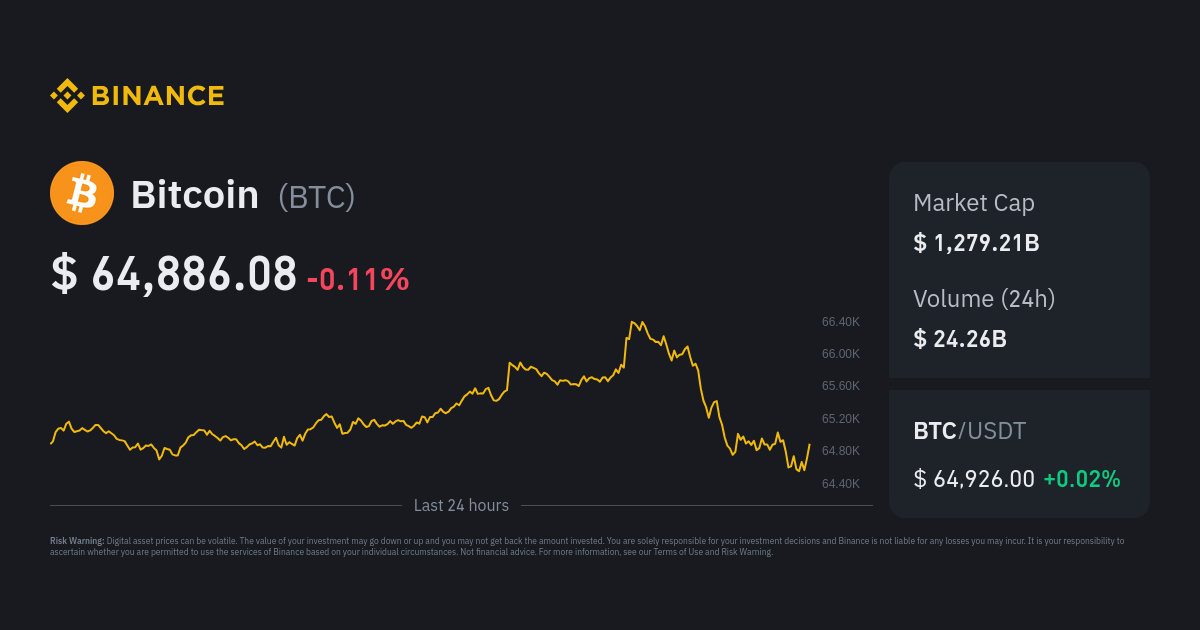
The most direct way to observe Bitcoin’s current value is through cryptocurrency exchanges. These platforms facilitate the buying and selling of digital assets, and their order books reflect the real-time supply and demand that determine the market price. Major global exchanges like Binance, Coinbase, Kraken, Bybit, and OKX provide live price charts, trading pairs (e.g., BTC/USD, BTC/EUR), and detailed market data.
When checking an exchange, it’s important to note that Bitcoin’s price can vary slightly between different platforms due to liquidity differences and regional supply/demand dynamics. While these discrepancies are usually minor, they can be relevant for large-volume traders. Most exchanges offer advanced charting tools, volume indicators, and historical data, allowing users to analyze price trends and execute trades based on the most current information available. Many also provide mobile apps for on-the-go tracking.
Financial Data Websites and Aggregators
For a comprehensive overview that aggregates data from multiple exchanges, financial data websites and cryptocurrency aggregators are invaluable resources. Platforms like CoinMarketCap, CoinGecko, TradingView, and Messari collect price data, trading volumes, market capitalization, and other metrics from hundreds of exchanges worldwide. They then present an average or weighted average price for Bitcoin, providing a more holistic view of its global valuation.
These sites are particularly useful for:
-
Getting a consolidated view: They smooth out minor price discrepancies between exchanges.
-
Tracking market capitalization: Bitcoin’s market cap (price x circulating supply) provides context about its overall market dominance and size.
-
Analyzing historical data: Most offer extensive historical charts, allowing users to look at daily, weekly, monthly, or yearly price performance.
-
Setting up alerts: Many platforms allow users to set price alerts, notifying them when Bitcoin reaches a specific value.
TradingView, in particular, stands out for its sophisticated charting capabilities, offering a wide array of technical analysis tools that cater to both beginners and advanced traders.
Wallet Applications and Portfolio Trackers
Many cryptocurrency wallet applications now integrate real-time price tracking directly within their interface, making it convenient for users to see the current value of their holdings. Hardware wallets (like Ledger or Trezor) often have companion software that displays portfolio value, and popular software wallets (like Exodus or Trust Wallet) usually provide live price feeds for supported cryptocurrencies.
Beyond wallets, dedicated portfolio tracker applications such as CoinStats, Blockfolio (now FTX Blockfolio), or Accointing allow users to manually input their crypto transactions or even link to exchange accounts for automatic updates. These tools consolidate all your holdings across different exchanges and wallets, providing an aggregated real-time valuation of your entire crypto portfolio, including Bitcoin. This is especially useful for investors with diversified holdings, as it offers a clear snapshot of their total net worth in digital assets and their performance against market movements.
The Volatility of Bitcoin and Its Implications for Investors
Bitcoin’s journey has been defined by extreme price swings, an inherent characteristic that has both attracted speculative investors and deterred those averse to high risk. This volatility is not merely a side note; it is a central feature of Bitcoin’s market behavior and has profound implications for anyone considering investing in this digital asset. Understanding this characteristic is key to managing expectations and developing a robust investment strategy.
Short-Term Fluctuations vs. Long-Term Trends
Bitcoin’s value can fluctuate by double-digit percentages within a single day, or even hours. These short-term fluctuations are often driven by news events, market sentiment, large institutional trades, or even technical trading patterns. For day traders and short-term speculators, these swings present opportunities for quick profits, but they also carry commensurate risks of rapid losses. Predicting these short-term movements is notoriously difficult, even for experienced traders, making it a high-stress and often unprofitable endeavor for many.
However, when viewed over longer periods—months or years—Bitcoin has historically demonstrated significant upward trends, punctuated by severe bear markets. The overall narrative for many long-term investors (“HODLers”) is that despite the short-term noise, Bitcoin’s fundamental value proposition (scarcity, decentralization, global accessibility) will drive its price higher over time. The key is to distinguish between transient market corrections or speculative bubbles and the underlying, more fundamental shifts in its adoption and utility.
Risks Associated with High Volatility
High volatility means high risk. While the potential for substantial gains is a major draw, the risk of significant capital loss is equally pronounced. Investors can see their portfolio value drop by 50% or more in a matter of weeks or months during a bear market. This level of drawdown can be emotionally taxing and financially devastating for those who invest more than they can afford to lose, or who are forced to sell during a downturn.
Other risks include:
-
Emotional Decision-Making: Extreme price swings can lead to panic buying at peaks and panic selling at lows, often resulting in losses.
-
Liquidation Risk: For those using leverage (borrowed funds) to trade Bitcoin, high volatility can lead to rapid liquidations, wiping out their entire investment.
-
Opportunity Cost: Funds tied up in a depreciating Bitcoin investment could potentially be performing better in less volatile assets.
These risks underscore the importance of caution and a clear understanding of one’s risk tolerance before entering the Bitcoin market.
Strategies for Navigating Volatility
Given Bitcoin’s inherent volatility, adopting specific strategies is essential for managing risk and potentially capitalizing on its long-term potential.
-
Dollar-Cost Averaging (DCA): This involves investing a fixed amount of money at regular intervals (e.g., $100 every week) regardless of Bitcoin’s price. This strategy reduces the risk of making a large investment at a market peak and averages out the purchase price over time. It removes the emotional element of trying to time the market.
-
HODLing (Hold On for Dear Life): This long-term strategy involves buying Bitcoin and holding it for an extended period, often years, with the conviction that its value will appreciate significantly over time, ignoring short-term price fluctuations. It requires strong conviction and patience but has historically rewarded many long-term holders.
-
Risk Management and Diversification: Never invest more than you can comfortably afford to lose. Bitcoin should typically represent only a portion of a diversified investment portfolio, not the entirety of it. Diversifying across different asset classes (stocks, bonds, real estate, other cryptocurrencies) can help cushion the impact of a significant downturn in any single asset.
-
Setting Stop-Loss Orders: For active traders, stop-loss orders can help limit potential losses by automatically selling Bitcoin if its price drops to a predetermined level.
-
Continuous Education: Staying informed about market trends, technological developments, and regulatory changes helps investors make more rational decisions rather than reacting purely to price movements.
By implementing these strategies, investors can approach Bitcoin’s volatility with a more disciplined and resilient mindset, enhancing their chances of achieving their financial objectives within this dynamic market.
Factors Influencing Bitcoin’s Future Value
While understanding Bitcoin’s current value is crucial, predicting its future trajectory is equally important for long-term investors. Bitcoin’s journey is far from over, and a confluence of evolving factors will continue to shape its value proposition in the coming years. These influences span technological, economic, and societal realms, each holding the potential to significantly impact investor sentiment and adoption.
Halving Events and Their Impact
One of the most predictable yet impactful events in Bitcoin’s life cycle is the “halving.” Roughly every four years, the reward for mining new blocks is cut in half, reducing the rate at which new Bitcoins enter circulation. This programmatic scarcity reinforces Bitcoin’s deflationary nature. Historically, halving events have preceded significant bull runs, as the reduction in new supply, coupled with consistent or increasing demand, creates upward price pressure.
The next halving is anticipated around 2028, and while past performance is not indicative of future results, the market often anticipates and prices in these events. The long-term impact of halving events is to steadily reduce the available supply, making Bitcoin scarcer over time and, theoretically, more valuable if demand continues to grow. These events highlight Bitcoin’s unique monetary policy, which is impervious to human intervention, unlike fiat currencies.
Institutional Adoption and Mainstream Integration
A significant driver of Bitcoin’s future value will be its continued integration into mainstream finance and increased institutional adoption. The approval of spot Bitcoin Exchange Traded Funds (ETFs) in major markets like the U.S. has been a game-changer, providing traditional investors with a regulated, accessible way to gain exposure to Bitcoin without directly holding the asset. This lowers barriers to entry for large institutional capital, pension funds, and retail investors who prefer regulated investment vehicles.
Beyond ETFs, other forms of institutional engagement, such as corporate balance sheet allocations, custodial services, derivative products, and integration into existing payment networks, will amplify demand and liquidity. As more traditional financial players embrace Bitcoin, it legitimizes the asset class, potentially reducing its perceived risk and expanding its investor base significantly. This mainstreaming solidifies Bitcoin’s position as a legitimate asset rather than a fringe speculation.
Technological Advancements and Network Development
While Bitcoin’s core protocol is remarkably stable, ongoing technological advancements and network developments play a crucial role in enhancing its utility, scalability, and security. Innovations like the Lightning Network, a layer-2 scaling solution, aim to enable faster and cheaper Bitcoin transactions, making it more practical for everyday use cases and micro-transactions. Improved wallet interfaces, enhanced security protocols, and continued developer contributions to the core code base all contribute to a more robust and user-friendly ecosystem.
These technological improvements address some of Bitcoin’s historical limitations, such as transaction speed and cost, thereby increasing its appeal and potential for broader adoption. A more efficient and accessible network can unlock new use cases, attracting a wider user base and potentially increasing its intrinsic value as a medium of exchange and a store of value.
Global Economic Landscape and Geopolitics
Bitcoin’s value is increasingly intertwined with the global economic landscape and geopolitical developments. As a decentralized, permissionless asset, Bitcoin is often viewed as a hedge against inflation, currency debasement, or economic instability in traditional markets. During periods of high inflation or geopolitical tension, investors may flock to Bitcoin as a “digital safe haven,” similar to how gold has traditionally performed.
The stability of major economies, central bank policies regarding interest rates and money supply, and the overall health of global financial markets will all influence investor appetite for risk assets like Bitcoin. Furthermore, the varying regulatory stances of different nations—from outright bans to embrace as legal tender—can create significant regional price disparities and impact global market sentiment. As Bitcoin continues to gain traction, its role within this complex global tapestry will likely become more pronounced, with its value reflecting a blend of its inherent properties and its perception relative to the stability of the global financial order.
Bitcoin as Part of a Diversified Investment Portfolio
Integrating Bitcoin into a broader investment strategy requires a nuanced understanding of its role within a diversified portfolio. While its volatility and potential for significant returns are undeniable, prudent financial planning necessitates a balanced approach, considering both the opportunities and the inherent risks associated with digital assets. For many investors, Bitcoin is no longer just a speculative gamble but a legitimate, albeit volatile, component of a modern investment strategy.
The Role of Digital Assets in Modern Investing
The emergence of Bitcoin and other cryptocurrencies has introduced a new asset class with characteristics distinct from traditional investments like stocks, bonds, or commodities. Bitcoin, in particular, offers several compelling attributes for a modern portfolio:
-
Decentralization and Scarcity: Its finite supply and independence from central authorities provide a hedge against inflation and government overreach, appealing to investors seeking alternative stores of value.
-
Low Correlation with Traditional Assets: Historically, Bitcoin has often exhibited a low correlation with traditional markets, meaning its price movements don’t always mimic those of stocks or bonds. This can offer diversification benefits, potentially reducing overall portfolio risk during certain market conditions.
-
Technological Innovation: Investing in Bitcoin is also an indirect bet on the future of decentralized technology and the growing digital economy.
-
Global Accessibility: It offers unparalleled ease of transfer across borders, making it attractive for international transactions and remittance.
However, its high volatility means it primarily serves as a growth asset with significant risk, rather than a stable income-generating asset or a pure capital preservation tool.
Risk Assessment and Allocation Strategies
The decision of how much Bitcoin to allocate in a portfolio should be based on a thorough risk assessment. Investors must honestly evaluate their own risk tolerance, financial goals, and time horizon.
-
Conservative Investors: May choose to avoid Bitcoin entirely or allocate a very small percentage (e.g., 1-2%) for speculative exposure, understanding it could go to zero.
-
Moderate Investors: Might allocate a slightly larger portion (e.g., 3-5%) of their portfolio, balancing the desire for growth with a pragmatic approach to risk.
-
Aggressive Investors: Those with a high risk tolerance and a long-term horizon might dedicate a larger percentage (e.g., 5-10% or more), acknowledging the significant potential for both gains and losses.
It is crucial that any Bitcoin investment is considered “risk capital”—money one can afford to lose without impacting their financial stability. Diversifying within the crypto space itself (e.g., holding other major cryptocurrencies alongside Bitcoin) can also be a strategy, though Bitcoin typically serves as the primary gateway to the asset class for many.
Long-Term Vision vs. Speculative Trading
For most individual investors looking to incorporate Bitcoin into a diversified portfolio, a long-term investment horizon, often associated with the “HODLing” strategy, is generally recommended. This approach aims to capitalize on Bitcoin’s potential for significant appreciation over several years, riding out the inevitable short-term market fluctuations and corrections. It aligns with the view of Bitcoin as a transformative technology and a store of value that matures over time.
In contrast, short-term speculative trading, while potentially lucrative, is extremely challenging and often leads to losses for inexperienced traders. It demands constant market monitoring, deep technical analysis skills, and robust emotional discipline. For the average investor focused on long-term wealth creation, a “set it and forget it” mentality (within the bounds of periodic portfolio rebalancing) is often more effective than attempting to time the volatile Bitcoin market.
Ultimately, Bitcoin’s current value is a snapshot in time within a larger, dynamic narrative. Its inclusion in a diversified portfolio should be a deliberate decision, underpinned by thorough research, a clear understanding of its unique risks and rewards, and an allocation strategy aligned with individual financial circumstances. Approached thoughtfully, Bitcoin can potentially contribute to portfolio growth, but never without a careful consideration of its significant volatility.
aViewFromTheCave is a participant in the Amazon Services LLC Associates Program, an affiliate advertising program designed to provide a means for sites to earn advertising fees by advertising and linking to Amazon.com. Amazon, the Amazon logo, AmazonSupply, and the AmazonSupply logo are trademarks of Amazon.com, Inc. or its affiliates. As an Amazon Associate we earn affiliate commissions from qualifying purchases.