
In the landscape of modern retail and personal finance, the gift card has evolved from a simple convenience into a strategic tool for budgeting, incentive management, and savvy consumerism. Build-A-Bear Workshop, a brand synonymous with personalized retail experiences, offers a gift card product that remains highly liquid and popular across various demographics. Understanding where to purchase these cards—and more importantly, how to purchase them through the lens of financial optimization—is essential for the disciplined consumer. Whether you are looking to maximize credit card rewards, capitalize on warehouse club discounts, or manage a strict household entertainment budget, the procurement of Build-A-Bear gift cards offers several avenues for fiscal efficiency.

Primary Acquisition Channels: Direct and Authorized Retailers
The most straightforward method of acquiring a Build-A-Bear gift card is through direct and authorized primary retailers. From a financial security standpoint, purchasing directly from the source or a reputable national chain ensures that the funds are backed by the merchant’s guarantee and are less susceptible to the tampering often seen in secondary markets.
Build-A-Bear Official Portals
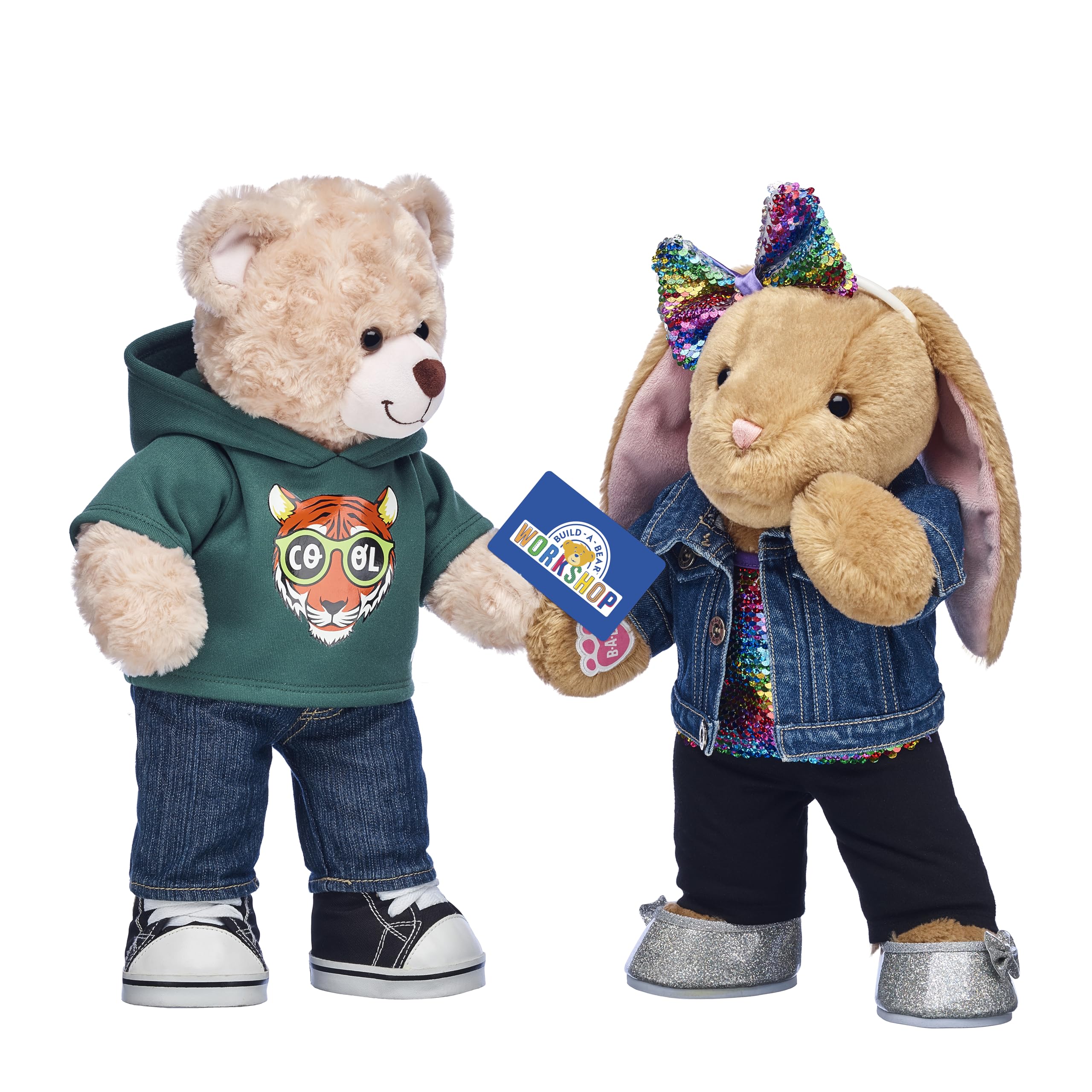
The primary point of sale is Build-A-Bear Workshop’s physical stores and their official e-commerce website. Purchasing directly from the brand is the most reliable way to ensure the card’s validity and immediate activation. For those utilizing digital budgeting tools, the e-gift card option available on their website allows for instantaneous delivery via email. This is particularly useful for last-minute financial planning or for those who prefer to keep their “sinking funds” for entertainment in a digital wallet.
Major National Retailers and Supermarkets
Build-A-Bear has established a wide distribution network, making their gift cards available at major brick-and-mortar retailers. These include giants like Walmart, Target, and various regional supermarket chains such as Kroger, Publix, and Safeway.
From a personal finance perspective, purchasing at these locations can be strategically advantageous. Many grocery stores offer loyalty programs where gift card purchases earn “fuel points” or grocery rewards. For instance, purchasing a $50 Build-A-Bear gift card during a “4x points” promotion at a supermarket can result in significant savings at the gas pump, effectively lowering the net cost of the gift card.
Digital Gift Card Marketplaces and Aggregators
Platforms like Amazon, GiftCardGranny, and eGifter serve as digital hubs for gift card procurement. Amazon, in particular, offers a seamless checkout process for both physical and digital cards. For consumers who utilize the Amazon Prime Rewards Visa, purchasing a gift card through this channel can net a 5% cash-back return, a small but meaningful optimization of spend that adds up over the fiscal year.
Maximizing Purchasing Power: Sourcing Gift Cards at a Discount
For the budget-conscious consumer, paying face value for a gift card is often unnecessary. By leveraging membership-based retailers and secondary market platforms, one can frequently acquire Build-A-Bear gift cards at a 10% to 25% discount, providing an immediate return on investment.
Warehouse Clubs and Membership Advantages
Costco and Sam’s Club are perhaps the most effective channels for purchasing Build-A-Bear gift cards at a discount. These warehouse clubs frequently sell multi-pack bundles of gift cards (for example, four $25 cards) for a price significantly lower than the $100 face value—often ranging between $75 and $80.
For a family planning a visit to the workshop, this represents an immediate 20-25% savings on their entertainment expenses. In the context of personal finance, this is a “guaranteed return” on a planned expenditure. If you know you will spend $100 at Build-A-Bear over the next six months, purchasing the cards ahead of time at a warehouse club is a superior financial move compared to paying full price at the register.
Secondary Gift Card Exchanges
The secondary market consists of platforms like Raise or CardCash, where individuals sell unwanted gift cards at a discount. While these platforms offer the steepest discounts—sometimes exceeding 30%—they come with a slightly higher risk profile.

When navigating these exchanges, it is vital to use platforms that offer a money-back guarantee (usually 45 to 90 days). From a financial security standpoint, the goal is to verify the balance and spend the card within the protection window. For those comfortable with digital arbitrage, the secondary market is an excellent way to stretch a household’s discretionary income.
Credit Card Optimization Strategies
Strategic consumers often pair their gift card purchases with specific credit card “rotating categories.” If a credit card offers 5% cash back at “Home Improvement Stores” or “Wholesale Clubs” during a specific quarter, savvy spenders will purchase their Build-A-Bear gift cards at those locations during that window. This layering of discounts—the store’s discount plus the credit card’s cash back—represents the pinnacle of consumer finance optimization.
The Financial Utility of Build-A-Bear Gift Cards in Personal Budgeting
Beyond the act of purchasing, gift cards serve as an effective instrument for financial discipline. They can be used as a “pre-paid” budgeting tool to prevent the “lifestyle creep” often associated with experiential retail environments.
Using Gift Cards for Controlled Family Spending
The Build-A-Bear Workshop experience is designed to be immersive, which often leads to impulsive add-on purchases (clothing, sound chips, scents, and accessories). For parents or grandparents, providing a child with a gift card of a fixed amount—say $50—sets a clear financial boundary. It teaches the recipient about the “scarcity of resources” and forces them to make choices based on a set budget. This removes the emotional pressure from the parent at the point of sale and ensures the family outing stays within its designated financial lane.
The Role of Gift Cards in Sinking Funds
In the world of personal finance, a “sinking fund” is a way to save for a specific expense over time. If a family knows they have three birthday parties or a holiday season coming up, they can purchase one $25 Build-A-Bear gift card each month leading up to the events. This smooths out cash flow, preventing a large, single-month hit to the checking account. By purchasing these cards incrementally, the consumer is effectively pre-funding their future liabilities.
Security and Fraud Prevention in Gift Card Transactions
From a financial security perspective, it is imperative to treat gift cards like cash. However, unlike cash, many gift cards can be registered online. For Build-A-Bear cards, keeping the original receipt (or the digital confirmation) is essential. If a card is lost or stolen, having the serial number and proof of purchase often allows the merchant to void the old card and issue a new one. This layer of protection makes gift cards a safer vehicle for carrying “fun money” than physical currency, especially in high-traffic retail environments.
Corporate Incentives and Bulk Acquisitions
For small business owners, human resources professionals, or marketing managers, Build-A-Bear gift cards can serve as an effective tool for corporate gifting or employee incentives.
B2B Solutions for Small Businesses
Build-A-Bear offers corporate bulk purchasing options for organizations looking to buy cards in high volumes. For a business, this can be a tax-deductible expense when used for legitimate promotional purposes or employee bonuses (though it is always recommended to consult with a CPA regarding the specific tax implications of de minimis fringe benefits). Purchasing in bulk often unlocks tiered pricing, allowing the business to acquire the cards at a lower cost-per-unit, thus maximizing the company’s marketing or “culture” budget.
Strategic Brand Gifting
From a branding perspective, giving a Build-A-Bear gift card is often more impactful than a generic cash equivalent or a standard coffee shop card. It suggests a focus on “family” and “experience,” which can align with certain corporate identities. For real estate agents, pediatric dentists, or family law practitioners, these gift cards can serve as “thank you” tokens that build long-term client loyalty, a key metric in the lifetime value of a customer.
Tracking and Liquidity
For businesses managing a large volume of gift cards, tracking the distribution is essential for accounting purposes. Using a centralized digital ledger to record which client or employee received which card helps maintain financial transparency and prevents internal shrinkage. Since gift cards do not expire and do not lose value over time (in most jurisdictions), they represent a stable asset on a small business’s balance sheet until they are distributed.
By understanding the diverse avenues for purchasing Build-A-Bear gift cards—from direct retail to discounted warehouse bundles and secondary market exchanges—consumers and business owners can make informed decisions that align with their broader financial goals. Whether the objective is fuel point accumulation, credit card reward maximization, or disciplined household budgeting, the strategic procurement of these cards offers a clear path to smarter spending.
aViewFromTheCave is a participant in the Amazon Services LLC Associates Program, an affiliate advertising program designed to provide a means for sites to earn advertising fees by advertising and linking to Amazon.com. Amazon, the Amazon logo, AmazonSupply, and the AmazonSupply logo are trademarks of Amazon.com, Inc. or its affiliates. As an Amazon Associate we earn affiliate commissions from qualifying purchases.