
For many families and collectors, the question “how much is a Build-A-Bear?” is the starting point for a complex financial calculation. While the simple answer involves a price tag on a shelf, the economic reality of the Build-A-Bear Workshop experience is far more nuanced. It represents a masterclass in experiential retail, psychological pricing, and brand-driven value. To understand the cost, one must look beyond the base price of the plush and analyze the layers of customization, the business model of the corporation, and the personal finance strategies required to navigate the store without overspending.

Understanding the Base Cost: Decoding the Pricing Tiers
The initial cost of a Build-A-Bear is rarely the final cost, but it serves as the foundation for the entire transaction. The brand utilizes a tiered pricing strategy designed to capture a wide demographic, from the budget-conscious shopper to the high-end collector.
Entry-Level Plush vs. Premium Collections
At the lowest end of the spectrum, “budget” bears often start around $12 to $18. These are typically standard bears without complex stitching or licensed branding. They serve as an accessible entry point for families. However, the price point shifts significantly when moving into “Premium” or “Licensed” territory. Characters from major franchises—such as Disney, Marvel, Star Wars, or Pokémon—usually start at $25 and can go as high as $45 for the base plush alone. This price reflects the licensing fees the company must pay to partner brands, a cost that is passed directly to the consumer.
The “Hidden” Costs of Customization
The genius of the Build-A-Bear financial model lies in the “unbundled” nature of its product. When a consumer asks for the price, they are often thinking of the stuffed animal. In reality, the base plush is merely the chassis. The customization process—adding scents ($4), sound chips ($5 to $8), and heartbeat effects ($3)—functions as high-margin add-ons. Individually, these costs seem negligible, but they can easily increase the base price of the bear by 50% before the customer even reaches the clothing section.
The Business of Upselling: Analyzing the Revenue Model
From a business finance perspective, Build-A-Bear (NYSE: BBW) is not just a toy company; it is a service provider that monetizes emotional milestones. The “stuffing ceremony” is a free service, but it creates a psychological commitment that makes the customer more likely to invest in accessories.
Accessories and Outfits: The Margin Drivers
The highest margins for the company are found in clothing and accessories. A set of doll-sized pajamas or a miniature superhero costume often retails for $15 to $25. When compared to the cost of actual human clothing, the price per square inch of fabric is extraordinarily high. For the consumer, this represents a significant “lifestyle” cost for the toy. From the corporate side, these accessories are lightweight, easy to ship, and require minimal shelf space, making them the primary drivers of the company’s profitability.
Emotional Monetization and the “Birth Certificate” Effect
The final step of the process involves the creation of a “Birth Certificate.” While this is a free part of the experience, it serves a critical marketing and financial function: it solidifies the “ownership” and emotional bond. From a financial psychology standpoint, once a customer has named the product and “birthed” it, the perceived value skyrockets. This makes the final price at the register—which might be $60 or $70 for a fully loaded bear—feel like a justified investment in a “memory” rather than an overpayment for a plush toy.
Budgeting for the Experience: Personal Finance Strategies for Families
Navigating a Build-A-Bear Workshop requires a tactical approach to personal finance. Without a pre-set budget, a simple trip to the mall can result in significant “sticker shock” at the checkout counter.
Setting a Limit Before You Enter
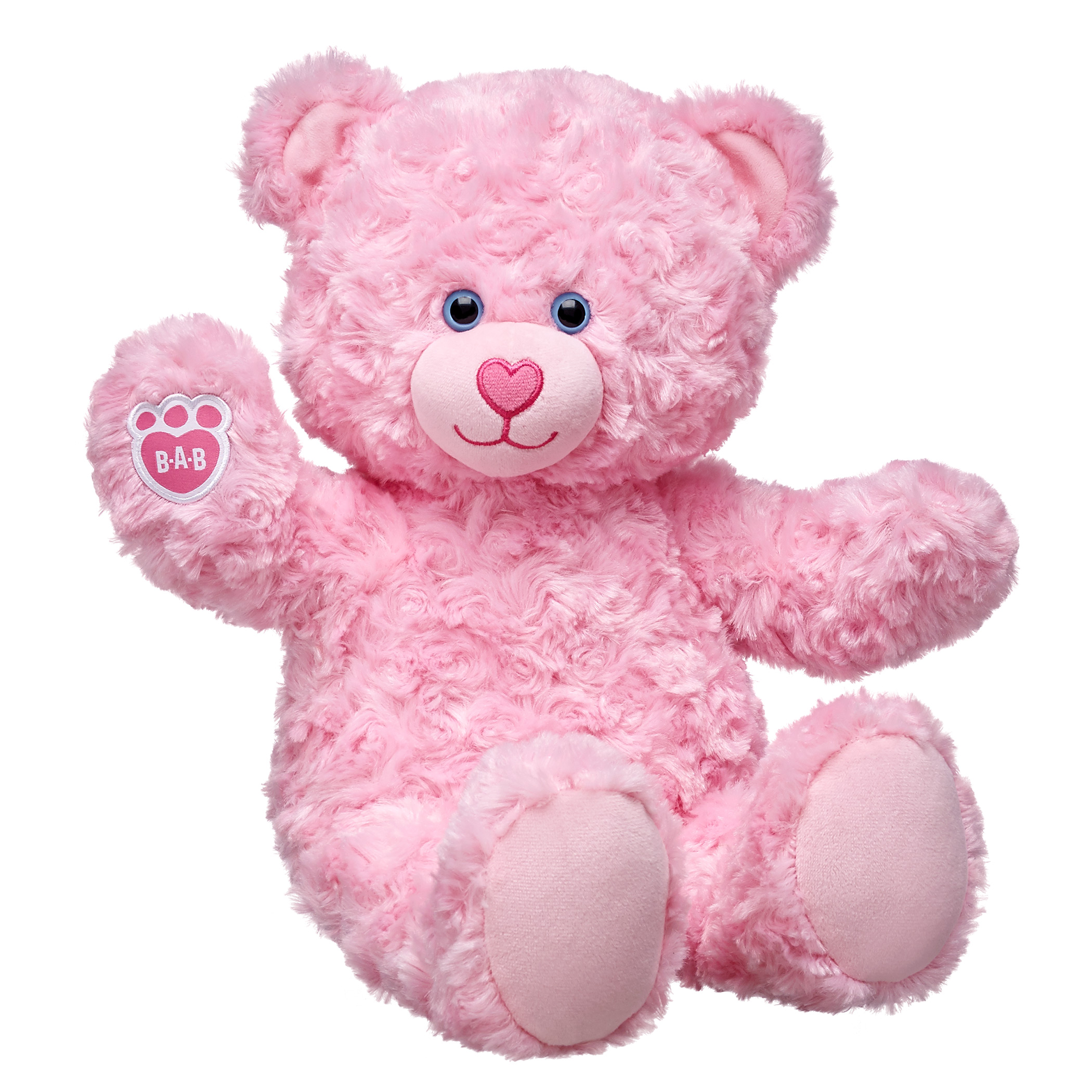
The most effective way to manage the cost of a Build-A-Bear is to set a “hard ceiling” on spending before entering the store. Parents often find success by giving their children a specific dollar amount via a gift card. This turns the experience into a practical lesson in financial literacy, as the child must choose between a more expensive bear or a cheaper bear with more accessories. It shifts the burden of choice from the parent’s “no” to the child’s “budget.”
Utilizing Loyalty Programs and Gift Cards
Build-A-Bear offers a “Bonus Club” that provides points for every dollar spent, which eventually convert into certificates. For frequent shoppers, this is an essential tool for lowering the effective cost of future purchases. Additionally, the secondary market for gift cards can be a goldmine for savvy spenders. Purchasing Build-A-Bear gift cards at a discount on reputable resale sites or through warehouse clubs like Costco can instantly reduce the total cost of a visit by 20% or more.
Seasonal Sales and “Pay Your Age” Events
Historically, the company has utilized “Pay Your Age” promotions to drive massive foot traffic. While these events are rare and often chaotic, they represent the absolute lowest price point for the product. More common are the seasonal “Buy One, Get One” (BOGO) sales and “Clearance” bins. Financing a collection by shopping during the “off-season”—such as buying winter-themed bears in July—is a classic retail strategy that applies perfectly here.
Value vs. Price: Is the Experiential Premium Worth the Investment?
When analyzing “how much” a Build-A-Bear is, one must consider the longevity and resale value of the product compared to mass-market toys found at big-box retailers.
Longevity and the “Lifetime Warranty” Perception
While Build-A-Bear does not have a formal lifetime warranty in the legal sense, they are famous for their “Bear Hospital” culture. If a bear loses a limb or a seam pops, most locations will “perform surgery” (re-stitch and re-stuff) for free or a nominal fee. This durability adds to the long-term value of the purchase. A $15 toy from a discount store that falls apart in a month is more expensive in the long run than a $40 Build-A-Bear that lasts for a decade.
The Resale Market and Collectibility
There is a robust secondary market for Build-A-Bear products, particularly for retired designs or limited-edition collaborations. Certain vaulted Pokémon or Star Wars releases can appreciate in value, sometimes selling for double or triple their original retail price on platforms like eBay or Mercari. For a collector, the “cost” is actually an investment in an asset. Understanding which bears are likely to hold their value requires an eye for market trends and an understanding of scarcity—principles that mirror traditional investing.
Market Positioning and Corporate Finance: The Resilience of BBW
To truly understand the pricing of a Build-A-Bear, one must look at the macro-economic factors affecting the company. Build-A-Bear has survived the “retail apocalypse” by pivoting from a toy store to an “experience destination.”
Stock Performance and Digital Transformation
Build-A-Bear (BBW) has shown remarkable resilience in the stock market by diversifying its revenue streams. They have expanded into e-commerce, allowing customers to use a “Bear Builder” tool online. This digital transformation reduces the overhead costs associated with physical retail space while maintaining the high margins of the customization model. For an investor, the cost of a Build-A-Bear is a sign of a healthy, high-margin business that has successfully defended its niche against giants like Amazon.
Navigating Inflationary Pressures
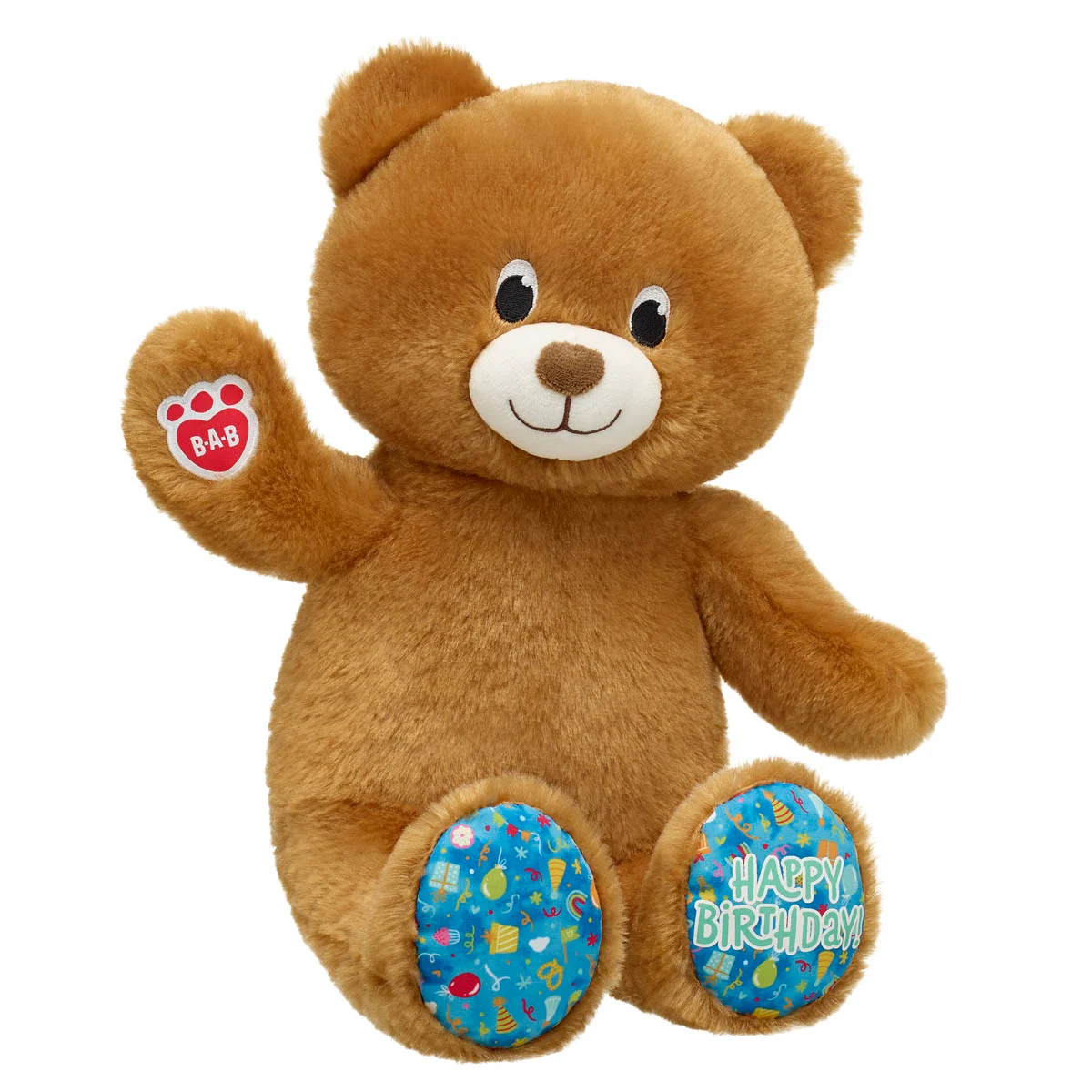
Like all manufacturers, Build-A-Bear has faced rising costs in raw materials (polyester, plush fabric) and global shipping. The fact that the base price of a bear has remained relatively stable over the last few years—while the prices of accessories have crept upward—suggests a strategic use of “shrinkflation” or price-shifting. The company keeps the “hook” (the bear) affordable while making up the difference in the “optional” components.
In conclusion, “how much is a Build-A-Bear” is a question with a variable answer that depends on your role in the transaction. For the child, it is a priceless memory. For the parent, it is a $40 to $80 line item in the monthly budget. For the investor, it is a high-margin product in a resilient retail category. By understanding the tiers of pricing, the psychology of the upsell, and the strategies for smart budgeting, consumers can enjoy the value of the experience without compromising their financial health. Whether viewed as a simple toy or a strategic brand investment, Build-A-Bear remains a fascinating study in the intersection of emotion and economics.
aViewFromTheCave is a participant in the Amazon Services LLC Associates Program, an affiliate advertising program designed to provide a means for sites to earn advertising fees by advertising and linking to Amazon.com. Amazon, the Amazon logo, AmazonSupply, and the AmazonSupply logo are trademarks of Amazon.com, Inc. or its affiliates. As an Amazon Associate we earn affiliate commissions from qualifying purchases.