
The landscape of home entertainment has undergone a radical transformation over the last decade. The traditional copper wires and satellite dishes that once defined the television experience have been largely superseded by high-speed internet protocols and sophisticated software applications. Today, “cord-cutting” is no longer a niche movement for the tech-savvy; it is the standard for modern media consumption. However, the primary challenge for many users transitioning away from cable is replicating the “live” experience—the ability to watch news, sports, and real-time events as they happen.
As streaming technology matures, several major platforms have emerged to bridge the gap between traditional broadcast and digital flexibility. These services, often categorized as Virtual Multichannel Video Programming Distributors (vMVPDs), deliver linear television over the internet. This guide explores the leading technology platforms providing live TV, the technical infrastructure that supports them, and how to choose the right software stack for your home theater.
Leading Live TV Streaming Platforms: An In-Depth Review
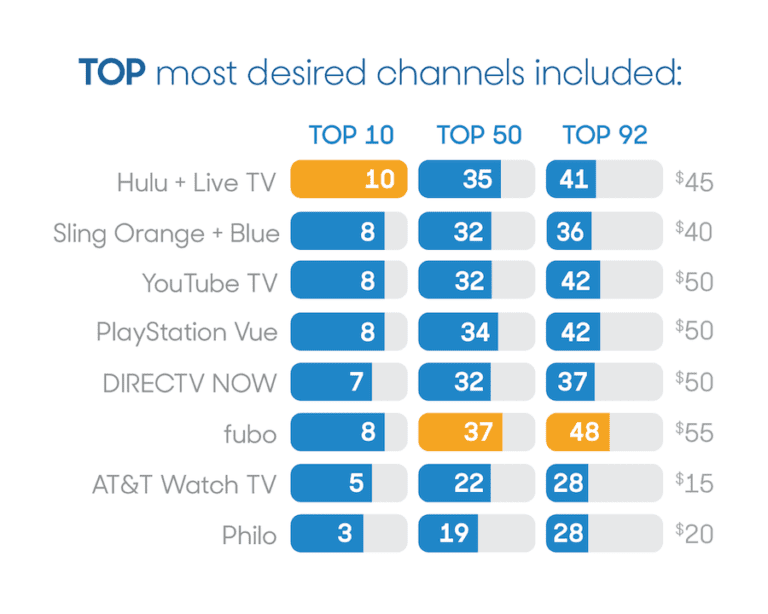
When evaluating which streaming service has live TV, it is essential to look beyond the channel list and examine the underlying technology, user interface (UI) stability, and streaming quality. The following platforms represent the gold standard in current live-streaming technology.
YouTube TV: The Gold Standard for Integration and UX
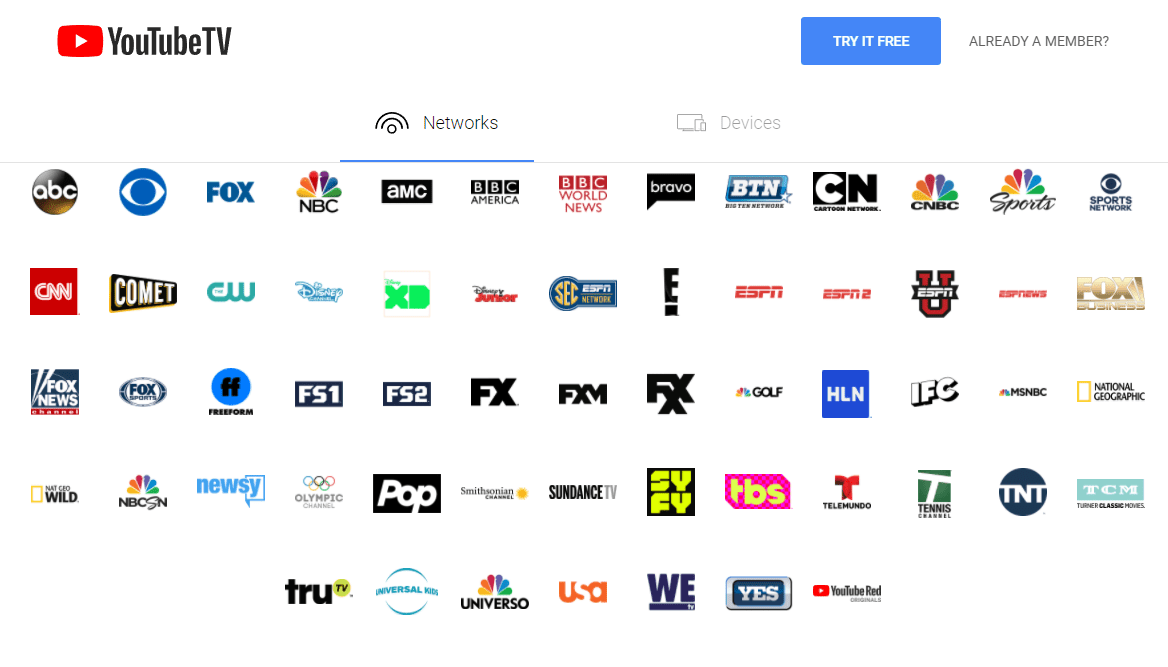
YouTube TV, operated by Google, is widely considered the most technologically advanced live TV service available today. It leverages Google’s massive global data center infrastructure to provide a nearly seamless viewing experience with minimal buffering.
One of its standout technical features is the “Key Plays” view, which uses machine learning to identify significant moments in a sports broadcast, allowing viewers to catch up quickly if they join a game late. Additionally, YouTube TV offers a “Multiview” feature, enabling users to watch up to four live feeds simultaneously on a single screen—a feat that requires significant server-side processing to sync multiple high-definition streams without lag. Its unlimited Cloud DVR is also a benchmark in the industry, utilizing Google’s vast storage capabilities to allow users to record an infinite amount of content for up to nine months.
Hulu + Live TV: The Integrated Ecosystem
Hulu + Live TV takes a different approach by merging a massive on-demand library with a robust live channel lineup. For users already embedded in the Disney tech ecosystem (Disney+, ESPN+), this platform offers the most streamlined integration.
Technically, Hulu has made strides in improving its bitrate management, ensuring that live broadcasts maintain high visual fidelity even on variable internet speeds. Its interface is designed for discovery, using recommendation algorithms to surface live content based on your previous on-demand viewing habits. While its DVR was once a point of contention, recent updates have moved it toward an unlimited model, matching the competition.
FuboTV: The Sports-Centric Powerhouse
For enthusiasts who demand the highest resolution and specialized sports tech, FuboTV is the primary contender. Fubo was an early adopter of 4K streaming for live events, particularly for international soccer and major US sporting events like the Super Bowl.
Fubo’s proprietary “FanView” feature provides live stats and scores overlaying the broadcast, creating an interactive data-rich environment. From a software perspective, Fubo offers one of the most customizable interfaces, allowing users to “favorite” specific teams or leagues so that the app automatically prioritizes those live feeds upon launch.
Sling TV: The Modular, Low-Bandwidth Option
Sling TV, owned by Dish Network, is the veteran of the space. It is designed for users who want a more granular, affordable entry into live TV. Unlike its competitors, Sling offers “Orange” and “Blue” packages that cater to different viewing needs.
From a technical standpoint, Sling TV is highly efficient. It is often the best choice for users with lower-bandwidth internet connections, as its app is optimized to run on older hardware and less-than-ideal network conditions. Sling also integrates well with over-the-air (OTA) antennas through hardware like the AirTV, allowing users to merge free local broadcast signals directly into the Sling app interface.
Essential Technical Features and Hardware Requirements
Transitioning to a live TV streaming service requires more than just a subscription; it requires a hardware and network environment capable of handling high-bitrate, low-latency video data. Unlike on-demand content (like Netflix), which can pre-buffer several minutes of a show, live TV requires a constant, real-time data flow.

Network Infrastructure: Wi-Fi 6 and Ethernet
To stream live TV in 1080p or 4K, a stable internet connection is paramount. While most services recommend a minimum of 25 Mbps for a 4K stream, the real issue is often “jitter” and latency within the home network.
Modern routers supporting Wi-Fi 6 (802.11ax) are highly recommended for cord-cutters. Wi-Fi 6 handles multiple devices more efficiently, ensuring that a smartphone update in another room doesn’t cause your live football game to drop into low-resolution “potato” quality. For the most reliable experience, connecting your streaming device (like an Apple TV or Roku Ultra) via a Gigabit Ethernet cable is the gold standard, as it bypasses wireless interference entirely.
Cloud DVR vs. Local Storage
One of the greatest technological shifts in the move to streaming is the Cloud DVR. In the cable era, your recordings were stored on a hard drive inside a bulky box under your TV. If the box broke, your recordings were lost.
Streaming services utilize massive server farms to record content. This allows for features like “simultaneous recordings,” where you can record ten shows airing at the exact same time—something impossible with traditional dual-tuner cable boxes. When choosing a service, pay attention to the “retention policy.” Some services delete recordings after 30 days, while others, like YouTube TV, keep them for nine months.
Device Compatibility and Ecosystems
The software client (the app) is your gateway to live TV. Not all apps are created equal across different operating systems.
-
tvOS (Apple TV): Generally offers the smoothest animations and fastest channel-switching times due to powerful internal processors.
-
Roku OS: Offers a “neutral” interface that is incredibly easy to navigate, though it lacks some of the advanced multitasking features of more powerful boxes.
-
Fire OS (Amazon): Deeply integrates live TV into the home screen, often pulling “Live Now” tiles directly into the main UI so you don’t even have to open an app to see what’s on.
The Role of FAST Services: Free Live TV Alternatives
While the premium services mentioned above replicate the full cable experience, a new category of technology has disrupted the market: Free Ad-Supported Streaming TV (FAST). These platforms provide linear channels for free, supported by digital ad insertion.
Pluto TV and Tubi
Pluto TV (owned by Paramount) and Tubi (owned by Fox) utilize a traditional grid guide that feels instantly familiar to anyone who grew up with cable. These services do not require a credit card or a login. Technically, they are masterpieces of ad-tech integration, seamlessly stitching digital commercials into a live stream with minimal disruption.
Samsung TV Plus and LG Channels
If you own a modern Smart TV, you likely already have a live TV streaming service built-in. Manufacturers like Samsung and LG have integrated FAST platforms directly into the television’s firmware. When you click the “Source” button on your remote, these channels appear alongside your HDMI inputs. This level of hardware-software integration is making live TV more accessible than ever, essentially turning every connected screen into a broadcast receiver by default.
Future Trends: Low Latency and AI Personalization
The technology behind live TV streaming is far from static. As we look toward the future, two major technical hurdles are being addressed: latency and personalization.
Solving the “Spoiler” Problem
One of the primary complaints with live streaming is the “latency gap.” Because digital video must be encoded, packaged into “chunks,” sent over the internet, and then decoded by your device, there is often a 30-to-60-second delay compared to the actual live event. This results in the “spoiler” problem, where you might hear your neighbor cheer for a goal because they are watching on cable or listening to the radio while your stream is still a minute behind.
New protocols like LL-HLS (Low Latency HTTP Live Streaming) and WebRTC are being implemented to bring this delay down to under five seconds. Services that prioritize these protocols will likely dominate the market in the coming years, particularly for live sports and betting integration.
AI-Driven Content Discovery
As channel lineups grow, the “paradox of choice” becomes a significant user experience hurdle. AI and machine learning models are now being used to analyze not just what you watch, but when you watch it. Future updates to live TV apps will likely feature “Dynamic Electronic Programming Guides” (EPGs) that rearrange themselves based on the time of day and the user profile currently active. If the software knows you watch news at 8:00 AM and sports at 7:00 PM, the UI will morph to put those streams front and center, eliminating the need to scroll through hundreds of irrelevant channels.
Conclusion
Determining which streaming service has live TV depends largely on your technical requirements and viewing priorities. Whether it is the infrastructure-heavy power of YouTube TV, the sports-optimized features of FuboTV, or the cost-effective modularity of Sling TV, the technology now exists to fully replace cable without sacrificing the live experience. By understanding the underlying hardware requirements and the software capabilities of each platform, users can build a customized, high-performance digital broadcast center that far exceeds the capabilities of traditional television.
aViewFromTheCave is a participant in the Amazon Services LLC Associates Program, an affiliate advertising program designed to provide a means for sites to earn advertising fees by advertising and linking to Amazon.com. Amazon, the Amazon logo, AmazonSupply, and the AmazonSupply logo are trademarks of Amazon.com, Inc. or its affiliates. As an Amazon Associate we earn affiliate commissions from qualifying purchases.