
In the modern digital landscape, YouTube has evolved from a simple video-sharing repository into a massive ecosystem of entertainment, education, and professional content. However, as the platform has grown, so too has the frequency and density of its advertising. For many users, the “free” version of the platform has become increasingly interrupted by unskippable pre-roll and mid-roll commercials. This has led to a surge in interest regarding YouTube’s paid tier, known as YouTube Premium. Understanding how much it costs and exactly what technical and experiential benefits it provides is essential for any user looking to optimize their digital consumption.
Understanding the YouTube Premium Ecosystem
YouTube Premium is not merely a “remove ads” button; it is a comprehensive subscription service that alters the way the application functions across devices. To understand the cost, one must first understand the technical infrastructure and features that the subscription unlocks. The transition from the old “YouTube Red” branding to the current “Premium” model signaled a shift toward a more integrated media experience, combining video playback enhancements with a full-scale music streaming service.
The Ad-Free Architecture
The primary draw of YouTube Premium is the removal of advertisements. This isn’t just about convenience; it’s a fundamental change in how the app communicates with servers. In the free version, the YouTube app or web browser must negotiate with ad servers to inject commercials based on user data and auction algorithms. With Premium, these calls are bypassed entirely. This results in faster load times, lower data consumption (as ad assets are not being downloaded), and a seamless transition between videos. This ad-free experience extends across all signed-in devices, including smart TVs, gaming consoles, mobile devices, and desktop browsers.
The Creator Economy and Revenue Sharing
A common question regarding ad-free viewing is how it affects the creators themselves. Technically, YouTube Premium does not “rob” creators of their income. Instead, YouTube distributes a portion of the subscription revenue to creators based on how much time Premium subscribers spend watching their content. From a technical and ethical standpoint, this provides a more stable revenue stream for creators than the volatile CPM (cost per mille) rates associated with traditional advertising.
Current Pricing Tiers and Subscription Models
The cost of removing commercials from YouTube varies depending on the plan selected and the region of the user. As of late 2024, YouTube has standardized several tiers to cater to different user demographics, from individual power users to entire households.
Individual Membership
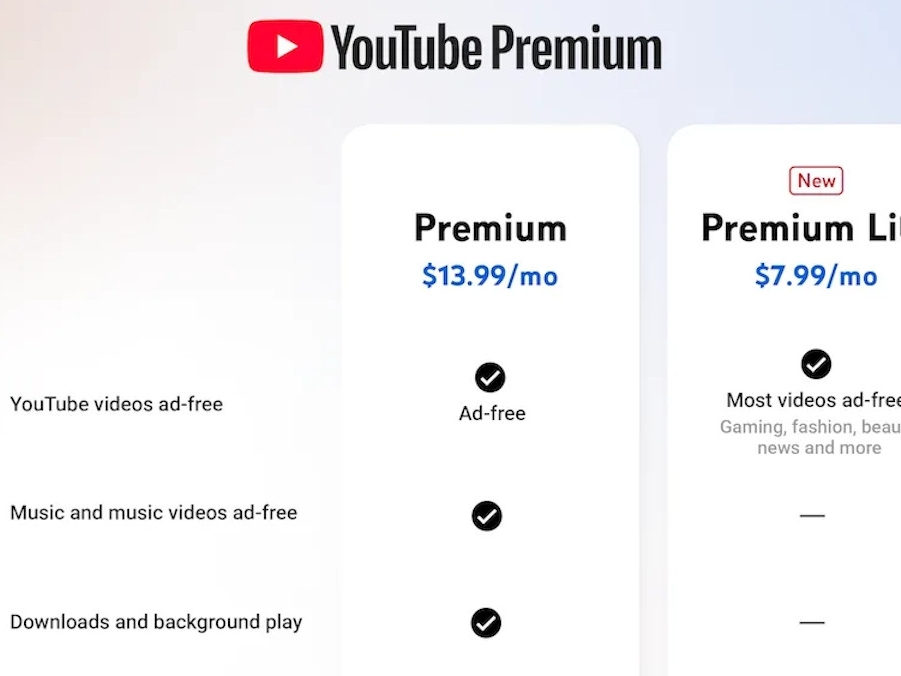
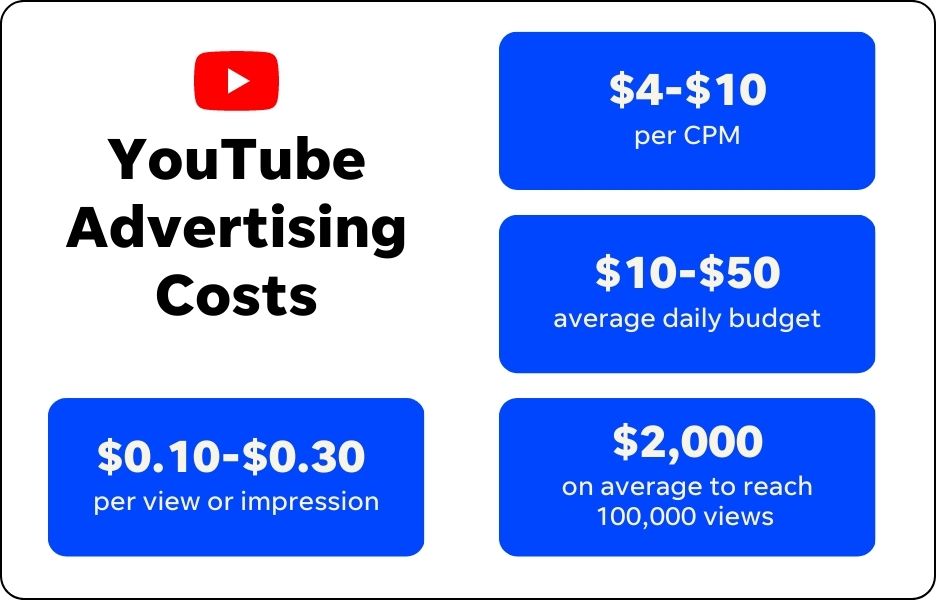
For the standard user, the Individual plan is the most common entry point. Currently priced at approximately $13.99 per month in the United States, this plan removes ads for a single account. For users who prefer long-term commitments, YouTube often offers an annual plan for roughly $139.99, which provides a slight discount over the monthly rate. This plan is ideal for users who consume more than five hours of content per week, as the time saved from skipping 30-second ads quickly adds up.
Family and Student Plans
To increase its market penetration, Google offers a Family Plan, typically priced around $22.99 per month. This allows the primary account holder to invite up to five other family members (ages 13+) living in the same household. Each member gets their own private account with ad-free viewing and their own personalized recommendations. From a cost-efficiency perspective, the Family Plan is the most robust option for households with three or more active users.
For those currently enrolled in higher education, the Student Plan is available at a significantly reduced rate, often around $7.99 per month. This requires annual verification through a third-party service like SheerID to ensure the user is still eligible. It offers all the benefits of the individual plan at nearly half the cost, recognizing the budget constraints of the academic community.
Beyond Ad-Blocking: Technical Features and Benefits
While the absence of commercials is the headline feature, the technical enhancements included in YouTube Premium justify the monthly subscription fee for many tech-savvy users. These features are designed to improve the mobile and multi-tasking experience.
Background Play and Picture-in-Picture (PiP)
One of the most requested features in mobile software is the ability to keep audio running when the app is minimized. On the free version of YouTube, locking your phone or switching to another app immediately pauses the video. YouTube Premium unlocks Background Play, allowing the audio to continue uninterrupted. This effectively turns any video—be it a podcast, a lecture, or a music set—into a background audio source.
Furthermore, Picture-in-Picture (PiP) allows the video player to shrink into a small, floating window that stays on top of other applications. This is a crucial productivity tool for users who want to reference a tutorial while working in another app or monitor a live stream while responding to emails.
Offline Downloads and Smart Downloads
For users with limited data plans or those who travel frequently, the “Download” feature is a game-changer. Premium users can save videos directly to their device’s internal storage or SD card for offline viewing. Within the app settings, users can select the preferred download quality, ranging from 144p for data saving to 1080p for high-definition clarity.
Additionally, the “Smart Downloads” feature uses machine learning to automatically download content the user is likely to watch based on their history. This ensures that even if you forget to manually download content before a flight or a commute through a dead zone, the app has already cached several hours of entertainment for you.
High-Bitrate 1080p (1080p Premium)
In a recent push to improve visual fidelity, YouTube introduced “1080p Premium” for its subscribers. While standard 1080p is available to everyone, the Premium version offers an enhanced bitrate. In technical terms, a higher bitrate means more data is processed per second of video, which reduces compression artifacts and makes the image look much crisper, especially in high-motion scenes like gaming or sports. This is a subtle but significant upgrade for users with high-resolution displays or those who are sensitive to visual quality.
The YouTube Music Integration
A major factor in the value proposition of YouTube Premium is the inclusion of YouTube Music Premium. When you pay for YouTube without ads, you are also paying for a top-tier music streaming service that competes directly with Spotify and Apple Music.
A Unified Audio-Visual Platform
YouTube Music provides access to millions of official songs, albums, and artist discographies. However, its unique technical advantage lies in its integration with the broader YouTube video library. This means you can find live performances, rare covers, and “unreleased” tracks that aren’t available on other streaming platforms because they exist only as video uploads. The “Song/Video” toggle at the top of the music app allows users to switch seamlessly between the audio track and the music video without missing a beat.
Algorithmic Discovery and Library Syncing
Because YouTube has years of data on your viewing habits, its music recommendations are often remarkably accurate from day one. The “Supermix” and discovery tuners use the same sophisticated algorithms that power the main video site to suggest new artists. For the tech-integrated user, having a single subscription cover both video entertainment and music streaming simplifies digital billing and centralizes data privacy and preference settings.
Is the Premium Experience Worth the Investment?
Determining whether YouTube without commercials is “worth it” depends largely on your usage patterns and your valuation of time and focus.
Assessing Value for Power Users
If you use YouTube as your primary source of news, education, or entertainment, the interruption of ads becomes a significant friction point. Over a month, a heavy user might watch 100 or more commercials. If each ad averages 20 seconds, that is over 30 minutes of time spent on advertisements monthly. For professionals who use YouTube for research, the ability to maintain focus without jarring ad breaks is a legitimate boost to productivity.
Privacy and the User Experience
From a digital security and privacy perspective, opting for a paid tier reduces the need for the platform to maximize “ad-engagement” metrics. While Google still tracks viewing habits to improve recommendations, the removal of the ad-delivery pipeline removes one layer of data exchange between the platform and third-party advertisers.
Furthermore, the official Premium subscription is the only sanctioned way to achieve an ad-free experience on mobile devices without relying on third-party “vanced” apps or mobile browser extensions, which can sometimes pose security risks or violate terms of service. By paying for the service, users ensure they are getting the most stable, secure, and feature-rich version of the application directly from the developer.
In conclusion, “how much” YouTube costs without commercials is more than just a dollar amount; it is a calculation of feature access, music integration, and time saved. At roughly $14 a month, it stands as one of the more expensive single-platform subscriptions, but its dual-nature as both a video enhancement and a music streaming service makes it a powerful tool for the modern digital consumer. For those who live in the YouTube ecosystem, the transition from an ad-supported model to a premium, streamlined experience is often a one-way trip. Once the commercials are gone, it is very difficult to go back.
aViewFromTheCave is a participant in the Amazon Services LLC Associates Program, an affiliate advertising program designed to provide a means for sites to earn advertising fees by advertising and linking to Amazon.com. Amazon, the Amazon logo, AmazonSupply, and the AmazonSupply logo are trademarks of Amazon.com, Inc. or its affiliates. As an Amazon Associate we earn affiliate commissions from qualifying purchases.