
Since its inception in 2009, Venmo has transformed from a niche tool for splitting pizza bills into a cornerstone of the modern American financial ecosystem. For years, the app’s primary allure was its lack of cost; users could send and receive money with zero friction and zero fees. However, as the platform matured under the ownership of PayPal, the fee structure has become increasingly complex. To the casual user, these charges might seem like arbitrary hurdles, but they are actually calculated components of a broader business strategy designed to balance user convenience with corporate profitability and the high costs of financial infrastructure.
Understanding why Venmo charges fees requires a deep dive into the mechanics of digital banking, the costs of the global payment network, and the shift from a growth-focused startup model to a profit-focused enterprise solution.
The Evolution of Peer-to-Peer Payments: From Free to Monetized
In the early days of FinTech, growth was the only metric that mattered. Platforms like Venmo and its competitors focused on user acquisition, often burning through venture capital to provide services for free. This “freemium” approach was designed to build a habit. Once millions of people relied on the app to manage their daily social finances, the parent company—in this case, PayPal—had to find a way to make the service sustainable.
The Freemium Model in Fintech
Venmo operates on a freemium model. The core service—sending money to a friend using a linked bank account or your Venmo balance—remains free. This keeps the barrier to entry low. However, the “premium” features are where the fees live. These features represent services that provide immediate value, such as speed, credit flexibility, or professional security. By monetizing these specific pain points, Venmo can keep the basic service free for the majority of users while generating significant revenue from those who need more than the basics.
Operational Costs and Infrastructure
Behind every “Send” button is a massive, expensive infrastructure. Venmo must pay for security protocols, fraud prevention, customer support, and compliance with strict federal banking regulations. Furthermore, moving money between banks isn’t free. When you initiate a transaction, Venmo often has to interface with the Automated Clearing House (ACH) network or private card networks, both of which involve their own set of costs and delays. The fees Venmo charges are, in part, a way to recoup these overhead costs while funding the development of new features like cryptocurrency trading and business profiles.
Instant Transfers vs. Standard Deposits: Paying for Speed
Perhaps the most common fee Venmo users encounter is the “Instant Transfer” fee. When you have a balance in your Venmo account, you have two choices for moving that money to your bank: a Standard Transfer or an Instant Transfer.
How Instant Transfers Work
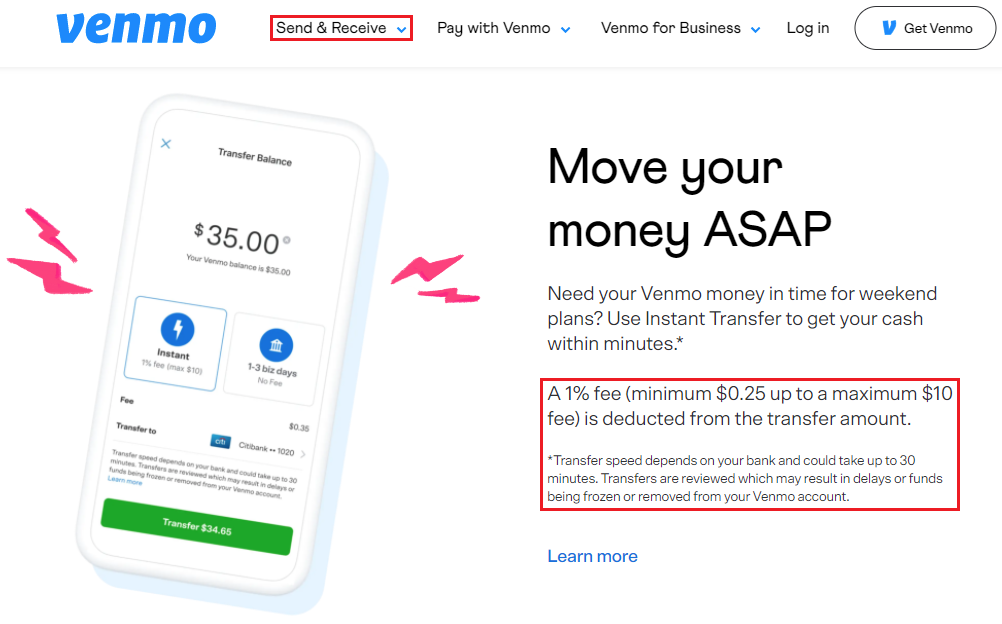
A Standard Transfer uses the ACH network. This is the traditional way banks communicate, and while it is reliable, it is notoriously slow, typically taking one to three business days. Because ACH is relatively inexpensive for Venmo to process, they offer this service to users for free.
An Instant Transfer, however, utilizes the debit card networks (such as Visa Direct or Mastercard Send). These networks allow for nearly instantaneous movement of funds, but they charge Venmo a fee for every transaction processed through this high-speed lane.
The 1.75% Convenience Fee
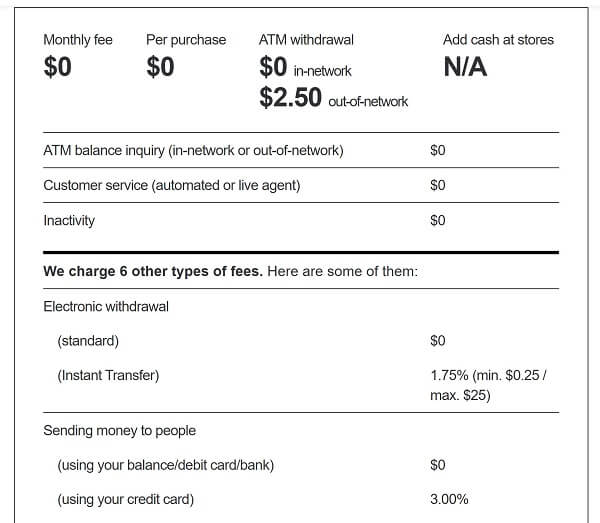
To cover the network costs and generate a profit, Venmo charges a 1.75% fee (with a minimum of $0.25 and a maximum of $25) for Instant Transfers. For the user, this is a “convenience fee.” You are essentially paying for time. In a world where “time is money,” many users are willing to lose a small percentage of their transfer if it means having access to their cash in minutes rather than days. This fee has become a major revenue driver for Venmo, as the demand for liquidity in the gig economy continues to rise.
Credit Cards and the Cost of Processing
Another significant fee in the Venmo ecosystem is the 3% charge applied when sending money using a linked credit card. This is often a point of frustration for users who want to earn rewards points on their peer-to-peer transactions.
Why Credit Cards Aren’t Free
The reason for this fee is simple: credit card companies charge merchants (and by extension, platforms like Venmo) an interchange fee for every transaction. This fee usually ranges from 1.5% to 3%. If Venmo allowed users to send money via credit card for free, Venmo would lose money on every single transaction.
Venmo’s 3% Transaction Fee
By charging a 3% fee, Venmo effectively passes the cost of the credit card processing onto the user. This ensures that the platform doesn’t operate at a loss when a user chooses credit over a debit card or bank account. It also serves as a deterrent, pushing users toward lower-cost methods like direct bank links, which are more profitable (or less costly) for Venmo to maintain. This reflects a standard practice across the financial industry: if you want to use someone else’s credit to pay a debt, you—not the middleman—must bear the cost of that credit.
Venmo for Business: Transitioning to a Professional Financial Tool
As Venmo evolved, it realized that many users were using the personal app to run small businesses, sell handmade goods, or collect rent. This led to the launch of “Venmo for Business” and the “Goods and Services” tag. This transition marked a significant shift in how the platform views commercial transactions.
Seller Transaction Fees
When a user marks a payment as “Goods and Services,” or when a transaction is sent to a registered Business Profile, Venmo charges the receiver a seller fee. Currently, this fee is 1.9% plus $0.10 of the transaction. For a business, this is a standard cost of doing business, similar to the fees charged by Square, Stripe, or PayPal.
This fee allows Venmo to provide specific protections. When a payment is flagged as a business transaction, both the buyer and the seller may be eligible for Venmo’s Purchase Protection Program. This program covers issues like items not being received or being significantly different than described.
Purchase Protection and Merchant Benefits
The fee isn’t just a tax on commerce; it’s an insurance premium. For the seller, it provides a professional platform to track sales, generate tax documents (like the 1099-K), and build a brand within the Venmo ecosystem. For the buyer, it provides peace of mind that their money isn’t simply disappearing into a digital void if the transaction goes sour. In this context, the fee is the price of security and professional legitimacy in an otherwise informal peer-to-peer environment.
Cryptocurrency and Specialized Services
In recent years, Venmo has expanded into the world of digital assets, allowing users to buy, sell, and hold cryptocurrencies like Bitcoin and Ethereum directly within the app. This expansion into specialized financial services brought with it a entirely new tier of fees.
Buying, Selling, and Holding Crypto
Cryptocurrency transactions are fundamentally different from traditional currency transfers. They involve blockchain network fees (gas fees) and require Venmo to act as an exchange, which involves significant regulatory and liquidity risks. To manage this, Venmo charges a spread (the difference between the market price and the price offered to the user) and a transaction fee based on the dollar amount of the crypto purchase or sale.
These fees are often higher than standard bank transfer fees because the operational complexity of managing crypto is much greater. For Venmo, crypto is a high-margin product that targets a demographic looking for an easy, “one-stop-shop” experience without needing to navigate a dedicated crypto exchange.

Navigating the Future of Venmo Fees
As Venmo continues to integrate with broader financial systems—offering debit cards, credit cards, and even teen accounts—the fee structure will likely continue to evolve. The trend in the FinTech industry is moving toward a “super-app” status, where one platform handles everything from your morning coffee payment to your long-term investments.
The “why” behind Venmo’s fees ultimately boils down to the reality of the financial industry: moving money is a service, not a public utility. While the social aspect of Venmo makes it feel like a free utility, the technical and regulatory reality is that every transaction has a cost. By diversifying its fee structure—charging for speed, credit usage, and business protections—Venmo ensures it can remain a free service for the casual user while building a robust, profitable business model that can compete with traditional banks and emerging tech giants alike.
For the savvy consumer, understanding these fees is the first step in optimizing their personal finances. By choosing standard transfers and avoiding credit card usage for P2P payments, most users can continue to use Venmo for free. However, for those who value time and security above all else, the fees represent a transparent price for a premium digital experience.
aViewFromTheCave is a participant in the Amazon Services LLC Associates Program, an affiliate advertising program designed to provide a means for sites to earn advertising fees by advertising and linking to Amazon.com. Amazon, the Amazon logo, AmazonSupply, and the AmazonSupply logo are trademarks of Amazon.com, Inc. or its affiliates. As an Amazon Associate we earn affiliate commissions from qualifying purchases.