
In the early days of mobile peer-to-peer (P2P) payments, Venmo was heralded as a fee-free sanctuary for splitting dinner bills and sharing rent. However, as the platform has matured and integrated deeper into the broader PayPal ecosystem, its fee structure has undergone significant transformations. For the savvy user, whether a casual individual or a small business owner, these incremental charges can quietly erode a balance over time. Navigating the modern Venmo landscape requires more than just a passing familiarity with the app; it demands a strategic approach to how you move, spend, and receive money.
To effectively avoid these new costs, one must first dismantle the illusion that digital convenience is inherently free. By understanding the specific triggers for Venmo’s fees—ranging from instant transfer surcharges to merchant transaction costs—you can implement a series of tactical shifts to keep your capital intact.
Understanding the New Venmo Fee Landscape
The shift in Venmo’s monetization strategy has primarily targeted two areas: speed and commercial protection. For years, users enjoyed free transfers and unregulated “friends and family” payments. Today, the platform has introduced more aggressive fee structures designed to capture revenue from high-frequency users and business transactions.
The Rise of Instant Transfer Costs
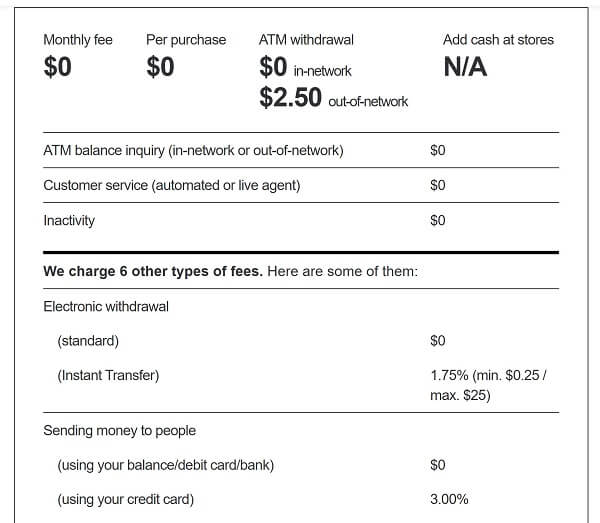
Perhaps the most noticeable change for the average user is the escalation of “Instant Transfer” fees. Currently, Venmo charges 1.75% for transfers to a linked debit card or bank account that occur within minutes. While the minimum fee is $0.25, the maximum has climbed to $25. For individuals moving significant sums—such as a freelancer transferring a $2,000 project payment—that $25 represents a tangible loss of income for a service that was once significantly cheaper.
The Goods and Services Dilemma
In a move to align with IRS regulations and standard credit card processing norms, Venmo introduced the “Goods and Services” toggle. When a sender identifies a payment as a purchase, the recipient is charged a seller fee (currently 2.99% plus a small fixed fee). This is a departure from the traditional P2P model and has caused friction in informal marketplaces like Facebook Groups or local neighborhood swaps.
Business Profile Merchant Fees
For those utilizing official Venmo Business Profiles, the fee structure is even more rigid. Business owners are charged 1.9% plus $0.10 for every payment they receive. While this is competitive compared to traditional point-of-sale systems, it is a “new” reality for side hustlers who previously operated under the radar using personal accounts.
Strategic Alternatives to Instant Transfers
The most effective way to avoid Venmo fees is to tackle the “convenience tax” associated with moving money. While the allure of having funds in your bank account within seconds is strong, it is rarely a financial necessity if you plan ahead.
Leveraging Standard Bank Transfers
The simplest, most effective method to avoid the 1.75% fee is to utilize the “Standard Transfer” option. Unlike the instant method, standard transfers are processed via the Automated Clearing House (ACH) network and are 100% free. While Venmo states these take 1–3 business days, many users find that transfers initiated before 7:00 PM ET often land in their accounts by the next business morning. By treating Venmo as a secondary “holding account” and scheduling transfers in advance, you can completely bypass the transfer fee.
Utilizing the Venmo Debit Card for Direct Spending
A frequently overlooked strategy for avoiding transfer fees is to stop transferring money altogether. By applying for the Venmo Debit Card (a Mastercard), you can spend your Venmo balance directly at any retailer that accepts Mastercard. Because the card draws directly from your digital wallet, there is no need to move money to a traditional bank. This bypasses the instant transfer fee and even offers cashback rewards at certain retailers, effectively turning a potential fee into a minor profit center.
Planning Cash Flow to Neutralize Fees
For those who rely on Venmo for frequent transactions, cash flow management is key. If you know you have an upcoming bill, initiate a standard transfer on Monday to ensure availability by Wednesday. The “instant” option is a trap for those who live paycheck-to-paycheck or fail to anticipate their liquidity needs. By maintaining a small buffer in your traditional bank account, you remove the urgency that Venmo monetizes.
Navigating the “Goods and Services” Selection

The “Goods and Services” toggle has become a point of confusion for many. Avoiding fees in this category requires a clear understanding of when the fee is mandatory and when it is a choice made by the sender.
When to Use (and When to Avoid) the Payment Toggle
The “Goods and Services” feature provides Purchase Protection for the buyer. If you are paying a friend for your share of a pizza, this toggle should remain off. However, Venmo’s terms of service are strict: using a personal account to receive payments for commercial goods without the toggle is a violation that can lead to account suspension. To avoid the fee legally, ensure that your personal transactions are strictly non-commercial. If you are the buyer in a peer-to-peer transaction (like buying a used bike), you may be tempted to turn it on for protection, but be aware that the seller will receive less than the agreed amount, which may lead them to ask you to cover the 2.99% difference.
Tax Implications and Form 1099-K
One of the primary drivers behind these new fee structures is the evolution of tax reporting. The IRS has updated thresholds for Form 1099-K reporting for third-party settlement organizations. While the implementation of the $600 threshold has faced delays and adjustments, the trajectory is clear: Venmo is now required to track commercial activity more closely. By correctly categorizing your payments, you avoid the risk of unexpected tax audits or “back-fees” that could arise from misclassified income.
Protecting Your Transactions without Paying Extra
If you are worried about security but want to avoid the “Goods and Services” fee, consider alternative methods of verification. Only transact with people you know and trust. For local pick-ups, verify the item in person before sending a “Friends and Family” payment. The fee is essentially an insurance premium; if you can mitigate the risk through physical verification, the premium becomes unnecessary.
Optimizing Venmo for Business Owners and Side Hustlers
For entrepreneurs, avoiding fees isn’t always about finding a “free” way to do things—it’s about maximizing margins and choosing the most efficient tool for the job.
Comparing Business Profiles vs. Personal Use
While the 1.9% + $0.10 fee for Business Profiles seems high, it is often lower than the 2.99% fee associated with “Goods and Services” payments on personal accounts. If you run a legitimate side hustle, transitioning to an official Business Profile can actually save you 1% per transaction compared to using the commercial toggle on a personal profile. Furthermore, it provides access to professional features like QR code kits and enhanced searchability within the app.
Building Fee-Inclusive Pricing Models
In the world of business finance, the best way to “avoid” a fee is to ensure you aren’t the one paying it. Insightful business owners build the cost of payment processing into their pricing. If your service costs $100 and you know Venmo will take roughly $2, price your service at $102. This ensures your net income remains stable regardless of the platform’s fee updates.
Exploring Lower-Cost Payment Gateways
Venmo is a tool, not a requirement. For high-ticket items or B2B services, the fees on Venmo can be prohibitive. In these cases, moving toward Zelle—which is integrated into most major banking apps and typically offers free instant transfers for both personal and business accounts—is a superior financial move. Alternatively, traditional ACH transfers or paper checks remain the gold standard for avoiding digital processing fees entirely.
The Broader Financial Picture: Diversifying Your Payment Tech Stack
Total reliance on a single financial tool makes you vulnerable to their fee hikes. To truly insulate yourself from Venmo’s evolving costs, you must diversify how you handle digital liquidity.
Zelle, PayPal, and Cash App: A Fee Comparison
Every P2P app has a different “sweet spot.” Zelle is unmatched for free, instant bank-to-bank transfers. PayPal is superior for international transactions and robust buyer protection, though its fees are often higher. Cash App offers unique “Boosts” and Bitcoin integration but shares similar instant-transfer fee structures with Venmo. By maintaining accounts across multiple platforms, you can choose the one that offers the lowest friction and cost for each specific transaction.

Moving Toward Fee-Free Financial Management
The ultimate goal of avoiding Venmo fees is to maintain higher levels of capital efficiency. This involves a mindset shift: treating your digital wallet not as a bank account, but as a transitional gateway. The longer money sits in Venmo, and the more urgently you try to move it, the more “leakage” occurs through fees.
By opting for standard transfers, using the Venmo debit card for daily expenses, correctly categorizing personal vs. business payments, and leveraging fee-free alternatives like Zelle when appropriate, you can navigate the modern Venmo ecosystem without sacrificing your hard-earned money to convenience charges. In an era where “fintech” is increasingly synonymous with “fee-tech,” the most insightful users are those who prioritize patience and planning over the dopamine hit of an instant transfer.
aViewFromTheCave is a participant in the Amazon Services LLC Associates Program, an affiliate advertising program designed to provide a means for sites to earn advertising fees by advertising and linking to Amazon.com. Amazon, the Amazon logo, AmazonSupply, and the AmazonSupply logo are trademarks of Amazon.com, Inc. or its affiliates. As an Amazon Associate we earn affiliate commissions from qualifying purchases.