
The evolution of personal finance has moved rapidly from physical ledgers to digital wallets, and perhaps no platform has defined this shift more than Venmo. Originally a tool for peer-to-peer (P2P) payments, Venmo has transformed into a comprehensive financial ecosystem. At the center of this transformation is the Venmo Debit Card, a physical tool that bridges the gap between digital balances and the real-world economy. Understanding how this card works is essential for anyone looking to optimize their daily spending, manage their liquidity, and leverage the benefits of modern fintech.

Understanding the Mechanics: How the Venmo Debit Card Links to Your Balance
The Venmo Debit Card is a Mastercard issued by The Bancorp Bank. Unlike a credit card, which allows you to borrow money up to a certain limit, the Venmo Debit Card is directly tied to your Venmo account. It functions as a liquidity tool, allowing you to spend the funds you have received from friends, family, or side hustles without first transferring them to a traditional bank account.
Real-Time Balance Synchronization
When you swipe, dip, or tap your Venmo Debit Card, the transaction hits your Venmo balance immediately. If you have $50 in your Venmo account and spend $20 on lunch, your balance updates to $30 in real-time. This synchronization is the card’s primary appeal; it removes the “waiting period” typically associated with transferring funds to a legacy bank account, which can take anywhere from one to three business days (unless you pay for an instant transfer).
The “Reload” and Backup Funding Feature
One of the most critical financial features of the Venmo Debit Card is how it handles insufficient balances. If you attempt a purchase that exceeds your current Venmo balance, the card doesn’t necessarily decline. Through a feature called “Backup Funding,” Venmo can automatically pull money from a linked bank account to cover the difference.
For example, if you have $10 in Venmo but are buying a $50 grocery haul, Venmo will pull the remaining $40 from your linked checking account in $10 increments. This ensures your transaction goes through smoothly while maintaining the Venmo balance as the primary funding source. Users can toggle this feature on or off within the app, offering a level of control over where their money is being pulled from at any given time.
Global Acceptance via the Mastercard Network
Because the card is powered by Mastercard, it is accepted at millions of merchant locations worldwide and at any ATM that carries the Mastercard, Cirrus, or PULSE symbols. This global reach elevates Venmo from a simple “splitting the bill” app to a legitimate financial tool capable of handling international travel and online global commerce.
Key Features and Financial Benefits for the Modern Consumer
The Venmo Debit Card is more than just a piece of plastic; it is a feature-rich financial instrument designed to provide value beyond simple transactions. From rewards programs to social integration, it offers several advantages over traditional debit cards.
The Power of Venmo Offers (Cashback)
Venmo has integrated a robust rewards program directly into the debit card experience. Known as “Venmo Offers,” these are automatic cashback rewards at participating retailers. Unlike many traditional bank rewards programs that require you to “activate” offers or navigate complex portals, Venmo’s cashback is often applied automatically to your balance.
When you shop at partnered brands—ranging from grocery stores to clothing retailers and fast-food chains—a percentage of the purchase price is deposited back into your Venmo account. From a personal finance perspective, this represents a “passive” saving strategy. These funds can then be used for future purchases, sent to friends, or transferred to a savings account.
ATM Access and Cash Management
For many users, the ability to access physical cash from a digital balance is a necessity. The Venmo Debit Card allows for cash withdrawals at ATMs. While Venmo does not charge a fee for withdrawals at MoneyPass ATMs within the U.S., it is important to note that out-of-network ATMs may incur fees from both the ATM operator and Venmo.
Beyond ATMs, the card also allows for “cash back” at the point of sale in many retail locations. This is often a more cost-effective way to get cash, as it avoids the potential fees associated with third-party ATM operators.

Social Finance and Transaction Transparency
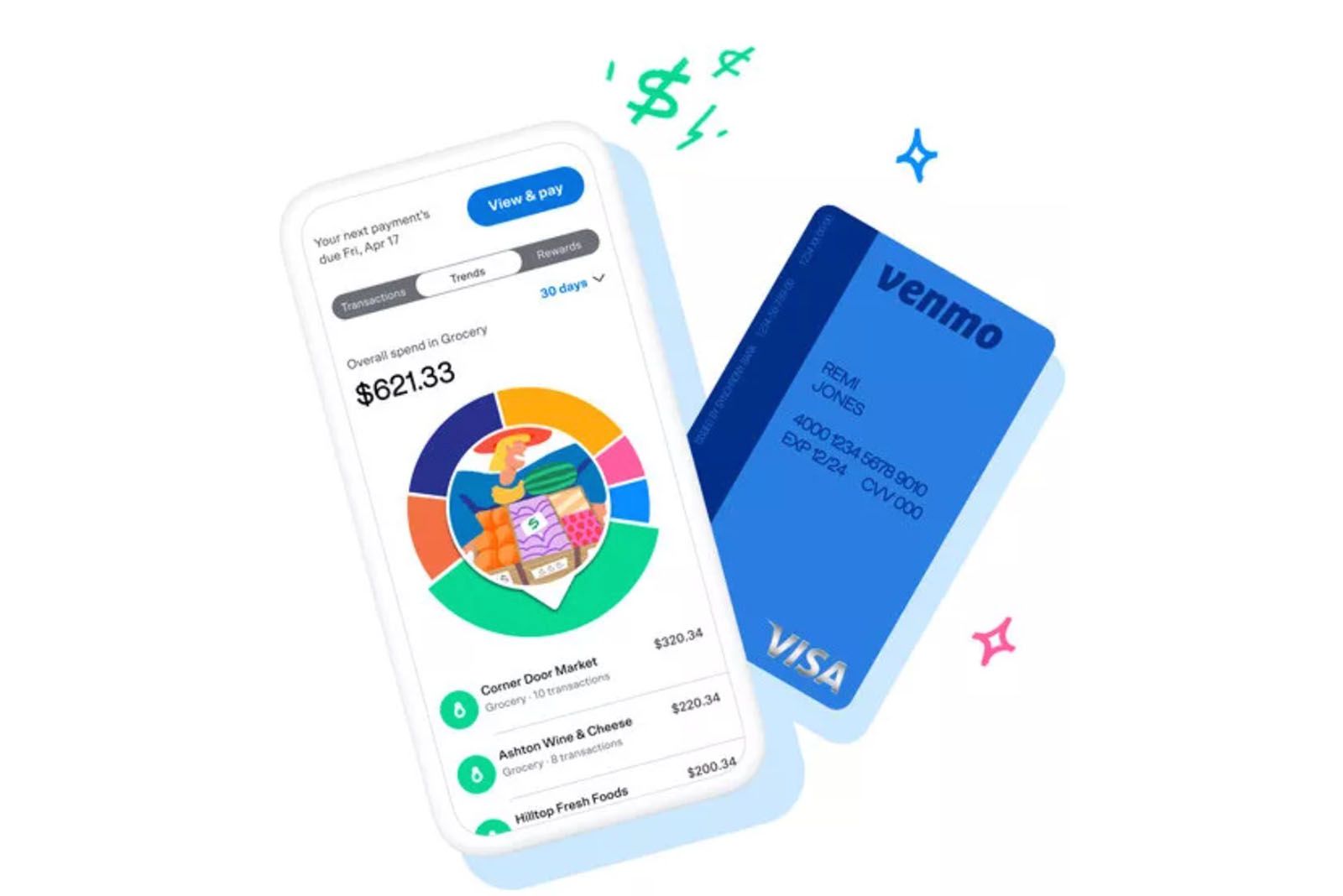
Venmo’s unique “social” aspect carries over to the debit card. While your specific purchases aren’t broadcast to your feed by default, you can choose to share where you’re spending money with your network. More importantly, the app provides a highly detailed, categorized breakdown of your spending. This transparency is a cornerstone of modern budgeting, allowing users to see exactly where their money is going without waiting for a monthly bank statement.
Security Protocols and Financial Safety
When dealing with a card linked directly to your liquid assets, security is paramount. Venmo employs several layers of protection to ensure that your funds remain secure even if the physical card is compromised.
In-App Card Management
The most significant security feature is the “Disable” toggle found within the Venmo app. If you misplace your card or suspect it has been stolen, you can instantly “freeze” the card with a single tap. This prevents any new transactions from being authorized. If you find the card under your couch later that day, you can just as easily “unfreeze” it. This level of immediate control is far superior to the traditional process of calling a bank’s customer service line to cancel and reorder a card.
Zero Liability and Fraud Protection
As a Mastercard product, the Venmo Debit Card is covered by Mastercard’s Zero Liability policy. This means you won’t be held responsible for unauthorized transactions if your card is lost or stolen, provided you report the loss promptly. Additionally, Venmo uses encryption and multi-factor authentication (MFA) to protect your account access, ensuring that even if someone has your card, they cannot easily access your entire Venmo profile.
Privacy in a Social Environment
A common concern with Venmo is the visibility of transactions. It is important to distinguish between P2P payments (which can be social) and debit card purchases. By default, your debit card purchases are private. Venmo does not share your grocery list or your retail habits with your friend list unless you specifically choose to share a transaction. This ensures that while you get the benefits of a social fintech app, your personal financial habits remain confidential.
Integrating the Venmo Debit Card into Your Personal Finance Strategy
To get the most out of the Venmo Debit Card, it should be viewed as one component of a broader financial strategy. It is particularly effective for those who participate in the gig economy or have frequent small-scale financial interactions with peers.
Using Venmo as a Budgeting Tool
One effective strategy is using the Venmo balance as a “discretionary spending” bucket. By keeping your primary paycheck in a traditional high-yield savings account and only moving a set “allowance” to Venmo, you can use the Venmo Debit Card for your daily coffee, dining out, and entertainment. This creates a natural wall between your essential funds (rent, utilities) and your fun money, making it easier to stick to a budget.
Comparing Venmo to Traditional Banking
While the Venmo Debit Card offers great flexibility, it is important to understand what it is not. It is not a full-service bank account. It does not typically offer the same level of interest that a high-yield savings account (HYSA) provides, nor does it offer the extensive credit-building opportunities of a credit card.
However, for those who find traditional banking cumbersome or for younger consumers who manage the bulk of their social lives through apps, the Venmo Debit Card serves as a high-utility bridge. It offers the speed and convenience of a fintech app with the reliability and acceptance of a global payment network.
The Role of Fintech in Modern Liquidity
Ultimately, the Venmo Debit Card works by prioritizing liquidity. In the traditional financial model, money is often “trapped” in various states of transfer. Venmo breaks down these barriers. Whether you are receiving a portion of a dinner bill from a friend or getting paid for a freelance gig via Venmo, the card ensures those funds are immediately “spendable.”
In an economy where speed and ease of access are increasingly valuable, the Venmo Debit Card stands out as a sophisticated tool for managing personal finances. By combining the social ease of the Venmo platform with the physical utility of a Mastercard, it provides a seamless experience for the modern spender. Whether you are looking to earn cashback, manage a side-hustle income, or simply simplify your wallet, understanding and utilizing the Venmo Debit Card is a smart move in the contemporary financial landscape.
aViewFromTheCave is a participant in the Amazon Services LLC Associates Program, an affiliate advertising program designed to provide a means for sites to earn advertising fees by advertising and linking to Amazon.com. Amazon, the Amazon logo, AmazonSupply, and the AmazonSupply logo are trademarks of Amazon.com, Inc. or its affiliates. As an Amazon Associate we earn affiliate commissions from qualifying purchases.