
Investing in an Individual Retirement Account (IRA) is one of the most effective ways to build long-term wealth while taking advantage of significant tax benefits. Unlike a workplace 401(k), an IRA is an account you open on your own, giving you greater control over your investment choices and fee structures. Whether you are just starting your career or looking to optimize your existing portfolio, understanding the nuances of IRAs is essential for a robust retirement strategy.
Understanding the Foundation: Choosing the Right Type of IRA
Before you can deposit a single dollar, you must decide which type of IRA aligns with your current financial situation and your future tax expectations. The two primary options are the Traditional IRA and the Roth IRA, though business owners have additional paths.
Traditional IRA: Tax-Deferred Growth
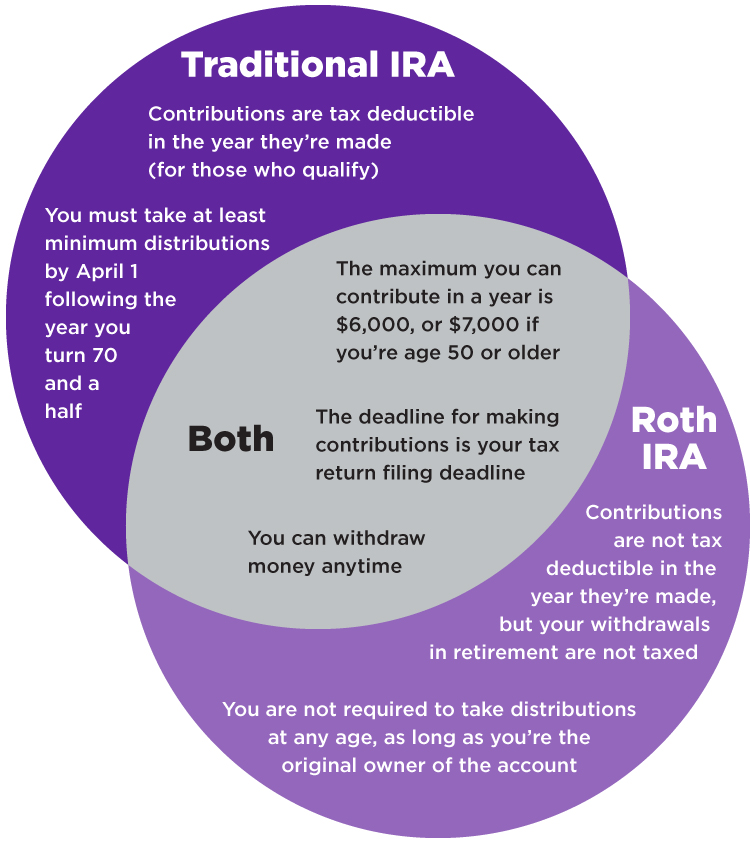
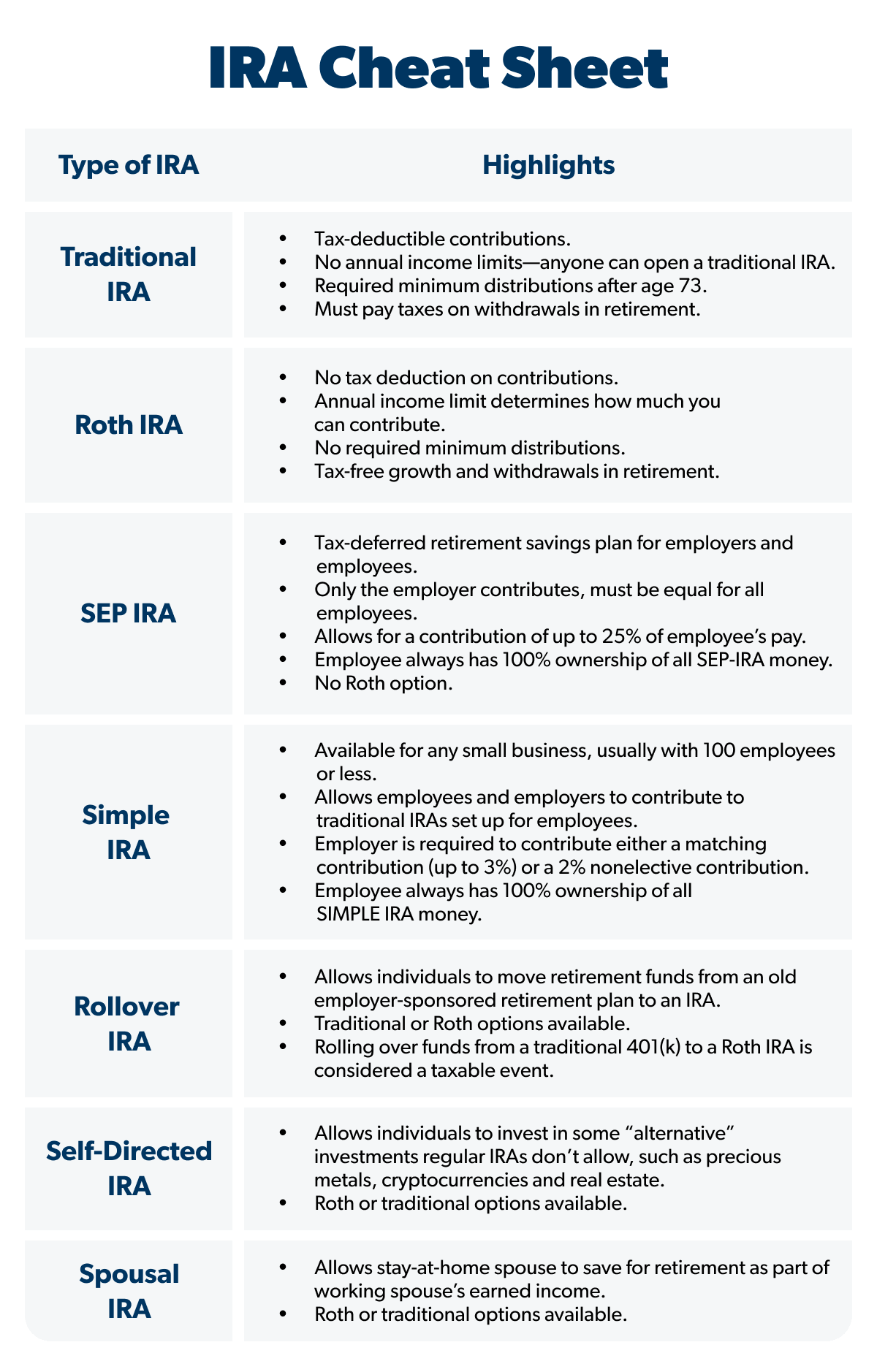
A Traditional IRA allows you to contribute pre-tax or tax-deductible dollars. The primary advantage is that your contributions may lower your taxable income in the year you make them. The investments within the account grow tax-deferred, meaning you don’t pay capital gains or dividend taxes annually. However, when you withdraw the money during retirement, those distributions are taxed as ordinary income. This is generally preferred by individuals who believe they are in a higher tax bracket now than they will be during retirement.
Roth IRA: Tax-Free Withdrawals
The Roth IRA is often considered the “holy grail” of retirement accounts for younger investors. You contribute after-tax dollars, meaning there is no immediate tax break. However, the trade-off is immense: both your original contributions and all the investment growth can be withdrawn tax-free after age 59½, provided the account has been open for at least five years. This is a powerful tool for long-term compounding, as it shields decades of growth from the IRS.
SEP and SIMPLE IRAs for the Self-Employed
If you are a freelancer, contractor, or small business owner, you aren’t limited to the standard IRA options. A Simplified Employee Pension (SEP) IRA allows for much higher contribution limits than a standard IRA, based on a percentage of your business income. Similarly, a SIMPLE IRA (Savings Incentive Match Plan for Employees) is designed for small businesses to provide a retirement plan similar to a 401(k) but with less administrative overhead.
Setting Up Your Account: From Selection to Funding
Once you have identified the right vehicle, the next step is the mechanical process of opening and funding the account. This stage is crucial because the “custodian” you choose will dictate your investment options and the fees you pay.
Choosing a Custodian
An IRA is not an investment itself; it is a basket that holds investments. You open this basket at a financial institution known as a custodian. Most investors choose between traditional online brokerages, robo-advisors, or full-service wealth management firms.
-
Online Brokerages: These are ideal for the “do-it-yourself” investor. Platforms offer a wide range of stocks, bonds, and mutual funds with low or zero commissions.
-
Robo-Advisors: If you prefer a hands-off approach, robo-advisors use algorithms to build and rebalance a diversified portfolio for you based on your risk tolerance, typically for a small annual fee (0.25% to 0.50%).
Understanding Contribution Limits and Eligibility
The IRS sets annual limits on how much you can contribute to an IRA. For 2024, the limit is $7,000 for those under 50, and $8,000 for those 50 and older (including a “catch-up” contribution). It is important to note that you must have “earned income” to contribute. Furthermore, Roth IRAs have income phase-outs; if you earn above a certain threshold, you may be ineligible to contribute directly to a Roth, necessitating more advanced strategies like the “Backdoor Roth.”
The Funding Process
Funding your IRA can be done through a lump-sum contribution or recurring transfers. Many financial advisors recommend setting up an automatic monthly transfer. This utilizes “dollar-cost averaging,” a strategy where you buy more shares when prices are low and fewer when prices are high, effectively lowering your average cost per share over time and removing the emotional stress of trying to “time the market.”
Developing an Investment Strategy: Asset Allocation and Selection

Opening the account is only half the battle. The most common mistake new investors make is moving money into an IRA and leaving it in the “core position” (cash). To grow your wealth, you must actively select investments within the account.
Determining Your Risk Tolerance
Your investment selection should be a reflection of your time horizon and your ability to stomach market volatility. A 25-year-old with four decades until retirement can afford to be aggressive, focusing heavily on equities (stocks). Conversely, someone five years from retirement should prioritize capital preservation, shifting a larger portion of their IRA into fixed-income assets (bonds) and cash equivalents.
The Power of Index Funds and ETFs
For the vast majority of investors, low-cost index funds or Exchange-Traded Funds (ETFs) are the most efficient way to invest in an IRA. These funds track a specific market index, such as the S&P 500 or the Total Stock Market. Because they are passively managed, they carry much lower expense ratios than actively managed mutual funds. Over long periods, the lower fees and broad diversification of index funds tend to outperform the majority of professional stock-pickers.
Utilizing Target-Date Funds
If you find asset allocation overwhelming, Target-Date Funds (TDFs) offer a “set-it-and-forget-it” solution. You choose a fund with a year closest to your expected retirement (e.g., Target Date 2055). The fund automatically starts with an aggressive mix of stocks and gradually shifts toward more conservative bonds as you approach the target year. This ensures that your risk levels are always appropriate for your age without requiring manual rebalancing.
Maximizing Growth and Navigating Regulations
An IRA is a long-term commitment. To get the most out of it, you must understand how to maintain the account and navigate the rules governing withdrawals.
The Role of Rebalancing
Over time, certain investments will outperform others, causing your portfolio to drift away from your original intent. For example, if your target was 80% stocks and 20% bonds, a bull market might push your stock exposure to 90%. Rebalancing involves selling a portion of your winners and buying more of the underperforming assets to return to your target allocation. Within an IRA, you can trade and rebalance without triggering capital gains taxes, making it an ideal environment for active portfolio management.
The “Backdoor” Roth Strategy for High Earners
For individuals whose income exceeds the IRS limits for Roth IRA contributions, the “Backdoor Roth” is a legal and effective loophole. It involves making a non-deductible contribution to a Traditional IRA and then immediately converting those funds to a Roth IRA. While this requires careful tax filing (IRS Form 8606), it allows high-income earners to enjoy the benefits of tax-free growth and tax-free withdrawals in retirement.
Navigating Withdrawal Rules and Penalties
The IRS provides tax advantages for IRAs on the condition that the money stays in the account until you reach retirement age. Generally, withdrawals made before age 59½ are subject to a 10% early withdrawal penalty in addition to ordinary income taxes. However, there are exceptions for first-time home purchases (up to $10,000), qualified education expenses, or significant unreimbursed medical bills. For Roth IRAs, you can always withdraw your contributions (but not earnings) penalty-free and tax-free at any time, providing a level of emergency flexibility.
The Long-Term Vision: Required Minimum Distributions (RMDs)
As you age, the IRS eventually wants its tax revenue. For Traditional IRAs, you must begin taking Required Minimum Distributions (RMDs) starting at age 73 (based on current legislation). These are mandatory withdrawals that are taxed as income. Failing to take an RMD can result in a massive penalty—up to 25% of the amount that should have been withdrawn.
One of the secondary benefits of the Roth IRA is that it currently does not have RMD requirements for the original owner. You can leave the money in the account for your entire life, allowing it to compound indefinitely. This makes the Roth IRA not only a retirement tool but a powerful estate-planning vehicle, as you can pass the tax-free growth on to your heirs.
By choosing the right account type, selecting a low-cost custodian, and maintaining a disciplined, diversified investment strategy, you can transform an IRA from a simple savings account into a powerful engine for generational wealth. The key is to start as early as possible, as the math of compound interest rewards time above all else. Regardless of the market’s daily fluctuations, the consistent utilization of an IRA remains a cornerstone of financial independence.
aViewFromTheCave is a participant in the Amazon Services LLC Associates Program, an affiliate advertising program designed to provide a means for sites to earn advertising fees by advertising and linking to Amazon.com. Amazon, the Amazon logo, AmazonSupply, and the AmazonSupply logo are trademarks of Amazon.com, Inc. or its affiliates. As an Amazon Associate we earn affiliate commissions from qualifying purchases.