
When discussing the giants of the financial world, the name Vanguard is synonymous with stability, low-cost investing, and massive scale. As one of the “Big Three” asset managers—alongside BlackRock and State Street—Vanguard manages trillions of dollars in assets. This often leads to the common question: “What companies does Vanguard own?”
To answer this accurately within the context of global finance, one must distinguish between traditional corporate ownership and institutional investment. Vanguard does not “own” companies in the way a parent company like Alphabet owns Google. Instead, Vanguard holds significant equity in nearly every publicly traded company on the planet on behalf of its millions of individual investors. Because of its unique structure and its dominance in the index fund market, Vanguard is often the largest or second-largest shareholder in almost every major corporation in the S&P 500.
The Vanguard Paradox: Who Really Owns the Owner?
Before diving into the specific companies within Vanguard’s portfolio, it is essential to understand the unique structural makeup of the firm itself. Unlike its competitors, Vanguard is not a publicly traded company, nor is it owned by a small group of private partners.
The Client-Owned Model
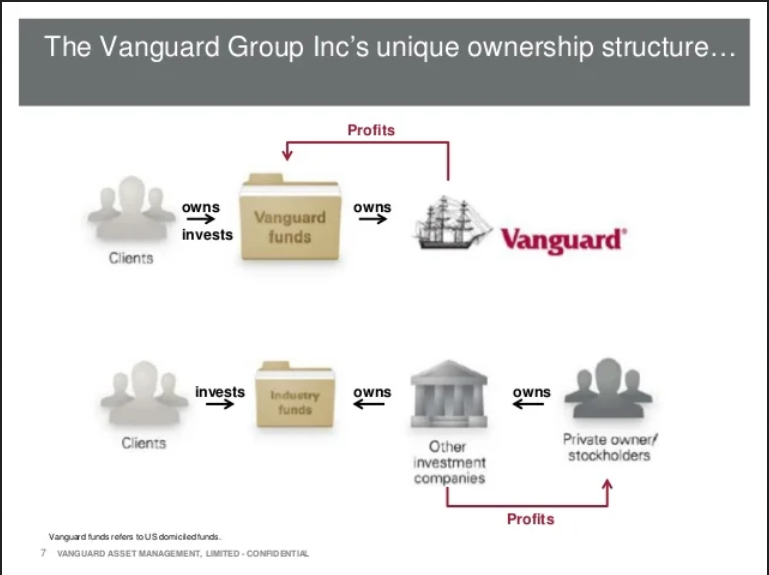
Founded by John C. “Jack” Bogle in 1975, Vanguard operates under a mutual ownership structure. The company is owned by its funds, and those funds are, in turn, owned by the investors who buy them. This means that if you own shares of a Vanguard S&P 500 ETF (VOO) or a Target Retirement Fund, you are technically one of the owners of the firm.
This structure eliminates the conflict of interest often found in traditional investment firms, where the pressure to generate profits for outside shareholders can lead to higher fees for clients. By operating “at cost,” Vanguard has spent decades driving down the price of investing, which has forced the entire industry to follow suit—a phenomenon known as the “Vanguard Effect.”
The Power of Passive Investing
Vanguard’s ownership of the corporate world is primarily a result of its leadership in passive investing. When an investor puts money into a Vanguard Total Stock Market Index Fund, Vanguard must use that money to buy shares of every company in that index in proportion to their market capitalization. As more investors have shifted from active stock picking to low-cost index tracking, Vanguard’s assets under management (AUM) have ballooned to over $7 trillion. Consequently, the firm has become a permanent, long-term shareholder in thousands of businesses.
Major Holdings: Vanguard’s Dominance Across Sectors
Because Vanguard’s primary strategy involves tracking broad market indices, its “ownership” portfolio is essentially a mirror of the global economy. If a company is large, profitable, and publicly traded, Vanguard is almost certainly a top shareholder.
The Technology Titans
In the modern economy, the technology sector commands the largest market capitalization. As a result, Vanguard’s largest holdings are concentrated in the “Magnificent Seven” and other Silicon Valley giants.
-
Apple Inc. (AAPL): Vanguard typically holds between 7% and 9% of Apple’s outstanding shares. This makes it one of the largest stakeholders in the world’s most valuable consumer electronics company.
-
Microsoft Corp. (MSFT): Similar to its position in Apple, Vanguard holds a massive stake in Microsoft, benefitting from the company’s dominance in enterprise software and cloud computing.
-
Alphabet Inc. (GOOGL): Through its various growth and index funds, Vanguard maintains a multi-billion dollar position in Google’s parent company.
-
Nvidia (NVDA): As the leader in AI hardware, Nvidia has seen its market cap skyrocket, and Vanguard’s automatic rebalancing within its indices has ensured it remains a top owner of the chipmaker.
Financials and Healthcare
Beyond tech, Vanguard holds significant sway in the sectors that form the backbone of the global infrastructure.
-
JPMorgan Chase & Co. (JPM): As the largest bank in the United States, JPMorgan is a core holding in Vanguard’s financial sector ETFs and value funds. Vanguard’s ownership here provides it with a “seat at the table” in the banking industry.
-
UnitedHealth Group (UNH): In the healthcare space, Vanguard is a dominant shareholder in insurance providers and pharmaceutical giants like Johnson & Johnson and Pfizer. These holdings are often viewed as “defensive” plays that provide stability to the broader Vanguard portfolios.
Consumer Staples and Energy
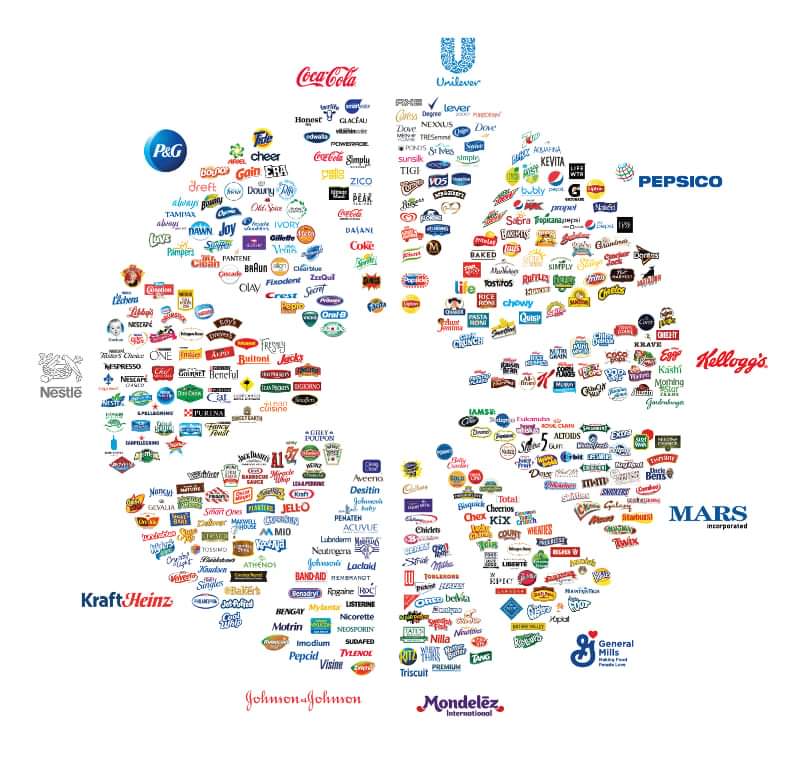
Vanguard also owns substantial portions of companies that provide everyday essentials. This includes massive stakes in Walmart, Procter & Gamble, and Coca-Cola. In the energy sector, Vanguard is a top shareholder in ExxonMobil and Chevron, ensuring that its investors capture the returns of the global commodity markets.
The Mechanics of Institutional Influence
While Vanguard is a “passive” investor in that it doesn’t pick stocks to beat the market, it is anything but passive when it comes to corporate governance. The sheer volume of shares Vanguard controls gives it immense power over how companies are run.
Proxy Voting and Stewardship
Every year, public companies hold shareholder meetings where investors vote on board members, executive compensation, and environmental or social proposals. Because Vanguard holds the shares on behalf of its investors, it exercises the voting rights associated with those shares.
Vanguard’s Investment Stewardship team is responsible for engaging with the management of the companies it “owns.” Their goal is not to micro-manage operations but to ensure that the companies are positioned for long-term value creation. Because Vanguard is a “permanent shareholder”—meaning it cannot sell its shares as long as a company remains in an index—it focuses heavily on sustainable growth and risk management.
The “Big Three” Concentration
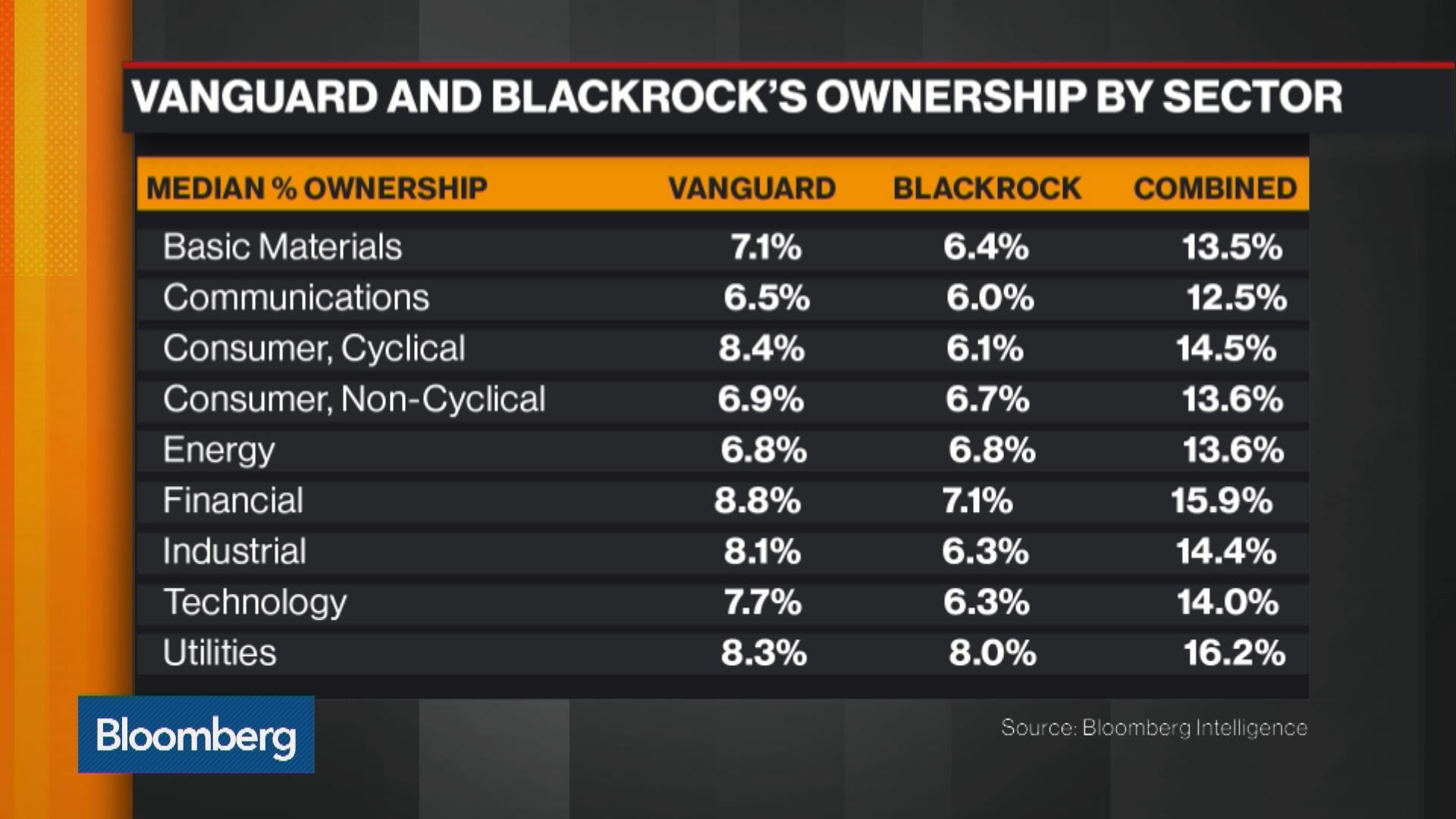
The concentration of ownership among Vanguard, BlackRock, and State Street has become a topic of significant debate in financial circles. Combined, these three firms often own 20% or more of a single S&P 500 company. Critics argue that this concentration could lead to reduced competition, as the same three firms own all the major players in a single industry (for example, owning the majority of shares in both Delta and United Airlines). However, Vanguard maintains that its primary duty is to its individual fund owners, and its voting record typically supports management teams that prioritize long-term stability over short-term volatility.
Why Vanguard’s Ownership Matters for the Average Investor
Understanding what companies Vanguard owns is more than just an exercise in corporate trivia; it has direct implications for personal finance and wealth building.
Diversification via Proxy
When you invest in a Vanguard fund, you are effectively buying a small piece of the entire global economy. You are an “owner” of the iPhone’s success through Apple, the transition to electric vehicles through Tesla, and the reach of global logistics through Amazon. This radical diversification is the primary tool that protects individual investors from the failure of any single company. If one company in Vanguard’s massive portfolio goes bankrupt, it represents only a fraction of a percent of the total fund, minimizing the impact on the investor.
Lowering the Cost of Capital
Vanguard’s presence as a massive, stable buyer of corporate equity actually helps the companies themselves. By providing a consistent source of capital through its index funds, Vanguard helps maintain liquidity in the financial markets. This allows companies to raise money more efficiently, which can lead to innovation, expansion, and job creation.
The Shift Toward “Choice” in Voting
In recent years, in response to concerns about the power of large asset managers, Vanguard has begun testing programs that allow individual investors to have a say in how their “pro-rata” shares are voted. This “Proxy Voting Choice” initiative aims to pass the power back to the individual, further aligning with Vanguard’s mission to represent the interests of the everyday person rather than the corporate elite.
The Future of Vanguard’s Corporate Reach
As the world of finance continues to evolve, Vanguard’s footprint is likely to expand even further. The rise of the “retail investor” and the continued migration of capital from expensive hedge funds to low-cost index funds suggest that Vanguard’s ownership stakes will only grow.
We are entering an era where the concept of “owning a company” is being democratized. Through Vanguard, the wealth generated by the world’s most profitable corporations is no longer reserved for venture capitalists or ultra-wealthy insiders. Instead, it is distributed among millions of teachers, firefighters, and office workers who use Vanguard’s tools to save for retirement.
While Vanguard “owns” a significant portion of the corporate world, it does so as a custodian. It is the bridge between the complex machinery of global commerce and the individual’s quest for financial security. Whether it is a tech startup in California or a manufacturing plant in Ohio, if the company is public, Vanguard is there—not as a predatory owner, but as a silent partner facilitating the growth of wealth for the masses. Understanding this distinction is key to understanding the modern financial landscape and the power of collective, low-cost investing.
aViewFromTheCave is a participant in the Amazon Services LLC Associates Program, an affiliate advertising program designed to provide a means for sites to earn advertising fees by advertising and linking to Amazon.com. Amazon, the Amazon logo, AmazonSupply, and the AmazonSupply logo are trademarks of Amazon.com, Inc. or its affiliates. As an Amazon Associate we earn affiliate commissions from qualifying purchases.