
Urban Outfitters is more than just a retail store; it is a cultural touchstone that has defined the aesthetic of multiple generations. From its roots as a singular storefront in Philadelphia to its current status as a global lifestyle powerhouse, the brand has navigated the complexities of shifting consumer tastes with remarkable agility. However, the question of “who owns Urban Outfitters” opens the door to a much larger conversation about corporate identity, brand architecture, and the strategic vision of its parent company, URBN.
To understand the ownership of Urban Outfitters is to understand URBN Inc. (Urban Outfitters, Inc.), a publicly traded portfolio of global consumer brands. While the company is owned by its shareholders, its identity and strategic direction remain inextricably linked to its founder, Richard Hayne, and a sophisticated brand strategy that prioritizes distinct market segmentation.

The Corporate Architect: The Rise of URBN Inc.
The story of Urban Outfitters began in 1970 when Richard Hayne, Judy Wicks, and Scott Belair opened a store called “Free People” in Philadelphia. The initial concept was simple: provide inexpensive clothes and second-hand goods for college students. As the business evolved, the name was changed to Urban Outfitters, and the “Free People” moniker was eventually repurposed as a wholesale line and later a standalone retail brand.
Urban Outfitters, Inc. (URBN) was officially incorporated in 1976. Unlike many retail conglomerates that grow through aggressive acquisitions of unrelated businesses, URBN has largely built its empire from the ground up, creating internal brands that target specific “lifestyle” niches. Today, URBN is a multi-billion dollar entity listed on the NASDAQ under the ticker symbol URBN.
The Vision of Richard Hayne
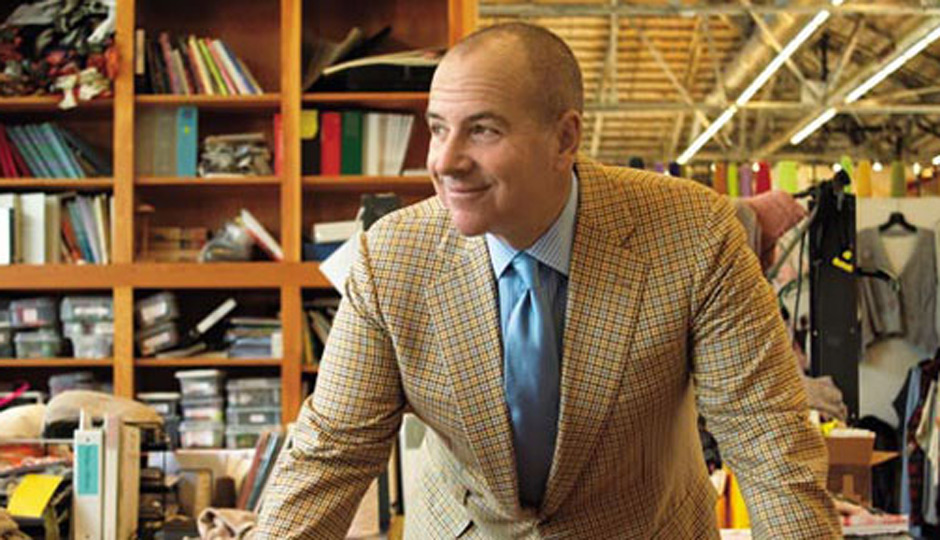
Richard Hayne remains the Chairman and CEO of URBN. His influence on the brand’s identity cannot be overstated. Hayne’s philosophy has always centered on “experiential retail.” He famously resisted the cookie-cutter approach of traditional mall retailers, insisting that each Urban Outfitters store feel unique to its location. This commitment to localized, aesthetic-driven commerce allowed the brand to maintain an “indie” credibility even as it scaled into a massive corporate entity.
Public Ownership and Institutional Influence
As a publicly traded company, the “owners” of Urban Outfitters are technically its shareholders. This includes a mix of individual investors and massive institutional investment firms like Vanguard, BlackRock, and State Street Corporation. However, the Hayne family maintains a significant portion of the company’s stock, ensuring that the original entrepreneurial spirit remains at the core of the brand’s strategic decisions. This balance between public accountability and founder-led vision is a hallmark of the URBN corporate identity.
A House of Specialized Brands: The Strategic Pillars of URBN
One of the most impressive aspects of URBN’s brand strategy is its ability to own multiple labels that seemingly compete for the same dollar but actually serve distinct psychographic profiles. Urban Outfitters is just one piece of a larger ecosystem that includes Anthropologie, Free People, Terrain, and Nuuly.
Urban Outfitters: The Edgy Youth Specialist
The namesake brand remains the flagship for the younger demographic. Its brand identity is built on a mix of irony, nostalgia, and trend-setting. By blending high-fashion collaborations with vintage-inspired “UO Renewal” pieces and a heavy emphasis on home décor and analog technology (like vinyl records and Polaroid cameras), Urban Outfitters positions itself as a curator of cool rather than just a clothing store. Its ownership of this niche is secured by a constant rotation of “exclusive” items that make the consumer feel they are participating in a curated subculture.
Anthropologie: The Refined Creative
In 1992, URBN launched Anthropologie to follow its core customer as they aged out of the Urban Outfitters demographic. Anthropologie targets a more affluent, professional woman who values art, travel, and a bohemian-chic lifestyle. The brand identity here is softer, more tactile, and focused on “the art of living.” By owning both the “edgy student” and the “sophisticated creative” segments, URBN ensures a lifelong relationship with its customers, capturing their spending power at different life stages.
Free People: The Bohemian Spirit
Free People serves a very specific niche: the “modern bohemian.” While Urban Outfitters is urban and edgy, Free People is ethereal and festival-ready. This brand focuses heavily on feminine silhouettes, intricate lace, and a lifestyle centered around wellness and creativity. Interestingly, Free People also operates a massive wholesale business, selling to thousands of specialty boutiques and department stores worldwide, which provides URBN with a different revenue stream and brand footprint than its retail-heavy siblings.
Brand Strategy and the Lifestyle Ecosystem

The success of the URBN portfolio lies in its transition from a clothing retailer to a “lifestyle curator.” Ownership of the brand isn’t just about controlling the supply chain; it’s about controlling the narrative of the consumer’s life.
Experiential Retail as a Competitive Advantage
In an era where e-commerce has decimated traditional brick-and-mortar retail, URBN’s brands have thrived by making their physical stores “destinations.” Each store is designed by an in-house team of artists and display coordinators. No two stores are exactly alike. This strategy turns shopping into a discovery process. When a customer enters an Urban Outfitters or an Anthropologie, they aren’t just looking for a shirt; they are looking for inspiration for their apartment, their playlist, and their personal identity.
Cross-Brand Synergy
While the brands operate with significant autonomy, they benefit from the shared infrastructure of URBN Inc. This includes shared logistics, digital platforms, and data analytics. However, the brand strategy is careful to keep the “front-end” identities separate. You will rarely see an Urban Outfitters advertisement mention Anthropologie. This separation allows each brand to maintain its specific cultural capital without being diluted by the parent company’s corporate scale.
Nuuly: The Modern Pivot to Sustainability
Recognizing the shift in consumer behavior toward the circular economy, URBN launched Nuuly in 2019. Nuuly is a subscription-based clothing rental service that features items from across the URBN portfolio, as well as hundreds of outside brands. By owning a rental platform, URBN has successfully integrated “ownership” with “access.” This strategic move targets the Gen Z and Millennial desire for variety and sustainability, ensuring that URBN stays relevant in a world where fast fashion is increasingly scrutinized.
Ownership Structure and Market Influence
The corporate structure of URBN is designed to protect its brands from the volatility of the fashion cycle. By diversifying its portfolio, the parent company can withstand a slump in one brand if another is overperforming.
The Financial Engine of URBN
Financially, URBN operates with a high degree of transparency as a public entity. Its annual reports detail a company that is highly focused on digital growth. While the “vibe” of the brands is laid-back and artistic, the management of the brands is data-driven and rigorous. The ownership team consistently reinvests in technology to enhance the “omni-channel” experience, ensuring that the transition from a social media ad to an in-app purchase to an in-store pickup is seamless.
Global Expansion and Localization
Ownership of Urban Outfitters also extends into international markets, including the UK, Europe, and parts of the Middle East. The brand strategy for international expansion is not a “one size fits all” model. URBN adjusts its product mix and store designs to reflect the cultural nuances of each territory. This localized approach to global ownership has allowed the brand to avoid the pitfalls of other American retailers who failed to adapt when moving overseas.
The Future of the URBN Identity in a Digital World
As we look at who owns and directs Urban Outfitters today, the focus is clearly on the future of digital community building. The brand is no longer just competing with other stores; it is competing for attention in a digital landscape dominated by social media and influencers.
The Influencer and Community Strategy
URBN has mastered the art of “community-based marketing.” By leveraging micro-influencers and creating highly shareable “Instagrammable” moments in their stores, the brand effectively turns its customers into its marketing department. The ownership of the brand’s narrative has shifted from top-down corporate messaging to a collaborative, bottom-up conversation with the consumer.
Sustainability and Ethical Branding
The next frontier for the ownership of Urban Outfitters involves navigating the complex world of ethical manufacturing and sustainability. As the parent company, URBN has faced pressure to be more transparent about its supply chain. The brand’s response—investing in rental models like Nuuly and expanding its “Renewal” vintage lines—shows a strategic shift toward a more responsible brand identity. This is not just a moral choice but a business necessity, as their core demographic increasingly votes with their wallets for brands that align with their values.
Conclusion: The Enduring Power of the URBN Portfolio
“Who owns Urban Outfitters” is a question with a multi-layered answer. On paper, it is a public company owned by global investors and led by its visionary founder. In practice, the brand is owned by its culture—a meticulously crafted ecosystem of aesthetics, lifestyles, and consumer experiences.
Through URBN Inc., Richard Hayne and his team have built a corporate identity that functions like a gallery of distinct artistic visions. By allowing Urban Outfitters, Anthropologie, and Free People to maintain their unique voices while sharing a powerful corporate backbone, URBN has created a blueprint for modern brand management. As the retail landscape continues to shift, the ownership of Urban Outfitters remains committed to the idea that commerce should be an art form, a philosophy that has kept the company at the forefront of the global lifestyle market for over half a century.
aViewFromTheCave is a participant in the Amazon Services LLC Associates Program, an affiliate advertising program designed to provide a means for sites to earn advertising fees by advertising and linking to Amazon.com. Amazon, the Amazon logo, AmazonSupply, and the AmazonSupply logo are trademarks of Amazon.com, Inc. or its affiliates. As an Amazon Associate we earn affiliate commissions from qualifying purchases.