
Gatlinburg, Tennessee, is often discussed in the context of family vacations, honeymoon retreats, and gateway access to the Great Smoky Mountains National Park. However, for the sophisticated investor, the question of “what is there to do in Gatlinburg” yields a far more lucrative answer: the deployment of capital into one of the most resilient short-term rental (STR) markets in the United States.
The economic landscape of Gatlinburg is defined by a rare combination of high demand, limited inventory due to geographical constraints, and a year-round tourism cycle. Understanding what to do in this region requires shifting the lens from tourism to asset management and financial growth. This guide explores the strategic financial opportunities within the Gatlinburg market, analyzing why this mountain town remains a premier destination for building long-term wealth.

The Economic Moat of the Great Smoky Mountains
To understand the financial viability of Gatlinburg, one must first look at the underlying drivers of its economy. Unlike many seasonal beach towns, Gatlinburg benefits from an “economic moat” built on the back of the most visited national park in the country. This consistent influx of visitors creates a stable environment for personal finance growth and institutional investment.
Natural Scarcity and Geographic Constraints
From a real estate perspective, Gatlinburg is physically limited. Surrounded by national park land and steep topography, the amount of buildable land is finite. In economic terms, this creates a supply-side constraint that naturally pushes property values upward over the long term. Investors “doing” business in Gatlinburg are not just buying a cabin; they are purchasing a stake in a limited geographical footprint. This scarcity protects against the over-saturation common in flatter, less regulated markets.
The Year-Round Tourism Revenue Cycle
The primary financial draw of Gatlinburg is its lack of a true “off-season.” While January and February may see a slight dip in occupancy, the region benefits from distinct revenue peaks:
-
Summer: Family vacations and outdoor enthusiasts.
-
Fall: Peak foliage attracts millions of high-spending visitors.
-
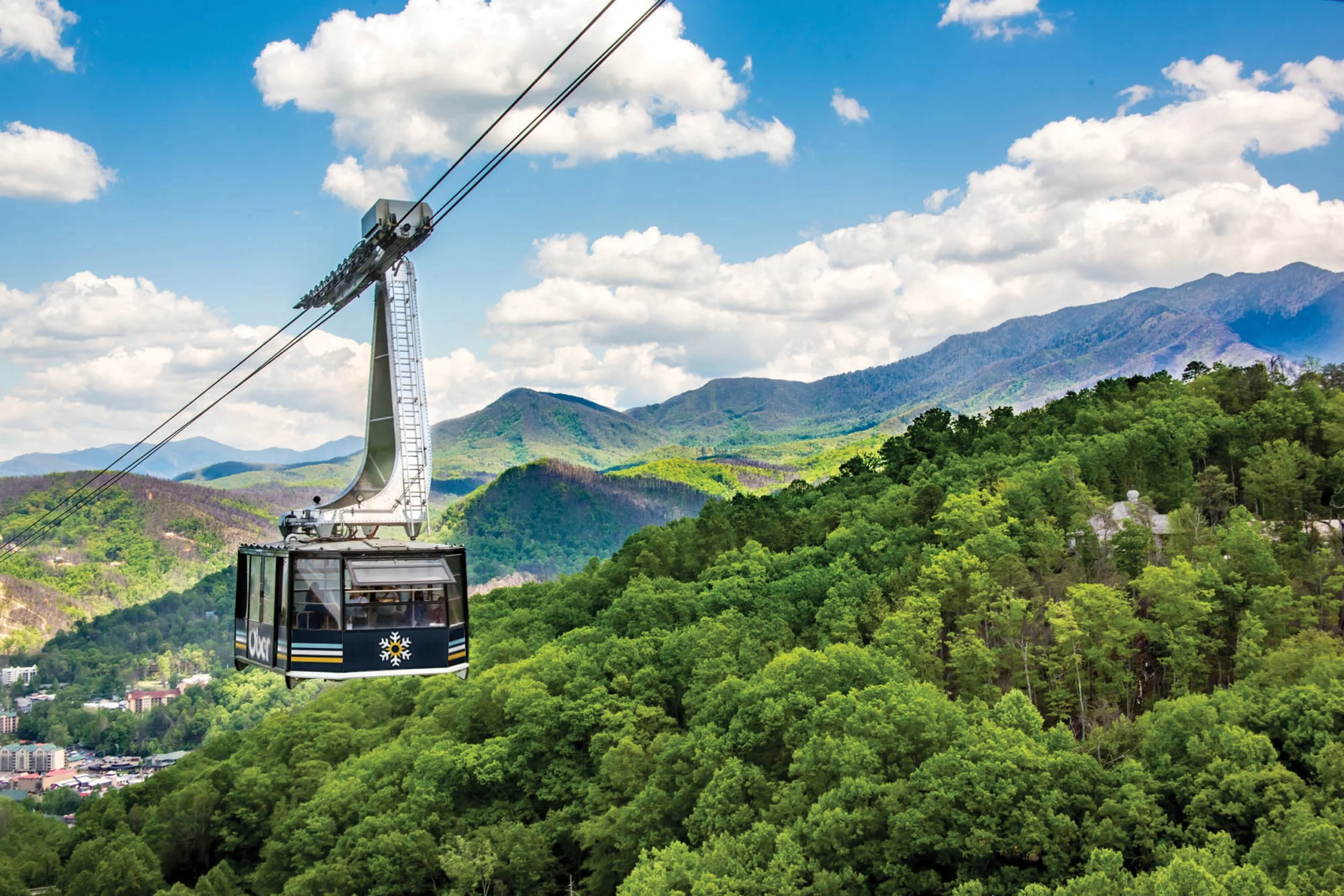
Winter: The “Winterfest” season and proximity to Ober Mountain for skiing keep occupancy rates high through the holidays.
-
Spring: Rod runs and wildflower pilgrimages ensure a steady stream of income.
For the investor, this means consistent cash flow that can be leveraged to service debt or reinvest into a growing portfolio.
Analyzing the Short-Term Rental (STR) Market
When evaluating what to do in Gatlinburg from a money-making perspective, the Short-Term Rental market is the undisputed leader. Gatlinburg is frequently ranked by data providers like AirDNA as a top market for investability, based on the ratio of home prices to potential rental income.
Performance Metrics and Cap Rates
High-performing properties in Gatlinburg can achieve gross rental yields that far exceed national averages. It is not uncommon for well-located, amenity-rich cabins to see gross revenues representing 15% to 25% of the purchase price. However, achieving these numbers requires a professional approach to management and a deep understanding of local market trends.
Investors must look beyond the “sticker price” and calculate the capitalization (cap) rate. In the current interest rate environment, maintaining a healthy spread between the cost of capital and the cap rate is essential. Gatlinburg’s market strength lies in its ability to support higher ADRs (Average Daily Rates) during peak periods, which buffers against fluctuations in the broader economy.
The “Amenity War” and Revenue Optimization
In the Gatlinburg STR market, the most successful investors understand that they are in the hospitality business, not just the real estate business. “Doing” Gatlinburg the right way financially means investing in the specific amenities that drive higher search rankings and nightly rates.
-
Indoor Pools: Properties with indoor pools often command a 30% to 50% premium in rental income compared to similar-sized cabins without them.
-
Theater Rooms and Arcades: These features increase “stayability,” making the property attractive regardless of weather conditions.
-
Unobstructed Views: A view of Mt. LeConte is a tangible asset that adds a permanent premium to the property’s valuation and resale potential.
Financial Structures for Vacation Rental Success
Navigating the financial side of Gatlinburg requires a sophisticated approach to debt and tax planning. Leveraging the right financial tools can significantly amplify the return on equity (ROE).

Financing with DSCR Loans
Many investors in the Smoky Mountains utilize Debt Service Coverage Ratio (DSCR) loans. Unlike traditional mortgages that rely on personal income and debt-to-income (DTI) ratios, DSCR loans are qualified based on the projected income of the property itself. This allows investors to scale their portfolios more rapidly, as their personal credit capacity is not the primary bottleneck. In a high-demand market like Gatlinburg, properties often “cover” the debt service comfortably, making this a favored tool for expansion.
Tax Advantages and the “STR Loophole”
From a tax perspective, Gatlinburg real estate offers significant advantages. Investors can utilize accelerated depreciation and cost segregation studies to front-load tax deductions. By breaking down the components of a cabin—such as the roof, flooring, and specialized amenities—investors can write off a large portion of the property value in the first few years of ownership.
Furthermore, the “Short-Term Rental Loophole” (under Section 469 of the tax code) allows some investors to treat rental losses as active rather than passive income, provided they meet specific participation requirements. This can result in substantial offsets against other forms of high-income earnings, effectively “paying for” the investment through tax savings.
Risks and Mitigation in the Smoky Mountains Market
No professional financial analysis is complete without a discussion of risk. While Gatlinburg offers high rewards, it also presents unique challenges that require a proactive mitigation strategy.
Regulatory and Zoning Shifts
As “what to do in Gatlinburg” becomes increasingly synonymous with STR investment, local governments have tightened regulations. Sevier County and the City of Gatlinburg have specific permitting requirements, fire safety codes, and lodging taxes. Investors must factor in the 12% to 13% total occupancy tax and ensure their properties are fully compliant to avoid heavy fines or shutdowns.
Maintenance and Operational Expenses
The rugged terrain of the Smokies takes a toll on physical assets. High humidity, steep driveways, and frequent visitor turnover lead to higher-than-average maintenance costs. A professional investor should budget between 15% and 25% of gross revenue for management fees and another 10% for ongoing maintenance and capital expenditures (CapEx). Neglecting the physical asset in this competitive market leads to a rapid decline in reviews and, consequently, revenue.
Market Saturation and Professionalism
As more institutional capital enters the Gatlinburg market, the “mom-and-pop” era of cabin management is fading. Professionalism in dynamic pricing, professional photography, and 24/7 guest communication is now a requirement rather than an option. To remain profitable, investors must use AI-driven pricing tools (like PriceLabs or Wheelhouse) to ensure they are maximizing revenue during high-demand events while maintaining occupancy during the lulls.
Diversification Strategies: Beyond the Cabin
While cabins are the primary vehicle for investment in Gatlinburg, the region offers other avenues for capital deployment that complement the tourism ecosystem.
Commercial Real Estate and Retail
The Parkway in Gatlinburg is one of the most valuable stretches of commercial real estate in the Southeast. For high-net-worth individuals or syndicates, the “thing to do” is to acquire or develop retail and entertainment spaces. The foot traffic in downtown Gatlinburg is staggering, providing a robust customer base for food and beverage outlets, unique retail experiences, and boutique attractions.
Land Development and Infrastructure
For those with a longer time horizon, land banking and development remain viable. As the “glamping” trend continues to rise, converting raw land into luxury tent sites or “tiny home” communities represents a high-margin alternative to traditional cabin builds. These projects often require less initial capital for vertical construction but can yield impressive returns due to the lower overhead and high demand for “unique stays.”
Ancillary Service Businesses
Investors can also look at the “picks and shovels” of the Gatlinburg economy. Starting or investing in cleaning companies, hot tub maintenance services, or property management firms allows for a play on the market’s growth without the direct exposure of real estate ownership. These businesses provide essential services to the thousands of STRs in the area and often see high margins and recurring revenue.
Conclusion: The Strategic Path Forward
What is there to do in Gatlinburg, TN? For the person focused on money, finance, and wealth building, the answer is clear: participate in a high-velocity, high-demand economic engine. Whether through the acquisition of luxury short-term rentals, the utilization of sophisticated tax and financing strategies, or the development of commercial assets, Gatlinburg offers a fertile ground for capital appreciation and cash flow.
Success in this market is not guaranteed by the mere act of buying property; it is earned through rigorous financial analysis, operational excellence, and a deep understanding of the unique dynamics of the Smoky Mountain region. By treating Gatlinburg as a strategic business environment rather than just a vacation destination, investors can unlock significant financial value and build a portfolio that thrives on the enduring appeal of the Great Smoky Mountains.
aViewFromTheCave is a participant in the Amazon Services LLC Associates Program, an affiliate advertising program designed to provide a means for sites to earn advertising fees by advertising and linking to Amazon.com. Amazon, the Amazon logo, AmazonSupply, and the AmazonSupply logo are trademarks of Amazon.com, Inc. or its affiliates. As an Amazon Associate we earn affiliate commissions from qualifying purchases.