
Orlando, Florida, is globally recognized as the “Theme Park Capital of the World,” a title that carries significant weight in the global tourism economy. However, for the discerning visitor, the seasoned investor, or the professional traveler, the astronomical costs associated with major resorts—ranging from surging ticket prices to premium-tier lodging—often yield a diminishing return on investment (ROI). As ticket prices for premier parks have outpaced standard inflation by more than double over the last decade, the question of what to do in Orlando besides theme parks is no longer just a matter of leisure preference; it is a matter of financial strategy.
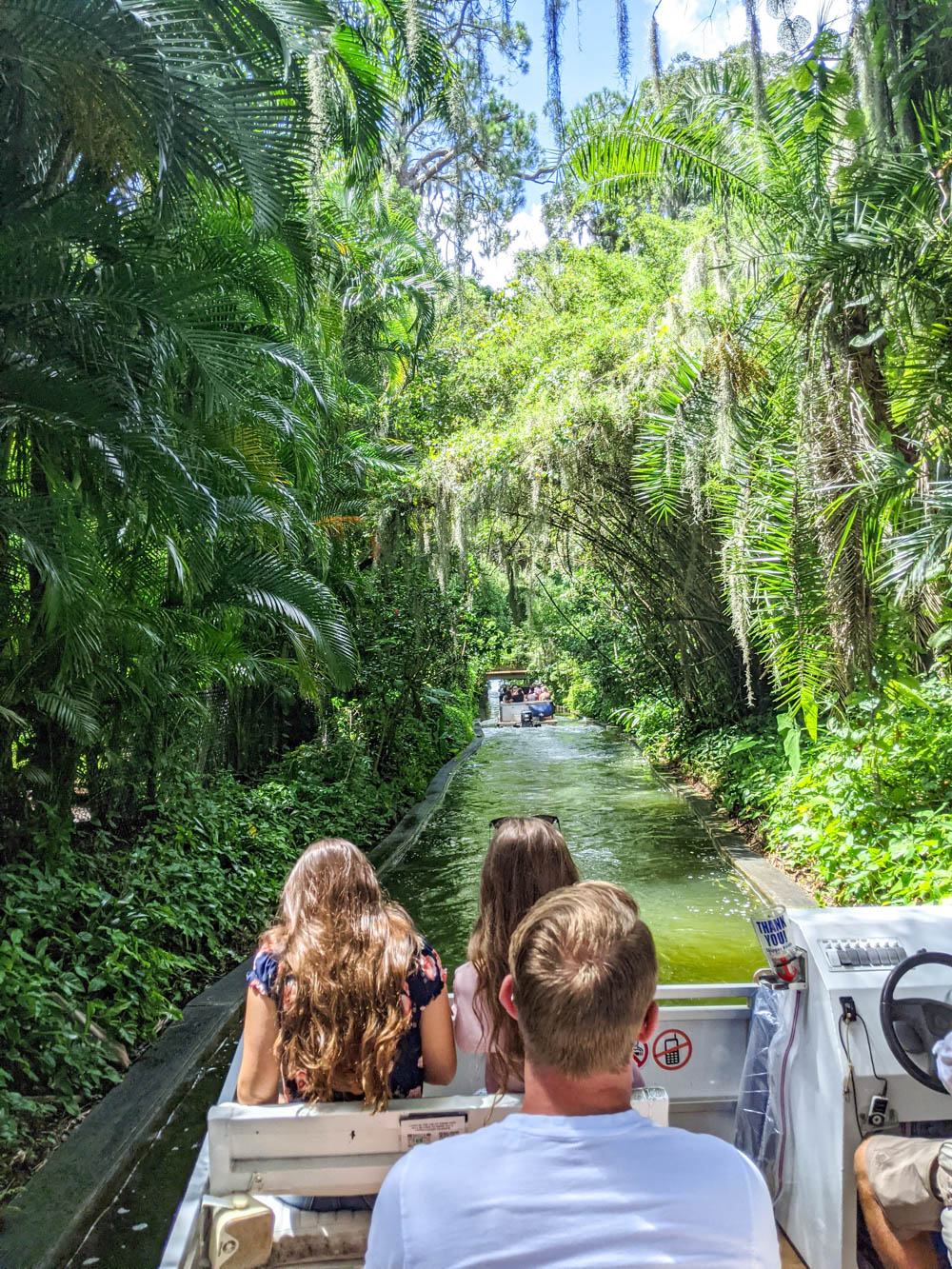
Shifting focus away from the “Tourist Bubble” allows visitors and residents alike to engage with Orlando’s true economic drivers. Beyond the gates of the major resorts lies a sophisticated landscape of high-growth real estate, burgeoning tech hubs, and low-cost, high-value cultural experiences. By diversifying your itinerary, you can maximize your capital, explore high-yield investment opportunities, and enjoy a side of Central Florida that is as fiscally responsible as it is culturally enriching.
The Economic Logic of Non-Theme Park Leisure: Maximizing Your Vacation ROI
The financial burden of a theme park-centric vacation is quantifiable. When you factor in parking, food service markups, and “Lightning Lane” upcharges, a family of four can easily exceed $1,000 per day. From a personal finance perspective, this represents a significant outflow of capital with no tangible equity or long-term value. By exploring the city’s alternative offerings, you are effectively practicing a form of “leisure arbitrage”—accessing high-quality experiences at a fraction of the market rate.
Analyzing the Opportunity Cost of Major Resorts
Every hour spent in a three-hour queue for a ride is an hour of lost opportunity. For professionals and entrepreneurs, time is the ultimate currency. Orlando’s non-theme park activities offer a higher density of experience per hour. For instance, a visit to the Harry P. Leu Gardens or a morning spent kayaking the Shingle Creek headwaters provides physiological benefits and mental clarity—essential components of “human capital” maintenance—without the high-stress environment of crowded plazas.
Furthermore, the “Value-per-Dollar” (VPD) ratio of local attractions often dwarfs that of the major parks. While a Disney World ticket may cost $160 for a single day, an annual pass to the Orlando Museum of Art or the Mennello Museum of Folk Art can often be acquired for less than $70, offering year-round access and invitations to networking events that can lead to professional connections.
The “Local-First” Financial Strategy
Adopting a “local-first” mindset allows travelers to tap into the regional economy without the “tourist tax.” This involves frequenting districts like Winter Park, Thornton Park, and the Milk District. These areas operate on a standard market economy rather than the inflated pricing models of the tourist corridors. By dining at locally-owned establishments in Winter Park’s Park Avenue district, visitors support small business growth while enjoying high-end culinary experiences that are priced for residents, not captive audiences. This strategy significantly reduces discretionary spending while increasing the quality of goods and services received.
Diversifying Your Portfolio: Orlando’s Emerging Real Estate and Business Landscape
For many, a trip to Orlando is a reconnaissance mission for future investment. The city is currently one of the fastest-growing metropolitan areas in the United States, driven by a diversified economy that extends far beyond hospitality. Understanding what to do in Orlando “besides the parks” often means touring the neighborhoods that are currently seeing the highest rates of appreciation and commercial development.
Downtown and Lake Nona: The Innovation Districts
If you are looking for where the “new money” in Orlando is being generated, look no further than Lake Nona. Known as a “Neo-Urbanist” community, Lake Nona is a 17-square-mile integrated master-designed community. It is home to “Medical City,” a life sciences cluster that includes the University of Central Florida Health Sciences Campus, the VA Medical Center, and the Nemours Children’s Hospital.
For the financially minded visitor, a tour of Lake Nona offers a glimpse into the future of autonomous shuttles, smart-home integration, and performance-driven wellness. This is not just sightseeing; it is market research. Observing the density of high-paying jobs in these sectors provides a clear indicator of the region’s long-term economic stability and its resistance to tourism-based market volatility.
Investing in Short-Term Rentals Outside the “Tourist Bubble”
The short-term rental (STR) market in Orlando is a behemoth, but savvy investors are looking toward neighborhoods that offer “lifestyle” proximity rather than just “gate” proximity. Areas like Downtown Orlando, College Park, and Winter Garden are seeing increased demand for corporate housing and mid-term rentals.
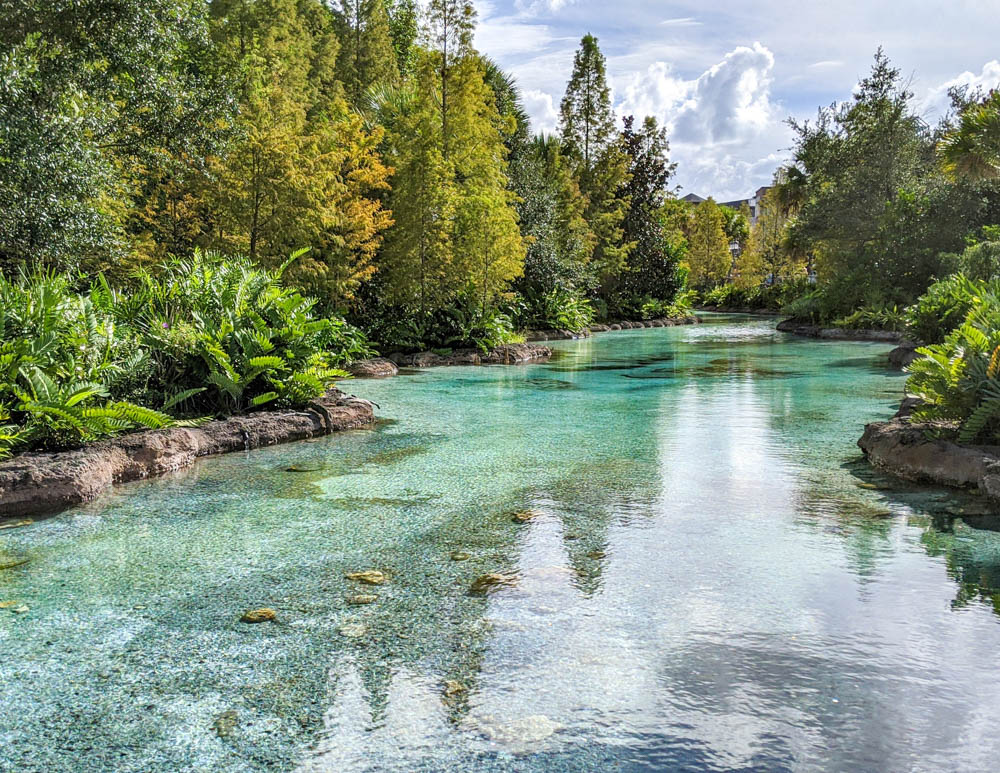
Spending a day touring these historic districts allows a potential investor to gauge the viability of “walkable” real estate. These neighborhoods maintain their value through high-quality school districts and local amenities, making them safer bets for long-term equity growth compared to the hyper-specific vacation home communities that rely entirely on the proximity of theme parks.
High-Value, Low-Cost Alternatives: Exploring the Natural and Cultural Capital
One of the most effective ways to preserve capital while enjoying Orlando is to leverage the region’s natural geography. Florida’s “Natural Capital”—its springs, lakes, and parks—offers recreational value that is virtually unmatched in the southeastern United States.
The Financial Benefits of Ecotourism in Central Florida
Ecotourism is one of the most cost-effective ways to experience Orlando. Within an hour’s drive of the city center are some of the world’s largest concentrations of freshwater springs. Blue Spring State Park and Wekiwa Springs State Park offer entry for a nominal vehicle fee (usually under $10).
From a wealth-management perspective, these excursions represent a massive savings compared to a water park visit. A day at a spring provides the same cooling benefits and recreational opportunities as a commercial water park but at a 95% discount. For those interested in the “Side Hustle” economy, the thriving guide and rental industry surrounding these springs demonstrates how local entrepreneurs have turned natural assets into sustainable revenue streams.
Leveraging Cultural Assets: Museums and the Arts as Value Plays
Orlando’s cultural scene is a hidden gem for those who prioritize intellectual growth. The Dr. Phillips Center for the Performing Arts is a world-class venue that anchors the downtown economy. Attending a Broadway show or a philharmonic performance here offers a sophisticated alternative to the choreographed street shows of the theme parks.
Furthermore, the Rollins College campus in Winter Park houses the Rollins Museum of Art, which is free to the public. Engaging with these institutions allows a visitor to understand the philanthropic landscape of the city. High-net-worth individuals and corporate donors heavily support these institutions, making them excellent locations for high-level networking and understanding the social fabric of Orlando’s elite.
Networking and Professional Growth: Orlando’s Hidden Business Ecosystem
Orlando is a global hub for modeling, simulation, and training (MS&T), as well as aerospace and defense. This professional infrastructure offers significant opportunities for those who know where to look.
Co-working Spaces and Startup Hubs
If you are in Orlando on a business trip or as a digital nomad, the city’s co-working ecosystem is a testament to its economic diversification. Spaces like Venture X, GuideWell Innovation Center, and various downtown hubs provide fertile ground for networking with tech entrepreneurs and venture capitalists.
Spending a workday in these environments rather than a hotel lobby can lead to significant professional “alpha.” You are likely to encounter professionals in the defense industry (due to the proximity of the Naval Air Warfare Center Training Systems Division) or the booming aerospace sector driven by the nearby Space Coast. These interactions provide insights into industry trends that are rarely discussed in the context of Orlando’s tourism identity.

The ROI of Industry-Specific Meetups Beyond the Convention Center
While the Orange County Convention Center (OCCC) is the second-largest in the U.S., much of the real business in Orlando happens in the peripheral meetups and industry-specific events. By checking local business registries and platforms like LinkedIn or Meetup for Orlando-based tech and finance groups, a visitor can find high-value networking opportunities.
These gatherings are often hosted in local breweries or innovation centers and offer a direct line to the city’s decision-makers. The cost of attendance is usually minimal—often just the price of a beverage—but the potential for lead generation and professional expansion is immense. This is a prime example of leveraging your presence in a city to create long-term financial upside.
In conclusion, Orlando is a city of layers. While the theme parks provide a robust foundation for the regional economy, they represent only the most visible—and most expensive—layer of the city. By strategically navigating the “other” Orlando, you can optimize your spending, identify lucrative investment opportunities in real estate and tech, and enjoy a high-quality lifestyle that respects your bottom line. Whether it is the natural capital of the Florida springs or the intellectual capital of Lake Nona, the true value of Orlando lies in the diverse, thriving metropolis that exists beyond the turnstiles.
aViewFromTheCave is a participant in the Amazon Services LLC Associates Program, an affiliate advertising program designed to provide a means for sites to earn advertising fees by advertising and linking to Amazon.com. Amazon, the Amazon logo, AmazonSupply, and the AmazonSupply logo are trademarks of Amazon.com, Inc. or its affiliates. As an Amazon Associate we earn affiliate commissions from qualifying purchases.