
Submitting taxes is often viewed as a seasonal chore, a complex bureaucratic requirement that stands between an individual and their peace of mind. However, in the realm of personal finance and business management, tax submission is a critical lever for financial health. Understanding how to submit tax correctly—and strategically—can mean the difference between a significant financial loss and a well-optimized portfolio. As the financial landscape becomes increasingly digitized, the methods and tools available for tax submission have evolved, offering taxpayers more control over their fiscal destiny.
Understanding the Tax Submission Ecosystem
Before diving into the mechanical steps of filing, one must understand the structural framework of the tax system. Tax submission is not merely about filling out forms; it is the final accounting of your annual economic activity. This process determines your effective tax rate, your eligibility for government incentives, and your standing with national and local revenue services.
Determining Your Filing Status
Your filing status is the foundational element of your tax return. It determines your standard deduction, your tax brackets, and your eligibility for certain credits. From a financial planning perspective, choosing the correct status is the first step in liability management. The five common statuses—Single, Married Filing Jointly, Married Filing Separately, Head of Household, and Qualifying Surviving Spouse—each carry distinct financial implications. For instance, the “Head of Household” status often provides more favorable tax brackets and a higher standard deduction than filing as “Single,” but it requires strict adherence to dependency and household maintenance rules.
The Importance of Accurate Record-Keeping
In the world of money management, data is king. The submission process begins long before the filing deadline. It starts with the meticulous collection of financial data throughout the fiscal year. Professional finance involves tracking every stream of income, whether it originates from a traditional W-2 salary, 1099-NEC freelance contracts, dividend-yielding stocks, or rental properties. For those involved in side hustles or small business ventures, maintaining a clear separation between personal and business expenses is paramount. Utilizing financial tools like digital ledgers or cloud-based accounting software ensures that when it comes time to submit, the “Money” niche of your life is organized and verifiable.
Navigating the Submission Process: Step-by-Step
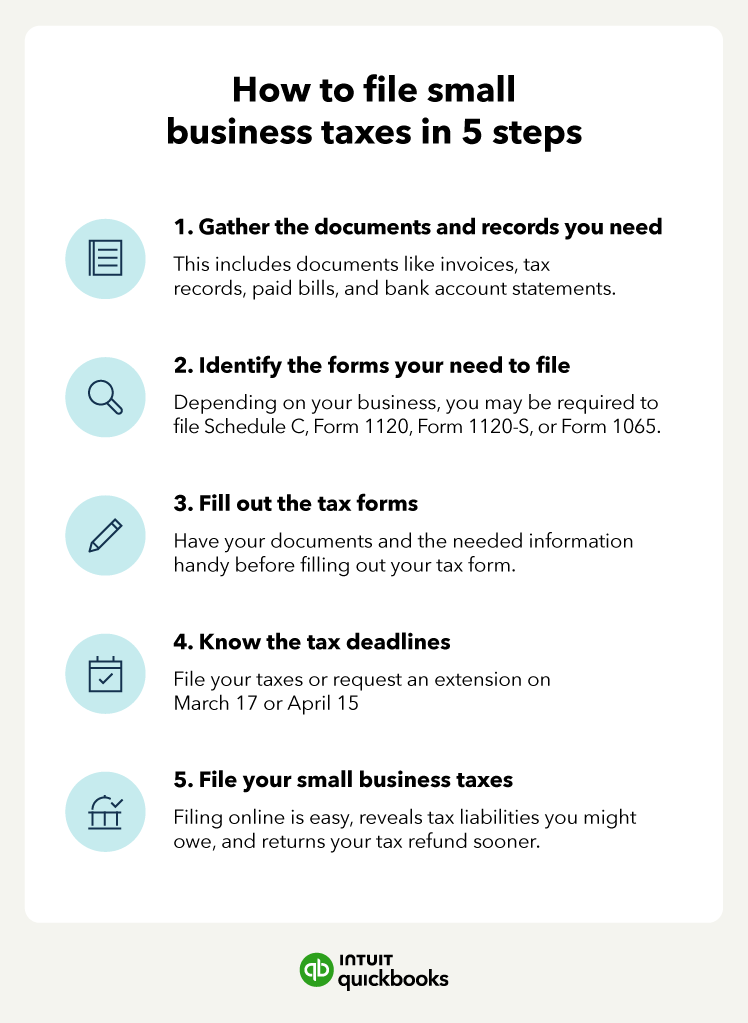
The actual submission of a tax return is the culmination of financial preparation. While the process can vary slightly depending on your jurisdiction, the core methodology remains consistent across modern financial systems.
Gathering Necessary Documentation
To submit an accurate return, you must compile an exhaustive list of financial statements. This includes:
-
Income Statements: W-2s for employees, 1099s for independent contractors, and 1099-INT/DIV for interest and dividends.
-
Adjustment Records: Documentation for student loan interest, HSA contributions, and IRA contributions which can lower your Adjusted Gross Income (AGI).
-
Deduction Proof: Receipts for charitable donations, records of mortgage interest (Form 1098), and medical expense tallies if they exceed specific thresholds of your AGI.
By categorizing these documents early, you reduce the risk of “tax-time friction,” allowing for a smoother interface with filing software or professional consultants.
Choosing Between Manual and Electronic Filing
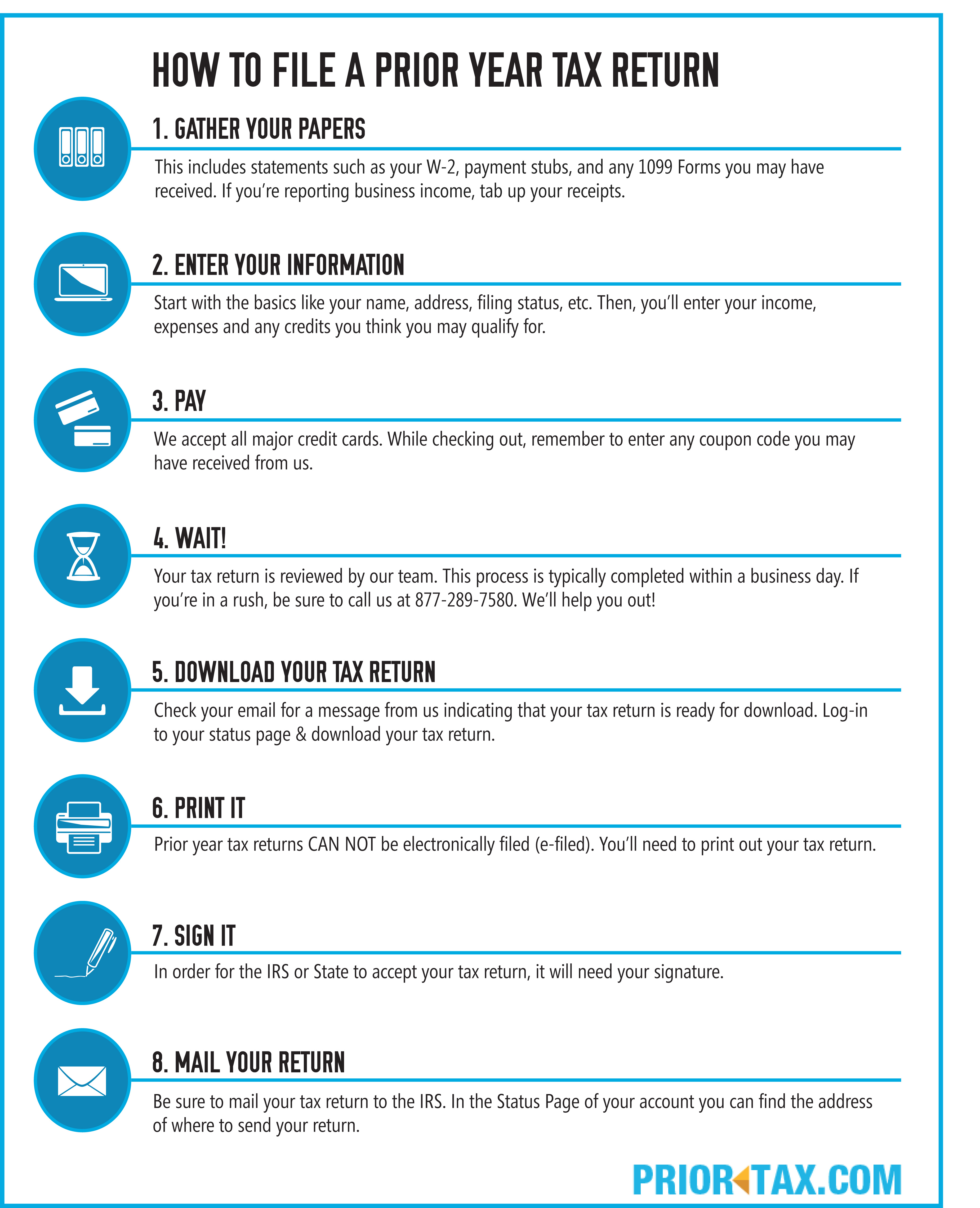
The “How” of tax submission has shifted dramatically toward electronic filing (e-filing). From a financial efficiency standpoint, e-filing is superior to paper filing for several reasons. First, it offers a much faster processing time, which is crucial if you are expecting a refund that you intend to reinvest or use for debt retirement. Second, e-filing software includes built-in error checking, reducing the likelihood of a mathematical mistake that could trigger an audit or a delayed return. For those whose income falls below certain thresholds, programs like the IRS Free File offer high-quality financial tools at no cost, democratizing access to professional-grade filing resources.
Maximizing Deductions and Credits to Improve Your Financial Position
The most impactful part of submitting taxes is the optimization of deductions and credits. This is where tax filing transforms from a clerical task into a strategic financial maneuver.

Standard vs. Itemized Deductions
Every taxpayer must decide whether to take the standard deduction or to itemize. The standard deduction is a flat amount that reduces your taxable income, simplified for ease of use. However, if your specific expenses—such as high state and local taxes (SALT), significant mortgage interest, or large charitable contributions—exceed the standard deduction amount, itemizing becomes the more profitable choice. Analyzing this choice is a core component of personal finance, as it directly impacts your bottom line.
Tax Credits: Dollar-for-Dollar Reductions
While deductions lower the amount of income you are taxed on, credits are even more powerful because they provide a dollar-for-dollar reduction in the actual tax you owe. Understanding the nuances of the Earned Income Tax Credit (EITC), the Child Tax Credit, and various education credits (like the American Opportunity Tax Credit) is essential. Furthermore, for the environmentally conscious investor, credits for energy-efficient home improvements or the purchase of electric vehicles represent a significant intersection between personal values and financial gain.
Leveraging Technology and Financial Tools for Accuracy
The modernization of finance has introduced a suite of tools designed to simplify tax submission. For the individual taxpayer, these tools act as a “digital CPA,” guiding them through complex tax codes with interview-style questions.
Software Solutions for Individual Taxpayers
Market-leading software provides a robust platform for submitting taxes. These tools are designed to import data directly from financial institutions, minimizing manual entry errors. They also provide “what-if” scenarios, allowing you to see how different financial decisions—such as contributing more to a 401(k) before the deadline—would affect your tax liability. This level of transparency is vital for anyone looking to master their personal finances.
Professional Assistance: When to Hire a CPA
Despite the power of software, certain financial situations necessitate the expertise of a Certified Public Accountant (CPA) or a tax attorney. If you own multiple businesses, hold complex international assets, or are dealing with intricate estate planning, the cost of professional advice is often an investment rather than an expense. A professional can provide insights into “Tax-Loss Harvesting” and other advanced strategies that generic software might overlook. In the broader context of business finance, a professional ensures that your submission is not only compliant but also optimized for long-term wealth preservation.
Post-Submission Strategies and Future Tax Planning
The process of submitting taxes does not end once the “send” button is clicked. A sophisticated approach to money involves post-submission analysis and proactive planning for the upcoming year.
Managing Refunds and Liabilities
If you receive a large refund, it is often a sign of an “interest-free loan” you have given to the government. From a financial growth perspective, it may be wiser to adjust your withholdings (via Form W-4) so that you receive more money in each paycheck, which can then be funneled into high-yield savings accounts or investment vehicles throughout the year. Conversely, if you owe a significant amount, you must plan for estimated tax payments in the following year to avoid underpayment penalties.
Year-Round Tax Planning for Long-Term Wealth
True financial mastery involves treating tax submission as a year-round activity. This includes:
-
Maximizing Retirement Contributions: Utilizing 401(k)s and IRAs to lower taxable income.
-
Health Savings Accounts (HSAs): Leveraging the triple-tax advantage (tax-deductible contributions, tax-free growth, and tax-free withdrawals for medical expenses).
-
Strategic Asset Location: Placing tax-inefficient investments (like high-turnover mutual funds) in tax-advantaged accounts while keeping tax-efficient investments (like index funds) in taxable brokerage accounts.
By integrating the “how to submit tax” into a broader financial strategy, you transform a yearly obligation into a powerful tool for capital accumulation and financial security. The goal is not just to file, but to file with the intent of maximizing every dollar within the legal framework of the financial system. Through the right combination of documentation, technology, and strategic planning, tax submission becomes a cornerstone of an individual’s financial success.
aViewFromTheCave is a participant in the Amazon Services LLC Associates Program, an affiliate advertising program designed to provide a means for sites to earn advertising fees by advertising and linking to Amazon.com. Amazon, the Amazon logo, AmazonSupply, and the AmazonSupply logo are trademarks of Amazon.com, Inc. or its affiliates. As an Amazon Associate we earn affiliate commissions from qualifying purchases.