
Taxation is often viewed through a lens of apprehension or seasonal stress, yet it remains one of the most critical pillars of personal finance and business management. Learning how to navigate the complexities of the tax code is more than a clerical skill; it is a strategic advantage that allows individuals to preserve wealth, optimize investment returns, and potentially launch a lucrative career or side hustle. Whether your goal is to manage your own filings with confidence or to provide professional services to others, mastering the art of taxation requires a structured approach that blends legal understanding, financial software proficiency, and strategic planning.

Building a Solid Foundation in Tax Literacy
The first step in learning to do taxes is moving beyond the simple data entry of a tax form and understanding the underlying logic of the tax system. For most, this begins with the distinction between taxable income and gross income. Understanding that the government does not tax every dollar you earn, but rather what remains after specific adjustments and exemptions, is the cornerstone of tax literacy.
Understanding Taxable Income and Adjustments
To truly learn taxes, you must become familiar with the “Adjusted Gross Income” (AGI) calculation. This is the figure upon which your actual tax liability is based. You should start by studying the various types of income—earned income from wages, passive income from rentals, and portfolio income from investments. Each is treated differently by the tax code.
Furthermore, “above-the-line” deductions, such as contributions to a traditional IRA or student loan interest payments, are vital because they reduce your AGI directly. Learning these nuances allows you to see the tax return as a mathematical puzzle where every piece affects the final outcome.
Deductions vs. Credits: Maximizing Recovery
A common hurdle for beginners is distinguishing between a tax deduction and a tax credit. A deduction reduces the amount of income subject to tax, whereas a credit is a dollar-for-dollar reduction of the actual tax owed.
To master this area, you must study the standard deduction versus itemized deductions (Schedule A). Learning when it is financially beneficial to itemize—considering factors like mortgage interest, state and local taxes (SALT), and significant medical expenses—is where true financial optimization begins. Additionally, researching refundable versus non-refundable credits, such as the Earned Income Tax Credit (EITC) or the Child Tax Credit, provides insight into how the tax code is used as a tool for social and economic policy.
Practical Resources for Self-Education
Once the conceptual framework is in place, the next stage involves hands-on learning through reputable resources. The tax code is voluminous, but you do not need to memorize it; you need to know how to research it.
Leveraging IRS Publications and VITA
The Internal Revenue Service (IRS) provides an exhaustive library of resources that serve as the primary source of truth for tax law. IRS Publication 17 (Your Federal Income Tax) is essentially the “taxpayer’s bible” and covers the general rules for individuals. Navigating these publications helps you develop the habit of citing official guidance rather than relying on third-party interpretations.
For those who prefer a more interactive learning environment, the Volunteer Income Tax Assistance (VITA) program is an invaluable resource. VITA offers free tax help to people who generally make $64,000 or less, persons with disabilities, and limited English-speaking taxpayers. By volunteering for VITA, you receive IRS-provided training and the opportunity to prepare real returns under the supervision of experienced practitioners. This “clinical” experience is often the fastest way to bridge the gap between theory and practice.
Professional Certification Paths
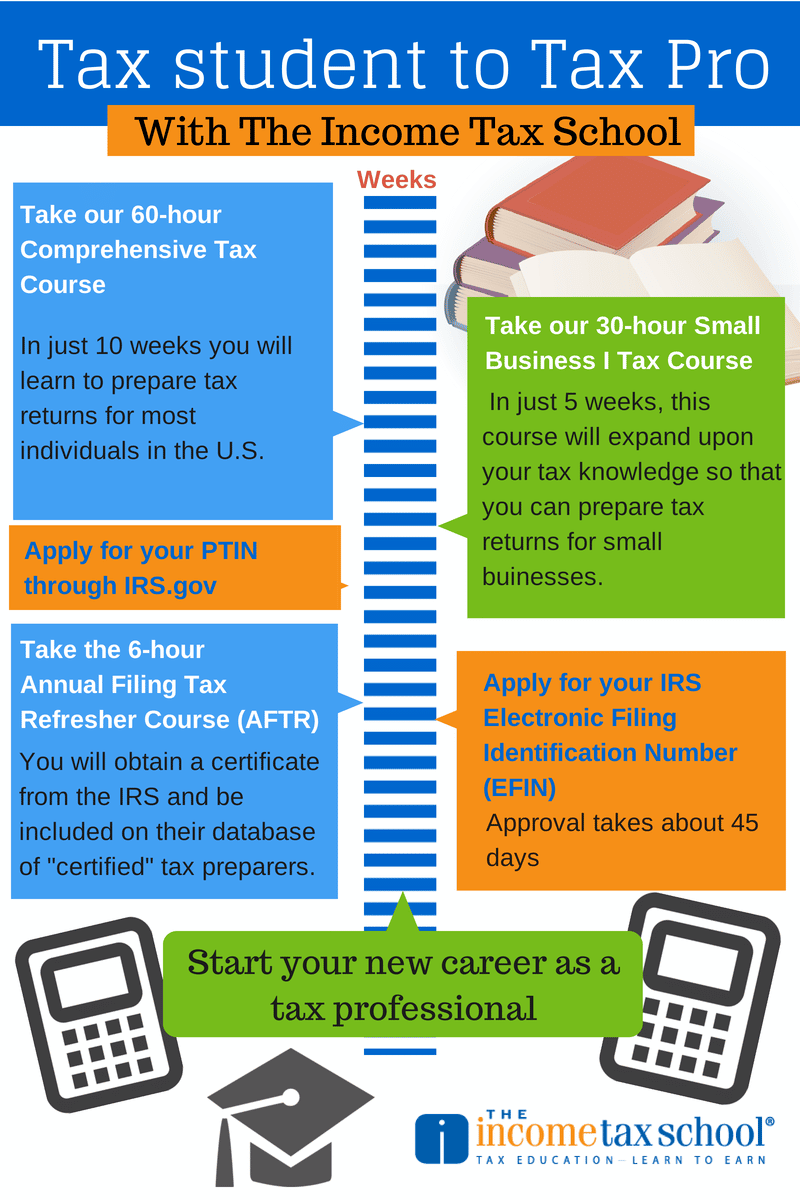
If your interest in learning taxes extends toward a career, pursuing professional credentials is the logical next step. You can begin by obtaining a Preparer Tax Identification Number (PTIN), which is required for anyone who prepares or assists in preparing federal tax returns for compensation.
For a more rigorous education, the Enrolled Agent (EA) status is the highest credential awarded by the IRS. To become an EA, candidates must pass a three-part comprehensive exam covering individual and business tax law or have significant experience as a former IRS employee. Unlike CPAs, who are licensed by states and have a broader focus on accounting and auditing, Enrolled Agents specialize specifically in taxation and have unlimited representation rights before the IRS.
Mastering Modern Tax Preparation Software
In the modern era, knowing “how to do taxes” is inextricably linked to knowing how to use tax preparation software. While the software automates the calculations, the quality of the output is entirely dependent on the quality of the input—a principle often referred to as “garbage in, garbage out.”
The Role of Automation and Accuracy
For personal use, software like TurboTax, H&R Block, or FreeTaxUSA uses an interview-style format to guide users. Learning these platforms is a great way for beginners to see how different financial life events (like buying a home or selling stock) trigger different tax forms.
However, to truly learn the mechanics, one should practice “shadowing” the software. This involves manually calculating a return on paper or in a spreadsheet and then comparing the results to the software’s output. This exercise reveals the logic the software uses to apply tax brackets, phase-outs, and limitations.
Transitioning to Professional-Grade Platforms
If you are looking to scale your knowledge into a business, you must transition to professional-grade software such as Intuit ProConnect, Drake Tax, or Wolters Kluwer’s CCH Axcess. These platforms allow for more complex data entry, such as depreciation schedules for business assets, multi-state filings, and K-1 distributions from partnerships.
Learning these tools requires a different mindset. Professional software is designed for speed and volume, requiring the user to have a deeper grasp of where data flows across various forms (e.g., how a Schedule C business loss flows to the Form 1040). Familiarity with these tools is a prerequisite for anyone looking to enter the professional tax space.
Scaling Knowledge into a Revenue Stream
Learning to do taxes opens doors to various income-generating opportunities. Because the tax code is mandatory and ever-changing, tax expertise is a recession-proof skill set.
Launching a Seasonal Side Hustle
The most immediate way to monetize tax knowledge is through seasonal tax preparation. Many independent preparers start by serving friends, family, and local small businesses. This can be a highly profitable side hustle, as the demand peaks sharply between January and April.
To succeed here, you must move beyond the forms and focus on the “client experience.” This includes learning how to conduct a thorough tax interview to ensure no deductions are missed and understanding the ethical requirements outlined in IRS Circular 230, which governs the practice of attorneys, CPAs, and Enrolled Agents.
Specializing in Niche Markets
As you become more comfortable with general tax prep, the most significant financial rewards come from specialization. The tax needs of a freelance “gig economy” worker are vastly different from those of a high-net-worth real estate investor.
By focusing on a niche—such as cryptocurrency taxation, foreign earned income exclusion, or small business S-corp elections—you can position yourself as a high-value consultant rather than a commodity tax preparer. Specialization allows you to charge premium fees because you are solving specific, complex problems that generalist software or high-volume tax shops might overlook.
The Shift from Compliance to Strategic Tax Planning
The final stage of learning taxes is the transition from “compliance” (filing what happened in the past) to “tax planning” (arranging future affairs to minimize liability). This is where the real money is made and saved.
Minimizing Long-term Liability
Strategic tax planning involves understanding the time value of money and the impact of different investment vehicles. For example, learning the nuances of “tax-loss harvesting” allows investors to use investment losses to offset capital gains, effectively lowering their tax bill.
Similarly, understanding the difference between tax-deferred growth (like a Traditional 401k) and tax-free growth (like a Roth IRA) is essential for long-term wealth building. A person who has mastered taxes doesn’t just look at April 15th; they look at their 30-year financial trajectory and identify ways to shift income into lower-tax years or more favorable tax treatments.
Year-Round Management and Proactive Adjustments
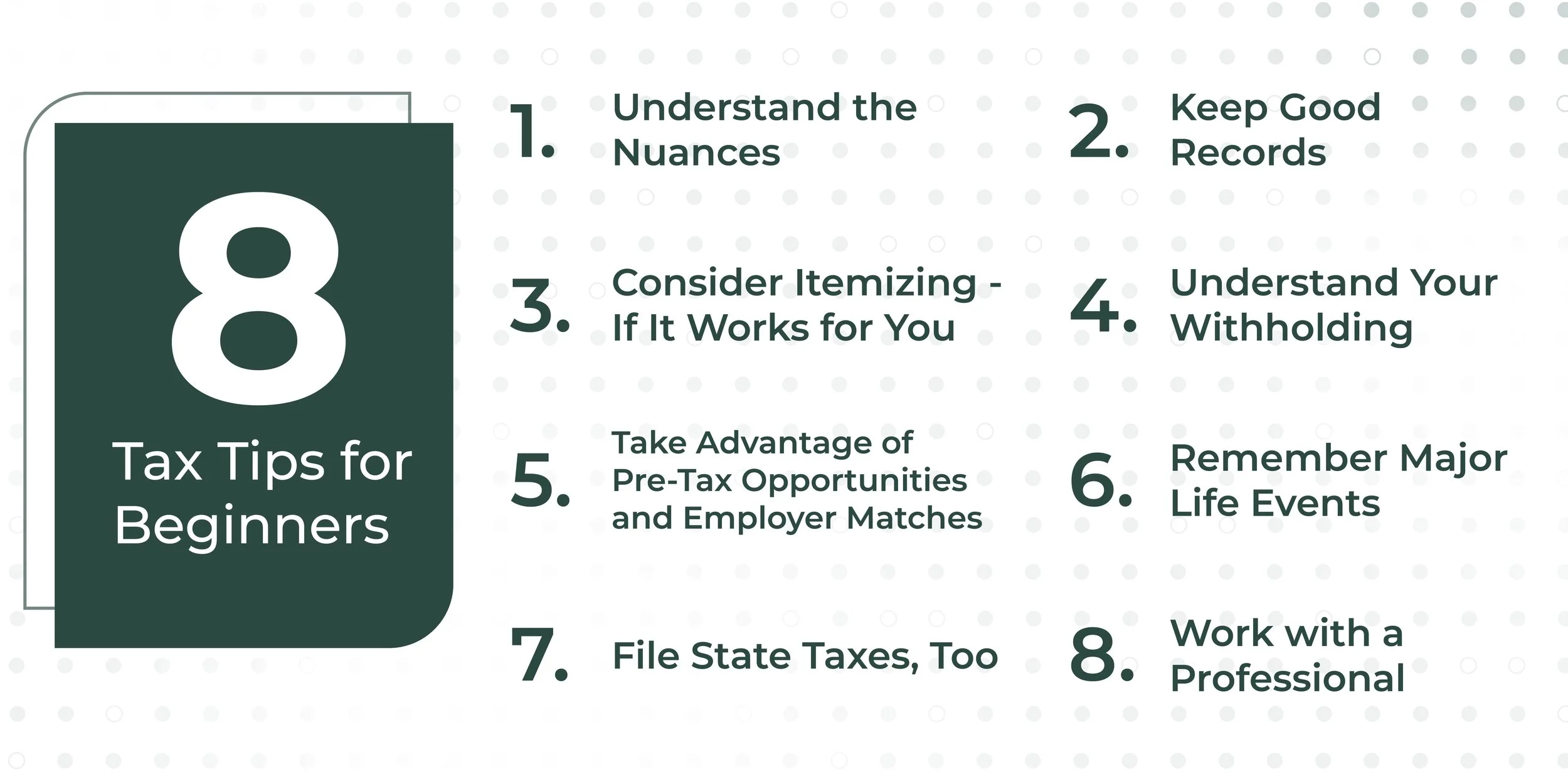
Learning to do taxes effectively means realizing that tax season is actually 365 days a year. This involves tracking expenses in real-time, making quarterly estimated payments to avoid underpayment penalties, and adjusting withholdings when life changes occur (such as marriage, the birth of a child, or a significant raise).
By taking a proactive approach, you eliminate the “sticker shock” of a high tax bill and turn taxation into a manageable, predictable part of your financial life. Whether you are self-taught for personal gain or professionally trained for a career, the journey of learning taxes is one of the most empowering steps you can take toward financial independence and professional success.
aViewFromTheCave is a participant in the Amazon Services LLC Associates Program, an affiliate advertising program designed to provide a means for sites to earn advertising fees by advertising and linking to Amazon.com. Amazon, the Amazon logo, AmazonSupply, and the AmazonSupply logo are trademarks of Amazon.com, Inc. or its affiliates. As an Amazon Associate we earn affiliate commissions from qualifying purchases.