
In the modern financial landscape, the question “where can I file” is rarely met with a single answer. Whether you are addressing your annual tax obligations, establishing a new business entity, or seeking recourse for a financial dispute, the “where” is just as critical as the “how.” Navigating these administrative waters requires a keen understanding of jurisdictional boundaries, digital platforms, and the specific mandates of federal and state agencies. Failure to file in the correct venue can lead to processing delays, financial penalties, and lost legal protections.

This guide serves as a comprehensive roadmap for the most significant financial filings an individual or business owner will encounter, detailing the platforms, agencies, and tools necessary to maintain compliance and optimize financial health.
Navigating the Tax Landscape: Federal and State Filing Options
For most people, the immediate association with “filing” is the Internal Revenue Service (IRS). However, the evolution of tax technology and the introduction of new government programs have expanded the options for where you can submit your returns.
The IRS Direct File and Free File Programs
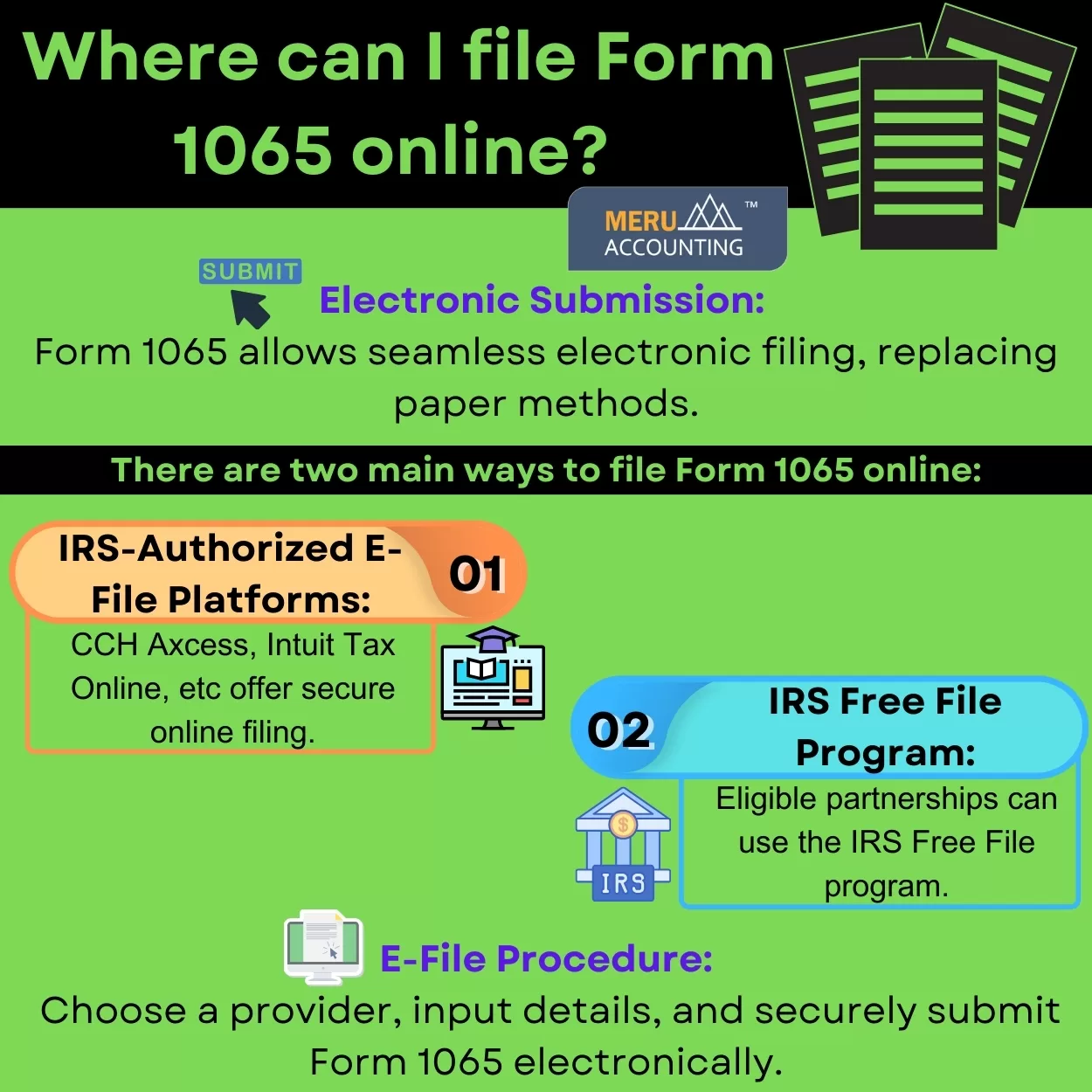
The IRS has recently made strides in simplifying the filing process for taxpayers. One of the most significant shifts is the introduction of IRS Direct File, a pilot program designed to allow eligible taxpayers to file their federal tax returns directly with the government for free. This service is intended to bypass the need for third-party commercial software, providing a direct pipeline to the IRS.
For those who do not qualify for Direct File, the IRS Free File program remains a cornerstone of the American tax system. This is a public-private partnership between the IRS and several tax-preparation software companies. If your Adjusted Gross Income (AGI) falls below a certain threshold—typically around $79,000—you can access high-end tax software at no cost. These platforms guide users through a series of questions, ensuring that deductions and credits are maximized before the return is electronically filed.
Commercial Software vs. Professional Tax Preparers
For individuals with more complex financial lives—such as those with rental properties, diverse investment portfolios, or foreign assets—commercial software remains the most popular choice. Platforms like TurboTax, H&R Block, and TaxSlayer offer tiered services that cater to different levels of complexity. When choosing where to file among these giants, it is essential to consider the user interface and the availability of “audit defense” or live professional support.
Conversely, high-net-worth individuals or business owners often choose to file through a Certified Public Accountant (CPA) or an Enrolled Agent (EA). In this scenario, the “where” is a professional firm. The advantage here is not just the filing itself, but the strategic tax planning that occurs throughout the year. These professionals use specialized, enterprise-grade software to file returns, often uncovering nuances that consumer-grade software might miss.
State-Specific Filing Requirements
It is a common mistake to assume that filing a federal return is the end of the journey. Most states require a separate income tax filing. Where you file your state taxes depends entirely on your residency and where your income was earned. Most state Departments of Revenue (DOR) offer their own online portals where residents can file for free. Utilizing these state-run portals can be faster than using a third-party aggregator, as they are specifically calibrated to the unique tax codes and credits of that particular state.
Establishing Your Legacy: Where to File Business and Legal Entities
Moving beyond personal finance, entrepreneurs often ask where they should file to legitimize a new venture. The choice of filing location for a business can have profound implications for taxation, liability, and operational flexibility.
Registering with the Secretary of State
The foundational step for any Limited Liability Company (LLC) or Corporation is filing Articles of Organization or Articles of Incorporation. This is done at the state level, specifically with the Secretary of State’s office. While many entrepreneurs default to filing in their home state, others look toward “business-friendly” jurisdictions like Delaware, Wyoming, or Nevada.
Filing in Delaware, for example, is preferred by many corporations due to its well-established Court of Chancery, which specializes in corporate law. However, if you file in a state other than where you physically operate, you may also need to file for “Foreign Qualification” in your home state, effectively doubling your filing requirements.
Obtaining an EIN from the IRS
Once a business is recognized by the state, the next critical filing location is the IRS website to obtain an Employer Identification Number (EIN). Think of the EIN as a social security number for your business. This filing is free and provides the business with the legal standing required to open a commercial bank account, apply for business credit, and hire employees. It is a vital step in “piercing the corporate veil,” ensuring that your personal and business finances remain legally distinct.
Local Licensing and Permits
The final layer of business filing often happens at the municipal or county level. Depending on your industry and location, you may need to file for a General Business License, a “Doing Business As” (DBA) name, or specific professional permits. These filings are usually handled through the local Clerk’s Office or a Department of Consumer Affairs. Neglecting these local filings can result in cease-and-desist orders or heavy fines, even if your state and federal filings are in perfect order.
Protecting Your Interests: Filing Financial Disputes and Consumer Complaints
In an era of digital transactions, financial errors and identity theft are increasingly common. Knowing where to file a dispute is the first step in reclaiming lost funds or correcting a damaged credit score.
The Consumer Financial Protection Bureau (CFPB)
If you have a grievance with a bank, a credit card issuer, or a mortgage lender that has not been resolved through their internal customer service, the Consumer Financial Protection Bureau (CFPB) is the primary federal agency where you should file a complaint. The CFPB acts as a mediator, forwarding your complaint to the financial institution and monitoring their response. This filing creates a public record of the issue and often incentivizes the company to resolve the dispute more quickly than they would through standard channels.
Credit Bureau Disputes
When an error appears on your credit report—such as an incorrect late payment or an account that doesn’t belong to you—you must file a dispute with the three major credit bureaus: Equifax, Experian, and TransUnion. Each bureau maintains its own online dispute portal. To be effective, you must file with the specific bureau reporting the error; filing with one does not automatically update the others. Providing supporting documentation, such as bank statements or letters from creditors, is essential when filing these claims.
Insurance Claim Procedures
Filing an insurance claim is a financial necessity after an accident or property damage. The “where” in this case is the insurer’s claims department, typically accessed through a dedicated mobile app or online portal. Understanding the hierarchy of filing is key: for auto accidents, you may need to file both a “first-party claim” with your own insurer and a “third-party claim” with the other driver’s insurance. Timeliness is the most important factor in these filings, as many policies have strict “statutes of limitations” regarding how long you can wait to report an incident.
Wealth Management and Retirement: Where to File for Long-Term Growth
Managing wealth involves more than just saving; it requires filing the appropriate paperwork to ensure your assets are protected and growing in tax-advantaged environments.
Opening and Filing for IRAs and 401(k)s
To benefit from tax-deferred growth, you must file to open accounts with a brokerage firm or a financial institution. Whether it is a Roth IRA, a Traditional IRA, or a Solo 401(k) for the self-employed, the filing process involves submitting beneficiary designations and tax-classification forms (such as the W-9).
Furthermore, if you are moving funds from an old employer’s 401(k) to a personal IRA, you must ensure the “rollover” is filed correctly with both the distributing and receiving institutions. Improperly filed rollovers can trigger massive tax penalties and early withdrawal fees, turning a smart financial move into a costly mistake.
Estate Planning and Probate Filing
The ultimate financial filing involves the transition of assets after death. A well-constructed estate plan seeks to avoid the need for excessive filing in Probate Court. However, if an individual dies without a trust, the executor must file a petition for probate in the county where the deceased resided. This public filing initiates the legal process of settling debts and distributing assets. To minimize the burden of these filings, many individuals choose to file “Transfer on Death” (TOD) or “Payable on Death” (POD) forms with their banks and brokerages while they are still alive, allowing assets to bypass the court system entirely.
Maximizing Efficiency with Modern Financial Tools
The “where” of filing has shifted dramatically from physical mailrooms to cloud-based interfaces. To stay organized, savvy individuals utilize digital “lockboxes” or secure document management systems to store copies of every filed document.
When deciding where to file, always prioritize platforms that offer two-factor authentication (2FA) and high-level encryption. Whether you are submitting a tax return to the IRS or a business registration to a Secretary of State, the sensitive information contained in these documents makes them prime targets for cybercriminals.
By understanding the specific roles of federal agencies, state offices, and private financial institutions, you can approach the question of “where can I file” with confidence. Proper filing is more than just a bureaucratic hurdle; it is a fundamental component of financial security, legal protection, and long-term prosperity. Whether you are a solo freelancer or a seasoned investor, staying informed about the evolving digital portals and regulatory requirements ensures that your financial house remains in order.
aViewFromTheCave is a participant in the Amazon Services LLC Associates Program, an affiliate advertising program designed to provide a means for sites to earn advertising fees by advertising and linking to Amazon.com. Amazon, the Amazon logo, AmazonSupply, and the AmazonSupply logo are trademarks of Amazon.com, Inc. or its affiliates. As an Amazon Associate we earn affiliate commissions from qualifying purchases.