
Navigating the complexities of the federal tax code is a perennial challenge for taxpayers, and the 2022 tax year presents a unique set of circumstances. As the financial landscape shifted away from the height of pandemic-era stimulus measures toward a more traditional economic environment, taxpayers encountered significant changes in credit amounts, deduction thresholds, and reporting requirements. Whether you are filing a late return, amending a previously submitted one, or simply seeking to understand the financial mechanics of that specific year, a meticulous approach to documentation and strategy is essential.
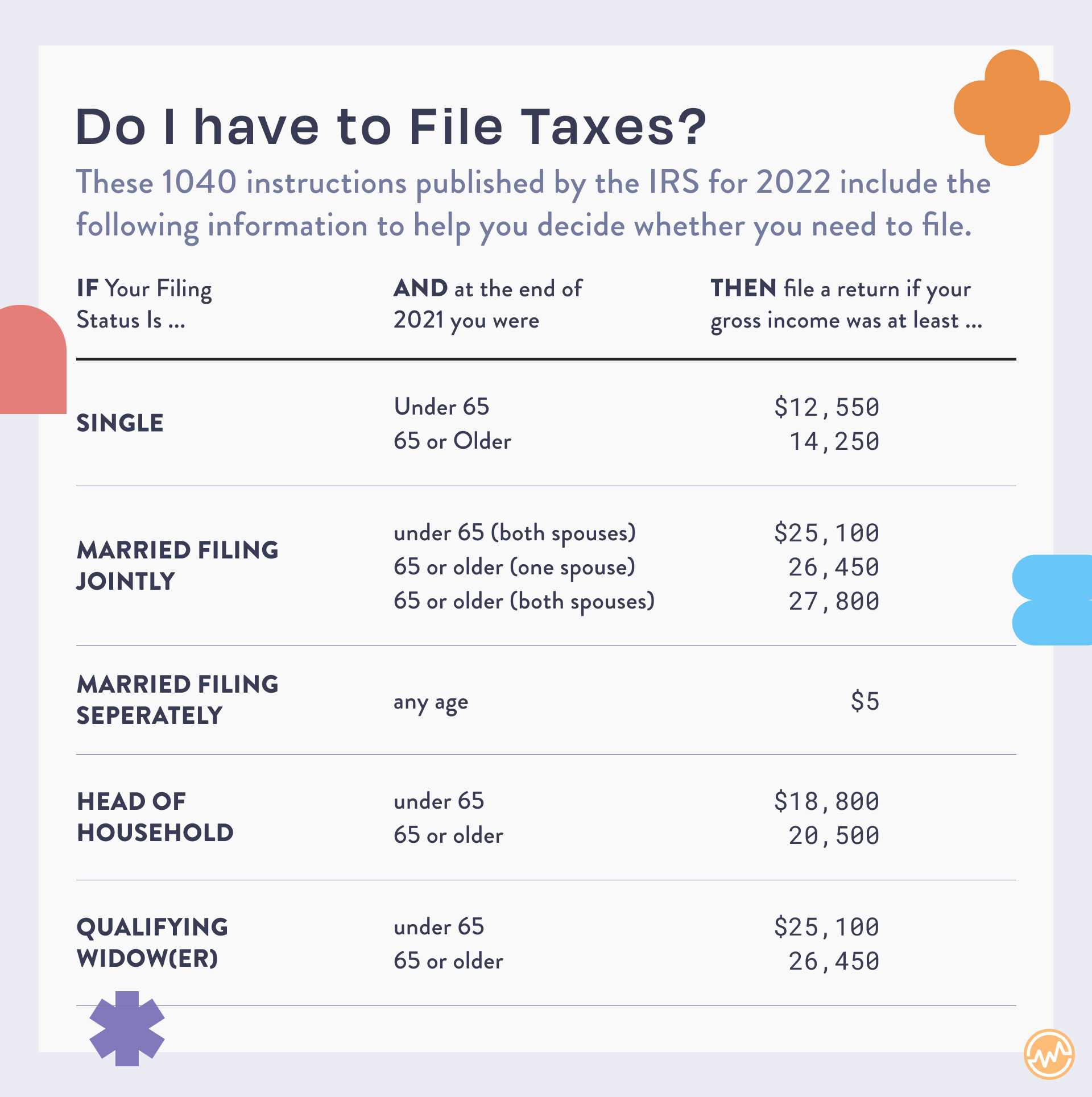
Filing taxes is not merely a legal obligation; it is a critical component of personal financial management. By understanding the specific nuances of the 2022 tax laws, individuals and small business owners can ensure they are not overpaying the government while simultaneously avoiding the scrutiny of an IRS audit. This guide breaks down the essential steps, from gathering documentation to choosing the right filing methodology, to ensure a seamless and optimized tax experience.
Understanding the 2022 Tax Landscape
The 2022 tax year was marked by a return to many pre-pandemic norms, though several lingering adjustments remained in play. One of the most significant shifts for taxpayers was the expiration of the enhanced Child Tax Credit and the Child and Dependent Care Credit, which reverted to their previous levels. Understanding these shifts is the first step in accurately projecting your tax liability or refund.
Key Deadlines and Filing Statuses
While the standard filing deadline for the 2022 tax year was April 18, 2023, many taxpayers find themselves needing to file after this date due to extensions or personal circumstances. If you missed the deadline, the priority shifts to minimizing failure-to-file and failure-to-pay penalties. For those who filed an extension, the deadline was October 16, 2023. If you are filing beyond these dates, it is imperative to submit your return as soon as possible to halt the accrual of interest.
Your filing status is the foundation of your tax return, determining your standard deduction and your tax brackets. For 2022, the options remained: Single, Married Filing Jointly, Married Filing Separately, Head of Household, and Qualifying Surviving Spouse. Choosing the correct status is vital; for instance, many single parents overlook the “Head of Household” status, which offers a higher standard deduction and more favorable tax brackets than filing as “Single.”
Changes in Standard Deductions and Tax Brackets
To account for inflation, the IRS adjusted the standard deduction for 2022. For single filers and married individuals filing separately, the standard deduction rose to $12,950. For joint filers, it increased to $25,900, and for heads of household, it was set at $19,400.
The marginal tax rates for 2022 remained consistent at 10%, 12%, 22%, 24%, 32%, 35%, and 37%. However, the income thresholds for these brackets were adjusted upward. Understanding where your “top dollar” falls is crucial for tax planning, particularly when considering traditional IRA contributions or other “above-the-line” deductions that can lower your Adjusted Gross Income (AGI) and potentially drop you into a lower tax bracket.
Essential Documentation and Information Gathering
The accuracy of a tax return is only as good as the data supporting it. For the 2022 tax year, taxpayers needed to be particularly diligent about tracking diverse income streams, especially with the rise of the “gig economy” and digital asset trading.
Income Records: W-2s, 1099s, and Beyond
Most traditional employees receive a Form W-2, which outlines earnings and withholdings. However, the 2022 tax year saw a massive influx of Form 1099-NEC (Non-Employee Compensation) for freelancers and independent contractors. It is important to note that even if you did not receive a 1099 form—perhaps because your earnings from a specific client were under the $600 threshold—you are still legally required to report that income.
Furthermore, 2022 was a significant year for digital assets. The IRS continued its focus on cryptocurrency, requiring taxpayers to answer whether they received, sold, exchanged, or otherwise disposed of any digital assets. Records of every trade, including the date of acquisition, the cost basis, and the fair market value at the time of sale, are required to calculate capital gains or losses accurately.
Adjustments to Income and Itemized Deductions
Before deciding whether to itemize or take the standard deduction, you must calculate your “above-the-line” deductions. These are adjustments to your income that you can claim regardless of whether you itemize. For 2022, these included:
-
Educator Expenses: Teachers could deduct up to $300 for unreimbursed classroom supplies.
-
Student Loan Interest: You could deduct up to $2,500 of interest paid on qualified student loans.
-
Health Savings Account (HSA) Contributions: Contributions made with after-tax dollars are deductible and provide a powerful way to reduce taxable income.
If your total deductible expenses—such as mortgage interest, state and local taxes (SALT) up to $10,000, and significant medical expenses—exceed the standard deduction amount, itemizing on Schedule A is the more financially sound route.
Maximizing Credits and Deductions Specific to 2022
Tax credits are more valuable than deductions because they provide a dollar-for-dollar reduction of your tax bill, rather than just reducing the amount of income subject to tax. Several key credits saw major changes in 2022 that taxpayers must account for.
The Child Tax Credit and Earned Income Tax Credit (EITC)

In 2021, the Child Tax Credit was expanded and made fully refundable, with many families receiving advance monthly payments. For 2022, this expansion expired. The credit returned to $2,000 per qualifying child under age 17. Additionally, the credit became only partially refundable. Taxpayers needed to carefully review Letter 6419 if they had any trailing questions regarding payments from the previous year to ensure no overlap or errors occurred on the 2022 return.
The Earned Income Tax Credit (EITC) also saw a shift. For 2022, the maximum EITC for filers with no qualifying children returned to approximately $560, a significant decrease from the temporary 2021 expansion. Eligibility for the EITC depends heavily on earned income and investment income limits, which for 2022 was capped at $10,300.
Energy Credits and Charitable Contributions
The 2022 tax year provided incentives for homeowners through the Residential Energy Efficient Property Credit. If you installed solar panels, solar water heaters, or wind turbines, you could claim a credit for a percentage of the cost. This was a pivotal year for green energy incentives as the government sought to promote sustainable home improvements.
Regarding charitable giving, the temporary “above-the-line” deduction for cash contributions (up to $300 for individuals) that was available during the pandemic was not extended into 2022. Consequently, to deduct charitable contributions in 2022, taxpayers were required to itemize their deductions. This change made it even more important for donors to keep meticulous receipts and acknowledgment letters from non-profit organizations.
Choosing the Right Filing Method
The method by which you file your 2022 taxes can impact both the speed of your refund and the likelihood of errors. While the IRS continues to move toward a digital-first model, different options cater to different financial complexities.
E-filing vs. Paper Filing
E-filing remains the gold standard for tax submission. For the 2022 tax year, the IRS reported that e-filed returns with direct deposit information were processed significantly faster than paper returns, which often faced backlogs. E-filing software also includes built-in error checking, ensuring that math errors or missing signatures—the two most common reasons for processing delays—are minimized.
Paper filing, while still an option, is generally discouraged unless a specific form or situation requires it. If you are filing a return for 2022 late, paper filing can result in months of waiting before the return is even entered into the IRS system, prolonging the accrual of potential refunds or the resolution of tax debts.
Utilizing Tax Software and Professional Services
For most individuals with straightforward income (W-2s and standard interest), commercial tax software is a cost-effective and efficient solution. These platforms use interview-style interfaces to guide users through the 2022 rules. However, for those with more complex financial lives—such as small business owners, real estate investors, or those with significant foreign assets—professional services are often worth the investment.
A Certified Public Accountant (CPA) or Enrolled Agent (EA) can provide strategic advice that software cannot. They can assist in “basis” tracking for investments and ensure that business deductions are maximized without crossing the line into “hobby loss” territory, which the IRS frequently scrutinizes.
Managing Late Filings and Amendments
It is not uncommon for taxpayers to discover errors after they have filed or to realize they missed the filing window entirely. The 2022 tax year is no exception, and the IRS provides specific pathways for correction.
Penalties and Interest for Late Submission
If you owe taxes for 2022 and failed to file on time, you are likely facing two different penalties: the failure-to-file penalty and the failure-to-pay penalty. The failure-to-file penalty is generally 5% of the unpaid taxes for each month or part of a month that a tax return is late. The failure-to-pay penalty is 0.5% of the unpaid taxes for each month or part of a month the tax remains unpaid.
For those who are owed a refund, there is no penalty for filing late. However, you generally have a three-year window from the original due date to claim that refund. For the 2022 tax year, this means you must file by April 2026 to claim any money the government owes you.

How to File an Amended Return (Form 1040-X)
If you have already filed your 2022 taxes but realized you missed a deduction, failed to report some 1099 income, or chose the wrong filing status, you must file Form 1040-X, Amended U.S. Individual Income Tax Return. In a significant move toward modernization, the IRS allowed taxpayers to file 1040-X electronically for the 2022 tax year if the original return was also filed electronically.
When amending, you do not need to redo the entire return. Form 1040-X focuses on the specific changes you are making. You will need to provide a clear explanation for each change. If the amendment results in you owing more tax, it is best to pay the additional amount immediately to minimize interest charges. If it results in a larger refund, the IRS will issue the difference once the amendment is processed, which typically takes up to 16 weeks.
Ultimately, mastering the 2022 tax filing process requires a balance of historical understanding and contemporary financial organization. By focusing on the specific credits, deduction limits, and reporting requirements of that year, taxpayers can secure their financial standing and ensure they are fully compliant with federal regulations.
aViewFromTheCave is a participant in the Amazon Services LLC Associates Program, an affiliate advertising program designed to provide a means for sites to earn advertising fees by advertising and linking to Amazon.com. Amazon, the Amazon logo, AmazonSupply, and the AmazonSupply logo are trademarks of Amazon.com, Inc. or its affiliates. As an Amazon Associate we earn affiliate commissions from qualifying purchases.