
In the modern landscape of personal finance, the annual ritual of tax filing has undergone a significant transformation. What was once a labor-intensive process involving stacks of paper, manual calculations, and physical mail has evolved into a streamlined, digital experience. Electronic filing, or e-filing, is now the primary method by which millions of taxpayers interact with the Internal Revenue Service (IRS) and state tax authorities. Beyond mere convenience, e-filing represents a critical component of a proactive financial strategy, offering enhanced accuracy, faster processing times, and robust security. Understanding how to navigate this digital ecosystem is essential for anyone looking to optimize their tax liability and ensure their financial records are handled with precision.
The Strategic Advantages of Electronic Filing
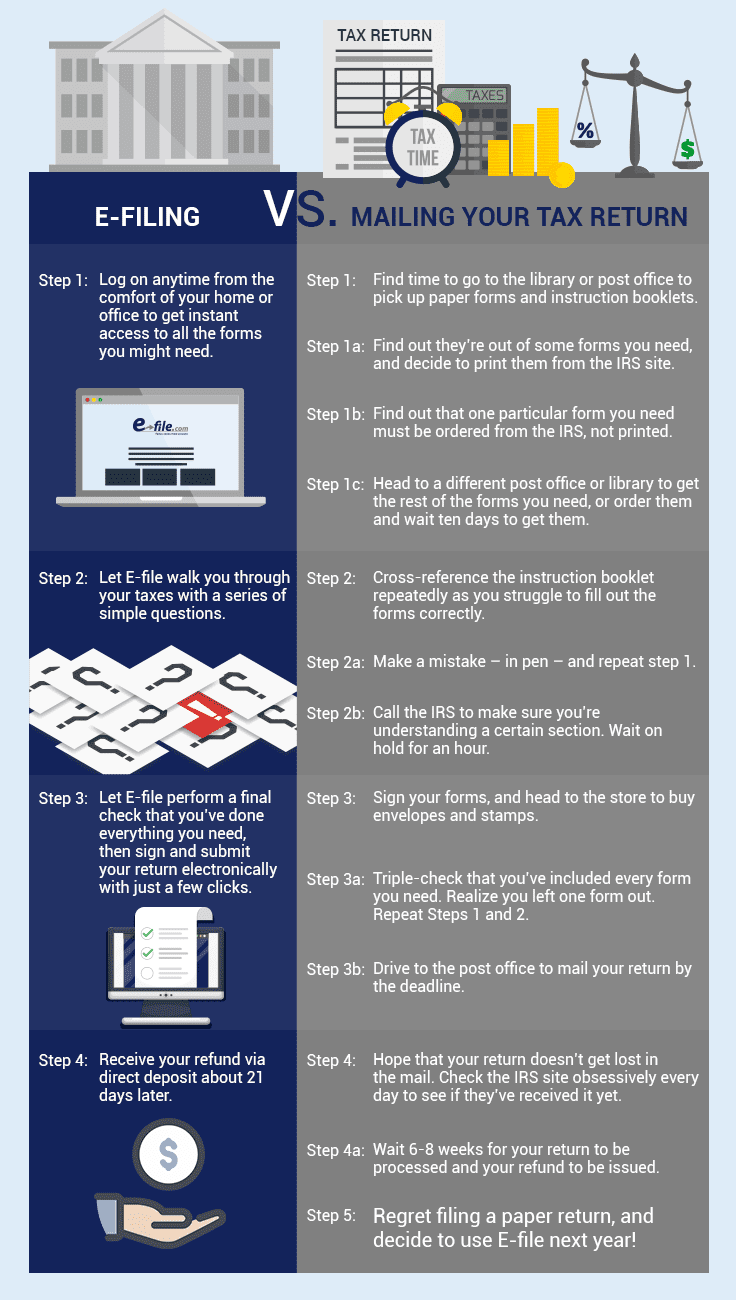
The transition from paper-based filing to digital systems is not merely a technological upgrade; it is a shift toward a more transparent and efficient financial environment. When a taxpayer chooses to e-file, they are utilizing systems that are designed to minimize human error—the single most common cause of processing delays and audits.
Accuracy and Error Reduction
One of the most significant financial benefits of e-filing is the built-in validation provided by tax software. Manual paper forms are prone to mathematical errors, missing signatures, and omitted Social Security numbers. Electronic systems perform real-time calculations and flag inconsistencies before the return is even submitted. The IRS reports that the error rate for e-filed returns is significantly lower than that of paper returns, which translates to a reduced risk of receiving a notice of deficiency or an audit trigger based on simple clerical mistakes.
Accelerated Refund Processing
For many individuals, the tax refund is a vital component of their annual cash flow, often used for debt repayment, emergency funds, or high-yield investments. E-filing is the fastest route to receiving these funds. When combined with direct deposit, a taxpayer can often receive their refund in as little as 21 days. In contrast, paper returns can take six to eight weeks—or longer during peak seasons—to be manually processed. In the world of personal finance, the time value of money is a core principle; getting your capital back into your accounts sooner allows it to start working for you immediately.
Security and Confirmation
Handling sensitive financial data through the mail carries inherent risks, including identity theft and physical loss of documentation. E-filing utilizes advanced encryption protocols to transmit data directly to government servers. Furthermore, the IRS provides an electronic acknowledgement of receipt within 24 to 48 hours of submission. This “digital footprint” serves as an immediate confirmation that your financial obligations for the year have been met, providing peace of mind that a postage stamp simply cannot offer.
Selecting the Optimal Tax Preparation Platform for Your Financial Profile
The first step in the e-filing process is identifying the tool that best aligns with your financial complexity. The market offers a range of options, from free government-sponsored programs to sophisticated private software designed for high-net-worth individuals and business owners.
IRS Free File and Direct File
For taxpayers with straightforward financial situations—typically those with an Adjusted Gross Income (AGI) below a certain threshold—the IRS Free File program provides access to brand-name tax software at no cost. Additionally, the IRS has recently introduced “Direct File,” a pilot program that allows eligible taxpayers to file directly with the government without a third-party intermediary. These options are ideal for W-2 employees with standard deductions who want to minimize their “cost to file,” thereby preserving more of their net income.
Professional-Grade Consumer Software
For those with more complex financial lives—including mortgage interest, charitable contributions, or diverse investment portfolios—paid platforms like TurboTax, H&R Block, or TaxSlayer offer deeper functionality. These tools use an interview-style format to uncover potential deductions and credits that a layperson might overlook. From a financial planning perspective, the cost of the software is often offset by the tax savings discovered through these guided workflows.
Specialized Software for Freelancers and Investors
If your income includes 1099-K or 1099-NEC forms, or if you are active in the stock and cryptocurrency markets, you require software capable of handling Schedule C (Profit or Loss from Business) and Schedule D (Capital Gains and Losses). Modern e-filing platforms can now import data directly from brokerage accounts and digital asset exchanges, ensuring that every transaction is accounted for and that the cost basis is calculated accurately to minimize capital gains tax.
The Step-by-Step E-Filing Financial Workflow

E-filing is most effective when approached with a structured methodology. A disorganized approach can lead to missed deductions or the late filing of necessary forms.
Phase 1: Aggregating Financial Documentation
Before opening any software, you must gather all relevant financial documents. This includes:
-
Income Statements: W-2s from employers, 1099-INT for bank interest, 1099-DIV for dividends, and 1099-MISC/NEC for independent work.
-
Adjustment Records: Documents for student loan interest, HSA contributions, and IRA contributions.
-
Deduction Records: If you plan to itemize, you need records of mortgage interest (Form 1098), property taxes, medical expenses, and charitable donation receipts.
-
Personal Identification: Social Security numbers for all dependents and your previous year’s AGI (which serves as a digital signature verification).
Phase 2: Data Entry and Optimization
Once the data is aggregated, the e-filing process involves entering this information into your chosen platform. The software will calculate your AGI and then apply either the standard deduction or itemized deductions, whichever results in a lower tax liability. During this phase, it is crucial to review the “Credits” section. Unlike deductions, which lower your taxable income, credits (such as the Earned Income Tax Credit or the Child Tax Credit) provide a dollar-for-dollar reduction of your tax bill, directly impacting your bottom line.
Phase 3: Review and Transmission
The final step in the digital workflow is the diagnostic review. Most e-filing software will run a final check to look for “red flags” that might attract IRS scrutiny. Once the return is validated, you will electronically sign using a Self-Select PIN or your prior year’s AGI. After hitting “submit,” the software transmits the data via a secure, encrypted link to the IRS and, if applicable, your state’s department of revenue.
Handling Complex Financial Scenarios: Side Hustles and Investments
In the era of the gig economy and decentralized finance, many taxpayers find that their e-filing needs go beyond simple salary reporting. Managing multiple income streams requires a nuanced understanding of how different types of earnings are taxed.
Navigating the Self-Employment Tax
If you earn income through a side hustle or as a freelancer, you are responsible for both the employer and employee portions of Social Security and Medicare taxes. This is known as the self-employment tax. When e-filing, you must accurately report your business expenses on Schedule C to reduce your net profit, which in turn reduces the self-employment tax burden. Digital tools allow you to categorize expenses such as home office costs, equipment, and marketing, ensuring you are only paying tax on your actual profit.
Investment Reporting and Tax-Loss Harvesting
For active investors, e-filing platforms have become indispensable. The integration of 1099-B data allows for the seamless reporting of hundreds of trades. A key financial strategy to employ during the e-filing process is tax-loss harvesting—offsetting capital gains with capital losses. If your losses exceed your gains, you can use up to $3,000 of the excess loss to offset ordinary income, a sophisticated move that reduces your total tax liability for the year.
Digital Assets and Regulatory Compliance
The IRS has placed a high priority on the reporting of virtual currencies. When e-filing, you will encounter a specific question regarding the receipt or sale of digital assets. Accuracy here is paramount. Modern tax tools often feature API integrations with crypto wallets, allowing for the calculation of gains and losses across various tokens and platforms, ensuring that your digital wealth is fully compliant with current tax laws.
Managing Post-Filing Logistics and Future Planning
The financial process does not end the moment the “Return Accepted” notification appears in your inbox. Post-filing management is where long-term wealth building and tax efficiency are solidified.
Coordinating Payments and Direct Deposits
If your e-filing results in a refund, selecting direct deposit is the most financially sound choice. You can even choose to split your refund among multiple accounts, such as directing a portion toward a savings account and another toward an IRA. Conversely, if you owe taxes, e-filing allows you to schedule an electronic funds withdrawal on a specific date, giving you control over your cash flow until the filing deadline.
Leveraging the Return for Financial Growth
The data generated during the e-filing process is a goldmine for personal financial planning. By reviewing your effective tax rate and the sources of your tax liability, you can make informed decisions for the coming year. For instance, if you had a high tax bill, you might decide to increase your 401(k) or 403(b) contributions to lower your future taxable income. If you received a large refund, you might adjust your Form W-4 withholding to increase your monthly take-home pay, allowing you to invest that money throughout the year rather than giving the government an interest-free loan.
Digital Record Keeping
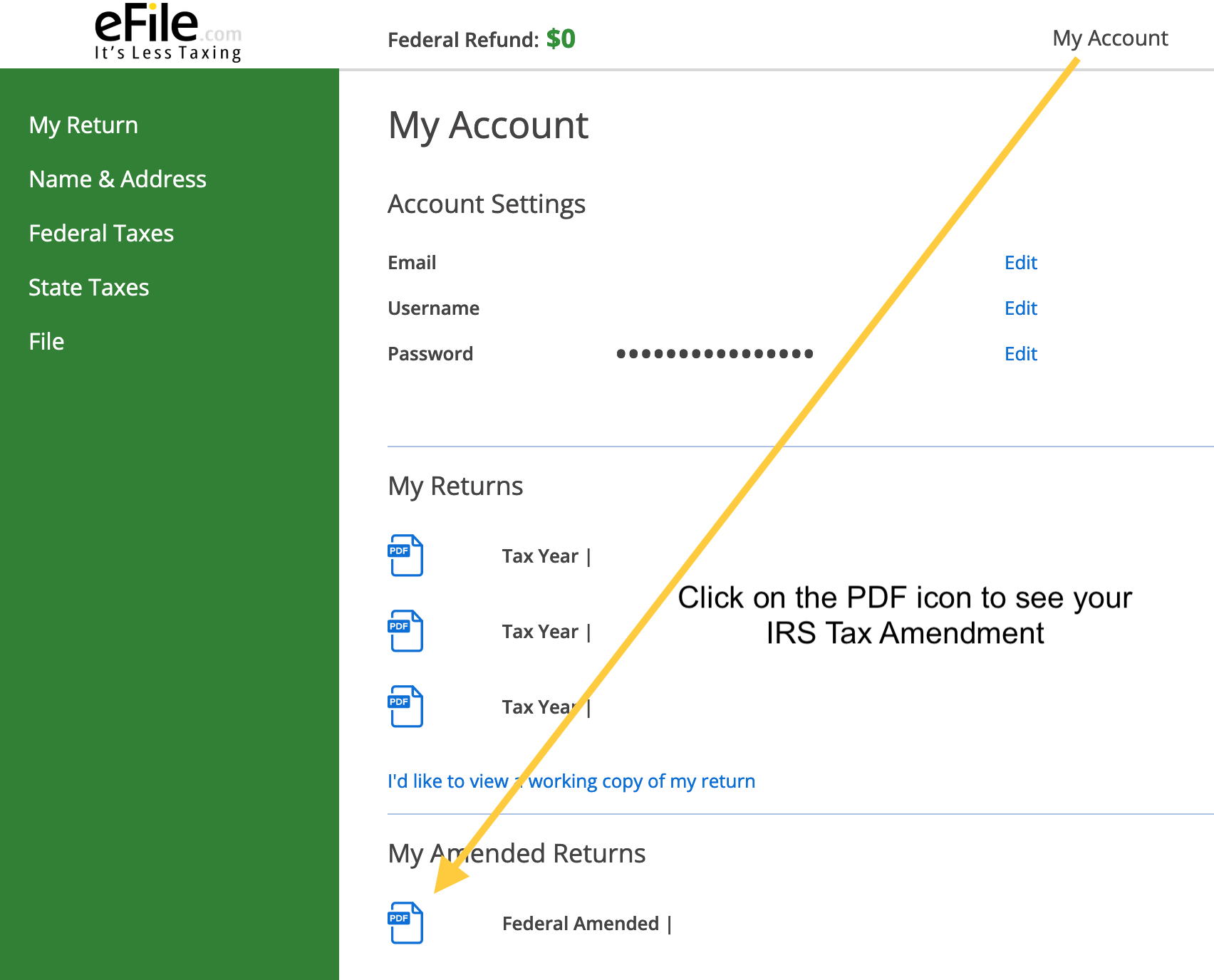
Finally, e-filing facilitates superior record-keeping. Most platforms provide a PDF copy of your entire return, including all supporting schedules. These should be stored in a secure, encrypted digital vault. Having these records readily available is essential for future financial milestones, such as applying for a mortgage, verifying income for a business loan, or defending your financial positions in the event of a future inquiry. In the modern economy, your tax return is more than just a compliance document; it is a comprehensive snapshot of your financial health.
aViewFromTheCave is a participant in the Amazon Services LLC Associates Program, an affiliate advertising program designed to provide a means for sites to earn advertising fees by advertising and linking to Amazon.com. Amazon, the Amazon logo, AmazonSupply, and the AmazonSupply logo are trademarks of Amazon.com, Inc. or its affiliates. As an Amazon Associate we earn affiliate commissions from qualifying purchases.