
In the modern financial landscape, the question “How can I file?” is rarely about a single document. Instead, it represents a pivotal moment in an individual’s or business owner’s journey toward fiscal responsibility, legal compliance, and wealth optimization. Whether you are submitting your annual tax returns, registering a new business entity, or lodging an insurance claim, the process of filing is the bridge between financial activity and official recognition. Understanding the nuances of these filings is not merely a matter of administrative duty; it is a strategic necessity that can save thousands of dollars in penalties and unlock significant opportunities for growth.

Navigating the Tax Ecosystem: Filing Personal and Business Returns
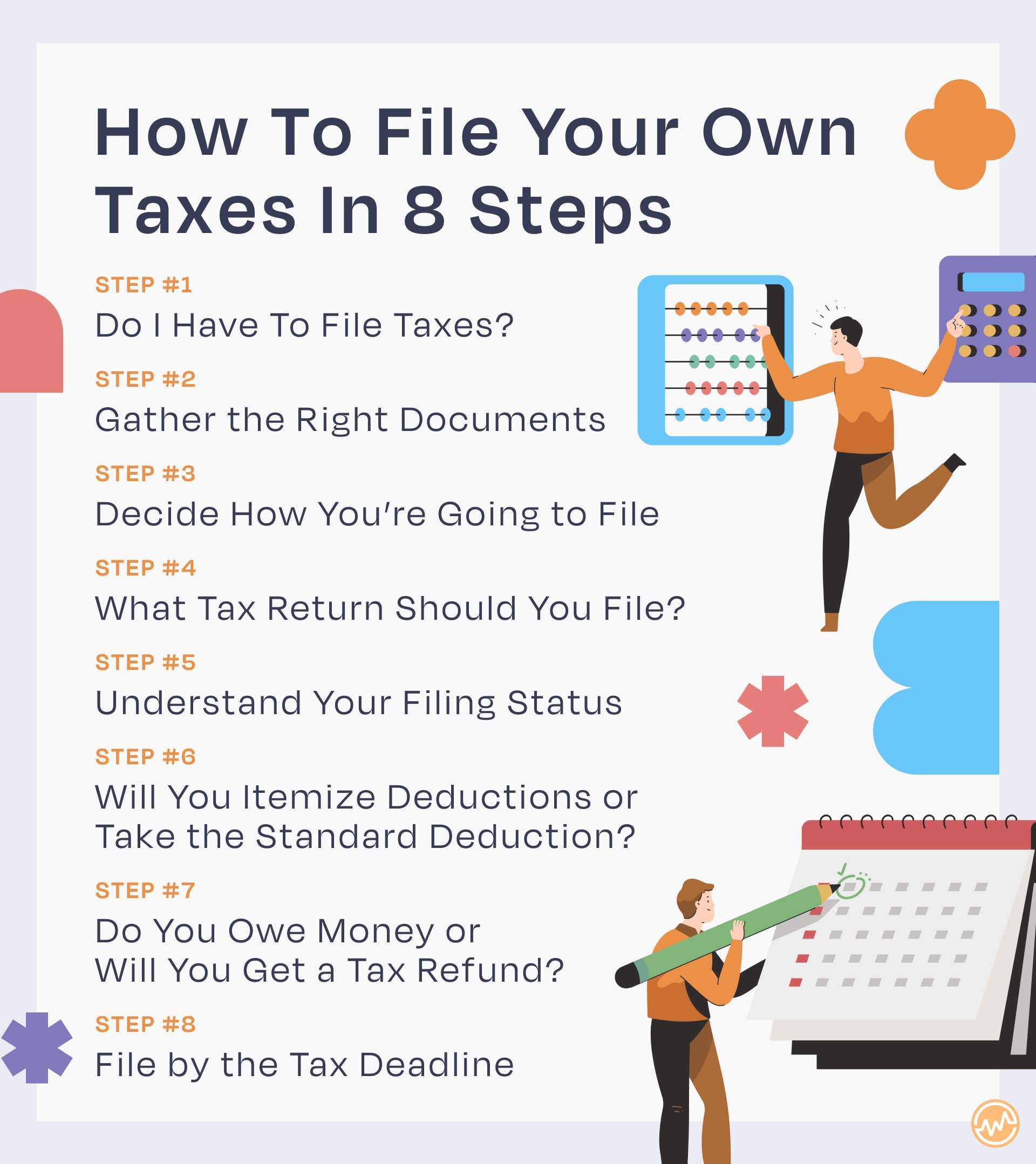
The most common context for filing within the financial sector is, undoubtedly, taxation. For the average individual, the tax filing process is often viewed with trepidation, yet it serves as the ultimate audit of one’s annual financial health. To file effectively, one must move beyond simple data entry and adopt a strategy of optimization.
Choosing the Right Methodology: Software vs. Professional Assistance
The first step in answering “how can I file” is determining the medium. In the current digital age, tax preparation software has become the standard for most salaried employees. These platforms use interview-style interfaces to guide users through their income and expenses. However, as your financial portfolio grows—incorporating rental properties, cryptocurrency investments, or foreign assets—the limitations of automated software become apparent. High-net-worth individuals or those with complex “side hustles” often find that filing through a Certified Public Accountant (CPA) offers a higher return on investment through specialized tax planning that software might overlook.
Maximizing Deductions and Credits
Filing is not just about reporting what you owe; it is about reclaiming what you overpaid. When filing, you must choose between the standard deduction and itemized deductions. For those with significant mortgage interest, charitable contributions, or unreimbursed medical expenses, itemizing can significantly lower taxable income. Furthermore, understanding the difference between a tax deduction (which lowers taxable income) and a tax credit (which provides a dollar-for-dollar reduction in the tax bill) is vital. Credits like the Earned Income Tax Credit (EITC) or various education credits can result in substantial refunds if filed correctly.
The Critical Role of Documentation
The “how” of filing is built upon the “what” of your records. A successful filing process begins long before the deadline. Maintaining a rigorous system for tracking receipts, 1099 forms, W-2s, and investment statements is mandatory. Digital archiving tools have made this easier, allowing for the categorization of expenses in real-time. Without a clear paper trail, you risk losing out on legitimate deductions or, worse, failing an audit should the regulatory authorities request verification of your filed figures.
Corporate and Small Business Compliance: Filing for Growth
For entrepreneurs, filing takes on a broader meaning involving legal structure and operational legitimacy. The way you file your initial business documents dictates your personal liability, your tax rate, and your ability to raise capital in the future.
Filing Articles of Organization and Incorporation
When starting a venture, the first major hurdle is filing the necessary paperwork with the state to create a legal entity. Whether you are filing for a Limited Liability Company (LLC) or a C-Corp, this process establishes your business as a separate “person” in the eyes of the law. This filing is essential for asset protection. By properly filing your Articles of Organization, you ensure that your personal finances are shielded from the debts and liabilities of the business.
Maintaining Good Standing through Annual Reports
Filing is an ongoing obligation, not a one-time event. Most jurisdictions require businesses to file annual or biennial reports. These filings provide updated information regarding the business’s address, its officers, and its registered agent. Failure to maintain these filings can lead to “administrative dissolution,” where the state revokes your right to conduct business, potentially exposing you to personal liability and causing significant disruptions to your banking and credit relationships.

Quarterly Estimated Tax Filings
Unlike employees who have taxes withheld from their paychecks, business owners and independent contractors must file quarterly estimated tax payments. This “pay-as-you-go” system requires a proactive approach to accounting. You must estimate your annual income and pay a portion of the expected tax every three months. Mastering this filing process is essential for cash flow management; failing to file these payments on time can result in underpayment penalties that erode your profit margins.
Financial Redress: Filing Insurance Claims and Credit Disputes
Filing also serves as a mechanism for protection and correction. When financial systems fail or accidents occur, the ability to file a formal claim or dispute is your primary tool for recovery.
The Anatomy of a Successful Insurance Filing
Whether it is a homeowners’ policy, professional liability insurance, or health coverage, filing a claim requires a meticulous approach to detail. To ensure a claim is approved, the filing must be timely and comprehensive. This includes providing immediate notification to the insurer, documenting the loss with photos or video, and providing third-party assessments when necessary. The “how” in this context involves understanding your policy’s fine print—knowing what is excluded and ensuring your filing uses the specific terminology required by the insurer to trigger coverage.
Protecting Your Credit via Dispute Filings
Your credit score is perhaps your most valuable financial asset, influencing your ability to secure loans, mortgages, and even employment. However, credit reports frequently contain errors. Under the Fair Credit Reporting Act (FCRA), you have the right to file a dispute with credit bureaus like Equifax, Experian, and TransUnion.
To file a dispute effectively, you should not rely on the simple online “check-box” systems provided by the bureaus. Instead, filing a formal letter via certified mail that includes evidence—such as bank statements or letters from creditors—is often more effective. This creates a legal paper trail that forces the credit bureau to investigate the inaccuracy within 30 days. Mastering this specific filing process is a cornerstone of proactive personal finance management.
Strategic Organization: Building a Filing Infrastructure
The efficacy of any financial filing depends on the infrastructure you build to support it. Filing should not be a reactive scramble; it should be a streamlined, habitual process.
Digital vs. Physical Filing Systems
In the transition to a paperless economy, the “how” of filing has shifted toward digital security. Financial documents contain the most sensitive information an individual possesses, including social security numbers, bank account details, and income history. A robust digital filing system utilizes end-to-end encryption and multi-factor authentication. Cloud-based storage allows for the easy retrieval of documents during tax season or in the event of a legal inquiry, but it must be balanced with a local, encrypted backup to guard against data breaches or service outages.
Timelines and Deadlines: The Filing Calendar
The most common mistake in financial filing is missing a deadline. Late filings often carry heavy financial penalties and interest charges that compound over time. A professional approach to finance involves maintaining a dedicated filing calendar. This includes:
-
April 15th: Individual income tax filings.
-
Quarterly Deadlines (April, June, September, January): Estimated tax payments for the self-employed.
-
Renewal Dates: Business license and permit filings.
-
Policy Anniversaries: Reviewing and updating insurance filings to reflect current asset values.
Conclusion: The Philosophy of Diligent Filing
At its core, knowing “how can I file” is about taking ownership of your financial narrative. Each document you submit to a government agency, a financial institution, or an insurance provider is a data point that defines your economic standing. By treating filing as a strategic discipline rather than a clerical burden, you position yourself to minimize losses, maximize gains, and maintain the legal protections necessary to build lasting wealth.
Filing is the language of the financial world. Whether you are speaking to the IRS, a corporate registrar, or a credit bureau, clarity, accuracy, and timeliness are the hallmarks of a successful communicator. By implementing the strategies outlined in this guide—from choosing the right professional help to maintaining a secure digital archive—you can transform the filing process from a source of stress into a powerful tool for financial empowerment and long-term security. Professionalism in filing is, ultimately, professionalism in life.
aViewFromTheCave is a participant in the Amazon Services LLC Associates Program, an affiliate advertising program designed to provide a means for sites to earn advertising fees by advertising and linking to Amazon.com. Amazon, the Amazon logo, AmazonSupply, and the AmazonSupply logo are trademarks of Amazon.com, Inc. or its affiliates. As an Amazon Associate we earn affiliate commissions from qualifying purchases.