
The annual ritual of tax filing often evokes a sense of trepidation for the average taxpayer. Between the dense jargon of the Internal Revenue Code and the high stakes of potential audits or penalties, the perceived barrier to entry for managing one’s own taxes can feel insurmountable. However, the reality of tax preparation in the modern era is far more nuanced. For many, filing a return is a straightforward digital exercise; for others, it remains a complex financial puzzle that requires professional intervention. Determining how “hard” it is to file your own taxes depends entirely on the complexity of your financial life, your comfort level with financial documentation, and the tools you choose to employ.

The Determining Factor: Complexity of Your Financial Profile
The difficulty of filing your own taxes is not a fixed variable; it scales directly with the diversity and volume of your income streams. To understand the level of effort required, one must first categorize their financial activities within the current tax year.
The Simple Return: W-2 Employees and Standard Deductions
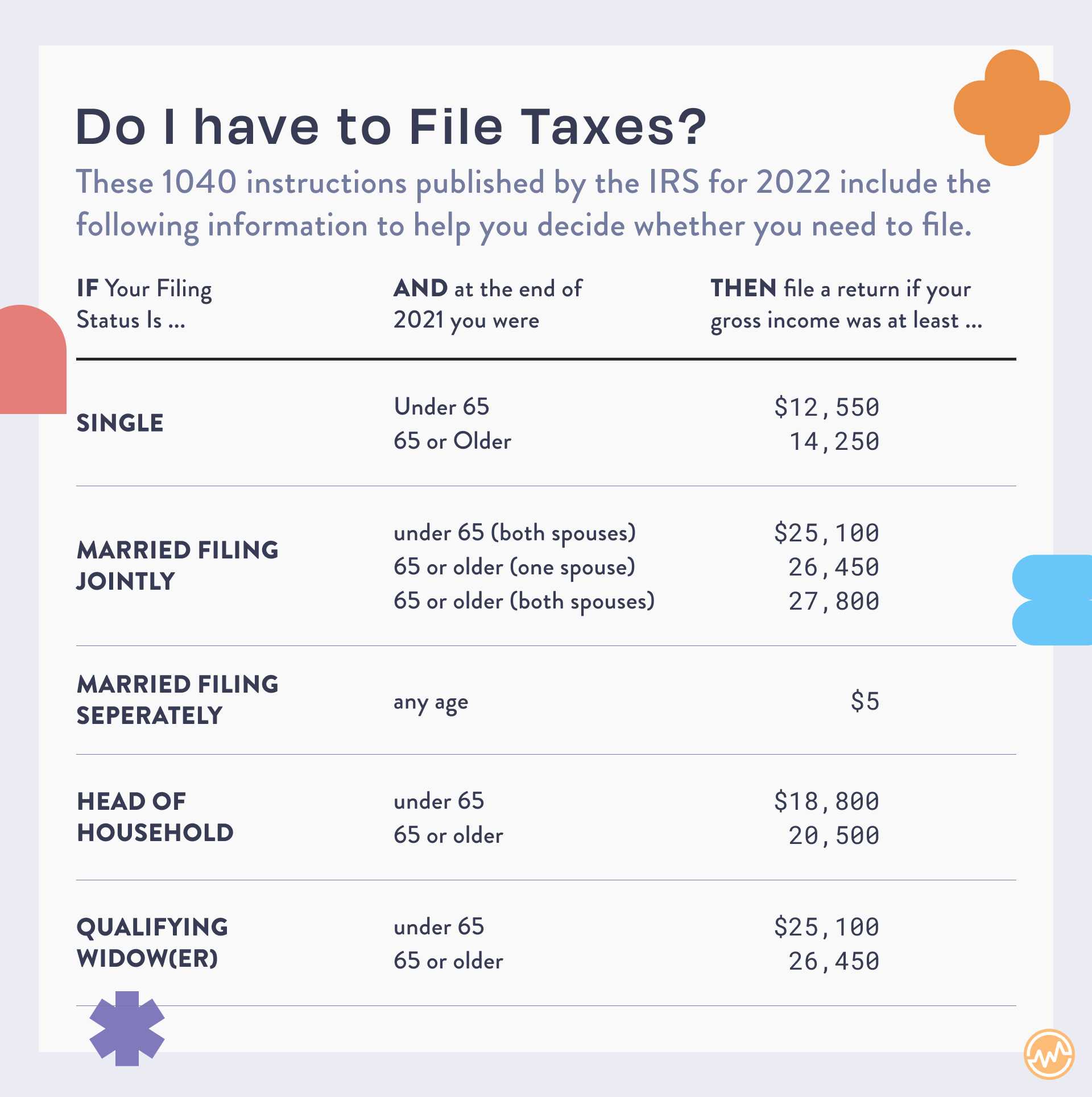
For a significant portion of the population, filing taxes is relatively simple. If your primary source of income is a W-2 from a single employer and you do not have significant assets or unusual expenses, the process is largely an exercise in data entry. Since the Tax Cuts and Jobs Act of 2017 significantly increased the standard deduction, the vast majority of taxpayers no longer need to itemize deductions. This eliminates the need to track every medical expense, charitable donation, or mortgage interest payment, reducing the preparation time to less than an hour in many cases.
The Gig Economy and Self-Employment
The difficulty curve rises sharply when you move from a traditional employee role to self-employment or “gig” work. If you receive 1099-NEC or 1099-K forms, you are essentially treated as a small business by the IRS. This requires filing a Schedule C to report profit and loss. The “hardness” here lies in the record-keeping. You must accurately track deductible business expenses—such as home office costs, equipment, and travel—while ensuring you are paying the self-employment tax. For these individuals, the challenge is not just the filing itself, but the year-long organizational discipline required to make the filing possible.
Investments and Passive Income
Investors face a different set of challenges. While brokerage firms provide 1099-B and 1099-DIV forms that summarize gains and losses, taxpayers involved in high-frequency trading, cryptocurrency, or foreign assets may find the process daunting. Calculating the cost basis for various assets and reporting wash sales requires a level of precision that can make DIY filing feel like a full-time job. Furthermore, those with interests in partnerships or S-corporations will receive Schedule K-1s, which often arrive late in the season and carry complex reporting requirements that can easily confuse a novice filer.
Leveraging Modern Financial Tools and Software
In the past, filing your own taxes meant navigating paper forms and physical instruction booklets. Today, technology has democratized the process, making it significantly easier for the average person to achieve compliance without a degree in accounting.
Guided Tax Preparation Software
The rise of robust tax software has been the single greatest factor in reducing the difficulty of DIY filing. These platforms utilize an “interview” format, asking simple questions about your life—Did you get married? Did you buy a house?—and then populating the necessary forms in the background. This logical flow prevents users from having to know which specific forms they need, as the software identifies them based on the user’s answers. These tools also include error-checking algorithms that flag inconsistencies before the return is transmitted to the IRS.
Data Importation and Automation
One of the most tedious aspects of tax filing is manual data entry, which is also the primary source of human error. Modern financial tools now allow for the direct importation of data from employers, banks, and brokerages. By linking your financial accounts to your tax software, you can populate hundreds of lines of data in seconds. This automation significantly lowers the “difficulty” rating of filing, as it shifts the user’s role from data entry clerk to data reviewer.
The IRS Direct File and Free File Programs
For those concerned about the cost of software, the barrier to entry has lowered through government initiatives. The IRS Direct File program and the long-standing Free File alliance provide eligible taxpayers with high-quality tools at no cost. These programs are designed to be user-friendly, catering specifically to simple and moderate-complexity returns, ensuring that the difficulty of filing is not exacerbated by a financial burden.
Evaluating the Risks and Rewards of the DIY Approach

Before deciding to file independently, a taxpayer must weigh the potential for financial savings against the risks of errors or missed opportunities. The “hardness” of taxes often relates to the psychological pressure of getting it right.
The Risk of Overlooked Deductions and Credits
The IRS does not automatically grant you every credit or deduction you are entitled to; you must claim them. While software is designed to find these, a DIY filer may not realize they qualify for specific breaks like the Earned Income Tax Credit (EITC), the Child Tax Credit, or various education-related incentives. A professional tax preparer often pays for themselves by identifying strategies—such as the timing of expenses or specific retirement contributions—that a software algorithm might not emphasize.
Accuracy and the Audit Ghost
Mathematical errors are the most common reason for IRS notices. While software handles the math, it cannot fix “garbage in, garbage out” scenarios. If you input the wrong numbers from your documents, the filing will be incorrect. For some, the fear of an audit makes filing their own taxes feel “harder” than it actually is. It is important to remember that for most taxpayers, an audit is not a confrontational meeting in a dark room but a “correspondence audit” where the IRS simply asks for clarification or documentation via mail.
The Opportunity Cost of Time
When assessing difficulty, one must consider the value of their time. For a freelancer with multiple income streams and complex expenses, filing a return might take twenty hours of concentrated effort. If that individual’s billing rate is high, the “cost” of filing their own taxes in lost productivity may far exceed the fee of a Certified Public Accountant (CPA). In this sense, filing is “hard” because it is an inefficient use of specialized labor.
The Threshold: When to Call a Professional
There is a point where the DIY approach becomes a liability rather than a cost-saving measure. Recognizing this threshold is key to sound personal finance management.
Complex Real Estate and Business Entities
If you own multiple rental properties, participate in 1031 exchanges, or manage a business with employees and payroll tax obligations, the complexity likely exceeds the capabilities of standard consumer software. Real estate depreciation and recapture, in particular, are areas where errors are frequent and costly. Similarly, if you are an owner of a multi-state business, navigating the nexus and apportionment rules of various states is a task best left to a professional.
Major Life Events and High-Net-Worth Scenarios
Significant changes in wealth or life status—such as receiving a large inheritance, exercising non-qualified stock options, or navigating a complex divorce settlement—introduce tax nuances that require human judgment. A CPA or Enrolled Agent provides more than just filing; they provide tax planning. This forward-looking strategy is something that DIY filing, which is essentially a retrospective look at the previous year, cannot offer.
Practical Strategies for a Stress-Free Filing Season
If you determine that your situation is manageable enough for a DIY approach, success depends on preparation and organization. Filing is only “hard” when you are disorganized.
Year-Round Documentation and Digital Organization
The best way to simplify tax season is to treat it as a year-long process. Using financial management apps to scan receipts and categorize expenses in real-time ensures that when April arrives, you aren’t digging through shoeboxes of paper. Digital organization allows you to see your tax liability in real-time, preventing the “sticker shock” that often makes tax season so stressful.
Understanding the “Why” Behind the Forms
While software does the heavy lifting, taking the time to understand the basic mechanics of how your taxes are calculated can demystify the process. Reviewing your previous year’s return (Form 1040) to see how your income flows from various schedules into your final tax liability provides a roadmap for the current year. When you understand the logic of the tax system, the filing process feels less like a series of arbitrary hurdles and more like a standard administrative task.
The Importance of the Final Review
The final step in a successful DIY filing is the review phase. Never submit a return the moment you finish entering the data. Walking away for twenty-four hours and returning with fresh eyes allows you to spot simple typos or missed entries. Most software provides a PDF summary of the return; reviewing this summary can help you see the “big picture” of your finances, ensuring that the numbers align with your expectations for the year.
Ultimately, filing your own taxes is as hard or as easy as your financial life is simple or complex. For the modern taxpayer, the tools available have turned a once-formidable task into a manageable part of financial adulthood. By staying organized, utilizing the right software, and knowing when to seek professional help, you can navigate tax season with confidence and precision.
aViewFromTheCave is a participant in the Amazon Services LLC Associates Program, an affiliate advertising program designed to provide a means for sites to earn advertising fees by advertising and linking to Amazon.com. Amazon, the Amazon logo, AmazonSupply, and the AmazonSupply logo are trademarks of Amazon.com, Inc. or its affiliates. As an Amazon Associate we earn affiliate commissions from qualifying purchases.